
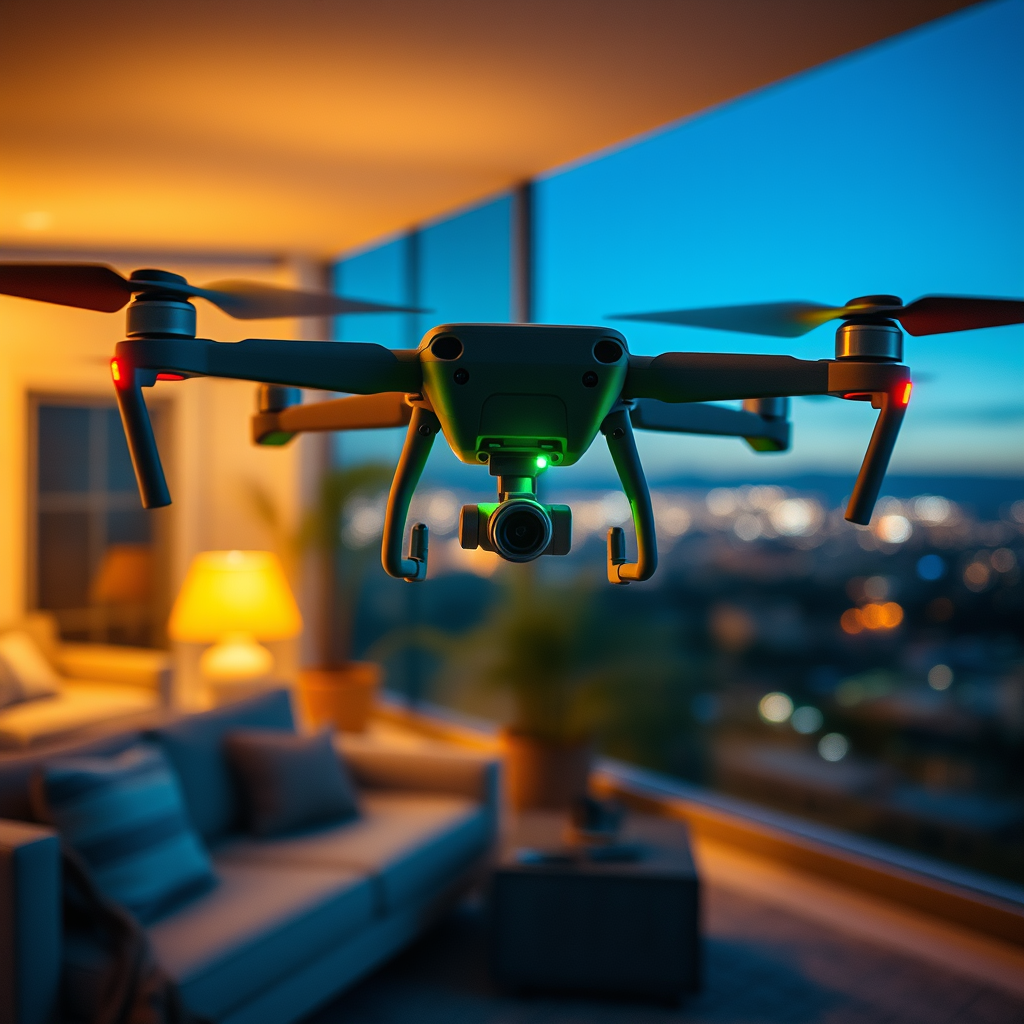
Yes, you can fly a drone at night recreationally, but there are specific regulations and safety considerations to keep in mind. In many countries, including the United States, the Federal Aviation Administration (FAA) allows night flying for drones, provided that the operator adheres to certain guidelines. Understanding these regulations and implementing the necessary safety measures is crucial for ensuring a successful and enjoyable nighttime flying experience.
Understanding Night Flying Regulations
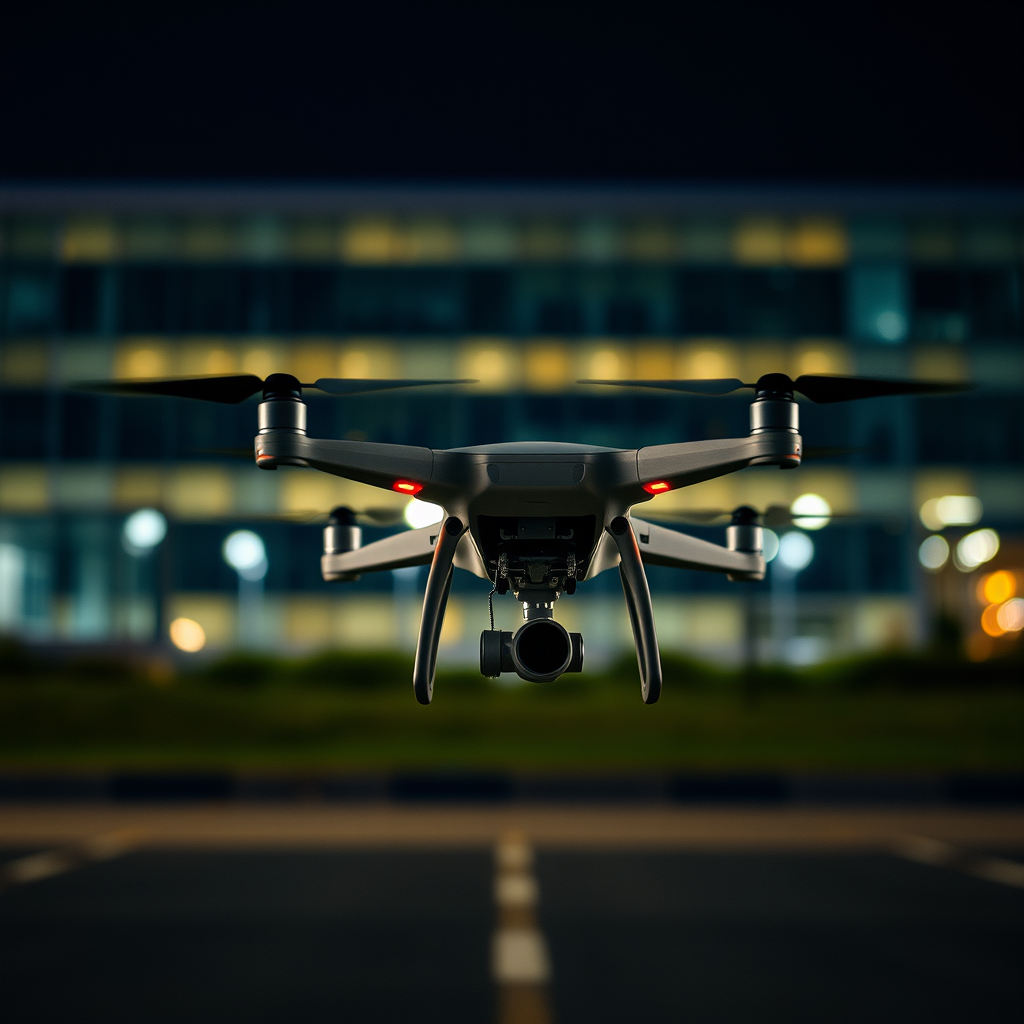
To legally fly a drone at night for recreational purposes in the United States, pilots must comply with the FAA’s Part 107 regulations. This includes obtaining a Remote Pilot Certificate, which requires passing a knowledge test covering various aspects of drone operation, including airspace regulations and safety procedures. It’s important to note that while the FAA has made provisions for nighttime flying, not all states or local jurisdictions may permit it, necessitating a thorough review of local laws.
Flying at night involves additional responsibilities for the operator, primarily regarding visibility and safety. The FAA requires that drones flown after sunset have appropriate lighting, such as anti-collision lights, to ensure that they are visible to other airspace users. These lights must be mounted on the drone in such a way that they are easily discernible from a distance, thus enhancing safety and enabling other pilots to maintain awareness of the drone’s presence.
Safety Precautions for Night Flying
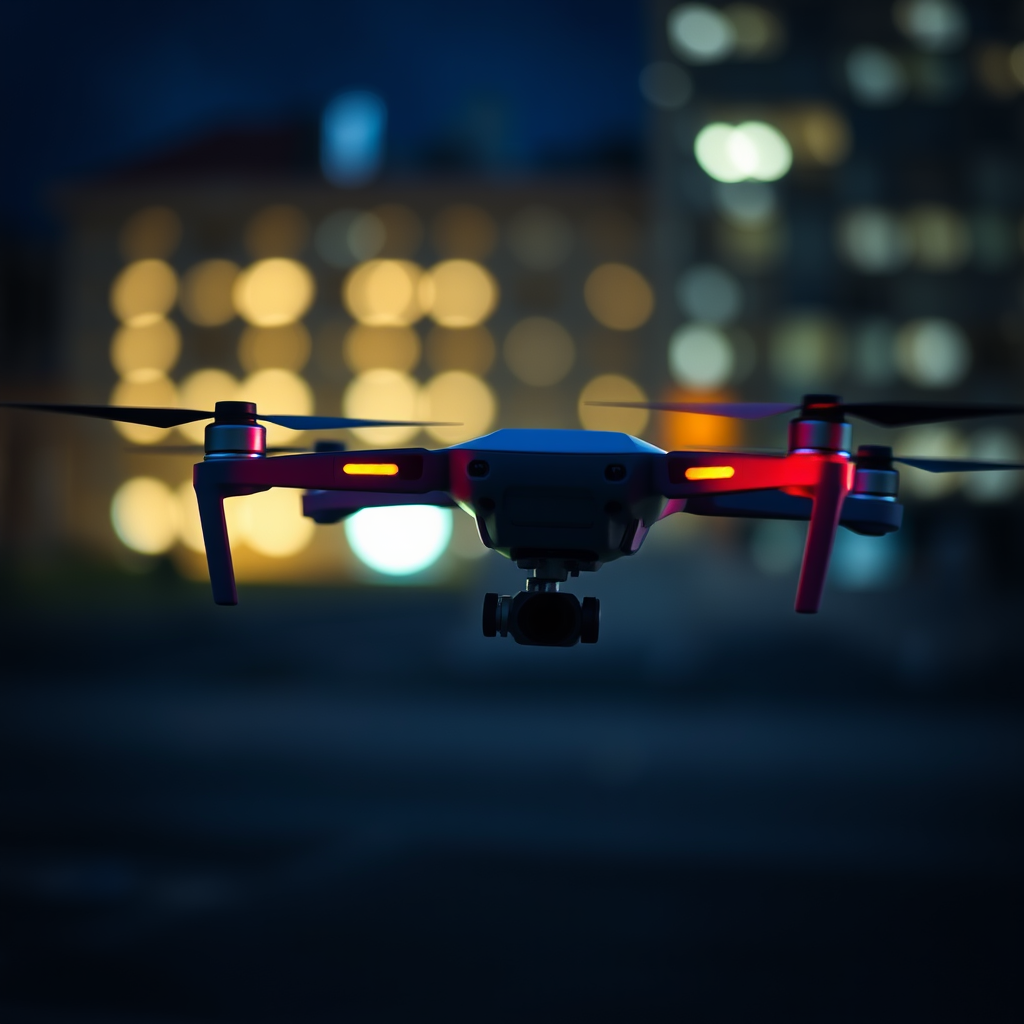
Flying a drone at night presents unique challenges that can be mitigated through careful planning and adherence to safety protocols. Firstly, ensure that your drone is equipped with bright and visible lights, which significantly enhance its visibility against the night sky. The FAA recommends using lights that can be seen from at least three statute miles, as this is critical for preventing collisions with other aircraft and obstacles.
Moreover, it is essential to familiarize yourself with the flying area before taking off. Conducting a thorough reconnaissance of the environment during daylight hours can help identify potential hazards, such as trees, power lines, or buildings, that may not be easily visible at night. Additionally, maintaining a safe distance from populated areas and avoiding crowded spaces can further reduce the risk of accidents.
Another key safety precaution is to operate the drone within your line of sight at all times. Night flying can impair depth perception and spatial awareness, so having visual contact with your drone is crucial for safe operation. If the drone becomes difficult to see, it is advisable to land it immediately.
Drone Lighting Requirements
The FAA mandates that drones flown at night must have specific lighting configurations to enhance visibility and safety. These lights should be capable of being seen for at least three statute miles, which allows other pilots to spot the drone from a distance. Typically, drones are required to have a combination of red and green lights; red lights indicate the left side of the drone, while green lights indicate the right side, helping to establish its orientation in the sky.
In addition to anti-collision lights, some operators opt to use additional lighting options, such as spotlights or LED strips, which can illuminate the area around the drone. This not only enhances visibility but also aids in navigation and obstacle avoidance during low-light conditions. However, operators should ensure that any additional lighting does not interfere with the drone’s operation or create distractions for other pilots.
Local Laws and Ordinances
Before embarking on a nighttime drone flight, it is imperative to check local laws and ordinances, as these regulations can vary significantly by location. Some municipalities may have specific restrictions or requirements governing night flying, including curfews or designated no-fly zones. For example, areas near airports or military installations typically impose stricter regulations to ensure the safety of manned aircraft.
Additionally, some states might have laws that require drone operators to register their drones before flying, regardless of whether the flight is during the day or at night. Failing to comply with local regulations can result in fines or other penalties, making it essential for drone pilots to be fully informed of their legal obligations before taking to the skies.
Best Practices for Nighttime Drone Operation
To ensure a successful and safe nighttime drone operation, following best practices is crucial. Conducting a thorough pre-flight check is essential to confirm that all systems are functioning properly and that the drone’s lights are operational. This includes checking battery levels, calibrating sensors, and inspecting the drone’s physical condition.
When planning your flight, consider using visual aids such as maps and GPS to navigate effectively in the dark. Familiarity with the flying area can help mitigate the risks associated with low visibility, allowing for a more enjoyable experience. Additionally, considering the use of a spotter can enhance safety by providing an extra set of eyes to monitor the drone’s location and surroundings.
It is also advisable to limit flight duration and stay within a manageable distance from your launch point. Night flying can be disorienting, and maintaining a close proximity to your takeoff site can help ensure a safe return. Finally, remember to keep your flight within the recommended altitude limits, which can further reduce the risk of encountering obstacles.
Recreational vs. Commercial Night Flying
Understanding the distinction between recreational and commercial night flying regulations is essential for drone operators. While recreational pilots can fly at night under the FAA’s Part 107 regulations, commercial operators face additional requirements. For instance, commercial pilots must adhere to stricter operational limitations, including additional training and certifications.
Recreational pilots, while enjoying more flexibility, must still adhere to all safety and visibility standards outlined by the FAA. This includes ensuring that their drone is equipped with adequate lighting and that they maintain visual line-of-sight during flight. Commercial operators, on the other hand, may also be required to file flight plans or obtain additional permissions for nighttime operations, depending on the scope and nature of their work.
In both cases, the importance of safety cannot be overstated. Regardless of whether you are flying recreationally or commercially, understanding and complying with regulations is vital for promoting a safe and responsible drone flying community.
In conclusion, flying a drone at night for recreational purposes is permissible under certain conditions. By understanding the regulations, ensuring safety precautions, and following best practices, you can enjoy your nighttime drone flying experience responsibly. Staying informed about local laws and being prepared for the unique challenges of low-light flying will further enhance your ability to operate your drone safely and effectively. With the right knowledge and preparation, night flying can be a thrilling and rewarding experience for drone enthusiasts.
Frequently Asked Questions
Can you legally fly a drone at night for recreational purposes?
Yes, you can legally fly a drone at night for recreational purposes, but there are specific regulations you must follow. According to the Federal Aviation Administration (FAA) in the United States, night flying is permitted if your drone is equipped with anti-collision lights that are visible for at least three statute miles. Additionally, you must be registered with the FAA and follow all other recreational flying guidelines.
What are the safety considerations for flying a drone at night?
Safety is crucial when flying a drone at night, as visibility is significantly reduced. To ensure safe operations, always use drones equipped with bright, strobe, or LED lights to help maintain visibility and avoid collisions. Additionally, familiarize yourself with the flying area during daylight hours to mitigate risks and plan for potential obstacles that may not be visible at night.
How can I enhance my drone’s visibility for night flying?
Enhancing your drone’s visibility for night flying can be achieved by adding LED lights or reflective tape to your drone. Many drone manufacturers offer night flying kits that include bright lights specifically designed for this purpose. Ensuring your drone can be seen from a distance is vital for safety and compliance with FAA regulations, so be sure to check the light output and battery life of any additional equipment you use.
Why is it important to check local regulations before flying a drone at night?
Checking local regulations before flying a drone at night is essential because laws can vary by state, city, or even specific areas such as parks and private properties. Some local jurisdictions may have stricter rules regarding nighttime drone operations, including bans on flying altogether. Understanding these regulations helps you avoid legal issues and ensures that you can enjoy your drone flying experience without interruptions.
What are the best practices for flying a drone at night recreationally?
The best practices for flying a drone at night include ensuring your drone is equipped with adequate lighting, planning your flight path in advance, and flying in open areas away from crowds. Always maintain a line of sight with your drone and avoid flying in adverse weather conditions. Furthermore, consider using a drone with a camera that offers night vision capabilities to enhance your flying experience and capture stunning aerial footage in low-light conditions.
References
- https://www.faa.gov/uas/getting_started/fly_for_fun
- https://www.faa.gov/uas/getting_started/fly_for_fun/night_flying
- https://www.nytimes.com/2021/09/15/business/drone-night-flying.html
- https://www.wired.com/story/drone-flying-at-night/
- https://www.npr.org/sections/alltechconsidered/2016/08/29/491188623/why-flying-drones-at-night-is-different
- https://www.skybrary.aero/index.php/Night_Flying
- https://www.dronepilotgroundschool.com/can-you-fly-drones-at-night/
- https://www.knowbeforeyoufly.org/faq/can-i-fly-my-drone-at-night/
