
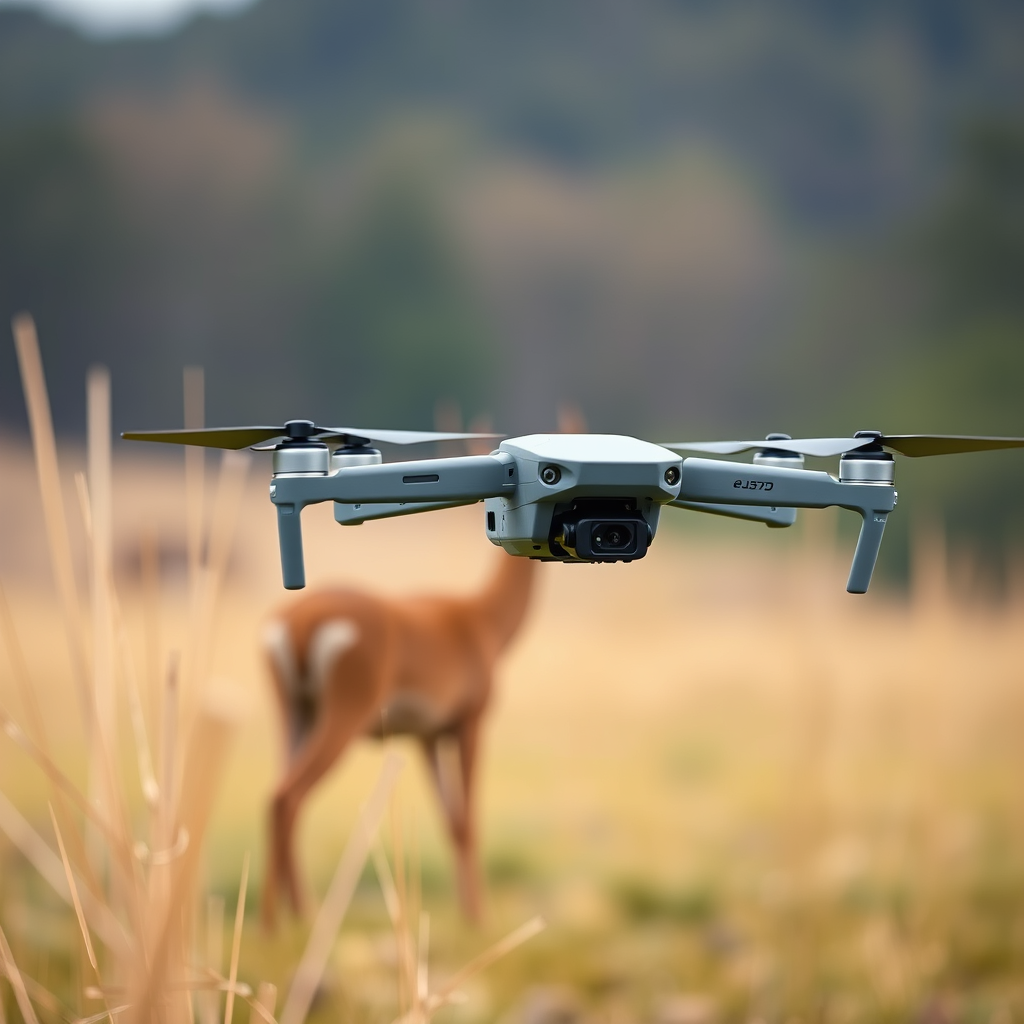
Yes, you can use a drone to scout for deer effectively. Drones offer an innovative way to observe wildlife from above, allowing hunters to gather valuable information about deer movement and habitat without disturbing the environment. By leveraging advanced aerial technology, hunters can enhance their scouting strategies, gaining insights into deer patterns, habitat use, and even population density. This article will explore the advantages, regulations, and best practices for using drones in deer scouting, providing a comprehensive guide for both novice and experienced hunters.
Advantages of Using Drones for Deer Scouting
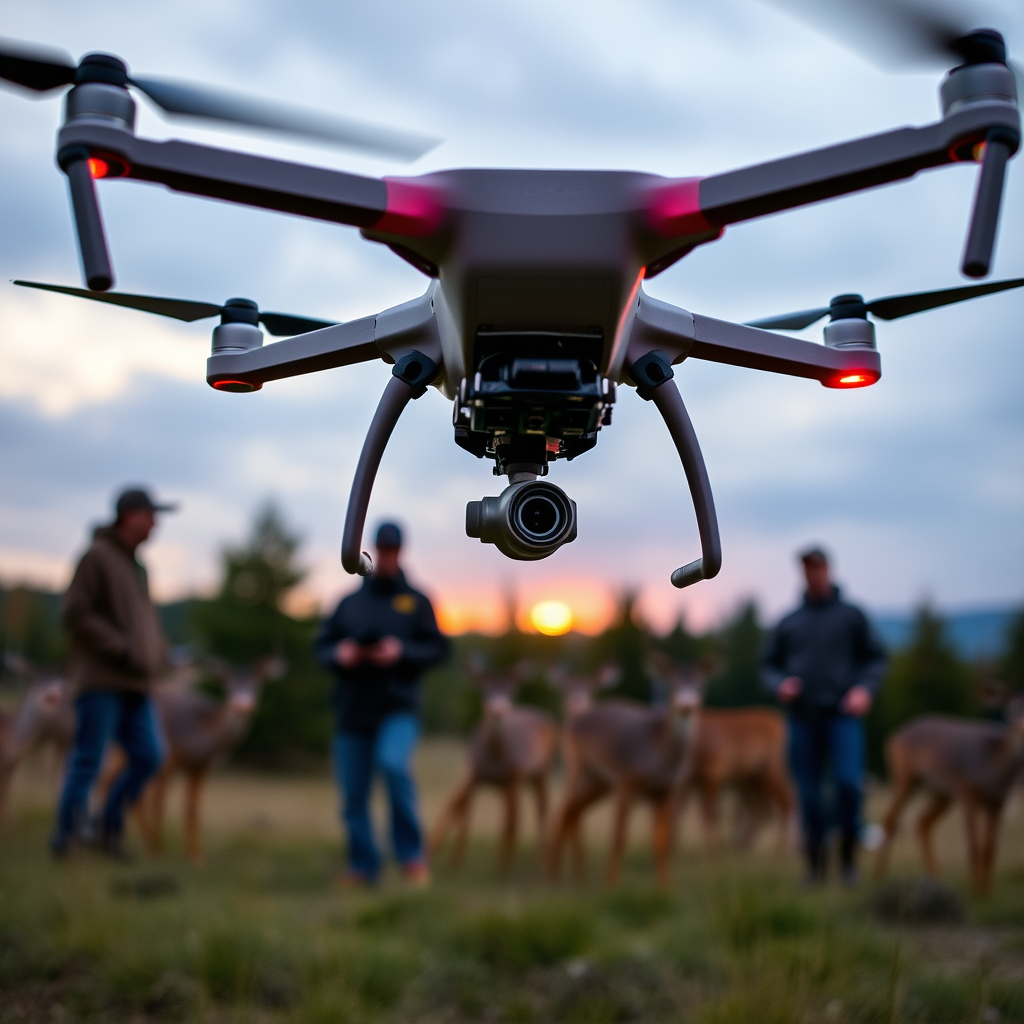
– Wide Coverage: Drones can cover large areas quickly, providing a comprehensive view of the landscape. With the ability to fly at different altitudes and speeds, drones can scan expansive terrains in a fraction of the time it would take a hunter on foot. This capability is particularly beneficial in dense forests or rugged terrains where visibility is limited. For example, a hunter using a drone can easily identify deer trails, feeding areas, and bedding spots across several acres, making it easier to plan an effective hunting strategy.
– Reduced Disturbance: Aerial scouting minimizes human presence, reducing stress on deer populations. Traditional scouting methods, such as walking through the woods, often leave behind human scents and noises that can alert deer, causing them to alter their natural behavior. Drones, when operated at appropriate altitudes and distances, can scout these areas without causing alarm. This non-intrusive method allows hunters to gather critical information while keeping the deer in their natural state.
Regulations and Legal Considerations
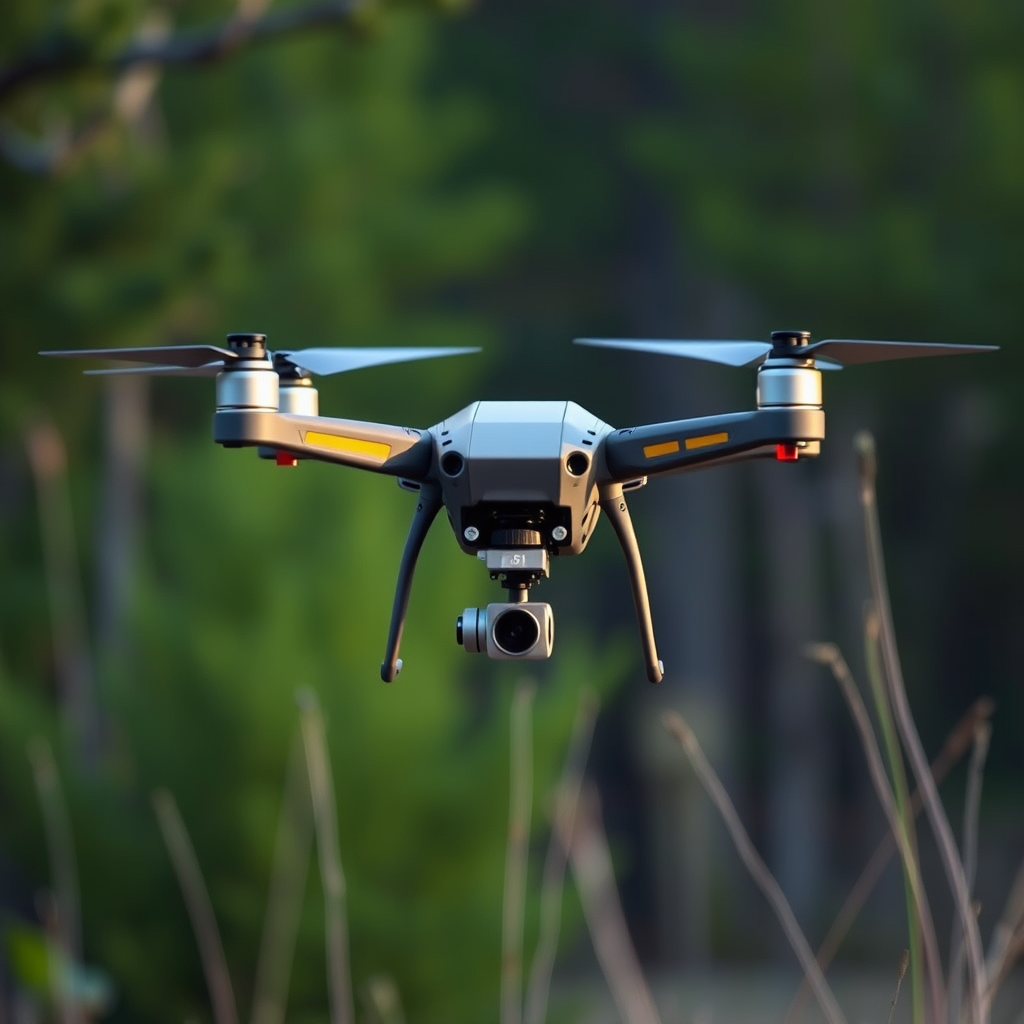
– FAA Regulations: Familiarize yourself with Federal Aviation Administration (FAA) rules regarding drone operation in hunting areas. The FAA regulates drone usage to ensure safety in the national airspace, and it is crucial for hunters to understand these regulations. For instance, drones must be flown below 400 feet and must remain within the visual line of sight of the operator. Additionally, commercial drone operations may require specific certifications, which hunters should consider if they plan to use drones for scouting purposes.
– State Laws: Check specific state regulations related to the use of drones for hunting or wildlife observation. Each state has its own set of rules concerning drone use in hunting, and some states may prohibit the use of drones altogether for scouting game. For example, states like Idaho and Montana have specific restrictions that hunters must adhere to. Before using a drone for deer scouting, it is essential to review local laws to ensure compliance and avoid potential penalties.
Choosing the Right Drone
– Camera Quality: Select a drone with high-resolution cameras for clear visuals of deer. Drones equipped with HD cameras or thermal imaging capabilities can provide detailed imagery, allowing hunters to spot deer even in low-light conditions. A drone with a gimbal-stabilized camera will also ensure smooth footage, which is vital for identifying deer and assessing their condition from the air.
– Flight Time: Consider battery life to ensure you can scout sufficient areas without interruptions. Most consumer drones offer flight times ranging from 20 to 30 minutes, but higher-end models may provide longer durations. When selecting a drone, consider how much area you need to cover and plan your flights accordingly. Carrying extra batteries or a portable charging solution can also enhance your scouting efficiency, allowing you to maximize your time in the field.
Best Practices for Drone Scouting
– Flight Height and Distance: Maintain a proper altitude to avoid spooking deer while ensuring a clear view. Generally, flying at heights of 200 to 400 feet is effective for scouting deer without causing alarm. Additionally, maintaining a horizontal distance of at least 100 yards from the deer can help keep them calm. Understanding deer behavior can also guide your flight patterns; for instance, if deer are feeding, they may be less sensitive to the drone’s presence.
– Timing and Conditions: Plan flights during optimal times, such as early morning or late evening, and in good weather for the best visibility. Deer are most active during dawn and dusk, making these times ideal for scouting. Moreover, flying on days with minimal wind and clear skies will not only improve visibility but also the stability of the drone, ensuring smoother operation and better footage.
Ethical Considerations
– Respect for Wildlife: Use drones responsibly to avoid causing unnecessary stress or disruption to deer and their habitats. Ethical hunting practices dictate that hunters should minimize their impact on wildlife, which extends to the use of drones. Operators should be mindful of not flying too low or close to deer, as this can induce stress and alter their natural behaviors, potentially affecting their health and survival.
– Fair Chase Ethics: Understand how drone scouting fits within ethical hunting practices and the principles of fair chase. The fair chase concept emphasizes the importance of giving game animals a reasonable chance to escape. While drones provide valuable scouting opportunities, hunters must ensure that they do not exploit this technology to the detriment of fair chase principles. Striking a balance between technological advantages and ethical hunting practices is crucial for maintaining the integrity of the sport.
Potential Challenges
– Technical Issues: Be prepared for equipment malfunctions or connectivity problems that could arise while flying. Drones can be susceptible to battery failures, loss of signal, or software glitches. It is advisable to conduct thorough pre-flight checks and familiarize yourself with the drone’s operation to mitigate these risks. Investing in a reliable drone and having a backup plan, such as a secondary scouting method, can also help address potential technical challenges.
– Wildlife Reactions: Monitor how deer react to drone presence and adjust your approach accordingly to minimize disturbances. Each deer may respond differently to drone activity, and it is essential to observe their behavior closely. If deer exhibit signs of stress or alarm, such as fleeing or hiding, it may be necessary to change flight tactics or altitude to prevent further disturbance.
In conclusion, using a drone to scout for deer can be an effective tool when done responsibly. The advantages of wide coverage and reduced disturbance enhance a hunter’s ability to gather critical information about deer behavior and habitats. However, it is vital to navigate the regulations and ethical considerations associated with drone use in hunting. By adhering to best practices and being mindful of wildlife, hunters can successfully integrate drone technology into their scouting strategies, ultimately improving their chances of success while respecting the environment and the game they pursue.
Frequently Asked Questions
Can you legally use a drone to scout for deer?
Yes, you can legally use a drone to scout for deer, but the regulations vary by state. It is crucial to check your local wildlife and drone regulations, as some states have restrictions on using drones for hunting-related activities. Always ensure you are compliant with the Federal Aviation Administration (FAA) regulations regarding drone flight, including altitude limits and no-fly zones.
How can drones improve deer scouting efficiency?
Drones can significantly improve deer scouting efficiency by providing a bird’s-eye view of large areas in a short amount of time. They can capture high-resolution images and videos, allowing hunters to assess deer populations, identify feeding patterns, and monitor habitat conditions without disturbing the animals. This technology enables hunters to gather valuable data from hard-to-reach areas, making scouting more effective.
What features should I look for in a drone for deer scouting?
When choosing a drone for deer scouting, consider features such as a high-resolution camera for clear imagery, GPS capabilities for precise mapping, and a long battery life for extended flights. Drones with live video capabilities can provide real-time feedback, allowing you to adjust your scouting strategy on the fly. Additionally, look for drones that are easy to transport and operate, as well as those with durable designs to withstand outdoor conditions.
Why is using a drone for deer scouting becoming popular among hunters?
Using a drone for deer scouting is becoming popular among hunters due to its ability to cover vast areas quickly and gather detailed information without disturbing wildlife. Drones provide a non-invasive way to observe deer behavior and movements, which can be crucial for planning successful hunting trips. As technology advances and becomes more accessible, many hunters are recognizing the advantages drones offer over traditional scouting methods.
Which drone models are best suited for deer scouting?
Some of the best drone models suited for deer scouting include the DJI Mavic Air 2, which offers excellent camera quality and flight time, and the DJI Phantom 4 Pro, known for its superior imaging capabilities and stability. The Autel Robotics EVO Lite is also a strong contender due to its long battery life and ease of use. When selecting a drone, prioritize features that enhance your scouting experience, such as obstacle avoidance and automated flight modes.
References
- https://en.wikipedia.org/wiki/Drone_usage_in_hunting
- https://www.nrcs.usda.gov/wps/portal/nrcs/main/national/home
- https://www.ncwildlife.org/Portals/0/Learning/Research/Drone%20Use%20in%20Wildlife%20Management.pdf
- https://www.usda.gov/media/blog/2016/06/01/drones-and-farming-exploring-future-agriculture
- https://www.fws.gov/service/unmanned-aircraft-systems-drones-wildlife-management
- https://www.nature.com/articles/s41598-018-24180-7
- https://www.humanesociety.org/resources/drone-use-hunting-and-wildlife-management
- https://www.cdc.gov/nceh/hsb/chemical/faq_drones.htm
- https://www.theguardian.com/environment/2021/jul/05/drone-hunting-ethics-debate
