
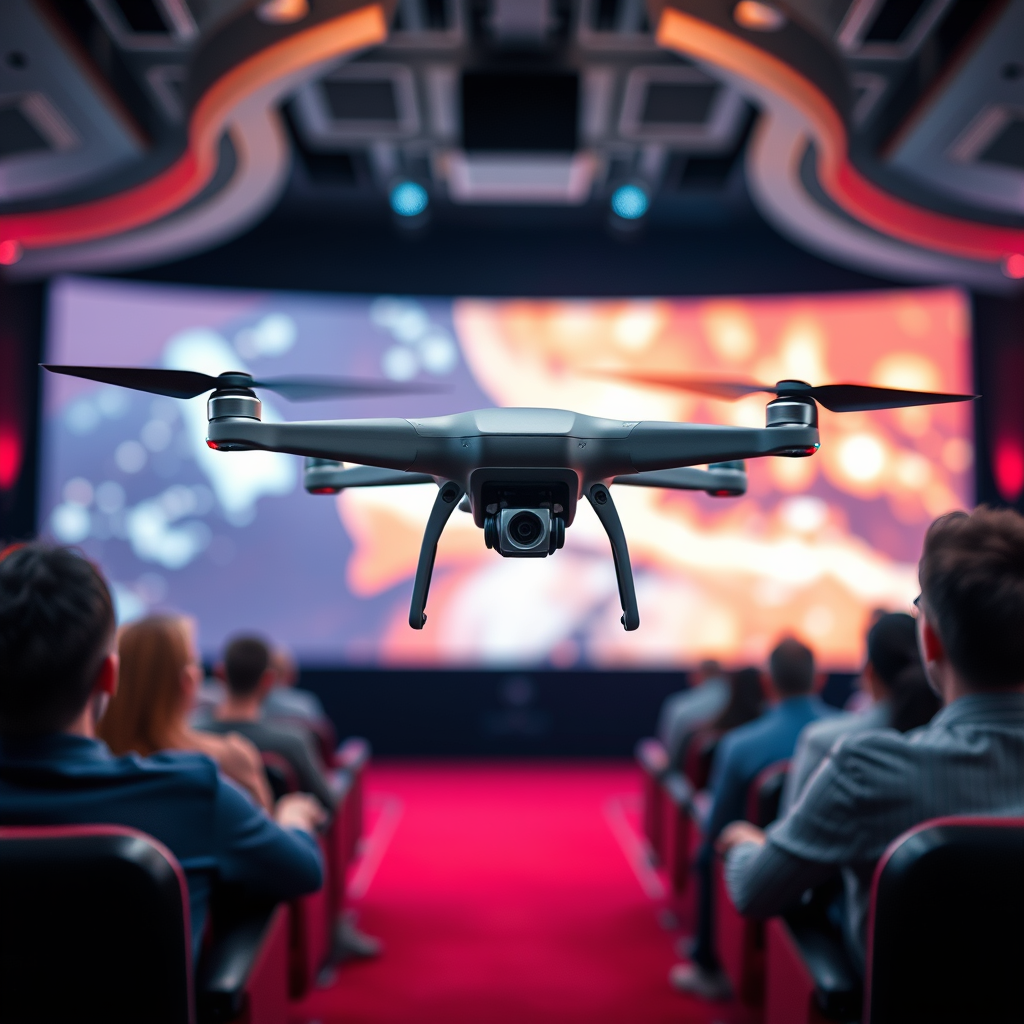
Most consumer drones can fly between 1 to 7 miles, depending on various factors such as the drone model, battery life, and environmental conditions. Understanding these factors can help you maximize your drone’s range and performance, ensuring that you get the most out of your flying experience. As the popularity of drones continues to rise, it’s essential for both hobbyists and professionals to grasp the intricacies of drone flight range and the elements that can enhance or hinder their capabilities.
Understanding Drone Range
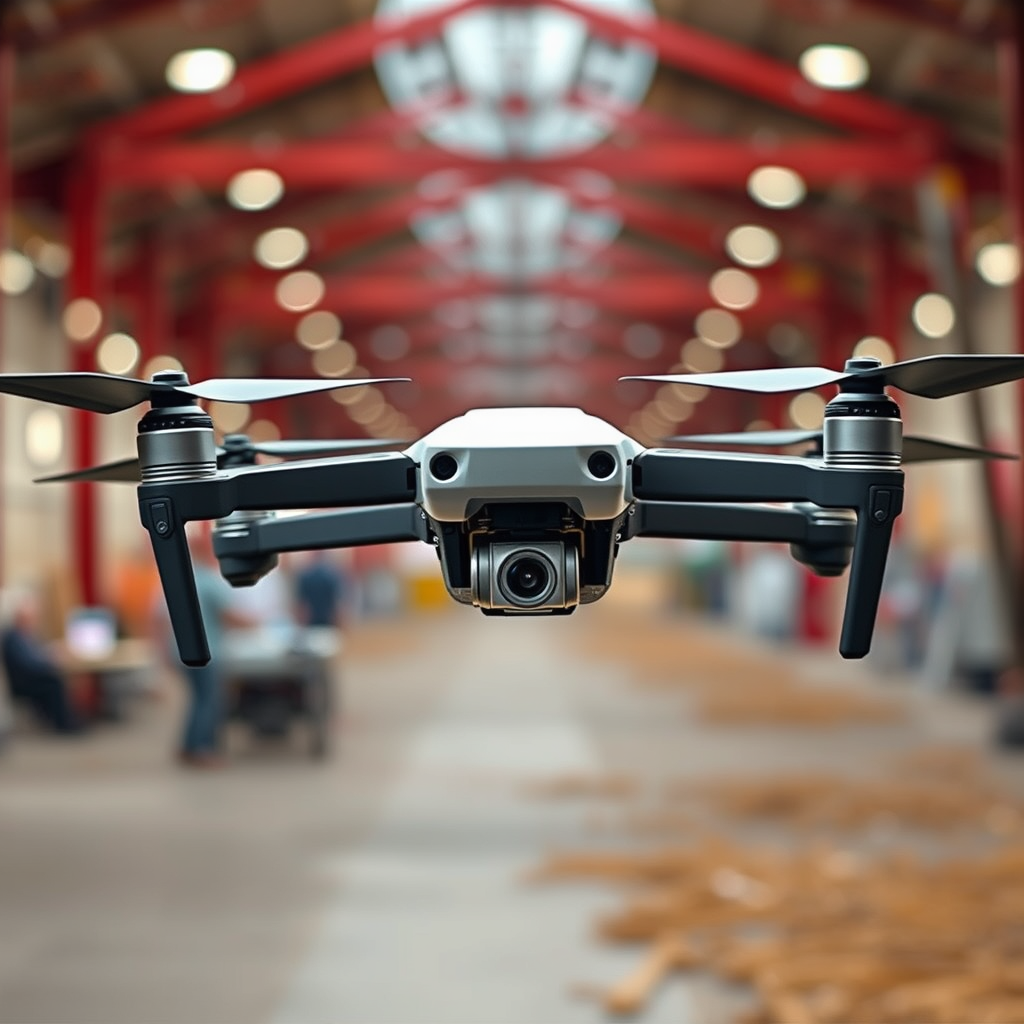
The range of a drone can vary significantly based on its type and intended use. For instance, toy drones often have a limited flight range, typically less than a mile, due to their simplified designs and lower-powered components. In contrast, professional-grade drones, such as those used for aerial photography or surveying, can achieve impressive ranges of up to 7 miles or more. The range is influenced by several key factors, including signal strength and battery capacity.
Signal strength is primarily determined by the transmission technology used, which can include Wi-Fi, radio frequency, or cellular connections. High-end drones often utilize advanced transmission systems like OcuSync or Lightbridge, which enhance communication over long distances. Battery capacity also plays a crucial role; drones equipped with larger batteries can sustain longer flights, directly impacting the maximum distance achievable. Understanding these distinctions is vital for selecting the right drone for your specific needs and ensuring optimal performance during flights.
Regulatory Limits on Drone Flight
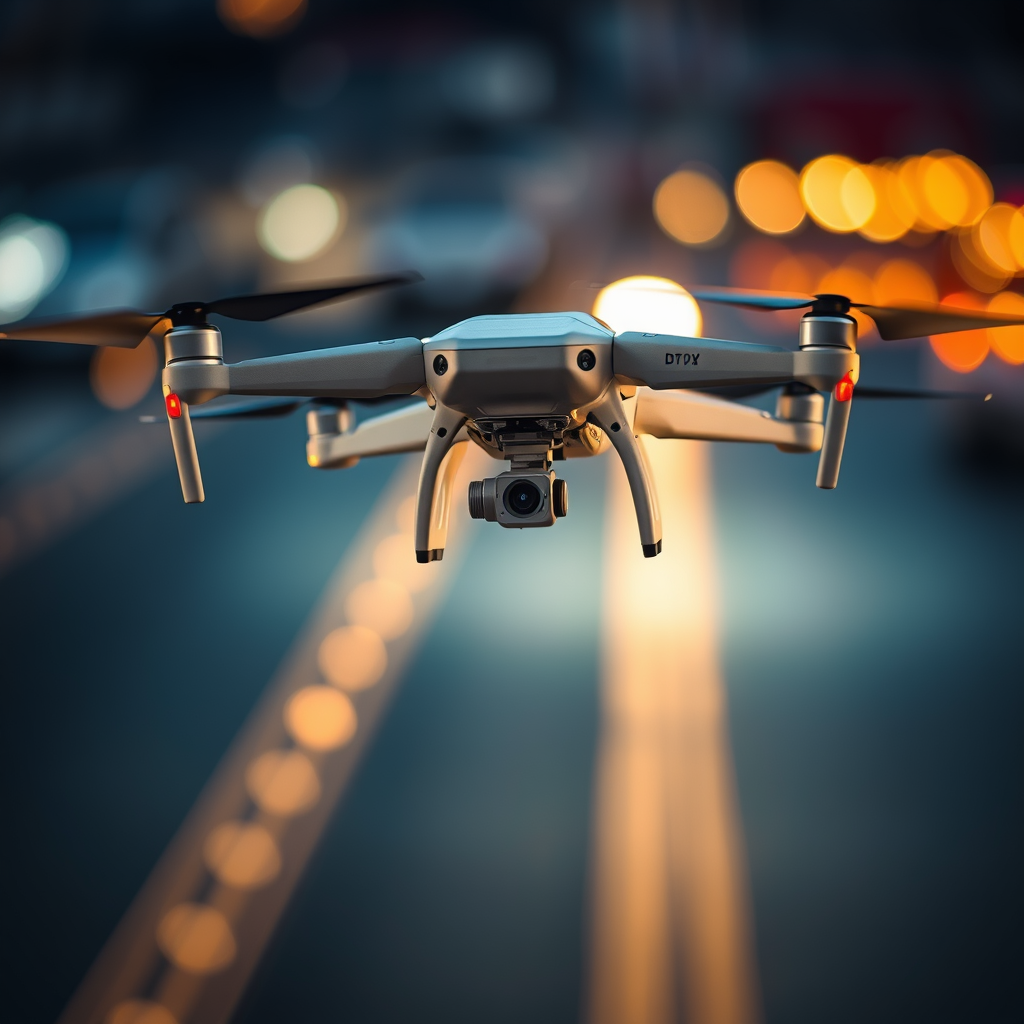
When considering how far you can fly your drone, it’s imperative to be aware of regulatory limits that may apply. In the United States, the Federal Aviation Administration (FAA) restricts drone flight to a maximum altitude of 400 feet above ground level. This regulation is intended to prevent interference with manned aircraft and to maintain safety in the airspace. Additionally, local laws may impose further restrictions based on geographic areas, such as near airports, national parks, or densely populated locations.
For drone operators, compliance with these regulations is non-negotiable. Failing to adhere to the rules can result in fines, confiscation of equipment, and potential legal repercussions. Therefore, before embarking on any flight, it’s essential to check both federal and local regulations to ensure that you are operating within the law.
Environmental Factors Affecting Range
The environment in which a drone operates can significantly influence its flight range. Weather conditions are one of the most critical factors; strong winds can greatly impact a drone’s ability to maintain stability and control, potentially leading to a shorter flight range. Rain and extreme temperatures can also affect battery performance, ultimately reducing the distance a drone can fly. For example, lithium polymer batteries, common in many drones, tend to lose efficiency in cold weather, leading to shorter flight times and ranges.
Moreover, the geographical landscape where you fly can present additional challenges. Urban environments filled with tall buildings can obstruct signals, causing interruptions in communication between the drone and the remote controller. This interference can lead to reduced flight range and even loss of control in some cases. Pilots should consider these environmental factors carefully and choose optimal flying conditions to maximize their drone’s range.
Battery Life and Performance
Battery life is one of the most critical determinants of how far a drone can fly. The capacity of a drone’s battery, typically measured in milliamp hours (mAh), directly correlates with the duration of flight time. Most consumer drones offer flight times between 20 to 30 minutes on a full charge, but this can vary significantly depending on the drone’s weight, weather conditions, and flying style.
To extend your drone’s operational range, it is essential to manage battery usage effectively. Strategies include flying at optimal speeds, avoiding rapid ascents or descents, and minimizing the use of power-intensive features such as high-resolution cameras or GPS. Additionally, investing in spare batteries can help ensure that you have enough power for longer flights, enabling you to explore further without the constant need for recharging.
Enhancements for Increased Range
For those looking to push the limits of their drone’s flight range, several enhancements can be made. Using high-gain antennas or signal boosters can significantly improve communication distance between the drone and the controller. These devices amplify the signal strength, reducing the likelihood of interference and extending the operational range.
Moreover, keeping your drone’s firmware updated is crucial for optimizing performance. Manufacturers regularly release updates that enhance flight stability and extend range capabilities. Some drone enthusiasts also explore modifications, such as changing out the stock antennas for higher-performance options, to achieve even greater distances. However, these modifications should be approached with caution, as they may void warranties or contravene regulations.
Tips for Maximizing Drone Flight Distance
To maximize your drone’s flight distance, it is essential to conduct thorough pre-flight checks. Ensure that the drone is in optimal condition, with fully charged batteries and calibrated sensors. Planning your flight path in advance can also help avoid obstacles and maximize distance. Utilize tools like drone mapping software to chart a course that minimizes signal interference and maximizes open airspace.
Additionally, familiarize yourself with your drone’s features and settings. Many drones offer flight modes that can optimize performance for distance, such as a “long-range” mode that reduces power usage. Understanding these functionalities can provide significant advantages when attempting longer flights.
In conclusion, while the distance you can fly a drone varies greatly based on multiple factors, understanding these elements can help you push your drone’s limits safely and legally. By being aware of drone range, regulatory limits, environmental factors, battery performance, and enhancement options, you can ensure a successful flying experience. Always stay informed about regulations and best practices to optimize your drone’s performance and enjoy the thrill of flight to its fullest extent.
Frequently Asked Questions
What is the maximum distance a consumer drone can fly?
The maximum distance a consumer drone can fly varies significantly based on the model, battery life, and environmental conditions. Generally, most consumer drones have a range of about 1 to 5 miles, with some high-end models capable of flying up to 7 miles. However, keep in mind that flying beyond visual line of sight (BVLOS) may violate local regulations, so always check your local laws before flying.
How does altitude affect the flying distance of a drone?
Altitude can significantly impact a drone’s flying distance due to changes in air density and potential obstacles. Generally, flying higher can increase range as there are fewer obstacles and less interference from buildings and trees. However, be mindful of local regulations regarding altitude limits, as many countries restrict drone flights to a maximum of 400 feet above ground level.
Why do some drones have a longer flight range than others?
The flight range of drones primarily depends on their transmitter technology, battery capacity, and design. Drones equipped with advanced communication systems like OcuSync or Lightbridge can maintain a stable connection over greater distances compared to those using basic Wi-Fi. Additionally, drones with larger batteries can sustain longer flights, allowing for extended ranges and enhanced performance.
What are the best practices for maximizing a drone’s flying distance?
To maximize your drone’s flying distance, ensure that your drone is fully charged and well-maintained, as battery health directly impacts range. Additionally, flying in open areas away from large structures and using GPS mode can help maintain a stable connection, effectively extending the operational distance. Avoid flying in areas with significant interference, such as near radio towers or Wi-Fi networks, to enhance signal strength.
Which factors can limit the flying distance of a drone?
Several factors can limit the flying distance of a drone, including battery life, signal interference, environmental obstacles, and local regulations. Weather conditions like wind and rain can also affect flight performance and range. Furthermore, the drone’s weight and payload can reduce its flight time and distance, so it’s essential to consider these factors when planning your drone flights.
References
- https://en.wikipedia.org/wiki/Drone_flight_range
- https://www.faa.gov/uas/getting_started/part_107
- https://www.nasa.gov/mission_pages/aircraft/aircraft_drones.html
- https://www.nytimes.com/2021/09/16/technology/drone-regulations.html
- https://www.theguardian.com/us-news/2020/aug/20/us-drone-regulations-faa
- https://www.nerdwallet.com/article/investing/drone-usage-guide
- https://www.ncbi.nlm.nih.gov/pmc/articles/PMC7267268/
- https://www.purdue.edu/discoverypark/energy/initiatives/drones.html
