
A drone license opens the door to a multitude of exciting opportunities across various fields. With the proper certification, individuals can operate drones for commercial purposes, engage in recreational activities, and explore innovative applications that enhance productivity and creativity. This article delves into the diverse applications and benefits of obtaining a drone license, showcasing how it can transform both professional and personal pursuits.
Commercial Photography and Videography
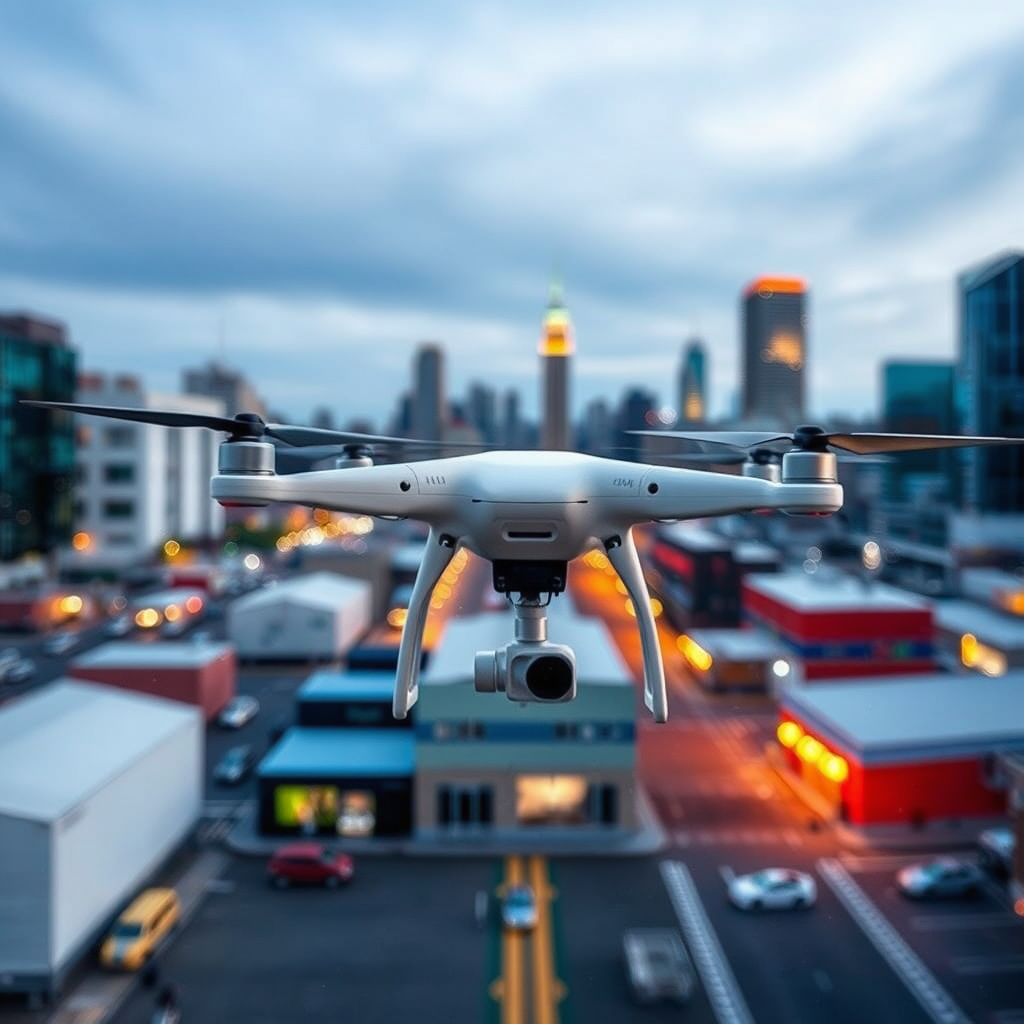
One of the most popular applications for licensed drone operators is commercial photography and videography. Drones equipped with high-quality cameras can capture stunning aerial shots that are often unattainable through traditional photography methods. For example, real estate agents increasingly utilize drone footage to provide potential buyers with breathtaking views of properties and their surroundings, significantly enhancing listings.
Weddings and events are another area where drone services shine. Aerial videography can add a unique perspective to wedding films or event coverage, creating dynamic content that captures the essence of the day from above. Moreover, film and television productions are tapping into drone technology to acquire aerial footage for documentaries, commercials, and feature films. The ability to provide cinematic shots at a fraction of the cost of hiring a helicopter makes drones an invaluable tool in the media landscape.
Surveying and Mapping
Drones have revolutionized the fields of surveying and mapping, providing an efficient and cost-effective means of collecting data. Licensed drone operators can perform land surveys and create accurate topographical maps, which are crucial for construction projects, urban planning, and environmental studies. For instance, companies like Kespry have pioneered drone-based solutions for aggregate and mining site mapping, reducing the time and resources required for traditional surveying methods.
In addition to mapping, drones facilitate the inspection of infrastructure, such as bridges, power lines, and pipelines. Equipped with high-resolution cameras and sensors, drones can identify potential issues, such as wear and tear or structural anomalies, without the need for extensive scaffolding or manual inspections. This not only enhances safety but also streamlines maintenance processes, allowing for quicker responses to critical repairs.
Agriculture and Farming
The agricultural sector has embraced drone technology to improve crop monitoring and management practices significantly. With a drone license, operators can use aerial imagery to assess crop health, identify areas needing irrigation, and track the effectiveness of fertilizers. For example, companies like PrecisionHawk provide drone services that analyze crop data, allowing farmers to make informed decisions that enhance yield and reduce costs.
Moreover, the implementation of precision agriculture techniques, such as variable rate application, allows farmers to apply resources like water and fertilizers more efficiently. By leveraging the insights gained from drone data, farmers can optimize their operations, ultimately leading to more sustainable practices and improved profitability.
Search and Rescue Operations
Drones play a crucial role in search and rescue operations, where time is often of the essence. Licensed drone operators can assist emergency services in locating missing persons or assessing disaster areas. For instance, during natural disasters such as hurricanes or wildfires, drones can provide aerial views of affected regions, helping first responders strategize their efforts effectively.
Organizations like the Civil Air Patrol utilize drones for search and rescue missions, demonstrating how aerial technology can enhance coordination and situational awareness. Drones equipped with thermal imaging cameras can locate individuals in challenging environments, significantly improving rescue outcomes and saving lives.
Delivery Services
The logistics industry is rapidly evolving, and drone delivery is at the forefront of this transformation. With a drone license, individuals can explore opportunities in package and medical supply delivery, joining companies that are pioneering this exciting frontier. For example, companies like Zipline have successfully implemented drone delivery systems for medical supplies in remote areas, showcasing the potential for drones to solve logistical challenges.
As businesses continue to innovate, licensed drone operators can collaborate with companies exploring creative logistics solutions, such as last-mile deliveries. This burgeoning field not only presents opportunities for entrepreneurship but also aligns with global efforts to reduce carbon footprints and enhance delivery efficiency.
Environmental Monitoring
Drones are becoming indispensable tools for environmental monitoring, enabling the collection of critical data for wildlife conservation, deforestation assessment, and climate change impact studies. With a drone license, operators can engage in aerial surveys that provide valuable insights into ecosystems, helping organizations develop strategies for preservation and restoration.
For instance, organizations like Conservation Drones use drone technology to monitor wildlife populations and assess habitat destruction. By gathering data from hard-to-reach areas, drones empower conservationists to make informed decisions that support biodiversity and sustainability efforts.
Recreational Use
Beyond professional applications, a drone license offers individuals the freedom to engage in recreational activities. Drone enthusiasts can fly their drones for personal enjoyment, participate in racing events, or create unique aerial photography that captures stunning landscapes from new perspectives. The popularity of drone racing leagues, such as the Drone Racing League (DRL), has surged, providing a platform for competitive flying and community engagement.
Moreover, community events and competitions focused on drone flying foster camaraderie among enthusiasts. These gatherings not only celebrate the joy of flying but also encourage the sharing of knowledge and skills among participants, enriching the overall experience.
In conclusion, obtaining a drone license can significantly expand your skill set and open up numerous avenues for work and play. Whether you aspire to pursue a career in commercial photography, surveying, agriculture, or environmental monitoring, or simply wish to enjoy the recreational aspects of drone flying, the possibilities are vast and exciting. By considering the diverse applications of a drone license, individuals can unlock a wealth of opportunities that enhance both their professional and personal lives.
Frequently Asked Questions
What can you do with a drone license?
A drone license allows you to operate drones for various purposes legally and responsibly. With this certification, you can engage in commercial activities such as aerial photography, surveying land, inspecting infrastructure, and conducting agricultural assessments. Additionally, licensed drone operators can offer services in filmmaking, real estate marketing, and environmental monitoring, making it a versatile asset for numerous industries.
How can a drone license benefit my business?
Obtaining a drone license can significantly enhance your business by providing a competitive edge and opening new revenue streams. Businesses can utilize licensed drone operators for efficient data collection, improved marketing visuals, and cost-effective inspections. Moreover, having a certified drone pilot on staff can increase client trust and ensure compliance with local regulations, ultimately leading to better business opportunities and growth.
Why is it essential to have a drone license for commercial use?
A drone license is essential for commercial use because it ensures that operators adhere to FAA regulations, which are designed to promote safety in the airspace. Operating drones without a license can lead to hefty fines, legal issues, and insurance complications. Furthermore, having a license demonstrates professionalism and reliability to potential clients, which is crucial in building a reputable business.
What are the best practices for using a drone after obtaining a license?
After obtaining a drone license, best practices include staying informed about local airspace regulations, conducting pre-flight checks, and understanding weather conditions before each flight. It’s also important to maintain your drone regularly and log flight hours to ensure safety and compliance. Additionally, always respect privacy laws and obtain necessary permissions when capturing images or videos in populated areas.
Which industries benefit the most from licensed drone operators?
Several industries benefit significantly from licensed drone operators, including real estate, agriculture, construction, and film production. In real estate, aerial photography can enhance listings and attract buyers, while in agriculture, drones can monitor crop health and optimize yields. The construction industry uses drones for site surveying and progress tracking, and filmmakers often rely on drones for stunning aerial shots, making licensed drone services invaluable across these sectors.
References
- https://www.faa.gov/uas/getting_started/part_107
- https://www.nasa.gov/feature/what-you-can-do-with-a-drone
- https://www.theguardian.com/us-news/2021/may/03/drones-commercial-licenses
- https://en.wikipedia.org/wiki/Drone
- https://www.techrepublic.com/article/how-to-get-a-drone-license-and-what-you-can-do-with-it/
- https://www.usc.edu/engineering/research/aviation/drone-licensing
- https://www.forbes.com/sites/forbestechcouncil/2022/03/22/what-you-can-do-with-a-drone-license/
- https://www.dronepilotgroundschool.com/drone-license-benefits/
