
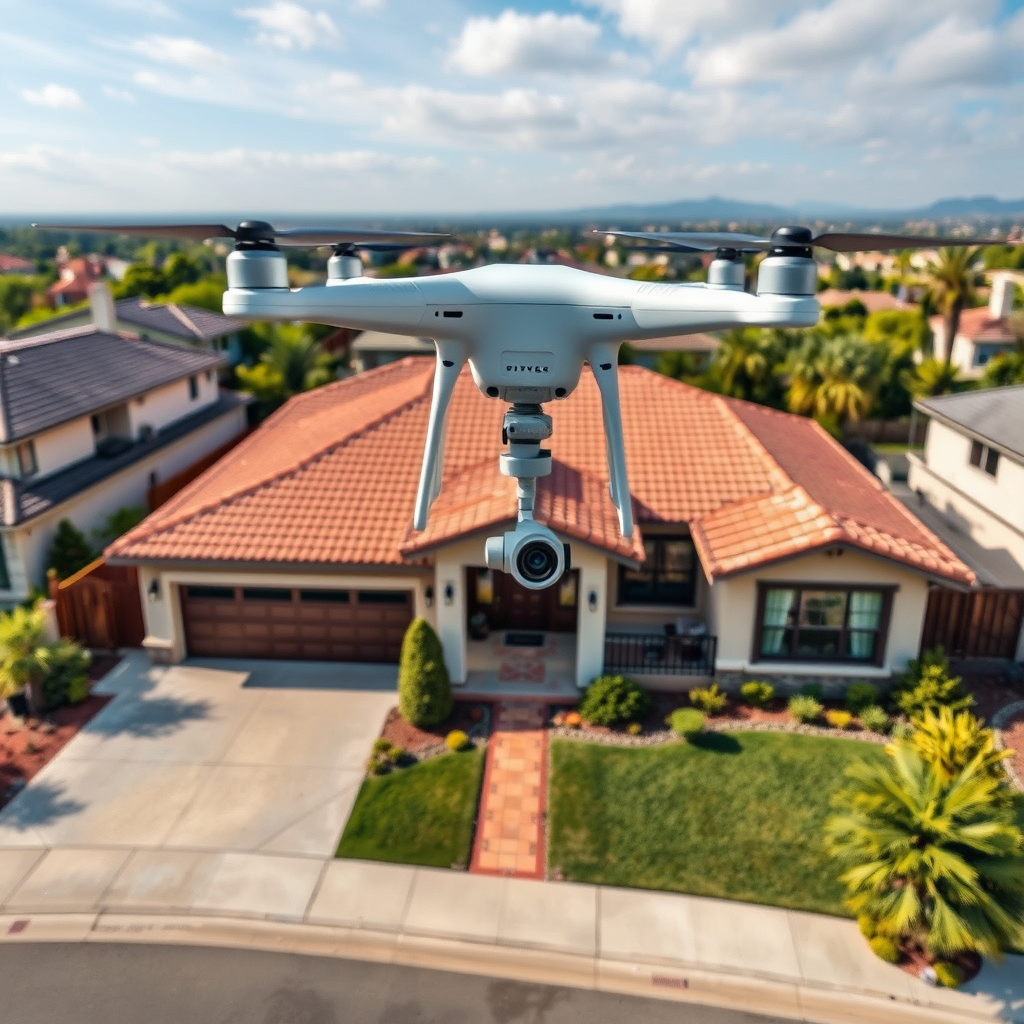
Yes, you can shoot a drone over your property in California, but there are specific laws and regulations that you must adhere to. Understanding these guidelines is crucial to avoid legal issues while exercising your property rights. In California, the complex interplay of federal and state laws means that property owners must navigate a legal landscape that protects both their rights and the rights of drone operators. This blog post will provide a comprehensive overview of the regulations surrounding drone usage over private property in California and the implications of taking drastic actions against drones.
Understanding Drone Regulations
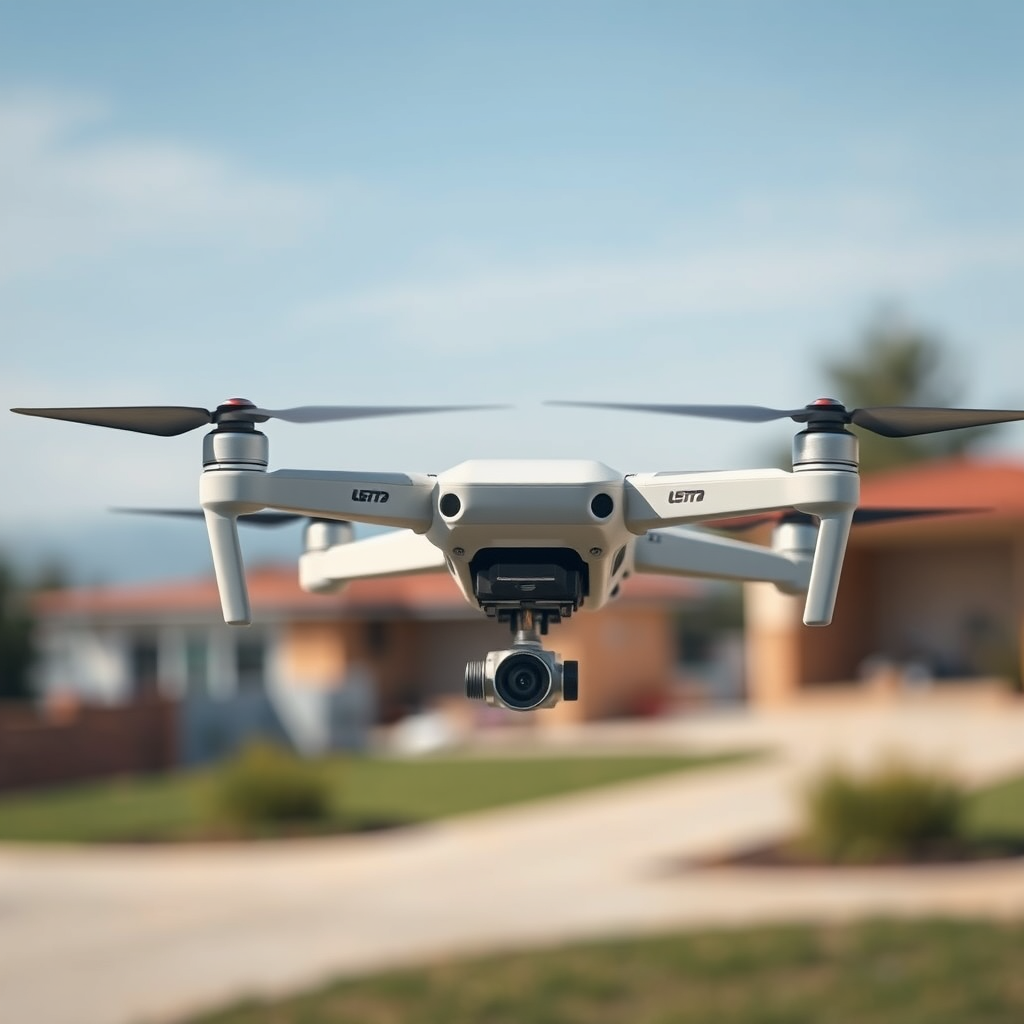
The Federal Aviation Administration (FAA) is the principal body that regulates drone operations in the United States, including California. Drones, or unmanned aerial vehicles (UAVs), fall under specific categories that dictate where and how they can be flown. According to FAA regulations, drones must be flown within the operator’s line of sight, below a certain altitude (generally 400 feet), and away from populated areas, unless the operator possesses a special waiver.
In addition to federal regulations, California state laws impose restrictions that may affect drone usage. For instance, California has established no-fly zones, particularly near airports, military bases, and wildlife preserves. Furthermore, California’s privacy laws are stringent, which means drone operators must be cautious about capturing images of individuals or private property without consent. Violating these regulations can result in fines and potential criminal charges, making it essential for drone operators to be well-informed about the laws governing their activities.
Property Rights and Airspace

As a property owner in California, you do possess rights to the airspace above your property; however, these rights are not absolute and are heavily influenced by FAA regulations. Generally, property owners are understood to have rights extending to the “immediate reaches” of the airspace above their land, which can be up to a few hundred feet. However, this airspace is shared with public air traffic and must accommodate safety regulations.
The legal concept known as “navigable airspace” allows for the use of airspace by aircraft operating under federal regulations, which includes drones. Consequently, property owners cannot simply assume they have complete authority over this airspace. The FAA’s jurisdiction over drone operations means that while you may have rights to the airspace, you cannot enforce those rights in a way that contravenes federal regulations. This delicate balance highlights the importance of understanding both your property rights and the broader aviation laws.
Legal Consequences of Shooting a Drone
Taking drastic measures, such as shooting down a drone, can lead to serious legal consequences. Under California law, shooting a drone can be classified as vandalism, destruction of property, or even illegal discharge of a firearm, depending on the circumstances. Engaging in such actions can result in criminal charges, fines, and potential civil liability.
Moreover, if the drone is owned by someone who can prove it was operating legally—such as adhering to FAA regulations and not infringing on privacy laws—you may find yourself embroiled in a legal battle. The drone operator could pursue damages for the destruction of their property, leading to expensive legal fees and complications. Thus, while the frustration of unwanted drone activity is understandable, resorting to violence is not a viable solution and could ultimately backfire.
Privacy Considerations
California has some of the most robust privacy laws in the United States, particularly concerning surveillance and the use of drones. The California Civil Code explicitly prohibits the use of drones for unlawful surveillance, and individuals have the right to protect their privacy from unwarranted intrusion. If a drone is capturing images or video of you or your property without consent, there may be grounds for legal action.
For example, if a drone operator is using their UAV to film your backyard or your private activities without your permission, you could report them for violating California’s privacy laws. This could lead to penalties against the drone operator, as well as potential civil action for damages. Understanding these privacy considerations is essential for both property owners and drone operators to navigate the legal landscape effectively.
Alternatives to Shooting a Drone
Instead of resorting to shooting a drone, property owners should consider more constructive alternatives to address unwanted drone activity. One of the most effective methods is to contact local authorities or law enforcement to report any suspected violations of drone regulations. Law enforcement can investigate the situation and take appropriate action if the drone is found to be operating illegally.
Additionally, there are non-lethal deterrents and signal devices available that can help communicate your disapproval of a drone’s presence without causing harm. For example, using reflective surfaces or sound deterrents can signal to the drone operator that their activity is unwelcome. These alternatives promote safety and legal compliance while still allowing property owners to protect their privacy and property rights.
Seeking Professional Advice
Given the complexities of drone laws and regulations in California, it is wise to seek professional legal advice if you have concerns about drone activity over your property. Consulting with an attorney who specializes in aviation law or property rights can provide clarity on your rights and responsibilities. They can help you understand the nuances of both federal and state laws, ensuring you are well-equipped to handle any issues that may arise.
Moreover, it is essential to stay informed about ongoing legislative changes regarding drone usage in California. Laws and regulations are evolving rapidly as drone technology advances, and being proactive about understanding these changes can help you navigate potential conflicts more effectively.
In conclusion, while you may have the right to defend your property, shooting a drone can lead to serious legal repercussions. It is essential to understand the laws surrounding drone operation and consider safer alternatives for addressing unwanted drone activity. Engaging with local authorities, employing non-lethal deterrents, and seeking legal advice are all prudent steps that can help you protect your rights without resorting to violence. Always remain informed and proactive in understanding your rights as a property owner in California, especially as drone technology continues to evolve.
Frequently Asked Questions
Can I legally fly a drone over my own property in California?
Yes, as a property owner in California, you have the legal right to fly a drone over your own land, provided you comply with local, state, and federal regulations. This includes following FAA guidelines regarding altitude restrictions and airspace regulations, as well as any local ordinances that may be in place. Always ensure that your drone is registered and that you have the necessary permits if you plan to use it for commercial purposes.
What are the restrictions for flying a drone over residential areas in California?
In California, flying a drone over residential areas comes with specific restrictions to ensure the safety and privacy of residents. Drones must not be flown higher than 400 feet above ground level, and operators should maintain a visual line of sight. Additionally, it’s crucial to avoid flying over private property without permission, as this can lead to potential privacy violations and legal issues.
How can I ensure I am flying my drone legally and safely over my property in California?
To fly your drone legally and safely over your property in California, start by registering your drone with the FAA if it weighs more than 0.55 pounds. Familiarize yourself with the FAA’s Part 107 rules, which govern commercial drone use, and adhere to guidelines about airspace restrictions, such as avoiding flying near airports or in restricted zones. Always check for local laws and regulations that may impose additional restrictions on drone operations.
Why is it important to check local laws before flying a drone over my property?
Checking local laws before flying a drone over your property is crucial as regulations can vary significantly by city or county. Local ordinances may impose stricter rules regarding altitude limits, flight times, or designated no-fly zones, such as near schools or parks. By staying informed about these laws, you can avoid fines, legal disputes, and potential harm to others, ensuring a safe and responsible flying experience.
What should I do if a neighbor complains about my drone flying over their property?
If a neighbor complains about your drone flying over their property, it’s essential to approach the situation calmly and respectfully. Engage in a conversation to understand their concerns, as some people may feel uncomfortable with drones due to privacy issues or safety worries. If necessary, consider adjusting your flight path or altitude to minimize disruption, and ensure you’re adhering to all laws and regulations to maintain a good relationship with your neighbors.
References
- https://www.faa.gov/uas/
- https://www.nolo.com/legal-encyclopedia/drone-laws-california-367970.html
- https://www.cdpr.ca.gov/docs/enforce/drones.htm
- https://www.law.berkeley.edu/research/centers/berkeley-center-for-law-and-technology/
- https://www.nytimes.com/2021/06/23/us/drone-laws-california.html
- https://www.cga.ct.gov/2022/rpt/2022-R-0201.htm
