
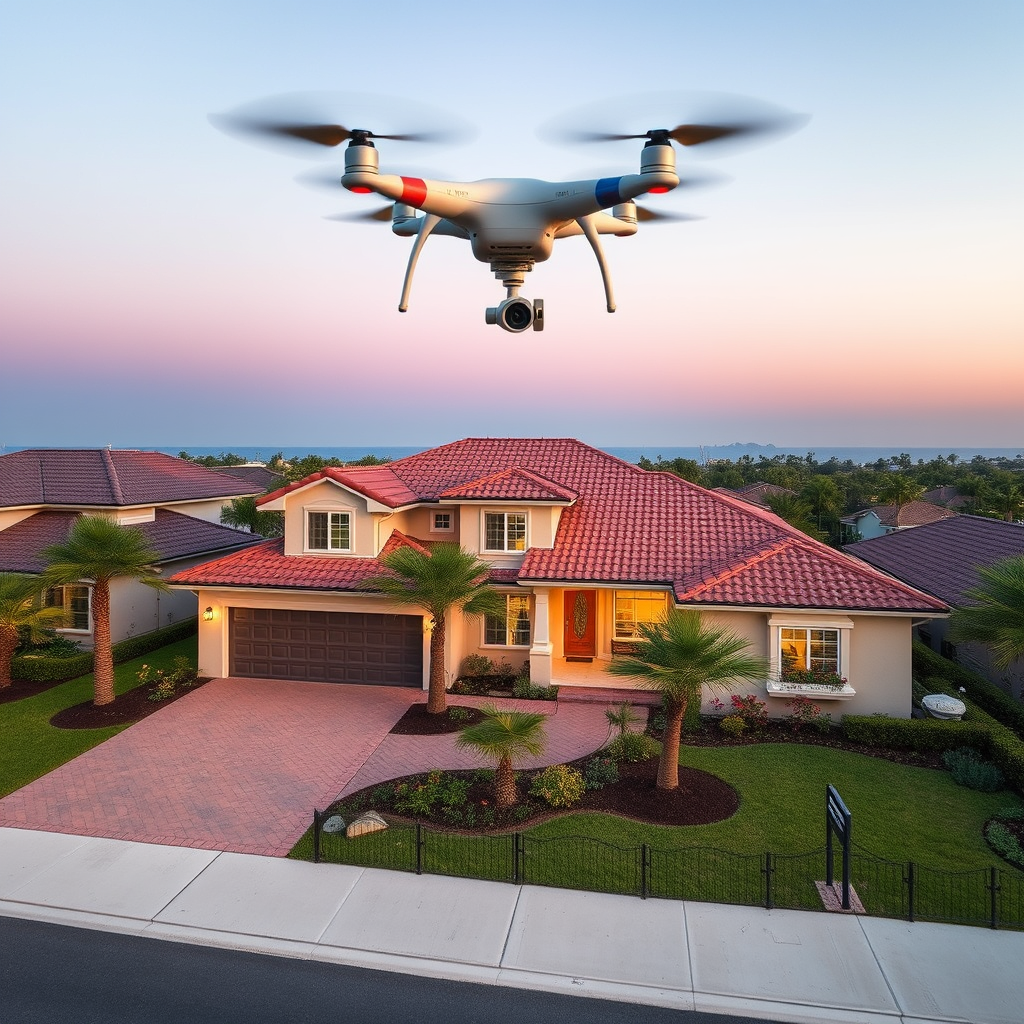
Yes, you can shoot a drone over your property in Florida, but there are important regulations and considerations to keep in mind. Understanding these can help you avoid legal issues while enjoying your rights as a property owner. The interaction between property rights and airspace regulations can be complex, and missteps can lead to serious legal repercussions. As drone technology continues to evolve and proliferate, it is essential to familiarize oneself with both federal and state laws that govern drone operations.
Understanding Drone Regulations in Florida
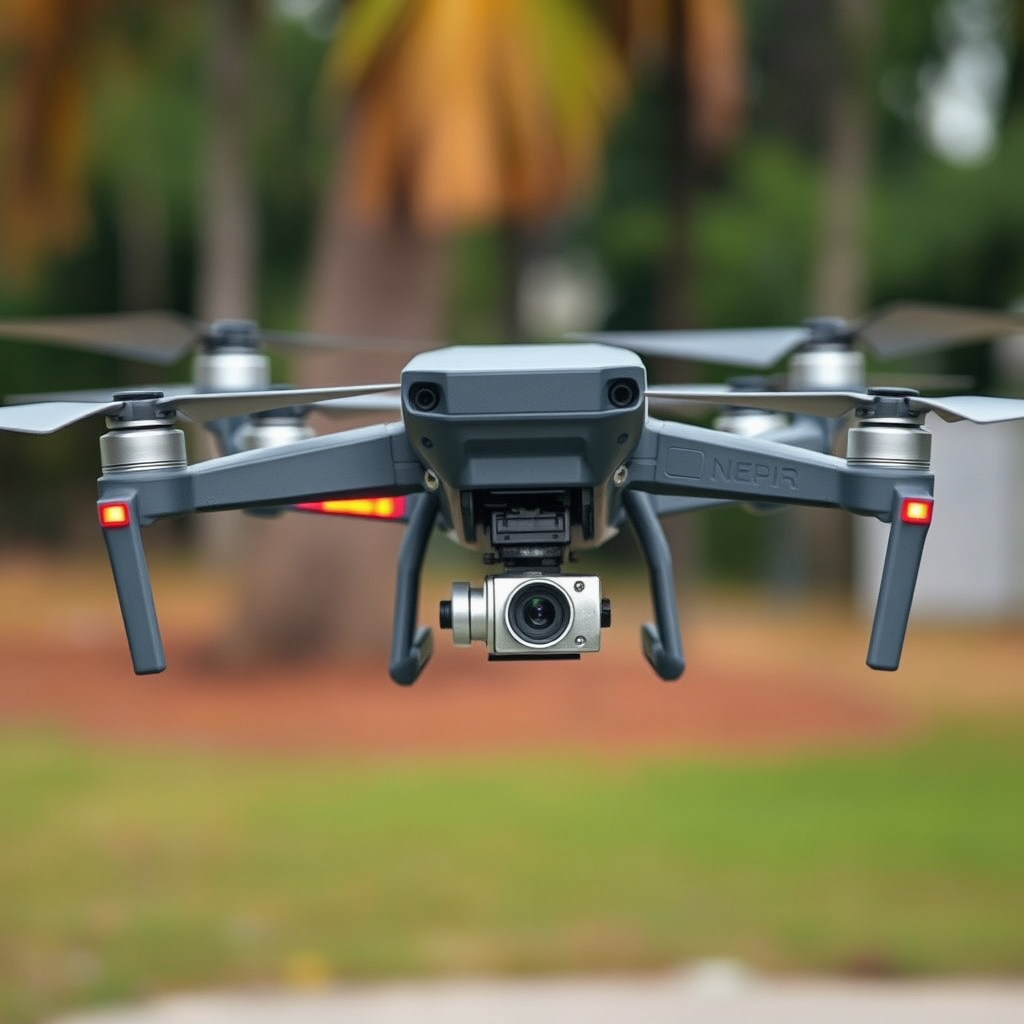
The Federal Aviation Administration (FAA) is the primary regulatory body overseeing the use of airspace in the United States, which includes the operation of drones. Under the FAA regulations, all drone operators must adhere to specific guidelines, especially regarding altitude limits, no-fly zones, and safety protocols. In Florida, state law complements these federal regulations, emphasizing that drone activity must be conducted safely and responsibly. For instance, Florida Statutes § 934.50 outlines privacy protections against drone surveillance, but also emphasizes that airspace above your property is not entirely yours; the FAA retains authority over navigable airspace.
Property owners should be aware that the airspace directly above their land is subject to federal jurisdiction, which means they cannot exercise complete control over drone activity. The FAA has established that a drone flying at altitudes below 400 feet is typically operating within permissible airspace, provided it adheres to applicable laws. Hence, while you may feel justified in wanting to shoot down a drone over your property, such an action could lead to significant legal challenges.
Your Rights as a Property Owner
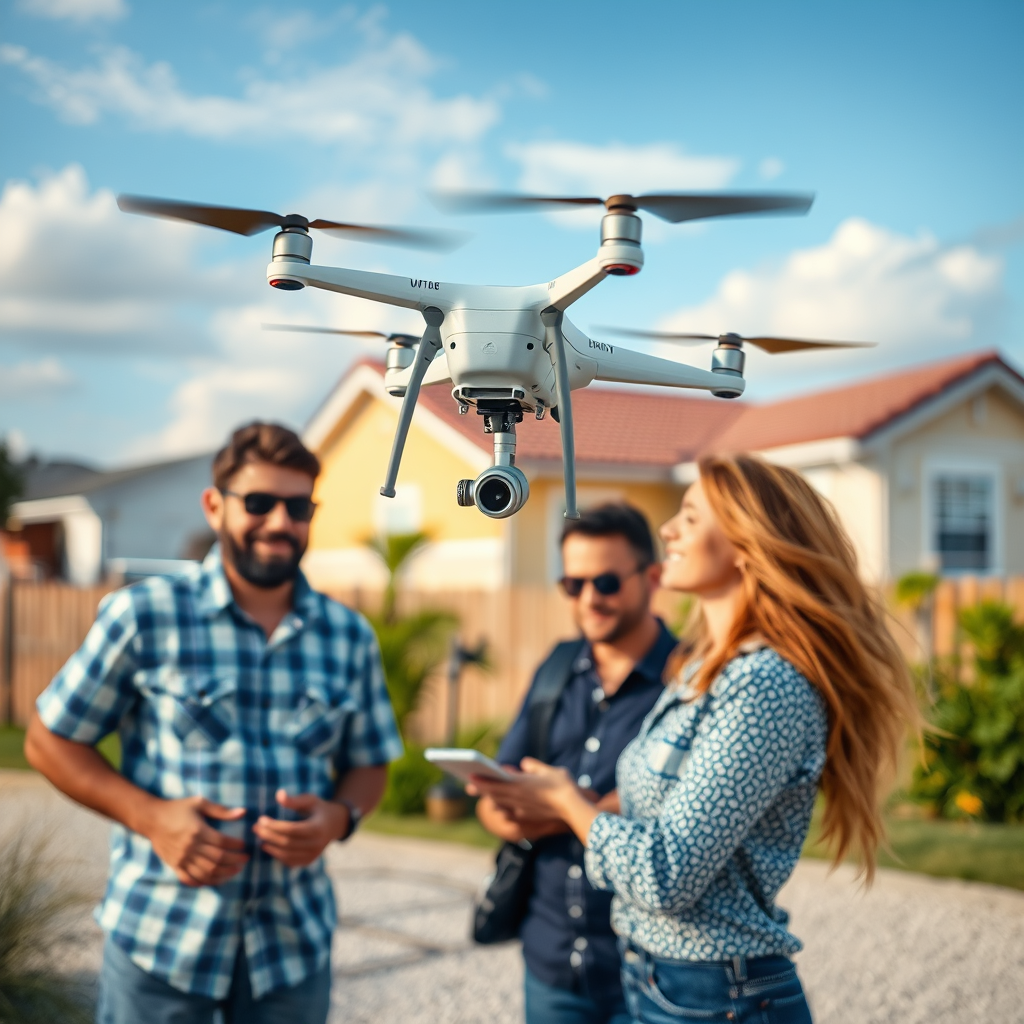
As a property owner in Florida, you do have certain rights regarding the airspace above your land, but it is crucial to understand the limitations of these rights. The concept of “airspace rights” typically does not extend infinitely; you have rights up to a certain height, and the FAA retains regulatory authority for airspace management. This means that while you may seek to protect your property from unwanted drone surveillance or intrusions, taking extreme measures—such as shooting down a drone—could infringe on federal laws.
Additionally, Florida law recognizes the importance of privacy and property rights, but these may not effectively justify shooting a drone unless there is a clear, immediate threat to your safety or property. It is advisable to consult legal counsel if you feel that a drone is violating your rights or privacy, rather than taking matters into your own hands.
Potential Consequences of Shooting a Drone
The consequences of shooting a drone can be severe and multifaceted. First and foremost, damaging a drone can result in civil liability for the property owner. If the drone is owned by an individual or a company, you could face lawsuits for property damage, which can be financially burdensome. Furthermore, the FAA has guidelines that prohibit the destruction of drones, and violating these rules could lead to hefty fines.
In addition to civil liabilities, there is the potential for criminal charges if your actions are deemed reckless or endanger others. For instance, discharging a firearm in an unsafe manner could lead to felony charges, especially if someone is injured in the process. Law enforcement agencies are increasingly aware of drone-related incidents, and they may take a strong stance against individuals who choose to engage in dangerous confrontations with drone operators.
Alternatives to Shooting a Drone
Instead of resorting to shooting a drone, consider several alternatives to address your concerns. If you believe a drone is operating without authorization or invading your privacy, report the activity to local law enforcement or the FAA. These authorities have procedures for investigating unauthorized drone use and can take appropriate action on your behalf.
Another option is to utilize technology or apps designed to track and identify drone activity. Platforms such as AirMap and DroneDeploy can help you monitor drone flights in your vicinity. By understanding when and where drones are operating, you can take proactive steps to address any issues without escalating conflicts.
Legal Precedents and Cases in Florida
In Florida, several legal precedents can help inform your understanding of how courts have ruled on drone-related issues. One notable case is Nollan v. California Coastal Commission, which established that property owners have rights extending to certain airspace above their land. However, courts have also maintained the FAA’s authority over navigable airspace, complicating matters for property owners seeking to assert dominance over drone flights.
Another relevant case is Davis v. City of Jacksonville, where the court ruled in favor of a property owner who claimed that drone surveillance constituted an invasion of privacy. This case illustrates the importance of privacy rights but also underscores that property owners must navigate a complex legal landscape when it comes to airspace and drone activity. Understanding these legal nuances can help you make informed decisions regarding drone interactions.
Practical Tips for Property Owners
To navigate the complexities of drone ownership and operation effectively, property owners should consider a few practical tips:
1. Stay Informed: Regularly update yourself on local ordinances and regulations concerning drone use. Laws can vary by municipality, and staying informed will help you understand your rights and responsibilities.
2. Open Communication: If you encounter a drone operator, consider engaging in a constructive dialogue. Many drone enthusiasts are respectful and may not realize they are infringing on your privacy or rights.
3. Document Incidents: If you experience repeated drone disturbances, document the incidents with photos or videos. This evidence can be useful if you decide to report the activity or seek legal counsel.
4. Consult Legal Experts: If you feel unsure about your rights or how to handle drone-related issues, consult with a legal expert specializing in property and aviation law.
In conclusion, while you have some rights as a property owner regarding drones flying over your land in Florida, it’s crucial to approach the situation carefully. Understanding the intricacies of drone regulations, recognizing the potential consequences of your actions, and exploring alternative solutions can prevent unnecessary complications. Engaging in dialogue or pursuing legal channels rather than direct confrontation can help ensure that your rights are preserved while maintaining safety and harmony within your community.
Frequently Asked Questions
Can I fly a drone over my property in Florida?
Yes, you can fly a drone over your property in Florida, but there are important regulations to consider. The Federal Aviation Administration (FAA) governs airspace and requires that all drone operators comply with safety guidelines. It’s essential to register your drone if it weighs more than 0.55 pounds and to follow any local laws that may restrict drone use in certain areas.
What are the local laws regarding drone use in Florida?
In Florida, local laws may vary by city or county, so it’s crucial to check the regulations specific to your area. Some municipalities have enacted ordinances that limit drone use in public spaces or require permits for commercial use. Always consult local government websites or offices for the most accurate and up-to-date information regarding drone flights.
How high can I fly my drone over my property in Florida?
In Florida, the FAA restricts drone flights to a maximum altitude of 400 feet above ground level, unless you are flying within 400 feet of a structure. This height restriction ensures safety and minimizes interference with manned aircraft. Always ensure that you maintain visual line of sight with your drone while flying.
Why is it important to check for no-fly zones before flying my drone?
It is crucial to check for no-fly zones before flying your drone to avoid legal repercussions and ensure safety. Certain areas, such as near airports, military bases, and national parks, are designated as no-fly zones due to the risk they pose to manned aircraft and sensitive environments. Violating these restrictions can lead to fines and the confiscation of your drone.
What are the best practices for flying a drone safely over my property in Florida?
To fly a drone safely over your property in Florida, always conduct a pre-flight check of your equipment, ensure your drone is registered, and familiarize yourself with FAA regulations. Additionally, avoid flying over people or crowded areas, respect the privacy of your neighbors, and be mindful of wildlife. Following these best practices will enhance safety and compliance while enjoying your drone-flying experience.
References
- https://www.faa.gov/uas/
- https://www.floridabar.org/news/publications/section-newsletters/the-flyer/2020/06/01/you-can-fly-a-drone-in-florida-but-know-the-laws/
- https://www.nolo.com/legal-encyclopedia/drone-laws-florida-32957.html
- https://www.abcactionnews.com/news/local-news/i-team-drone-regulations-in-florida-what-you-need-to-know
- https://www.floridastateparks.org/learn/drone-use-florida-state-parks
- https://www.usatoday.com/story/news/nation/2021/04/07/drone-laws-know-your-rights-florida/4841654001/
