

Yes, you can still fly your DJI drone, but there are specific regulations and conditions you need to be aware of. As drone technology continues to advance and become more integrated into various industries, understanding the legal and practical aspects of flying your DJI drone is essential for both recreational and professional users. This article will guide you through the essentials of flying your drone legally and safely, ensuring you have a comprehensive understanding of what is required.
Understanding Local Regulations
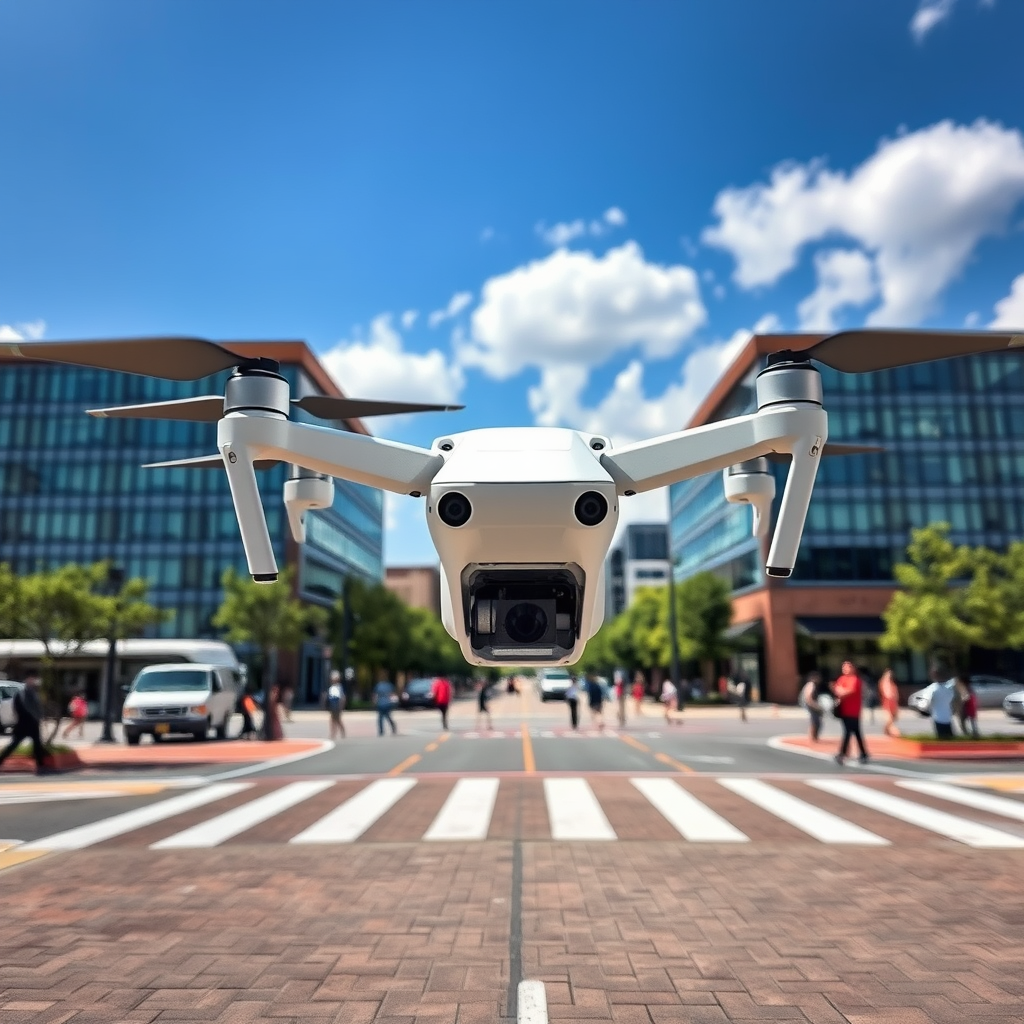
One of the first steps in drone operation is to familiarize yourself with local drone laws and restrictions in your area. Different countries, states, and municipalities may have unique regulations governing drone use, including altitude limits, required permits, and appropriate flying zones. For instance, in the United States, the Federal Aviation Administration (FAA) has established guidelines under Part 107 for commercial drone operations, while recreational flyers must follow different rules. It is crucial to check whether you need to register your drone or obtain a Remote Pilot Certificate, particularly if you intend to use it for commercial purposes.
Additionally, it is vital to stay informed about temporary flight restrictions (TFRs) that may arise due to events such as air shows, natural disasters, or emergencies. Such restrictions can be found through official channels, including the FAA’s website or local aviation authorities. Engaging with local drone communities or forums can also provide valuable insights on recent regulatory changes or specific conditions in your area.
DJI Drone Firmware and Updates
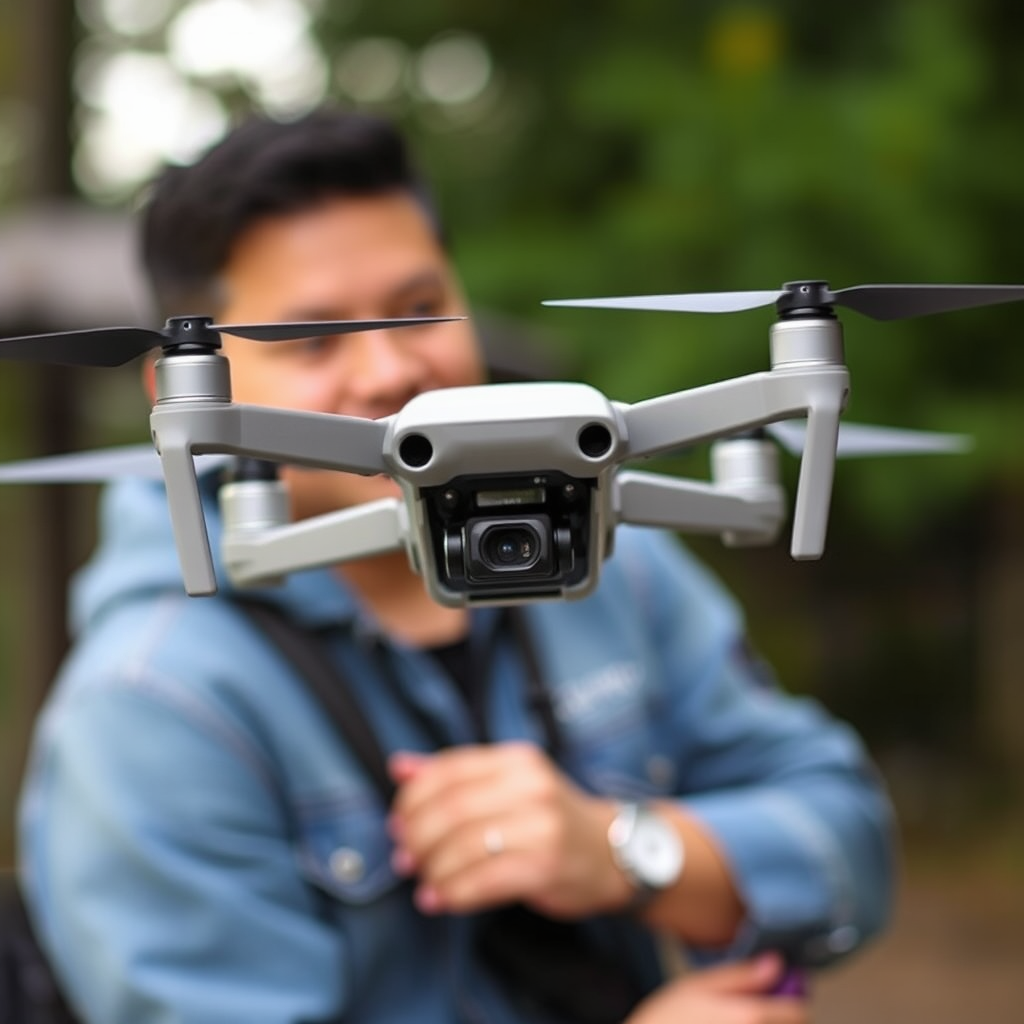
To ensure optimal performance and safety while flying your DJI drone, keeping your firmware up-to-date is paramount. DJI regularly releases firmware updates that can enhance flight stability, improve battery performance, and add new features. Regularly checking for updates through the DJI Fly app or the DJI website helps ensure your drone operates smoothly and adheres to the latest safety standards.
Moreover, it’s essential to review DJI’s recommendations for safe flying practices. This includes pre-flight checks, understanding battery management, and knowing the drone’s capabilities and limitations. Utilizing features such as geofencing, which restricts drone flight in sensitive areas, can further enhance safety. Familiarizing yourself with these updates and recommendations will not only elevate your flying experience but also demonstrate your commitment to responsible drone operation.
Weather Conditions for Safe Flying
Weather conditions play a significant role in determining whether it is safe to fly your DJI drone. Adverse weather such as high winds, rain, or fog can pose serious risks, including loss of control, reduced visibility, and potential damage to the drone. It is advisable to avoid flying during inclement weather and to ensure that conditions are suitable for safe operation.
To make informed decisions, regularly check local weather forecasts and utilize reliable weather apps or websites that provide real-time updates specific to drone flying. Many drone enthusiasts recommend checking wind speed and direction, precipitation levels, and visibility before embarking on a flight. Understanding how weather impacts your drone’s performance can significantly reduce risks and enhance your flying experience.
No-Fly Zones and Airspace Awareness
Familiarizing yourself with no-fly zones and airspace regulations is a critical aspect of responsible drone operation. No-fly zones typically include areas near airports, military bases, and sensitive infrastructure. Failing to comply with these restrictions can result in serious legal consequences and pose safety risks to manned aircraft and individuals on the ground.
Utilizing apps or tools that help identify restricted airspaces, such as DJI’s own Geo System or third-party applications like AirMap or UAV Forecast, can assist in ensuring safe flight planning. These resources provide updated information about airspace classifications, including Class B, C, D, and E airspaces, and any temporary flight restrictions in real-time. By maintaining awareness of your flying environment, you can avoid potential legal issues and ensure a safe flying experience.
Insurance and Liability Considerations
Considering drone insurance is a wise choice for both recreational and commercial drone operators. Drone insurance can cover potential damages or incidents, such as property damage or injuries caused during flight. Liability insurance is particularly essential for commercial operators, as it protects against claims related to accidents or damages resulting from drone operations.
Understanding your liability is crucial, especially as regulations evolve. Many insurance providers offer policies tailored specifically for drone operators, covering a range of scenarios from equipment loss to third-party liability. By investing in insurance and adhering to safety guidelines, you not only protect yourself and your equipment but also contribute to the broader responsible drone community.
Community Guidelines and Best Practices
Joining local drone flying communities can provide invaluable support and shared knowledge. Many regions have clubs or online forums where enthusiasts exchange tips, organize flying events, and discuss local regulations. Engaging with these groups fosters a sense of responsibility and encourages safe flying practices among members.
In addition to community involvement, following best practices for safe and responsible flying is essential. This includes maintaining a visual line of sight with your drone, avoiding populated areas, and always being aware of your surroundings. Establishing a pre-flight checklist can help ensure you do not overlook any critical safety steps before taking off. By fostering a culture of safety and responsibility, drone operators can contribute positively to the perception of drone technology in society.
In conclusion, while you can still fly your DJI drone, it’s crucial to adhere to local regulations, maintain situational awareness, and prioritize safety. Understanding local laws, keeping your firmware updated, and being aware of weather conditions and no-fly zones will enhance your flying experience. Additionally, considering insurance and participating in community guidelines will ensure you operate your drone responsibly. Always stay informed and responsible to ensure enjoyable flying experiences.
Frequently Asked Questions
Can I still fly my DJI drone if it’s been recalled?
Yes, you can still fly your DJI drone that has been recalled; however, it’s important to check the nature of the recall. Some recalls involve safety issues that could affect the drone’s performance or reliability. Always follow the manufacturer’s guidelines and ensure any necessary repairs or updates are completed before flying to ensure safe operation.
What are the legal requirements for flying my DJI drone in my area?
The legal requirements for flying your DJI drone can vary by location, but generally, you should register your drone if it weighs more than 0.55 pounds. Additionally, familiarize yourself with local regulations such as no-fly zones, altitude limits, and privacy laws. It’s advisable to check the FAA guidelines if you are in the United States or consult local aviation authorities for specific rules in your region.
How can I ensure safe operation of my DJI drone while flying?
To ensure safe operation of your DJI drone, always perform pre-flight checks, including ensuring the battery is charged, calibrating the compass, and checking for firmware updates. Familiarize yourself with the drone’s controls and features, maintain visual line of sight during flights, and avoid flying in adverse weather conditions. Moreover, always respect the privacy of others and adhere to local flying regulations.
Why is my DJI drone not connecting to the remote controller?
There are several reasons your DJI drone may not be connecting to the remote controller, including low battery levels in either device, outdated firmware, or interference from other electronic devices. To troubleshoot, ensure both devices are fully charged and updated to the latest firmware. If the issue persists, try restarting both the drone and remote controller, and ensure you are within the recommended range for connection.
Which DJI drone models are best for beginner pilots?
For beginner pilots, the DJI Mini 2 and DJI Mavic Mini are often recommended due to their user-friendly features and lightweight design. These models are equipped with built-in tutorials, automated flight modes, and a robust camera system, making them ideal for new users. Additionally, they are more affordable and provide excellent stability, allowing new pilots to gain confidence while flying.
References
- https://www.faa.gov/uas/getting_started/registration
- https://www.faa.gov/uas/
- https://www.dji.com/newsroom/news/dji-drone-usage-guidelines
- https://www.nytimes.com/2021/04/16/technology/drones-flying-rules.html
- https://www.reuters.com/business/aerial-photography-using-drones-how-do-you-stay-legal-2021-06-30/
- https://www.wired.com/story/drone-flying-regulations/
