
Yes, police can fly drones over private property under certain conditions, but there are legal limitations that vary by jurisdiction. The use of drones by law enforcement is a growing trend, offering innovative ways to enhance public safety. However, it is crucial for both law enforcement agencies and private citizens to understand the complex legal landscape surrounding this technology, particularly regarding privacy rights and the circumstances under which drones can be deployed.
Understanding Drone Use by Law Enforcement
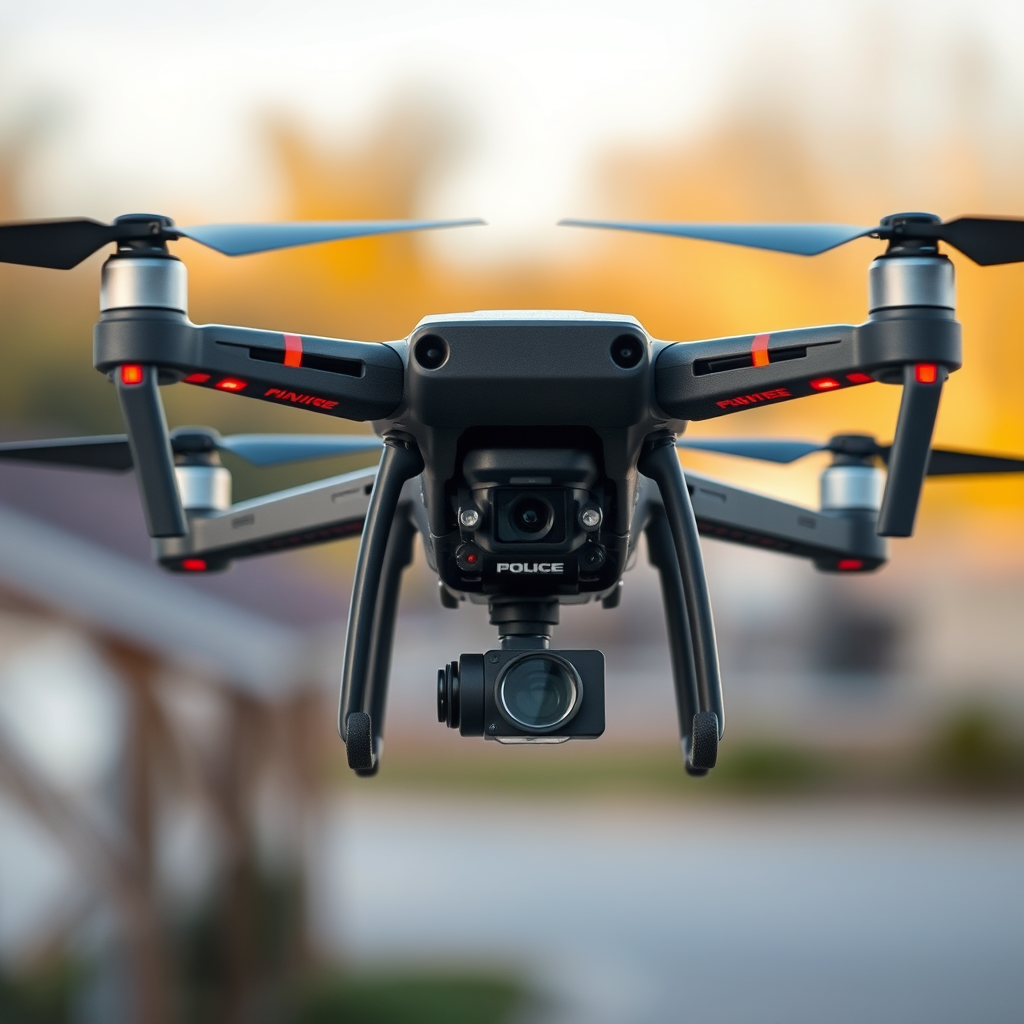
Drones, or unmanned aerial vehicles (UAVs), have become valuable tools for law enforcement agencies across the United States. They are utilized for a variety of purposes, including surveillance, crime scene investigation, search and rescue operations, and disaster response. The ability to capture real-time aerial footage can greatly enhance situational awareness during emergencies, allowing police to assess environments that may be difficult or dangerous to navigate on foot.
Moreover, drones can improve efficiency in gathering evidence and monitoring public events, thus fostering a proactive approach to crime prevention. The low cost of drone technology, paired with its versatility, means that many police departments are integrating these devices into their operations to optimize resources and enhance community safety.
Legal Framework Governing Drone Use
The legal framework governing drone use by law enforcement primarily consists of federal regulations established by the Federal Aviation Administration (FAA). These guidelines dictate how and when drones can be operated, including restrictions on altitude, airspace, and necessary certifications for drone pilots. The FAA has been working to create a comprehensive regulatory environment that allows for the safe integration of drones into the national airspace, while also considering public safety.
In addition to federal regulations, state and local laws further define the parameters for drone usage. Many jurisdictions have enacted specific statutes that address privacy concerns, requiring police to obtain warrants before deploying drones for surveillance purposes. These laws are often influenced by public opinion and the ongoing debate about balancing security needs with individual privacy rights. Consequently, it is imperative for law enforcement agencies to stay abreast of both federal and state regulations to ensure compliance.
Conditions for Flying Drones Over Private Property
There are specific conditions under which police can deploy drones over private property. Generally, law enforcement is permitted to fly drones in emergency situations where there is an imminent threat to life or safety. For example, drones may be utilized during active shooter situations, natural disasters, or missing persons cases to quickly gather critical information.
However, in non-emergency scenarios, such as routine surveillance or investigations, police typically need to obtain a warrant based on probable cause before using drones over private property. This requirement serves to protect citizens’ Fourth Amendment rights against unreasonable searches. It is essential for law enforcement agencies to adhere to these legal standards to maintain public trust and avoid potential legal repercussions.
Privacy Concerns and Legal Challenges
As drone technology becomes more pervasive in law enforcement, significant privacy concerns have emerged. Citizens have legitimate worries regarding their right to privacy, particularly when drones are used for surveillance without appropriate oversight. Critics argue that unwarranted drone surveillance could lead to a “Big Brother” scenario, where individuals are continuously monitored without their knowledge or consent.
Legal challenges have arisen in various jurisdictions, where citizens have contested police drone operations on grounds of privacy violations. For example, in the case of Florida v. Riley, the U.S. Supreme Court ruled that police could use helicopters to observe private property from the air without a warrant, which has implications for drone usage. However, subsequent cases have raised questions about the extent of this ruling, particularly as it pertains to evolving drone technology. These legal disputes underscore the need for clear policies and regulations that ensure accountability and protect individual rights.
Community Impact and Public Opinion
The deployment of drones by police can have a significant impact on community relations and public perception of law enforcement. On one hand, many citizens appreciate the enhanced capabilities that drones provide, particularly in terms of rapid response and crime prevention. On the other hand, there is a palpable concern about the erosion of privacy and potential misuse of this technology.
Public opinion is often divided on the issue, with some advocating for increased transparency and oversight of police drone operations. Community engagement is essential, as law enforcement agencies must communicate the intended use of drones and address any concerns from the public. This dialogue can help build trust and foster a collaborative approach to ensuring safety while respecting individual rights.
Future of Drone Technology in Policing
The future of drone technology in policing is poised for growth, with advancements in artificial intelligence, data analysis, and drone capabilities likely to enhance law enforcement operations further. Trends indicate that drones will become more integrated into everyday policing practices, allowing for more efficient resource allocation and real-time data collection.
As technology evolves, so too will the regulations governing its use. Policymakers will need to adapt to the changing landscape, ensuring that laws keep pace with technological advancements while protecting citizens’ privacy rights. Public expectations will also play a critical role in shaping the future of drone use in law enforcement, necessitating ongoing dialogue between communities and law enforcement agencies.
In conclusion, while police have the ability to fly drones over private property, the application of this power is constrained by legal regulations and privacy concerns. Understanding the legal framework, the conditions under which drones can be deployed, and the impact on community trust is essential for both law enforcement and citizens. By staying informed and engaged, all parties can work together to navigate the complexities of drone technology and ensure responsible usage that respects individual rights.
Frequently Asked Questions
Can police fly drones over private property without permission?
Generally, police must adhere to specific legal guidelines when operating drones over private property. In most jurisdictions, law enforcement agencies are required to obtain a warrant before using drones for surveillance purposes, especially if it involves monitoring private spaces where individuals have a reasonable expectation of privacy. However, there are exceptions, such as emergencies or ongoing criminal activities, where they may conduct surveillance without prior permission.
What are the legal restrictions on police drone usage over private land?
The legal restrictions on police drone usage over private land vary by state and local laws, but there are common principles. Most laws require law enforcement to respect citizens’ privacy rights, meaning they cannot use drones to gather information in areas where individuals have a reasonable expectation of privacy, such as backyards or inside homes. Additionally, drone flights must comply with Federal Aviation Administration (FAA) regulations regarding airspace and drone operation.
How can I find out if police have used drones in my area?
To determine if police have used drones in your area, you can check local news reports, police department press releases, or social media accounts that document law enforcement activities. Additionally, many police departments are required to maintain records of drone usage, which may be available through public records requests. Engaging with community forums or attending local police meetings can also provide insights into drone surveillance practices.
Why are police using drones for surveillance over private properties?
Police are increasingly using drones for surveillance over private properties as they offer several advantages, including the ability to gather aerial footage quickly and efficiently, monitor large areas, and enhance situational awareness during ongoing incidents or investigations. Drones can be particularly useful in search and rescue operations, crime scene investigations, or monitoring public events where crowd control is necessary. However, the use of drones must balance effective policing with citizens’ privacy rights.
What should I do if I suspect police are using drones to monitor my property?
If you suspect that police are using drones to monitor your property, the first step is to document any instances you observe, including the time, date, and any identifiable features of the drone. You may then contact your local police department to inquire about their drone policies and express your concerns. If you believe your privacy rights are being violated, consulting with a legal expert familiar with privacy laws can provide guidance on your options.
References
- https://www.eff.org/deeplinks/2016/05/police-drones-and-privacy-rights
- https://www.aclu.org/issues/privacy-technology/surveillance-technologies/drones
- https://www.wired.com/story/police-drones-privacy/
- https://www.nytimes.com/2020/06/02/us/drones-police.html
- https://www.brookings.edu/research/the-legal-issues-surrounding-police-use-of-drones/
- https://www.ncsl.org/research/civil-and-criminal-justice/state-legislation-related-to-police-drones.aspx
- https://www.faa.gov/uas/resources/policy_library/
- https://www.ojp.gov/pdffiles1/nij/233583.pdf
- https://www.washingtonpost.com/technology/2021/01/21/police-drones-privacy/
