

Yes, you can pack your drone in your luggage, but there are important guidelines and regulations you must follow to ensure safety and compliance with airline policies. Packing your drone safely is crucial for both the protection of your equipment and adherence to the regulations set by airlines and aviation authorities. This article will guide you through the essential steps to properly pack your drone for travel while avoiding common pitfalls.
Understanding Airline Regulations
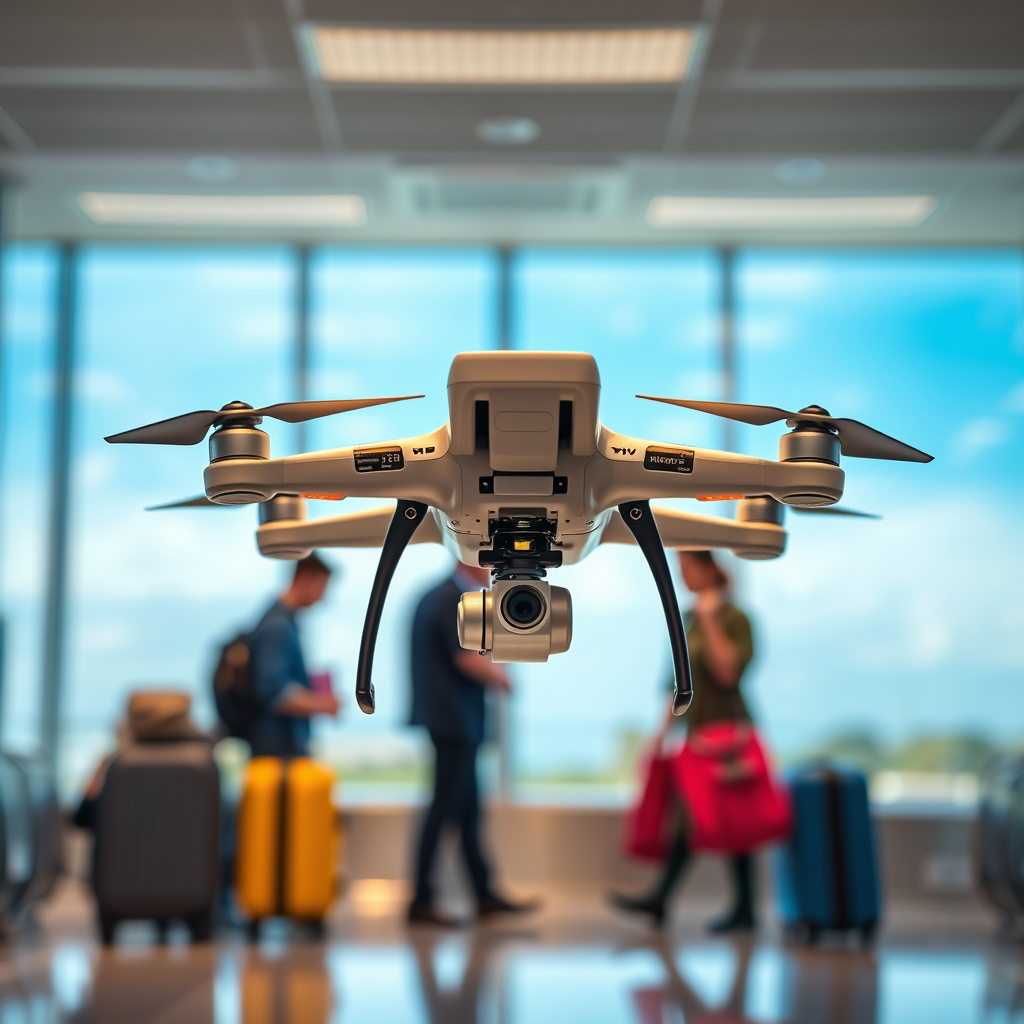
When it comes to traveling with a drone, it is essential to be aware that different airlines have varying policies regarding their transport. Some airlines may allow you to check your drone in with your luggage, while others may require you to carry it on board as a carry-on item. For example, major carriers like Delta and American Airlines generally permit drones as carry-on items, but they might restrict their size and weight. Always check the specific airline’s website for the latest policies regarding drones, as these can change frequently.
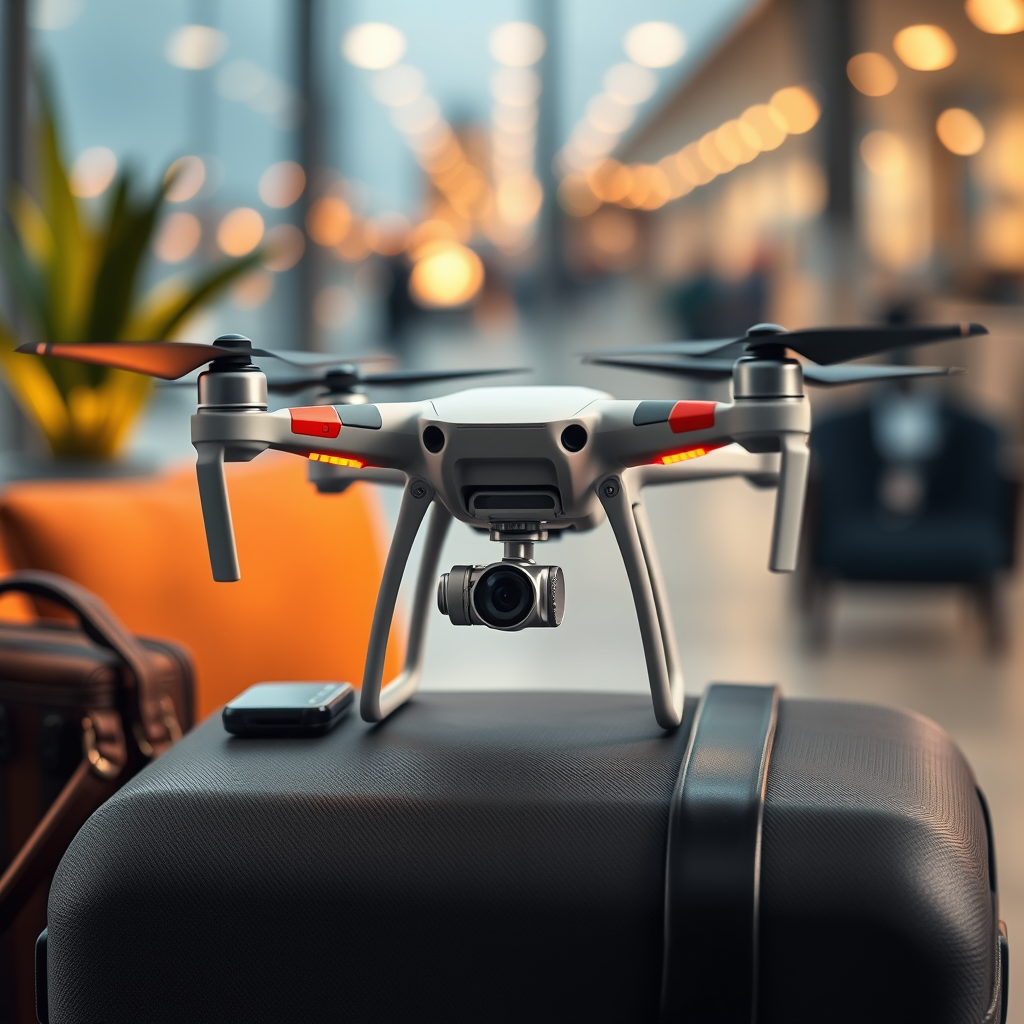
Moreover, it’s not just about airline policies; you also need to be mindful of airport security regulations. The Transportation Security Administration (TSA) in the United States, for instance, has specific guidelines when it comes to carrying electronic devices through security. Understanding these regulations helps mitigate delays or issues when traveling.
Preparing Your Drone for Packing
Proper preparation of your drone before packing is critical to prevent damage during transit. Start by removing the propellers and batteries from the drone. This reduces the risk of breakage and minimizes the chance of accidental activation during travel. Additionally, it’s advisable to store the batteries in a protective case designed for lithium batteries to ensure their safety.
Using a protective case or padded bag is highly recommended. Look for cases specifically designed for drones, as they often come with custom foam inserts that snugly fit the drone and its components. This type of case not only protects your drone from physical damage but also makes it easier to transport. If a specialized case is not available, ensure that the drone is cushioned with clothing or bubble wrap within your luggage.
Packing Batteries Safely
When it comes to lithium batteries, safety is paramount due to their inherent fire risk. Airlines are governed by the International Air Transport Association (IATA) regulations concerning the transport of lithium batteries. Most airlines require that lithium batteries be carried in your carry-on luggage rather than checked baggage. Make sure to check the watt-hour rating of your batteries; typically, batteries rated at 100 watt-hours or less can be carried without special approval.
To prevent short circuits, cover the battery terminals with tape or use battery covers. Additionally, if you have multiple batteries, consider placing them in separate compartments of your carry-on bag to avoid any potential damage from movement. It’s also wise to keep the batteries charged to at least 30% but not fully charged, as this is often recommended by airlines for safety.
Declaring Your Drone at Security
Navigating airport security with a drone can be a straightforward process if you are prepared. As you approach the security checkpoint, be ready to inform security personnel about your drone and its components. This proactive communication can help expedite the screening process.
TSA officials may need to inspect your drone and its batteries separately, so ensure that they are easily accessible within your luggage. Follow all instructions given by TSA or security officials, and be prepared for additional screening if necessary. Keeping your drone in a separate bin during screening can help streamline the process and reduce the likelihood of any issues.
Tips for International Travel
Traveling internationally with a drone introduces additional layers of complexity due to varying regulations across countries. Before you depart, it’s crucial to research the drone regulations of your destination country. Some nations have stringent rules regarding drone usage, including mandatory permits or specific flying zones. For instance, countries like Australia and Canada have regulations that may require foreign drone operators to register their drones upon arrival.
Additionally, be aware that some countries may completely prohibit the use of drones without special permission. Familiarizing yourself with these regulations not only helps avoid legal issues but also enhances your travel experience by allowing you to make informed decisions about where and how you can fly your drone.
Common Mistakes to Avoid
When packing your drone for travel, it’s easy to make mistakes that could lead to damage or inconvenience. One common error is packing the drone in checked luggage without sufficient protection. Checked baggage is often subject to rough handling, and without proper cushioning, your drone could be damaged.
Another mistake to avoid is neglecting to check the weight and size limitations of your luggage. Many airlines impose strict criteria for carry-on bags, and exceeding these limits could result in additional fees or the need to check your bag at the gate. Always weigh your luggage and measure its dimensions to ensure compliance with airline policies.
Finally, remember to keep all essential drone accessories, such as chargers and remote controls, in your carry-on luggage. This way, you will have everything you need at hand, and you can prevent any last-minute scrambling once you reach your destination.
In conclusion, packing your drone in your luggage is feasible if you adhere to airline policies and safety guidelines. By understanding airline regulations, preparing your drone properly, packing batteries safely, and being proactive at security checkpoints, you can ensure a smooth travel experience. Always double-check regulations both for your departure and destination to avoid complications. With proper planning, you can enjoy your travels and capture stunning aerial footage. Happy flying!
Frequently Asked Questions
Can I pack my drone in my checked luggage or should I carry it on?
It is generally recommended to carry your drone in your carry-on luggage rather than checking it in. Most airlines have specific regulations regarding lithium batteries, which are often included with drones. Carrying your drone on board ensures that it remains safe and minimizes the risk of damage or theft during transit. Always check your airline’s policies beforehand to ensure compliance.
What are the regulations for packing a drone when flying internationally?
When flying internationally, regulations regarding drone transport can vary significantly by country. It’s essential to research the destination’s drone laws, as some countries require registration or have restrictions on drone usage. Additionally, be aware of the airline’s guidelines regarding battery size and weight limits, as exceeding these can lead to confiscation or fines. Make sure to also bring any required documentation or permits to avoid complications at customs.
How should I prepare my drone for travel to avoid damage?
To prepare your drone for travel, disassemble any removable parts, such as propellers and cameras, and store them in protective cases. Use padded bags or custom foam inserts to provide cushioning and prevent movement inside your luggage. Additionally, ensure that your drone’s batteries are stored correctly, preferably in a fireproof battery case, and comply with airline regulations regarding battery watt-hour limits.
Why do airlines have restrictions on packing drones and their batteries?
Airlines impose restrictions on packing drones and their batteries primarily for safety reasons. Lithium batteries can pose a fire hazard if damaged or short-circuited, leading to potential in-flight emergencies. By regulating how these devices are transported, airlines aim to ensure the safety of all passengers and crew members. Understanding these guidelines will help you travel with your drone without facing undue delays or issues.
Which airlines are most drone-friendly when it comes to packing and traveling with drones?
While policies may vary, airlines like Delta, United, and American Airlines tend to have clearer guidelines and are generally more accommodating for drone enthusiasts. It’s advisable to check each airline’s specific regulations regarding drone transport, as some may have stricter rules about battery size and drone weight. Additionally, consider reaching out to customer service for clarification to avoid surprises at the airport.
References
- https://www.faa.gov/uas/travel
- https://www.tsa.gov/travel/security-screening/whatcanibring/items/drone
- https://www.cnet.com/tech/mobile/how-to-travel-with-a-drone/
- https://www.wikihow.com/Travel-With-a-Drone
- https://www.nytimes.com/2019/04/01/travel/drone-travel-tips.html
- https://www.reuters.com/article/us-drones-travel-idUSKBN1H52C6
