
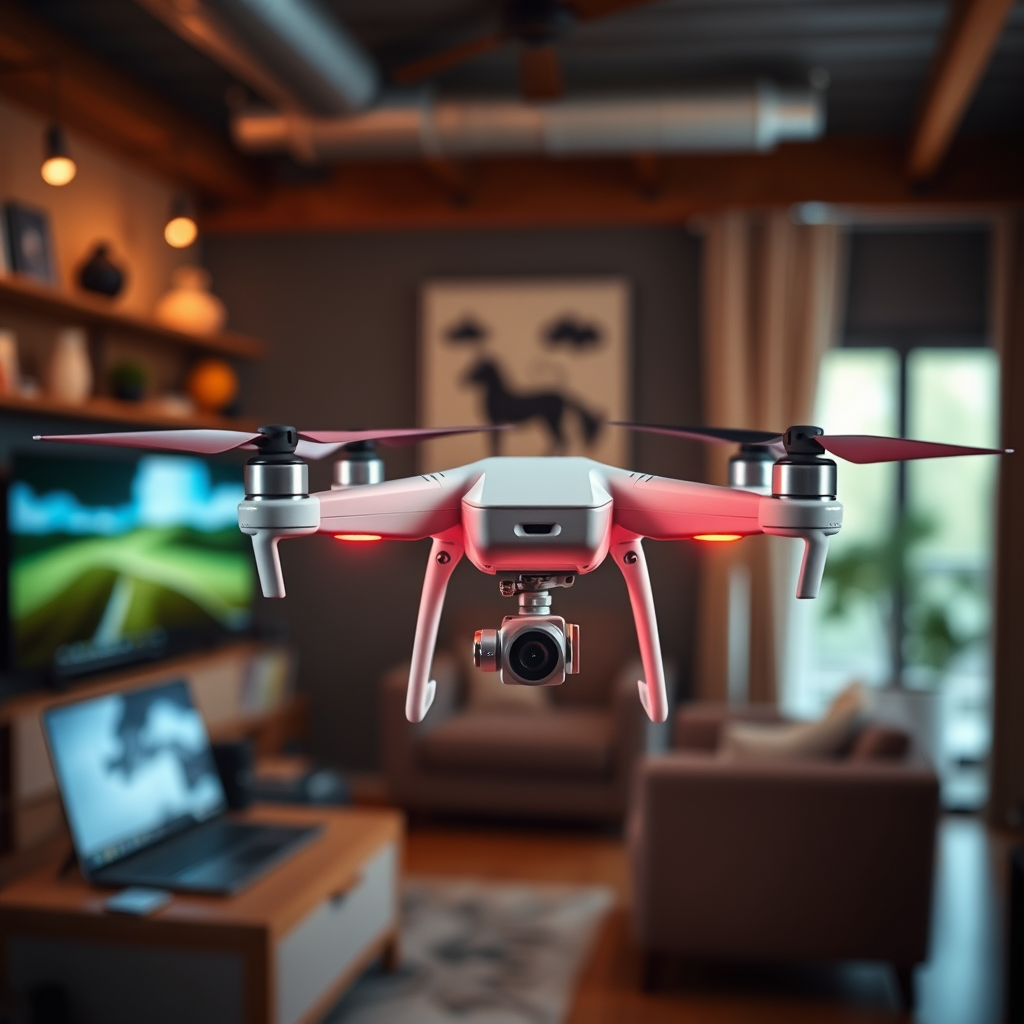
Yes, you can shoot down a drone, but doing so is illegal in most cases and can lead to serious legal consequences. It’s essential to understand the complex web of federal and local regulations surrounding drone use, the motivations behind wanting to disable a drone, and the safer, more lawful alternatives available. This post delves into the legal intricacies and practical considerations involved in addressing unwanted drone activity.
Understanding Drone Regulations
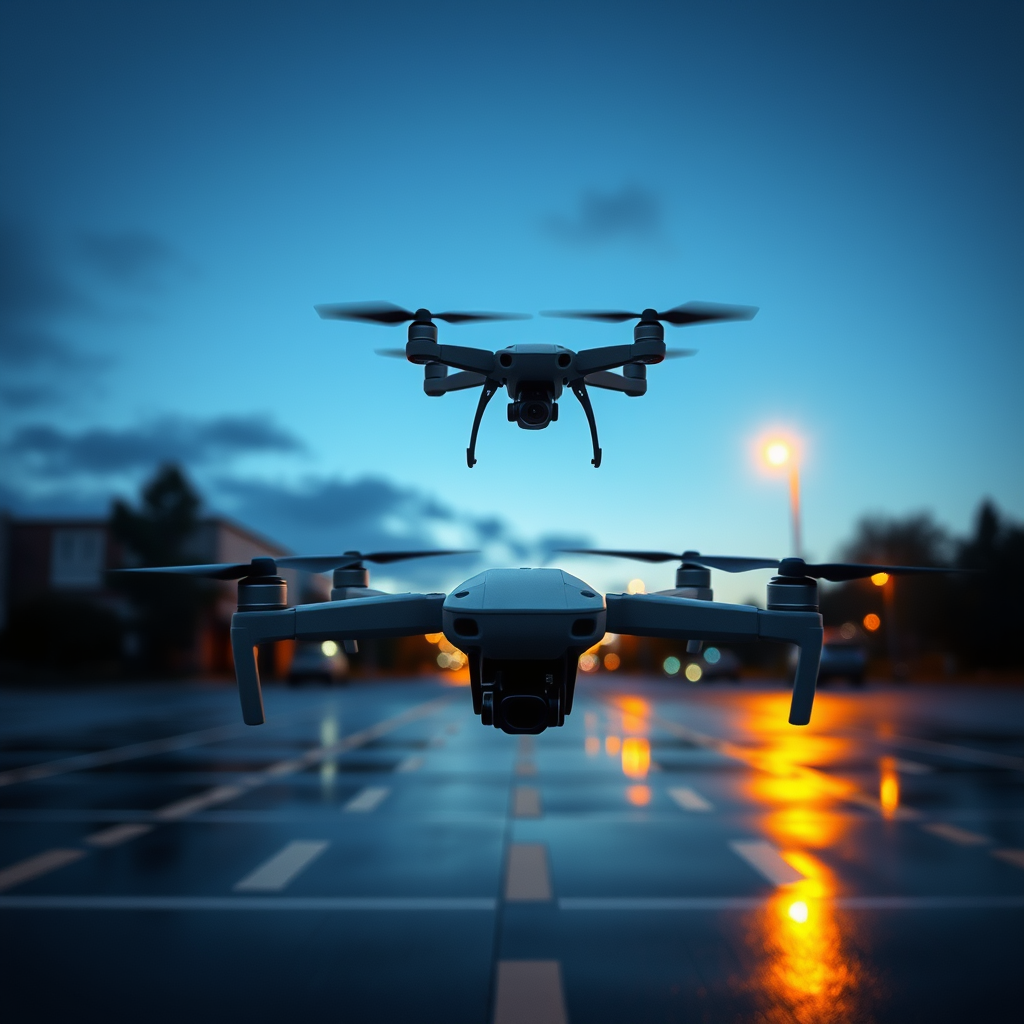
The first step in addressing concerns related to drones is to understand the relevant regulations that govern their use. At the federal level, the Federal Aviation Administration (FAA) has established clear guidelines that prohibit the unauthorized destruction of drones. Shooting down a drone typically falls under the category of unlawful interference with aviation operations, which can result in substantial legal repercussions.
In addition to federal laws, state and local laws may impose further restrictions. For example, many jurisdictions have enacted regulations concerning trespassing, which can apply if a drone is flying over private property without permission. Furthermore, actions taken against a drone that could endanger public safety—such as firing a weapon—may lead to charges of reckless endangerment. Understanding these laws is crucial before considering any response to an unwanted drone.
Reasons for Shooting Down a Drone
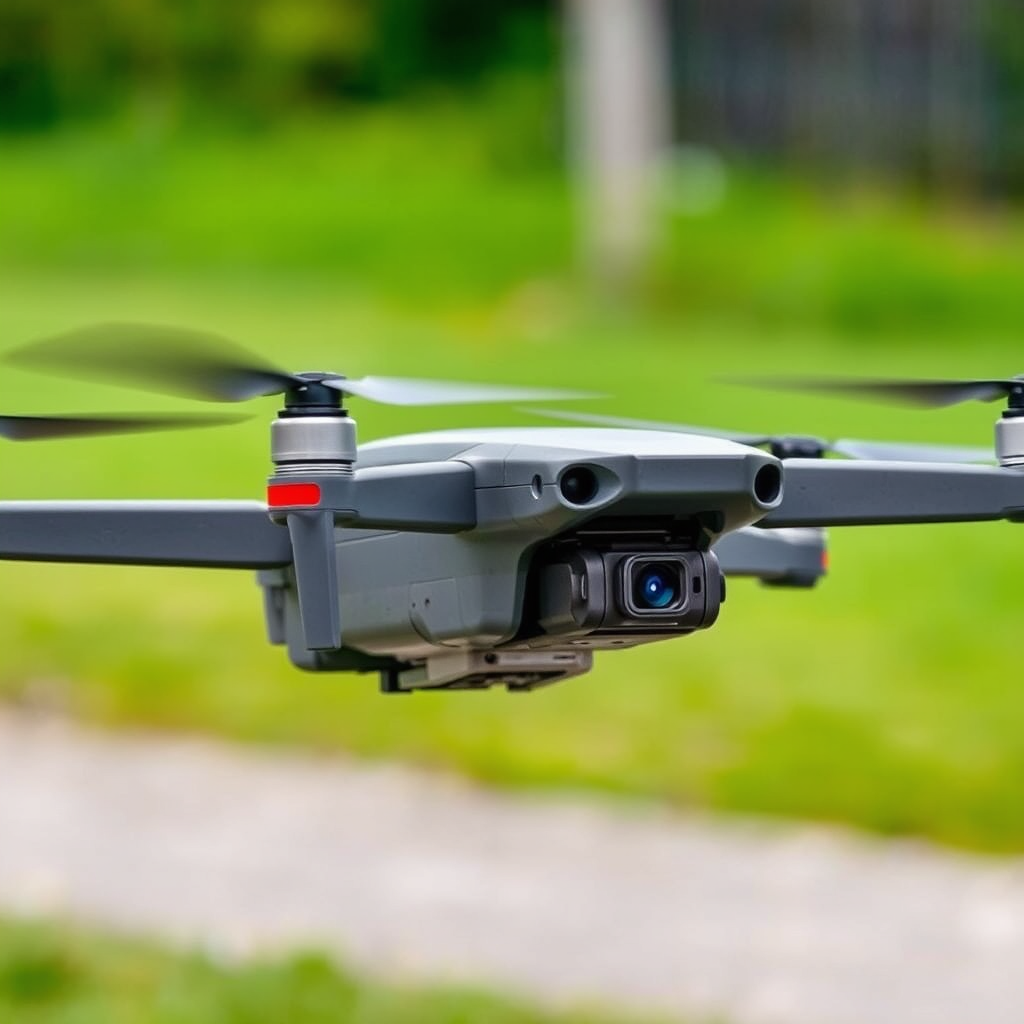
While the urge to shoot down a drone may stem from legitimate concerns, it is vital to recognize the underlying motivations that drive this desire. One of the primary reasons individuals consider this drastic action is privacy invasion. Drones equipped with cameras can capture images and videos of private property without consent, leading many to feel their personal space is being violated.
Another significant concern is public safety. Drones can pose serious risks, particularly in areas near airports, where they might interfere with manned aircraft operations. Additionally, drones can be used for nefarious purposes, such as spying, delivering contraband, or even causing harm. These factors can create a heightened sense of urgency to take action, but potential repercussions must be carefully weighed.
Potential Legal Consequences
The legal ramifications of shooting down a drone can be severe. Individuals who take it upon themselves to disable a drone may face criminal charges ranging from misdemeanors to felonies, depending on the circumstances and local laws. For instance, using a firearm to shoot down a drone could lead to serious firearm-related charges, including discharging a weapon in a populated area.
Moreover, individuals may also be held civilly liable for damages incurred by the drone’s owner. If the drone is damaged or destroyed, the owner may seek compensation for the loss, which can result in costly legal battles. This reality underscores the importance of understanding the legal landscape before considering any action against a drone.
Recommended Alternatives to Shooting Down a Drone
Instead of resorting to drastic measures, there are several recommended alternatives to address concerns related to drones. Reporting the issue to the appropriate authorities is a prudent first step. Law enforcement agencies and local aviation authorities have procedures in place to handle complaints about drones, particularly those that may pose a threat to safety or privacy.
Additionally, technology offers several options to manage drones more effectively and safely. Drone jammers, for instance, are devices that disrupt the communication between a drone and its operator. While the legality of using jammers can vary, they present an alternative means of managing unwanted drone activity without resorting to violence. Engaging with legal experts or local drone advocacy groups can also provide insights and resources for dealing with drone-related issues.
Enforcement and Response
Understanding how law enforcement agencies respond to drone-related incidents is crucial for anyone facing these challenges. In most cases, police officers will assess the situation based on federal and state laws, as well as community safety concerns. They may investigate complaints, issue warnings, or take further action if necessary.
Communities may also have resources available for residents dealing with drone issues. Local advocacy groups or legal experts specializing in aviation law can offer guidance on how to handle specific drone-related situations, including filing formal complaints or pursuing legal action if warranted. Engaging with these resources can empower individuals to address their concerns without resorting to illegal or dangerous actions.
Public Opinion and Ethics
Public opinion on drone usage is increasingly polarized, illustrating a complex interplay between privacy and safety. Many individuals express concerns about the potential for drones to invade their privacy, while others recognize the benefits drones can provide in areas such as search and rescue, agriculture, and delivery services. This dichotomy presents a challenge for lawmakers and communities attempting to strike a balance between fostering innovation and protecting individual rights.
Ethical considerations also play a significant role in the discourse surrounding drone use. The moral implications of surveillance technology must be carefully examined, as society navigates the fine line between security and privacy. Understanding and addressing these ethical dilemmas will be essential for developing effective regulations that reflect public sentiment.
In conclusion, while the impulse to shoot down a drone may arise from genuine concerns about privacy and safety, it is critical to recognize the legal risks and potential consequences involved. Engaging with the relevant regulations, exploring alternatives, and seeking support from community resources can provide smarter, more effective solutions to unwanted drone activity. As the technology continues to evolve, staying informed and proactive will be key to navigating the complex landscape of drone usage.
Frequently Asked Questions
Can you legally shoot down a drone on your property?
Legally shooting down a drone on your property is generally prohibited in most jurisdictions. Laws vary by country and state, but using force against a drone can lead to criminal charges, including weapons violations or destruction of property. Instead of shooting down a drone, it’s advisable to report it to local authorities or use legal methods to address any privacy or safety concerns.
How can I disable a drone if it’s invading my privacy?
If a drone is invading your privacy, there are several non-violent methods to disable it. You can use a drone jammer, which disrupts the communication signals between the drone and its operator, causing it to land safely or return home. However, it’s important to note that using jamming devices is illegal in many areas, so it’s best to consult local laws or reach out to law enforcement for assistance.
Why are people concerned about drones flying over their property?
Concerns about drones flying over private property often stem from issues related to privacy invasion, data collection, and potential safety hazards. Many people worry that drones equipped with cameras can capture images or video without consent, leading to violations of personal privacy. Additionally, there are fears about drones malfunctioning or crashing, which could cause damage or injury.
What are the best ways to protect my property from unwanted drones?
To protect your property from unwanted drones, consider using privacy screens or barriers that can obscure your land from aerial view. Installing a drone detection system can help you monitor airspace activity and alert you when a drone is nearby. Additionally, having clear signage indicating that drone activity is not allowed can deter operators from flying over your property.
Which authorities should I contact if a drone is causing a disturbance?
If a drone is causing a disturbance, you should contact local law enforcement or your municipality’s regulatory body responsible for airspace and drone operations. In the United States, the Federal Aviation Administration (FAA) oversees commercial drone use, and they can be reported if a drone is flying dangerously or violating privacy laws. It’s important to gather evidence, such as photos or videos, to support your claim when reaching out to these authorities.
References
- https://en.wikipedia.org/wiki/Drone_warfare
- https://www.faa.gov/uas/resources/policies_regulations/
- https://www.reuters.com/article/us-usa-drone-shootdown-insight-idUSKBN2A40FX
- https://www.lawfareblog.com/legal-issues-related-shooting-down-drones
- https://www.nytimes.com/2020/09/03/us/drone-regulation.html
- https://www.bbc.com/news/world-us-canada-43993294
- https://www.nationaldefensemagazine.org/articles/2020/2/1/what-are-the-legal-implications-of-shooting-down-drones
- https://www.aclu.org/news/privacy-technolog/what-you-need-to-know-about-drone-regulation-in-the-us
