
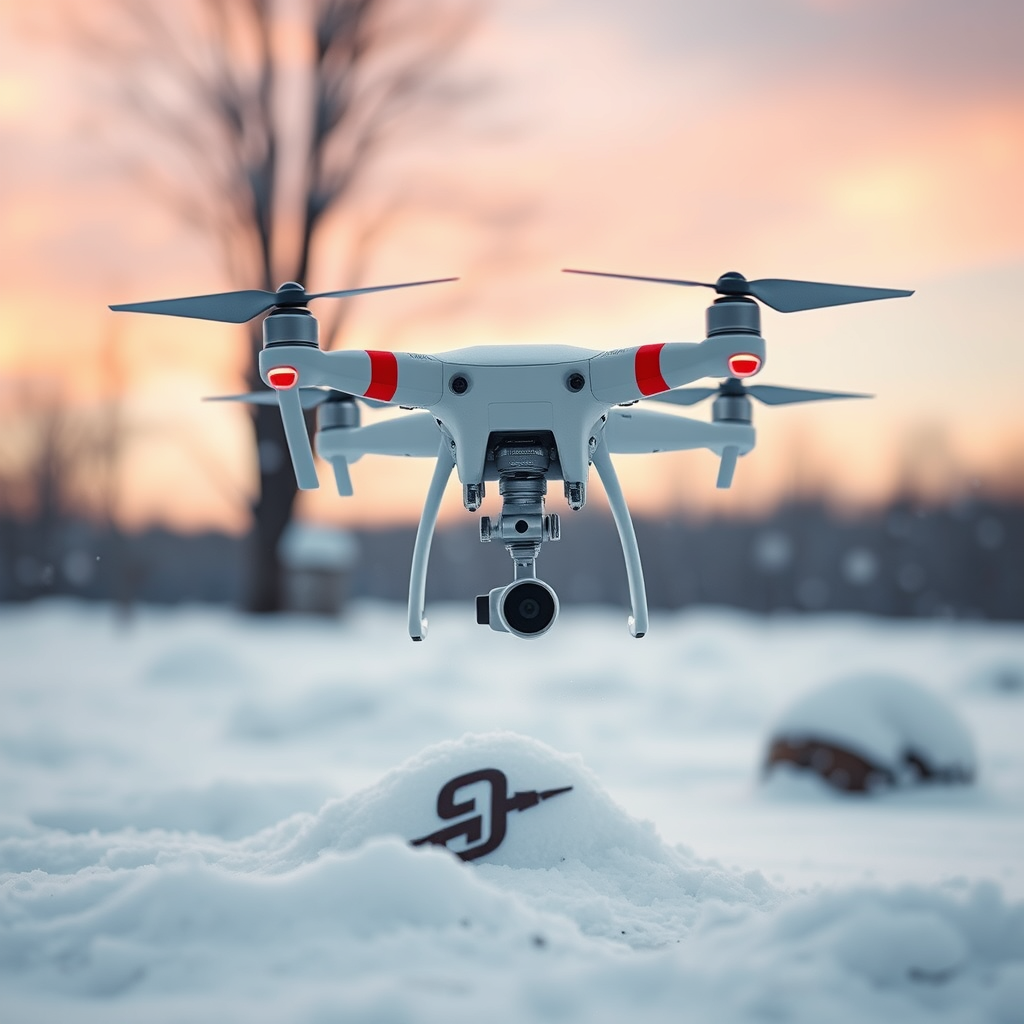
Yes, you can fly a DJI drone in the snow, but there are several important factors to consider to ensure safe operation and optimal performance in cold and snowy conditions. Flying a drone in winter landscapes can yield breathtaking aerial photography and videography opportunities, but it’s essential to be well-prepared. This article will delve into the key aspects of flying your drone in snowy weather, including safety tips, equipment checks, and best practices, to help you navigate the challenges of cold weather flying.
Understanding DJI Drone Limitations in Cold Weather
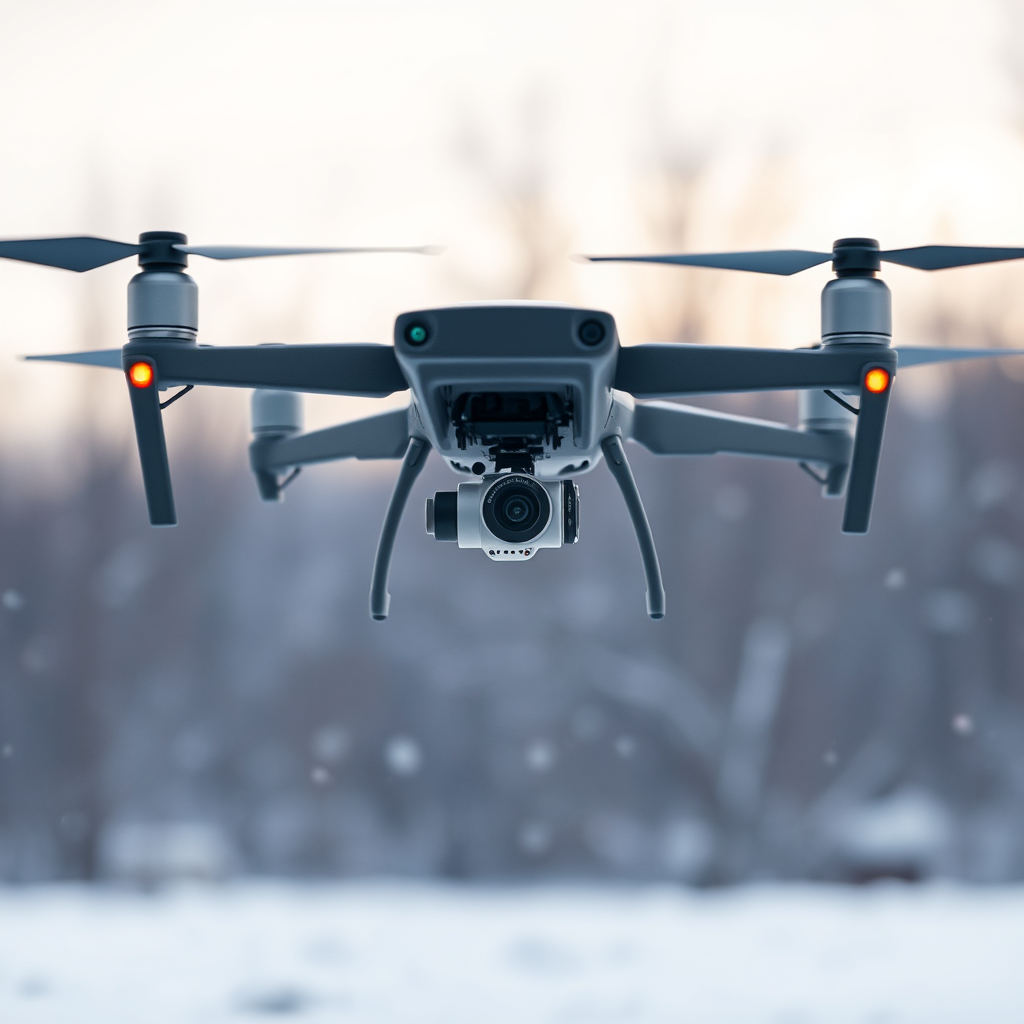
DJI drones are designed to operate within specific temperature ranges that can vary by model. For instance, many DJI drones are rated to perform optimally between 0°C to 40°C (32°F to 104°F). When temperatures drop below this threshold, you may experience diminished performance, particularly in battery efficiency. Cold weather can significantly impact battery life, reducing flight time by as much as 20-30%. Therefore, before you take your drone out in the snow, consult your model’s manual to understand its operating capabilities and limitations in cold conditions. This knowledge can help prevent unexpected mid-flight issues and ensure that you maintain control over your drone.
Preparing Your Drone for Snowy Conditions
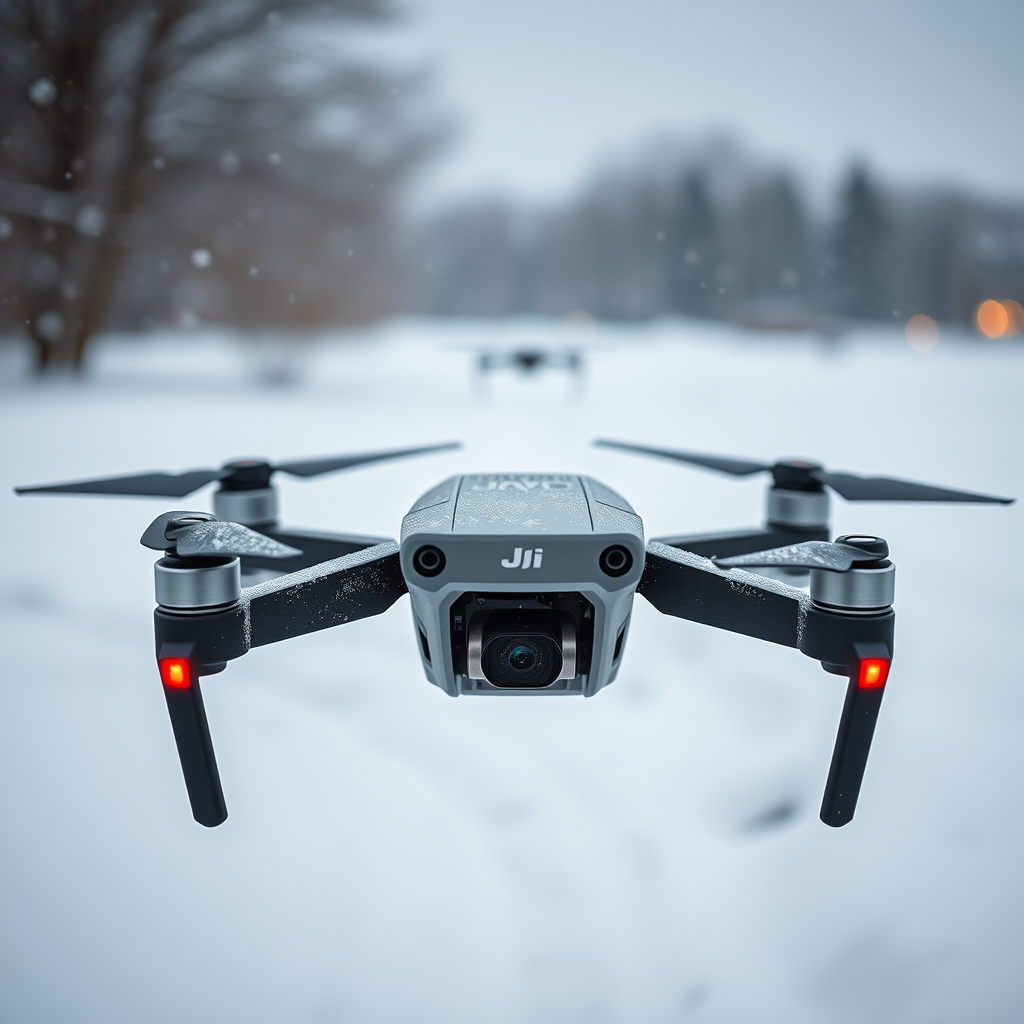
Proper preparation is crucial when flying a DJI drone in the snow. Prior to takeoff, inspect your drone meticulously for any snow or moisture accumulation that could interfere with its functionality. Snow can easily accumulate on the drone’s body, landing gear, and propellers, which may affect balance and aerodynamics. Ensure that all critical components, including the battery, propellers, gimbals, and camera, are functioning properly. A thorough pre-flight checklist can help you identify potential problems and address them before flight. Additionally, consider waiting until the snow has settled to avoid flying in fresh snowfall, which can obscure your drone’s sensors and affect navigation.
Battery Management in Cold Weather
Batteries are one of the most vulnerable components of a drone when flying in cold weather. To maximize battery life and performance, store your batteries in a warm environment before use. Cold temperatures can lead to reduced voltage and increased internal resistance, causing the battery to drain faster than usual. It is advisable to keep spare batteries warm in your pocket or a battery warmer until you are ready to fly. Furthermore, monitor battery levels closely during flight, as cold weather can lead to rapid drainage. If the battery level drops significantly, it’s prudent to land your drone sooner rather than later to avoid potential failure.
Safety Precautions When Flying in Snow
Flying in snowy conditions poses unique challenges, particularly concerning visibility. It is essential to avoid flying in heavy snow or strong winds, as both can severely compromise visibility and control. Low visibility can make it challenging to maintain visual line-of-sight with your drone, which is a legal requirement in many jurisdictions. To mitigate risks, utilize the “return to home” feature available on most DJI drones. This feature allows your drone to automatically return to its takeoff point if the signal is lost or if the battery runs low, which is particularly useful in adverse weather conditions. Always keep an eye on your surroundings and be prepared to adjust your flight plan as conditions change.
Post-Flight Care for Your Drone
After flying your drone in snowy conditions, it is vital to perform post-flight care to maintain its longevity and performance. Begin by cleaning your drone thoroughly to remove any snow or moisture that may have accumulated during flight. Use a soft cloth to wipe down the surfaces, paying special attention to the propellers and camera lens. It’s also essential to inspect your drone for any signs of damage or wear that may have occurred during operation. Look for cracks in the body, bent propellers, or issues with the gimbal. Addressing any problems immediately can help prevent more significant issues down the line.
Recommended Accessories for Snow Flying
To enhance your flying experience in snowy conditions, consider investing in specific accessories designed for winter flying. Propeller guards can provide additional protection against snow and ice, reducing the risk of damage to the propellers and ensuring smoother operation. A drone cover or backpack that offers insulation can also be beneficial, protecting your drone from the elements when it’s not in use. Additionally, consider using a lens hood to prevent snow from affecting the camera view and a landing pad to ensure a clean surface for takeoff and landing.
Legal and Regulatory Considerations
Before flying your DJI drone in snowy weather, it is crucial to familiarize yourself with local regulations regarding drone flight in inclement weather. Many areas have specific laws governing drone operations, especially in adverse weather conditions. Ensure that you have the necessary permits or permissions if required, especially if you are flying in national parks or near airports. Being aware of and adhering to these regulations not only ensures compliance but also helps promote safety and responsibility within the drone flying community.
In conclusion, flying a DJI drone in the snow is possible with the right precautions and preparations. Understanding the limitations of your drone, preparing adequately for snowy conditions, and following safety guidelines can help you enjoy capturing stunning winter landscapes while minimizing risks. Always remember to check your equipment thoroughly and stay informed about local regulations before taking off, ensuring a safe and rewarding flying experience in the winter wonderland.
Frequently Asked Questions
Can I fly my DJI drone in snowy conditions?
Yes, you can fly your DJI drone in snowy conditions, but there are several important factors to consider. Snow can affect the drone’s performance, battery life, and visibility. It’s crucial to monitor the temperature, as colder temperatures can reduce battery efficiency. Additionally, ensure that the drone’s sensors are clear of snow and ice to avoid any malfunction during the flight.
How does snow affect DJI drone performance?
Snow can impact DJI drone performance in various ways, including reduced battery life and potential sensor malfunction. Cold temperatures can cause the battery to drain faster, leading to shorter flight times. Furthermore, if snow accumulates on the drone’s sensors or propellers, it can lead to inaccurate readings and diminished flight stability, so regular checks and maintenance are essential.
What precautions should I take when flying a DJI drone in the snow?
When flying a DJI drone in the snow, it’s essential to take several precautions for safety and effective operation. Firstly, ensure that your drone is rated for cold weather and check the battery level frequently. Avoid flying in heavy snowfall or windy conditions that could impair visibility and control. Additionally, use propeller guards to prevent snow accumulation and keep the drone dry, as moisture can lead to electrical issues.
Why is it important to check the weather before flying a DJI drone in snow?
Checking the weather before flying a DJI drone in snowy conditions is crucial for ensuring safety and optimal performance. Sudden changes in weather, such as increased snowfall or wind, can affect visibility, control, and the drone’s battery life. Furthermore, adverse weather conditions can pose risks of losing the drone or experiencing accidents, so being well-informed helps you make safer flying decisions.
What is the best DJI drone for flying in winter conditions?
The best DJI drone for flying in winter conditions is typically the DJI Mavic Air 2 or the DJI Phantom 4 Pro. Both models are known for their robust build quality, excellent battery life, and reliable flight performance in cold weather. They also feature advanced obstacle avoidance systems, making them safer to operate in snowy environments. Always remember to monitor battery levels and keep the drone dry for optimal performance.
References
- https://www.dji.com/us/flying-in-snow
- https://www.nasa.gov/feature/nasa-snow-drone-research
- https://www.uu.edu/news/release.cfm?ID=3686
- https://www.wired.com/story/how-to-fly-drone-in-winter/
- https://www.bbc.com/news/technology-50792777
- https://www.dronepilotgroundschool.com/drone-flying-in-winter-tips/
