
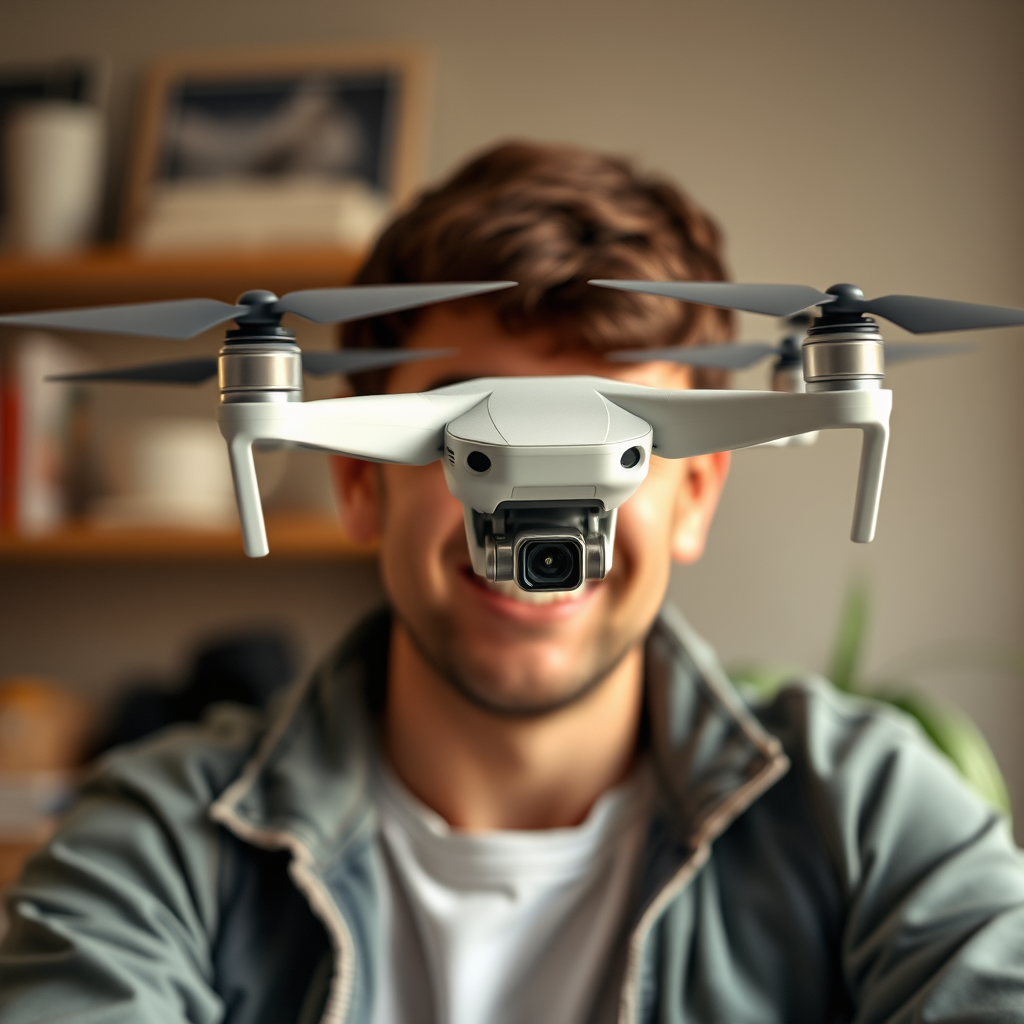
Yes, you can fly drones in the UK, but there are specific regulations and guidelines you must follow to ensure safe and legal operation. Understanding these rules is crucial for both recreational and commercial drone pilots, as they help to maintain safety in the airspace and protect the privacy of individuals. As drone technology continues to evolve, so do the regulations, making it essential for operators to stay informed.
Understanding UK Drone Regulations
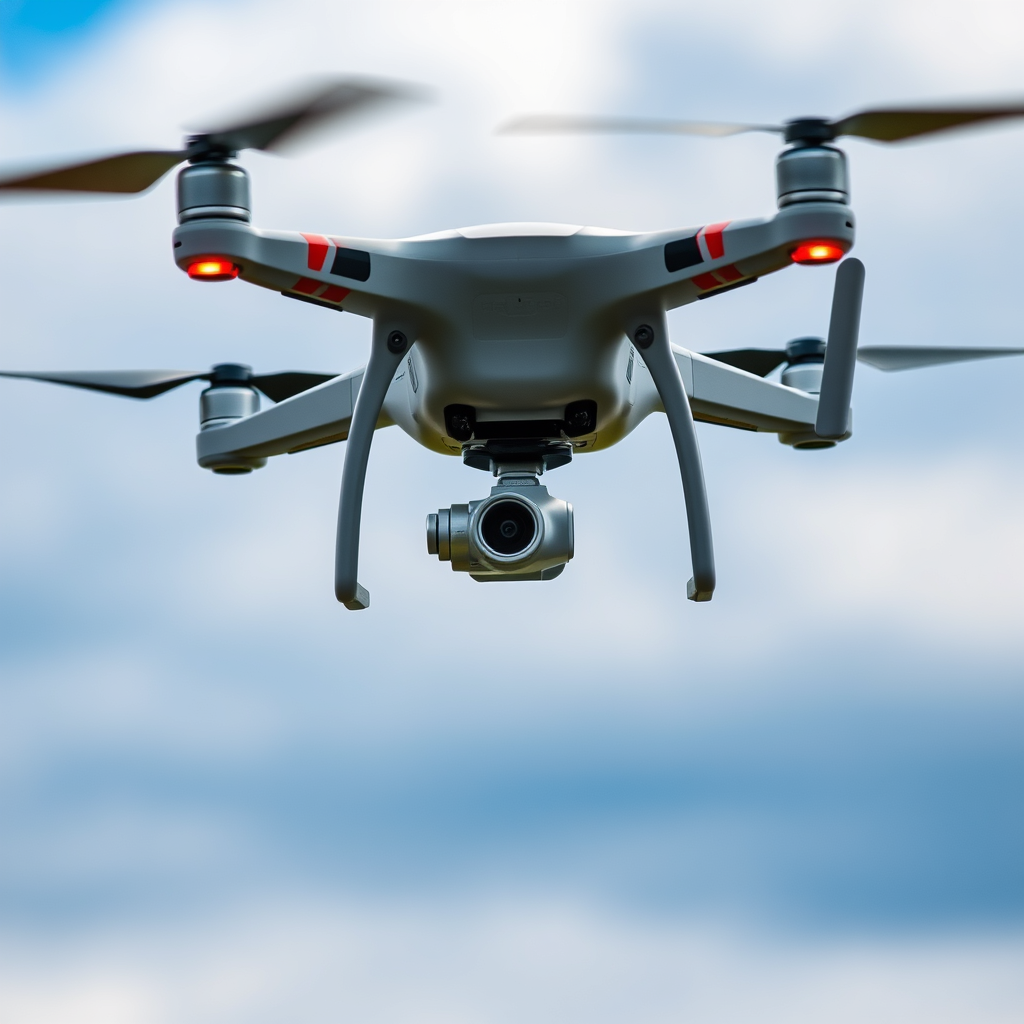
The United Kingdom’s drone operations are governed by the UK Civil Aviation Authority (CAA), which sets forth rules that all operators must comply with. These regulations are designed to ensure the safety of both drone pilots and the general public, as well as to mitigate risks associated with drone flights. Under current regulations, drone operators must register their drones if they weigh over 250 grams and pass an online safety test, known as the Drone and Model Aircraft Registration and Education Service (DMARES).
Additionally, specific laws dictate where and how drones can be flown. For instance, all drone operators must adhere to the UK Air Navigation Order, which includes altitude restrictions (typically not exceeding 120 meters) and rules about flying near people or property. It is also mandatory to not operate drones in ways that could endanger other aircraft. Understanding these regulations is the first step toward responsible drone operation.
Drone Categories and Licenses
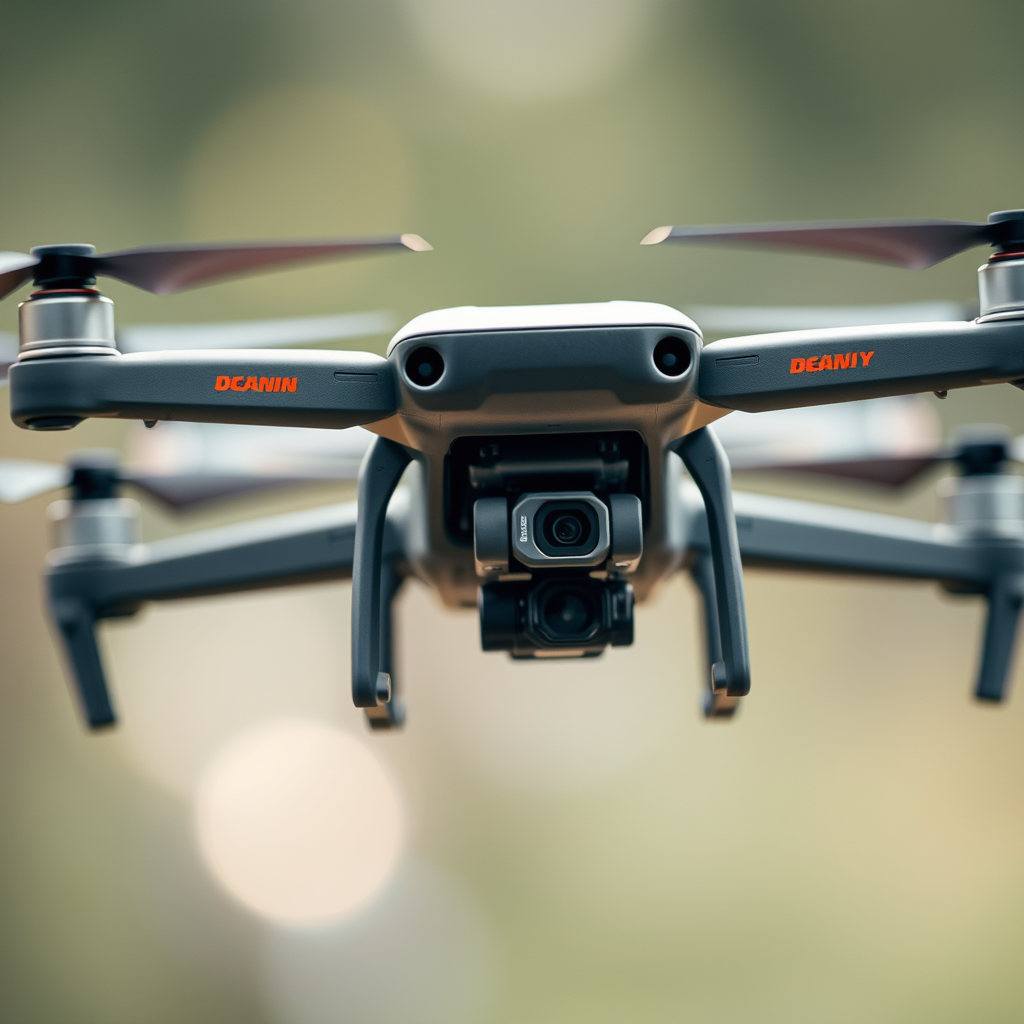
Drones are classified into distinct categories based on their weight and intended use, which influences the licensing requirements for pilots. The CAA categorizes drones primarily into two groups: those weighing under 250 grams and those weighing 250 grams or more. For recreational use, lighter drones may not require specific licensing, but operators are still expected to follow safety guidelines.
For commercial use, the requirements become more stringent. Operators must obtain a Permission for Commercial Operation (PfCO) from the CAA, which requires them to demonstrate their competency in drone operation and safety measures. This involves undergoing training and demonstrating proficiency in handling various scenarios that may arise during flight. As a general rule, if you plan to use a drone for any form of business, obtaining the appropriate certification is essential.
No-Fly Zones
Understanding no-fly zones is critical for any drone operator in the UK. Certain areas are designated as restricted airspace, including airports, military bases, and urban centers, to ensure public safety and security. For instance, flying a drone within a 5-kilometer radius of an airport is strictly prohibited unless you have explicit permission from air traffic control.
To facilitate compliance, various apps, such as AirMap and Drone Assist, provide real-time information about no-fly zones and other pertinent airspace restrictions. These tools can help operators plan their flights more effectively and avoid potential violations of the law. Additionally, checking local regulations is crucial, as some councils may impose additional restrictions in urban areas or near popular landmarks.
Safety Guidelines for Drone Operators
Maintaining safety during drone operations is paramount. All drone operators should adhere to a set of safety guidelines to minimize risks to themselves and others. One of the primary rules is to maintain a visual line of sight with the drone at all times. This ensures that the operator can react quickly to any potential hazards or changes in the environment.
Furthermore, it is advisable to avoid flying over crowds or groups of people, as this could lead to serious injuries in the event of an accident. Operators should also be aware of the weather conditions, as adverse weather can significantly impact flight safety. Wind, rain, and fog can affect the drone’s performance and visibility, so it is crucial to assess conditions before taking off. Lastly, consider conducting pre-flight checks to ensure the drone is in optimal working condition, including battery levels, propeller integrity, and software updates.
Insurance and Liability
While drone insurance is not a legal requirement in the UK, it is a prudent consideration for both commercial and recreational pilots. Insurance can provide vital protection against potential liabilities arising from accidents, property damage, or personal injuries. For commercial operators, having insurance can also enhance credibility with clients and provide peace of mind during operations.
There are various types of insurance options available, including public liability insurance, which covers damages to third parties, and equipment insurance, which protects against loss or damage to the drone itself. When selecting an insurance policy, consider factors such as the intended use of the drone, the risks involved, and the value of the equipment. Consulting with an insurance expert can help pilots find the most suitable coverage.
Reporting Incidents and Accidents
In the event of any incidents or accidents involving a drone, it is essential to report these occurrences to the CAA. Reporting procedures may vary depending on the nature and severity of the incident, but it is generally required to document any accidents that result in damage to property or injury to individuals. This not only helps in assessing the situation but also contributes to ongoing safety improvements in drone operations.
Understanding the reporting process is crucial for compliance. Operators should familiarize themselves with the guidelines provided by the CAA, including the necessary information to provide during a report, such as the time, location, and nature of the incident. Keeping records of all flights, including any issues encountered, can also be beneficial for future reference.
Future of Drone Regulations in the UK
The drone industry is rapidly evolving, driven by advancements in technology and changes in public interest and usage. As drone capabilities expand, regulations are likely to adapt to address new challenges and opportunities. The CAA is continually reviewing and updating its guidelines to accommodate innovations like drone delivery systems and urban air mobility solutions.
Staying informed about upcoming changes in regulations is essential for all drone operators. Engaging with industry forums, subscribing to relevant newsletters, and participating in training programs can help pilots remain compliant and aware of new developments. As the drone landscape changes, embracing a proactive approach to regulation will ensure that operators can take full advantage of the technology while maintaining safety and compliance.
Flying drones in the UK is not only feasible but can also be an exhilarating endeavor, whether for personal enjoyment or business opportunities. However, it is imperative to adhere to established regulations and guidelines to ensure safe operations. From understanding the various drone categories and their licensing requirements to recognizing no-fly zones and adhering to safety protocols, being informed and prepared is key. As the drone industry evolves, staying updated on regulatory changes will help you enjoy a seamless and responsible flying experience.
Frequently Asked Questions
What are the legal requirements for flying drones in the UK?
In the UK, drone operators must comply with regulations set by the Civil Aviation Authority (CAA). This includes registering as a drone operator if your drone weighs over 250 grams, obtaining a flyer ID, and adhering to altitude restrictions (typically a maximum of 120 meters). Additionally, you must maintain a safe distance from people, buildings, and air traffic, ensuring that you do not fly over congested areas or gatherings.
How can I obtain a drone license in the UK?
To fly a drone legally in the UK, you need to complete the CAA-approved training course and pass the relevant assessments. This includes obtaining a flyer ID for basic drone operation and an operational authorization if you plan to fly drones commercially or in more complex environments. You can find training providers through the CAA website, where you can also learn about the necessary theoretical knowledge and practical skills required.
Why is it important to understand drone flight restrictions in the UK?
Understanding drone flight restrictions in the UK is crucial to ensure safety, comply with legal regulations, and avoid hefty fines or penalties. Certain areas, such as near airports, military bases, and urban environments, have strict no-fly zones to prevent interference with manned aircraft and protect public safety. Being informed about these restrictions not only helps you enjoy your drone flying experience but also enhances the safety of others.
What are the best practices for flying drones safely in the UK?
To fly drones safely in the UK, always conduct a thorough pre-flight check, including battery levels and equipment functionality. Maintain visual line-of-sight with your drone at all times and avoid flying near people or private property without permission. Additionally, familiarize yourself with local flight restrictions, respect privacy laws, and consider using drone apps to check airspace status and weather conditions before takeoff.
Which drones are best for beginners in the UK?
For beginners in the UK, it is advisable to start with user-friendly drones that offer stability and ease of control. Models like the DJI Mini SE and the Holy Stone HS720 are excellent choices as they are lightweight, have good battery life, and come with built-in safety features such as GPS and obstacle avoidance. These drones allow new pilots to gain flying experience while adhering to UK regulations and ensuring a safe learning environment.
References
- https://www.caa.co.uk/General-public/Unmanned-aircraft/
- https://www.gov.uk/guidance/drone-safety-at-a-glance
- https://www.bbc.com/news/technology-51118679
- https://www.theguardian.com/technology/2020/jan/31/drone-regulations-uk-2020
- https://en.wikipedia.org/wiki/Drone_regulations_in_the_United_Kingdom
- https://www.nats.aero/solutions/drone-safety/
- https://www.dronesafe.uk/
- https://www.researchgate.net/publication/343231899_Regulation_of_drones_in_the_UK
