
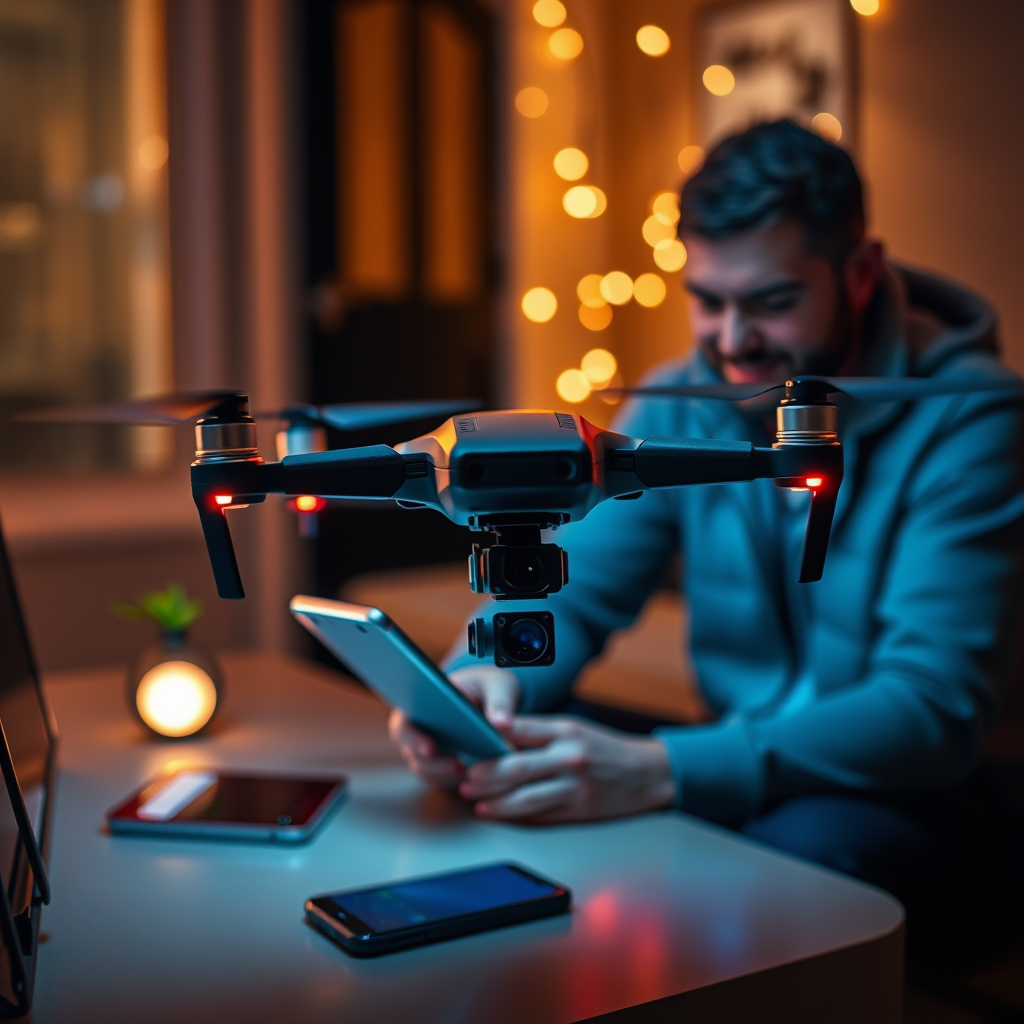
Yes, you can fly your drone at night, but there are specific regulations and safety guidelines you must follow. Understanding these rules will help you enjoy night flying while ensuring compliance with local laws. Night flying presents unique opportunities for capturing stunning aerial imagery and video, yet it also introduces challenges that require careful planning and adherence to safety protocols. In this article, we will explore the key considerations for flying drones at night, including regulations, safety precautions, equipment requirements, local laws, best practices, and the benefits of night flying.
Understanding Night Flight Regulations
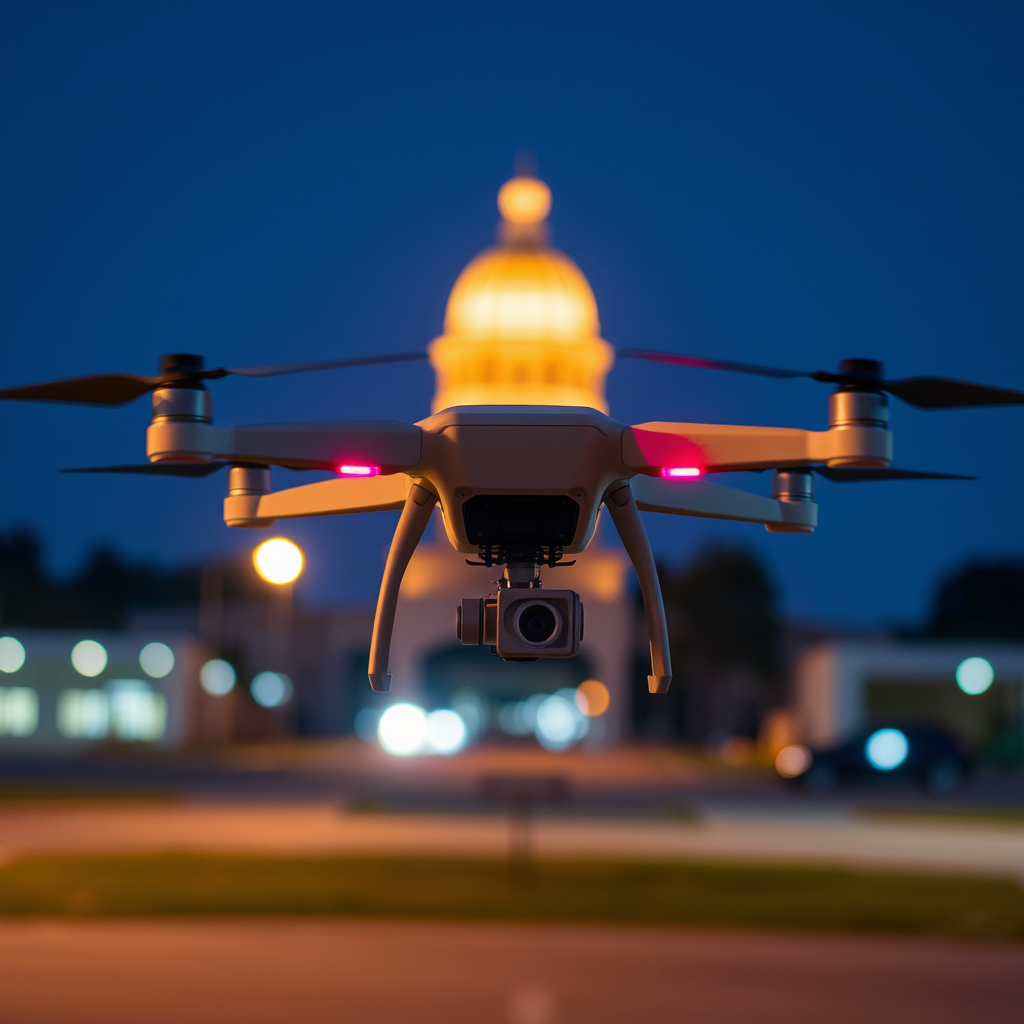
When it comes to flying drones at night, understanding the regulatory landscape is crucial. In many countries, including the United States, aviation authorities have established specific rules designed to ensure safety in the airspace. For instance, in the United States, the Federal Aviation Administration (FAA) mandates that drone operators adhere to Part 107 rules for night flying. According to these regulations, drones must be equipped with anti-collision lights that are visible from a distance of at least three statute miles. This requirement is essential for both the visibility of the drone to other aircraft and for ensuring that the operator can maintain a clear view of the drone’s position in the night sky.
Moreover, operators must complete a training course specific to night operations to acquire the necessary knowledge about the unique challenges posed by low-light conditions. Compliance with these regulations not only ensures legal operation but also enhances the safety of your night flights. Additionally, it’s important to be aware that regulations can vary significantly from one jurisdiction to another, so always check the local laws in your area.
Safety Precautions for Night Flying
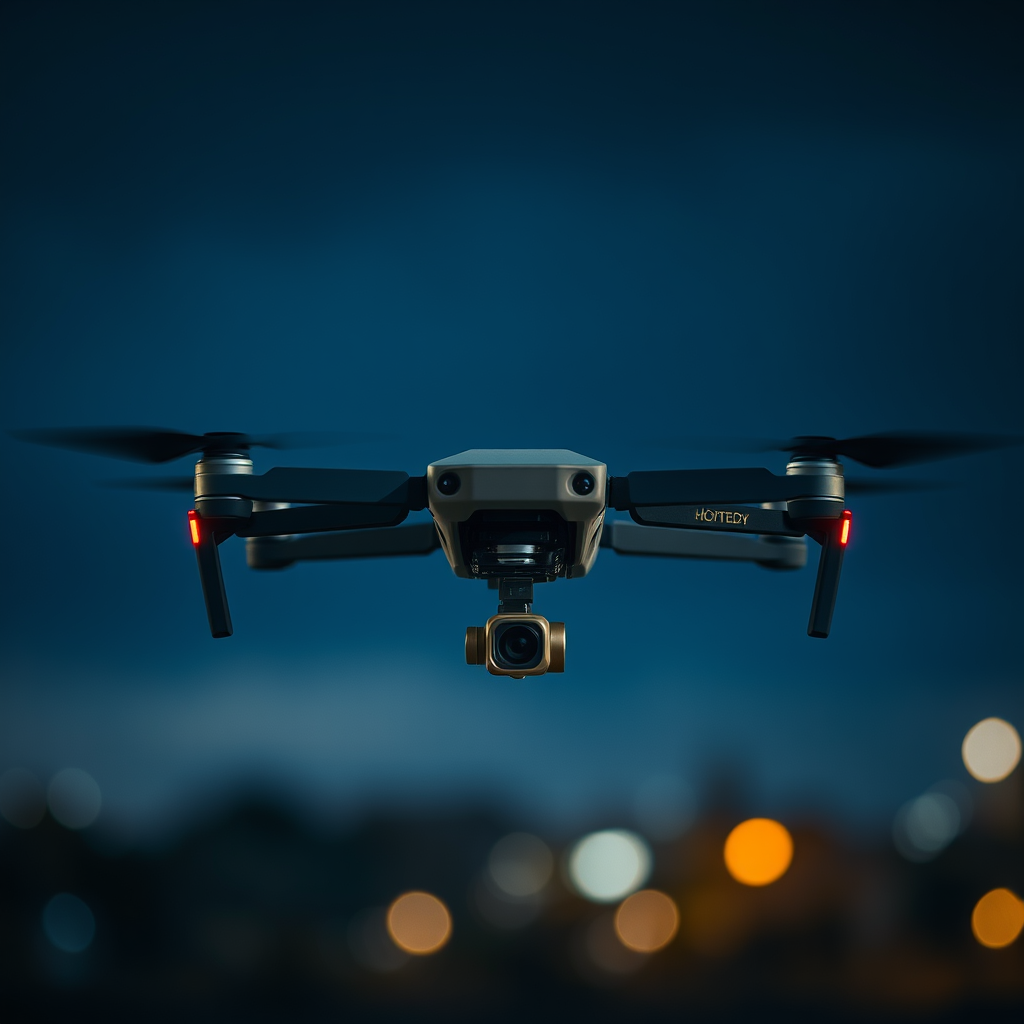
Safety should always be the top priority when flying a drone, especially at night. One of the primary safety precautions is to use bright LED lights on your drone to ensure visibility and orientation. These lights not only help you spot your drone in the dark but also make it easier for others to see your drone, thus reducing the risk of collisions. It’s advisable to use lights that can be seen from a considerable distance and, if possible, to have different colored lights to indicate the front and back of the drone.
Maintaining a clear line of sight is another critical safety practice. In low-light conditions, it can be easy to lose track of your drone, which is why you should always ensure that you can see it with your own eyes. This may require flying at a lower altitude or using a spotter on the ground who can help guide your flight path. Keeping your flights short and familiarizing yourself with the area during daylight hours can also enhance safety.
Equipment Requirements for Night Flights
When preparing for night flying, the equipment you use is paramount. Invest in drones specifically designed for night operations, which often come equipped with advanced lighting systems or even night vision capabilities. These features can greatly enhance your ability to navigate and capture quality footage in the dark. Additionally, consider using camera drones with larger sensors that perform well in low-light conditions, as this can improve the quality of your images and video.
Another essential aspect is battery life. Cold temperatures at night can significantly affect drone performance and battery life. It is advisable to check the battery capacity before each flight and carry extra batteries if possible. Furthermore, consider using insulated battery packs or warming methods to maintain optimal battery performance during night operations.
Local Laws and Restrictions
Before embarking on a night flight, it is crucial to research local ordinances that may restrict or regulate night flying in certain areas. Some municipalities or regions may have specific laws regarding drone operations after dark, which could include designated no-fly zones or restrictions near residential areas. Failure to comply with such regulations could result in fines or other legal repercussions.
Moreover, if you plan to fly in controlled airspace, be sure to obtain any necessary permits or approvals from local authorities. This can include notifying air traffic control or following specific protocols for flying near airports. Understanding and adhering to these local laws will not only keep you compliant but also contribute to the overall safety of the airspace.
Best Practices for Night Flying
Planning is essential for successful night flying. Before taking off, always plan your flight path in advance to avoid potential hazards such as power lines, trees, and other obstacles that may not be easily visible in the dark. Utilizing mapping software can help you visualize your flight route and identify any potential risks.
Additionally, consider using a spotter on the ground to assist with navigation and safety. A spotter can help keep an eye on the drone and provide guidance on potential obstacles or changes in the environment. This teamwork can enhance safety and make for a more enjoyable flight.
Lastly, familiarize yourself with your drone’s controls and features during the day when visibility is optimal. This will ensure that you are comfortable operating your drone in low-light conditions and can react quickly to any unexpected situations.
Benefits of Flying Drones at Night
Flying drones at night offers several unique advantages that can enhance your aerial photography and videography experience. One of the most significant benefits is the ability to capture stunning imagery and video under unique lighting conditions. The contrast of artificial lights in urban areas can create breathtaking visuals that are simply not possible during the day. Whether it’s capturing cityscapes illuminated by streetlights or the glow of fireworks, night flights can result in extraordinary footage.
Moreover, night flying often means less crowded skies. This can provide a tranquil flying experience with fewer disturbances to local wildlife and reduced chances of encountering other aircraft. The quiet of the night can also allow for more focused and creative capture opportunities, making it an ideal time for photographers and videographers looking to push the boundaries of their craft.
In conclusion, while you can fly your drone at night, it’s essential to adhere to regulations and prioritize safety. By understanding the specific rules related to night flying, using the right equipment, and planning your flights carefully, you can have an enjoyable and responsible night flying experience. With the right preparations, the unique benefits of night flying, including stunning visuals and less crowded airspace, can significantly enhance your drone flying adventures.
Frequently Asked Questions
Can you fly your drone at night legally?
Yes, you can fly your drone at night, but you must adhere to specific regulations set by the Federal Aviation Administration (FAA). Pilots must have a Part 107 Remote Pilot Certificate and ensure their drone is equipped with anti-collision lights that are visible for at least three statute miles. Additionally, it’s crucial to follow local laws and any restrictions that may apply to nighttime flying.
What safety measures should I take when flying a drone at night?
When flying a drone at night, safety is paramount. Ensure your drone has proper lighting, like LED lights, to maintain visibility and avoid collisions. Familiarize yourself with the area you’re flying in to prevent accidents and have a reliable way to navigate, such as using GPS. Additionally, having a clear plan for takeoff and landing, as well as being aware of any potential obstacles, is essential for safe nighttime operation.
How can I improve visibility when flying my drone at night?
Improving visibility when flying your drone at night involves using high-quality lighting systems. Equip your drone with bright LED lights or other illumination devices that enhance visibility for both you and others. It’s also beneficial to utilize night vision goggles or a camera with low-light capabilities to help you see your drone’s surroundings more clearly. Always make sure to fly within your line of sight, even in low-light conditions.
Why is flying a drone at night more challenging than during the day?
Flying a drone at night presents unique challenges, primarily due to reduced visibility and the difficulty in spotting obstacles and other aircraft. The lack of natural light can make it harder to judge distances and navigate effectively. Additionally, without proper lighting, it can be challenging to maintain awareness of your drone’s position in the sky, increasing the risk of accidents or losing control of the aircraft.
What are the best practices for planning a nighttime drone flight?
To plan a successful nighttime drone flight, start by checking local regulations and obtaining any necessary permits. Choose a well-lit area for takeoff and landing, and scout the location during daylight to familiarize yourself with potential hazards. Ensure your drone is equipped with adequate lighting and test your equipment before flying. Lastly, consider bringing a spotter to help monitor your surroundings and assist with navigation.
References
- https://www.faa.gov/uas/getting_started/part_107
- https://www.faa.gov/uas/faq
- https://www.nasa.gov/feature/nasa-drone-research-flying-at-night
- https://www.ama-ama.org/drones/faq/
- https://www.ku.edu/kucrl/publications/2020/Drone_Night_Flight.pdf
- https://www.airmap.com/blog/drone-night-flight-regulations/
- https://www.reuters.com/technology/why-flying-drones-night-just-got-easier-2021-04-14/
