
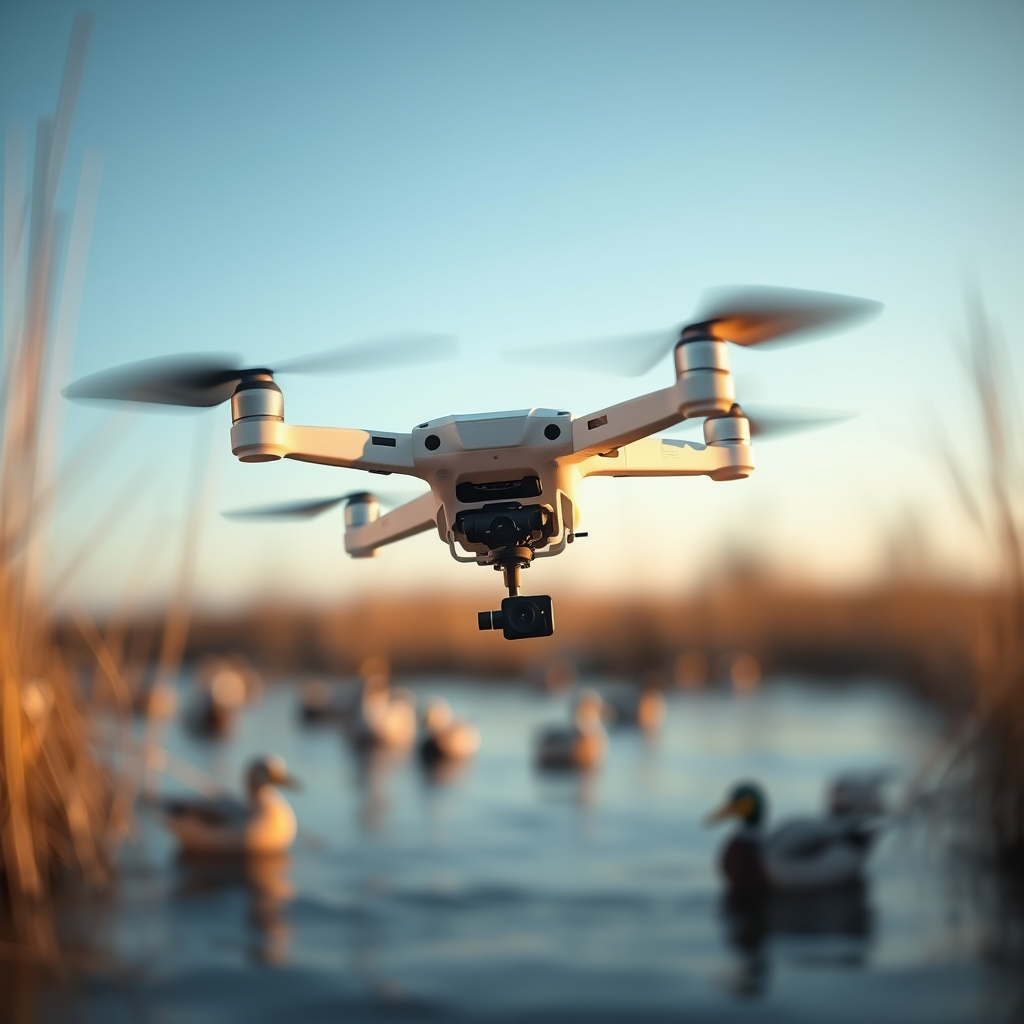
Yes, you can use a drone to scout for ducks. Drones provide an efficient way to survey large areas of water and wetlands, helping hunters and wildlife enthusiasts locate duck populations without disturbing them. This technology enhances scouting efforts and can increase the chances of a successful outing by offering a bird’s-eye view of habitats that might otherwise be challenging to access.
Understanding Drone Regulations for Hunting
Before embarking on your drone-assisted scouting adventures, it’s essential to familiarize yourself with local laws regarding drone usage in hunting areas. Regulations can vary significantly from one region to another, and some areas may prohibit drone use entirely during hunting seasons. Additionally, the Federal Aviation Administration (FAA) has specific regulations that must be adhered to, including restrictions on flying above certain altitudes, maintaining a line of sight with your drone, and ensuring that you do not fly over people or private property without permission.
Acquiring the necessary permits is another crucial step in ensuring that your drone usage remains compliant with the law. Some states may require special licenses or certifications for operating drones in hunting environments. It’s advisable to consult your local wildlife agency and familiarize yourself with the relevant laws to avoid potential fines and ensure ethical practices.
Choosing the Right Drone for Duck Scouting
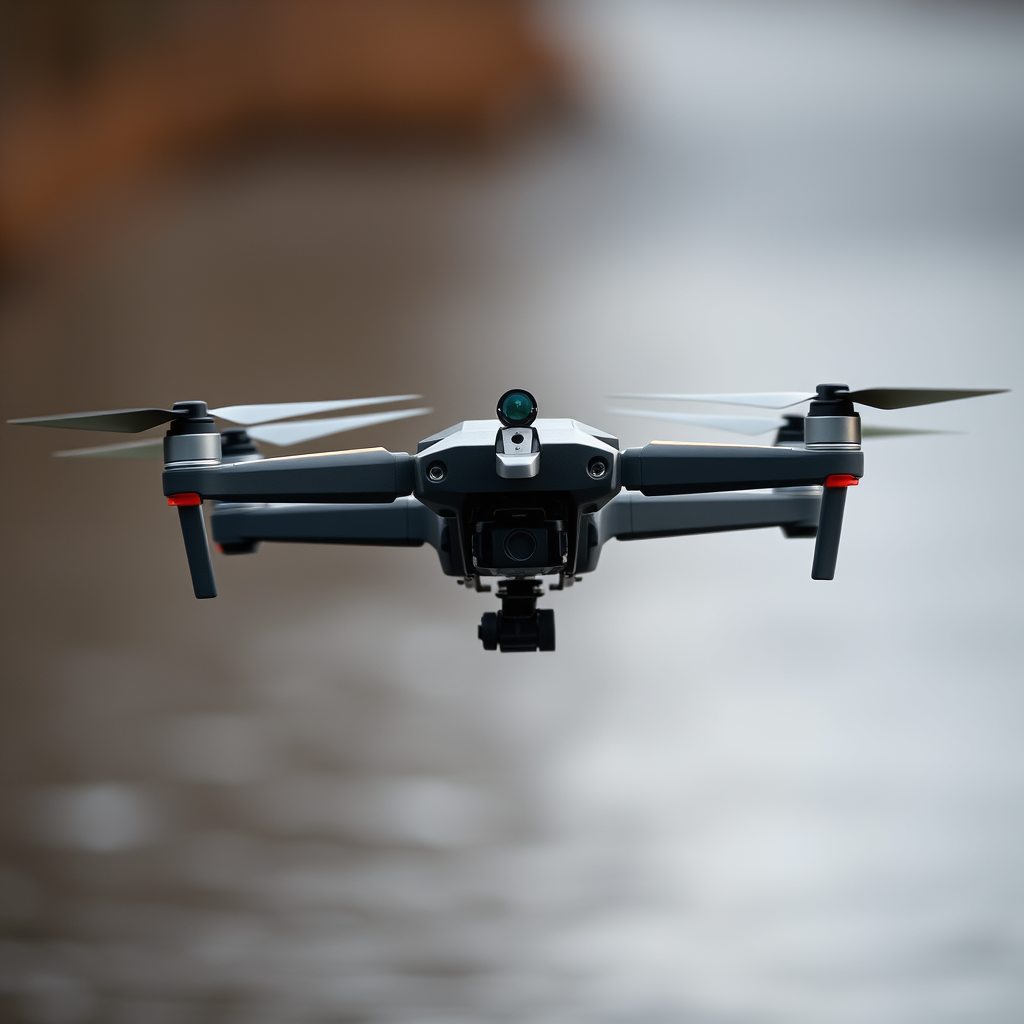
Selecting the right drone is critical for effective duck scouting. One of the primary features to look for is a high-resolution camera capable of capturing clear images and videos. Drones with 4K cameras allow for excellent detail, making it easier to identify duck species and assess their numbers from a distance. Additionally, drones equipped with thermal imaging can be beneficial during low-light conditions, providing insights into duck movements without disturbing them.
Battery life and range are also significant factors to consider. A drone that offers at least 25-30 minutes of flight time will enable you to cover a sizable area without needing frequent recharges. Look for models with a range of at least one mile to ensure you can scout larger bodies of water effectively. Some popular options include the DJI Mavic Air 2 and the Autel Robotics EVO Lite, both known for their high-quality cameras and impressive flight capabilities.
Best Practices for Using Drones to Scout Ducks
Maximizing the effectiveness of your drone scouting requires adhering to best practices. One fundamental guideline is to fly at a safe altitude – typically around 100-200 feet – to avoid startling the ducks. Disturbing wildlife can lead to changes in behavior, making it more difficult to gauge their presence accurately.
The timing of your drone flights is equally important. Early mornings and late evenings are generally when ducks are most active, allowing for better observation of their behaviors and movements. Be mindful of weather conditions as well; overcast days may provide more consistent lighting and enhance visibility.
Additionally, keep in mind the importance of flight planning. Pre-programmed flight paths can help capture consistent and thorough footage, allowing you to focus on monitoring the drone’s operation instead of worrying about piloting.
Analyzing Drone Footage for Duck Locations
Once you have captured drone footage, the next step is analyzing it for duck locations. Understanding how to interpret the imagery is key to identifying duck species and estimating their numbers. Look for specific patterns in behavior, such as feeding, resting, or flying, which can provide insights into their habits and preferences.
Utilizing software tools can enhance your analysis. Programs such as DroneDeploy and Pix4D allow users to create detailed maps and analyze their footage more effectively. These tools can help in identifying hotspots where ducks are congregating, as well as providing data about the surrounding environment that may influence duck populations.
In addition to species identification, you can also monitor changes in the habitat over time, which is valuable for understanding population dynamics and making informed decisions about future scouting efforts.
Ethical Considerations When Using Drones
While drones offer significant advantages for scouting, ethical considerations must remain a priority. Respect for wildlife is paramount; overflying nesting areas or congregations of ducks can cause undue stress and disrupt their natural behaviors. It’s essential to familiarize yourself with the local wildlife laws and practices to ensure that drone usage does not negatively impact the animals or their habitat.
Moreover, being considerate of other hunters and recreational users in the area is crucial. Drones can generate noise and may disrupt the experience of others in the field. Always communicate your intentions clearly with fellow hunters and abide by any local regulations regarding drone usage in shared spaces.
Complementing Drone Use with Traditional Scouting
To achieve the best results in duck scouting, consider complementing drone usage with traditional scouting methods. Ground observations can provide context and physical evidence that drones may not capture, such as specific vegetation types or water conditions that attract ducks. By combining both methods, you can develop a comprehensive understanding of the area and the ducks’ habits.
Furthermore, using data collected from your drone can enhance traditional scouting. For example, if your drone footage reveals certain areas where ducks frequently gather, you can focus your ground scouting efforts in those locations. This integrated approach can lead to more informed decisions and increase your chances of a successful outing.
In conclusion, using a drone to scout for ducks can significantly enhance your hunting experience. By following regulations, choosing the right equipment, and adhering to ethical practices, you can effectively utilize this technology to improve your scouting efforts. As you blend modern technology with traditional methods, you’ll not only increase your chances for success but also foster a deeper understanding of the ducks and their habitats. Happy hunting!
Frequently Asked Questions
Can you legally use a drone to scout for ducks?
Yes, you can legally use a drone to scout for ducks, but it is important to follow the regulations set forth by the Federal Aviation Administration (FAA) and any local laws. Drones must be registered, and operators need to adhere to guidelines regarding altitude, proximity to wildlife, and no-fly zones, especially near hunting areas. Always ensure you have the necessary permissions, especially if you are operating in public lands or wildlife reserves.
What are the benefits of using a drone for duck scouting?
Using a drone for duck scouting offers several advantages, including the ability to cover large areas quickly and access hard-to-reach locations without disturbing wildlife. Drones equipped with high-resolution cameras provide real-time aerial views, allowing hunters to identify duck populations, water conditions, and potential hunting spots from above. This technology can enhance scouting efficiency and improve your chances of a successful hunt.
How can I effectively scout for ducks using a drone?
To effectively scout for ducks using a drone, start by planning your flight path over known duck habitats, such as wetlands, lakes, and rivers. Utilize a drone with a high-quality camera to capture detailed images and videos, helping you spot duck movements and patterns. Make sure to fly at a safe distance to avoid disturbing the birds, and consider flying at different times of the day to observe varying activity levels. Lastly, keep track of weather conditions, as they can greatly affect duck behavior.
What features should I look for in a drone for duck scouting?
When choosing a drone for duck scouting, look for features like a high-resolution camera (preferably 4K), long battery life, and reliable GPS capabilities for precise navigation. Drones with obstacle avoidance sensors are beneficial for flying in complex environments. Additionally, consider the range of the drone; a longer flight range allows for broader scouting areas without needing to land frequently.
Which drone models are best suited for scouting ducks?
Some of the best drone models for scouting ducks include the DJI Mavic Air 2, which offers excellent camera quality and robust flight capabilities, and the DJI Phantom 4 Pro, known for its superior image quality and stability in windy conditions. The Autel Robotics EVO Lite+ is another great option, providing high-resolution imaging and impressive flight time. These drones not only meet the needs of duck scouting but also have user-friendly features for beginners and experienced pilots alike.
References
- https://www.nytimes.com/2021/11/23/science/drone-hunting.html
- https://www.fws.gov/program/waterfowl
- https://www.nrcs.usda.gov/wps/portal/nrcs/main/national/home/
- https://www.usgs.gov/mission-areas/water-resources/science/waterfowl-detection-and-survey
- https://www.wildlife.org/drones-in-wildlife-research/
- https://www.nature.com/articles/s41598-020-66351-5
- https://www.sciencedirect.com/science/article/abs/pii/S0140988320301287
