
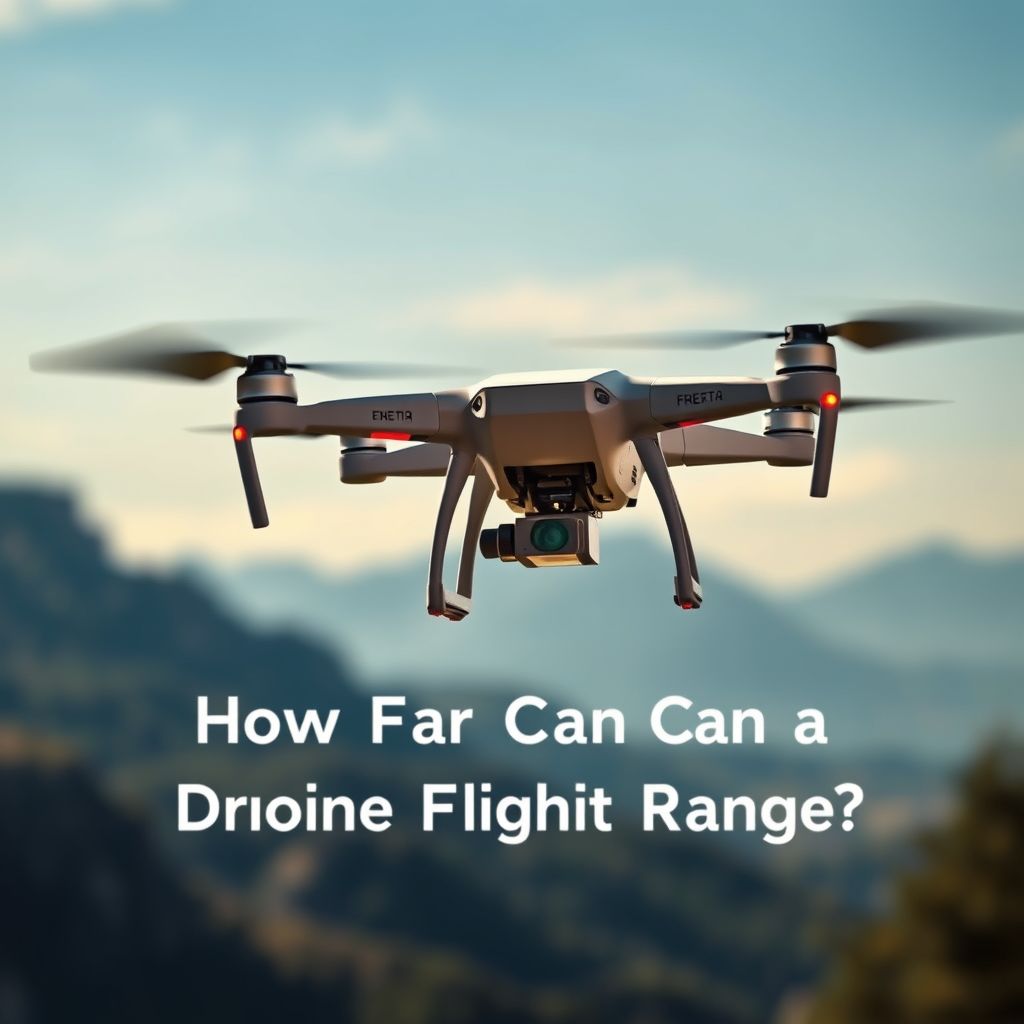
Drones can typically fly anywhere from 1,000 feet to several miles, depending on the model and conditions. Understanding the factors that influence a drone’s flight range can help users choose the right drone for their needs and ensure optimal performance. With advancements in technology and a growing number of applications for drones, knowing how far these devices can fly is crucial for both recreational users and professionals alike.
Factors Influencing Drone Flight Range
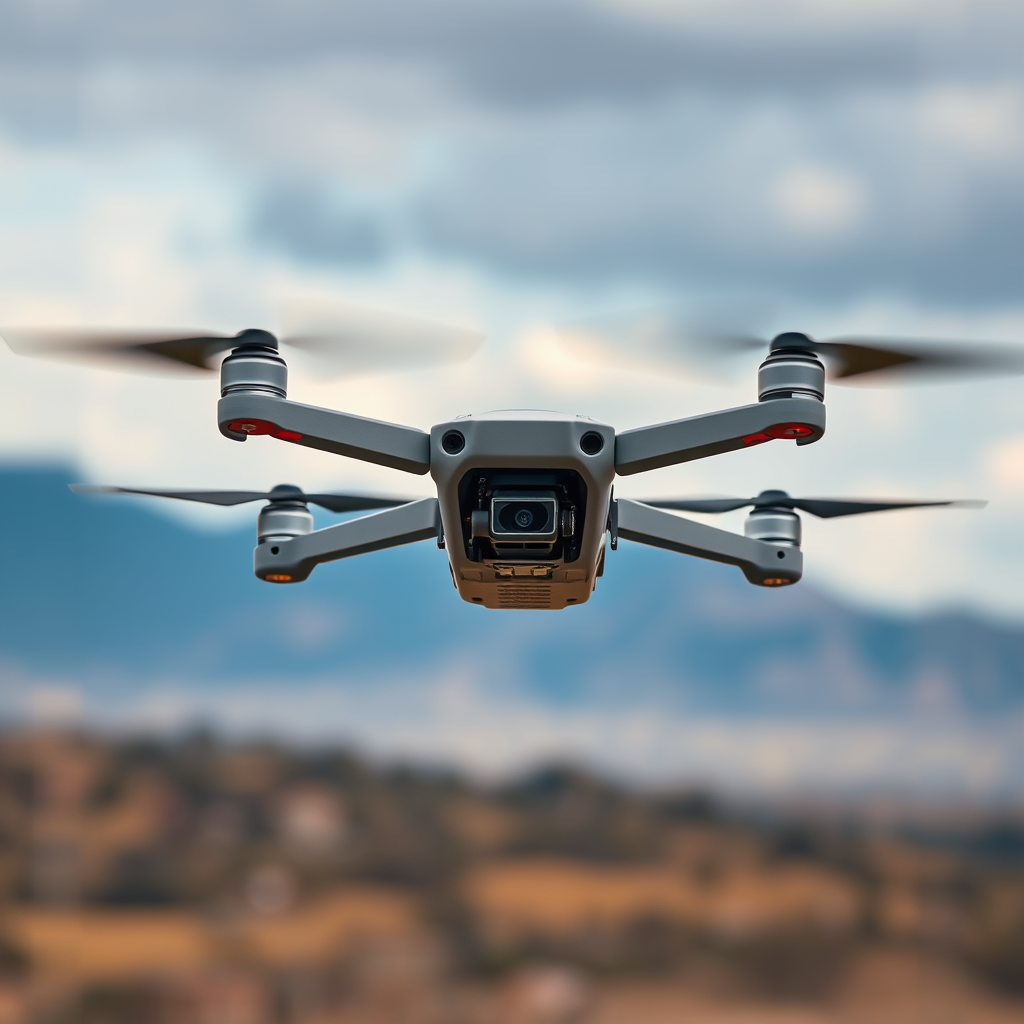
Several key factors affect how far a drone can fly, primarily focusing on battery capacity and signal strength.
– Battery capacity: The size and quality of the drone’s battery are critical determinants of its flight time and range. Most consumer drones operate on lithium polymer (LiPo) batteries, which are lightweight and capable of delivering high energy. For example, a drone with a 3,000 mAh battery can typically fly for 20 to 30 minutes under optimal conditions. However, as the battery drains, the drone’s ability to maintain its altitude and control diminishes, curtailing its range.
– Signal strength: The effectiveness of the remote control and GPS signal significantly impacts a drone’s operational range. Drones rely on radio signals to communicate with their controllers and GPS satellites for navigation. The range of the remote control can vary from 1,000 feet to over 7 miles, depending on the model. For instance, higher-end models like the DJI Mavic 2 Pro can achieve a range of up to 8 miles in optimal conditions, while budget models may be limited to just a few thousand feet. Environmental factors such as interference from buildings or electromagnetic fields can also hinder signal strength and, consequently, range.
Types of Drones and Their Ranges
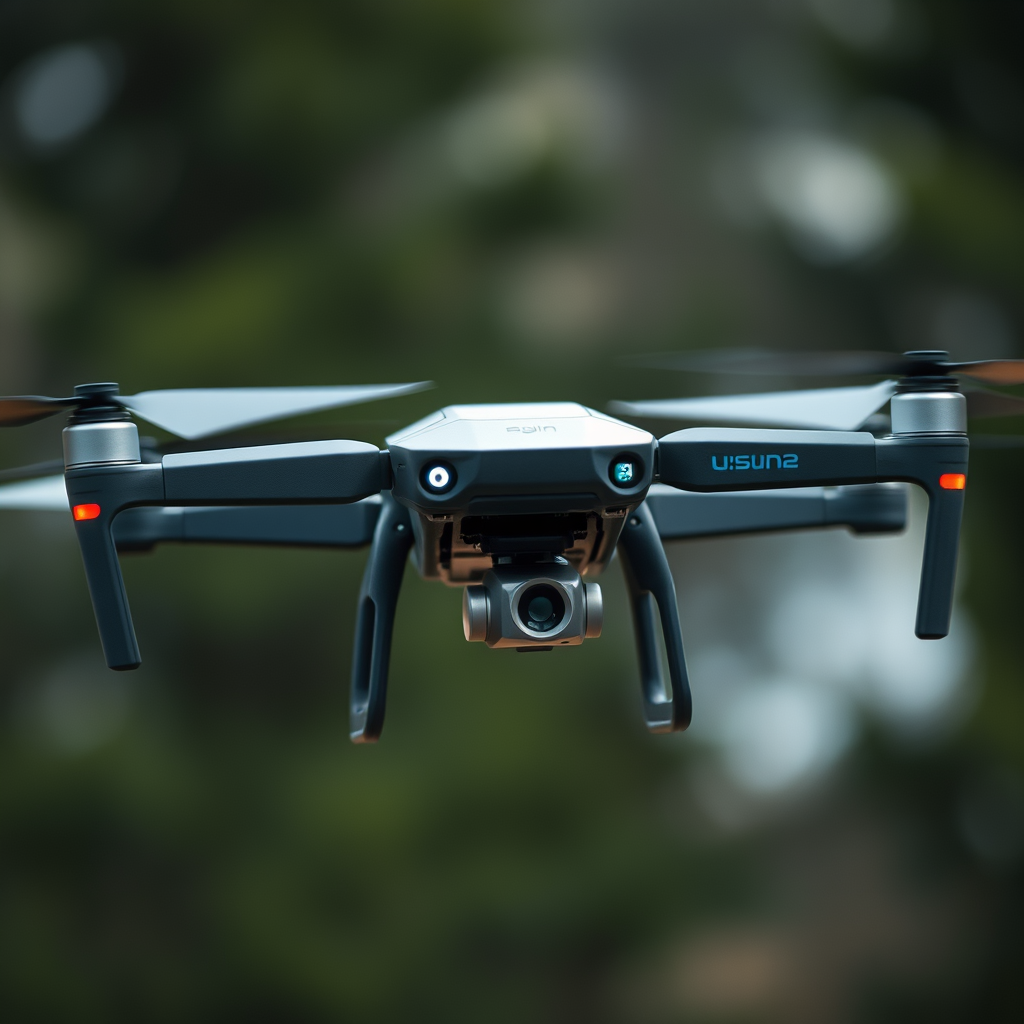
Understanding the different categories of drones is essential for assessing their flight capabilities.
– Consumer drones: Most consumer drones are designed for recreational use and typically have a flight range of 1 to 5 miles. Models like the DJI Mini 2 offer a range of up to 6 miles, making them suitable for hobbyists who wish to capture aerial photography or enjoy flying. These drones often feature user-friendly controls, making them accessible for beginners while still providing impressive range.
– Professional drones: Professional-grade drones are engineered for industrial applications, such as surveying, mapping, and search-and-rescue missions. These drones can fly significantly farther, with ranges extending up to 10 miles or more. For instance, the DJI Matrice 300 RTK boasts a maximum range of around 15 km (approximately 9.3 miles), allowing operators to cover extensive areas without needing to reposition the drone constantly. These drones are equipped with advanced technology, including enhanced GPS systems and robust battery capabilities, to ensure reliable performance over long distances.
Environmental Conditions Affecting Range
Environmental factors can have a considerable impact on a drone’s effective flight range.
– Weather impacts: Adverse weather conditions such as high winds, rain, and extreme temperatures can significantly reduce a drone’s flight range. Wind resistance can lead to increased battery consumption, while rain can affect the drone’s electronics and overall stability. For example, flying a drone in gusty winds may require more power to maintain altitude, thus shortening the overall flight duration. Temperature extremes can also affect battery performance, with cold weather leading to reduced battery efficiency.
– Terrain considerations: The landscape over which a drone is flown can interfere with both its signal and range. Flying over obstacles like hills or buildings can obstruct the line of sight between the drone and its controller, limiting range. For example, a drone flying in a densely populated urban area may experience signal degradation due to interference from concrete structures, while flying in open fields may allow for optimal signal transmission and increased range. Pilots should be aware of the terrain and plan their flights accordingly to mitigate these challenges.
Legal Regulations and Flight Restrictions
Legal regulations can also impose restrictions on how far a drone can legally fly.
– FAA regulations: In the United States, the Federal Aviation Administration (FAA) has established specific guidelines that drone pilots must follow, which can affect flight distances. For instance, recreational pilots are generally required to fly within visual line of sight, limiting how far they can operate their drones. Furthermore, the FAA mandates that pilots register drones that weigh more than 0.55 pounds, which entails compliance with various operational guidelines that may affect range.
– No-fly zones: Certain areas, such as airports, military bases, and national parks, are designated as no-fly zones where drone flights are strictly prohibited. These restrictions can significantly impact a pilot’s ability to utilize their drone for long-distance flights. For instance, a pilot planning an aerial photography session may need to adjust their location to avoid restricted airspace, leading to a reduced range of operation. Awareness of local regulations and no-fly zones is crucial for responsible drone operation.
Tips for Maximizing Drone Flight Range
To make the most of a drone’s capabilities, pilots can follow several best practices.
– Pre-flight checks: Conducting thorough pre-flight checks is essential to ensure that the drone is fully charged and that the firmware is updated. Regular maintenance, such as checking propellers and battery health, can enhance performance and extend flight range. Additionally, ensuring that the drone’s GPS is calibrated will help maintain optimal connectivity during flight.
– Optimal flying conditions: Choosing the right time and conditions for flying can significantly impact the drone’s performance. Flying on calm days with minimal wind and clear skies will not only enhance stability but also help achieve maximum distance. Pilots should also avoid flying in areas with high electromagnetic interference, such as near radio towers or power lines, as this can negatively impact signal strength.
Future Trends in Drone Technology
The future of drone technology holds promise for extending flight ranges and enhancing capabilities.
– Advancements in battery life: Researchers are continually exploring new battery technologies that may significantly increase the range of future drones. Innovations such as solid-state batteries and fuel cell technology could lead to substantial improvements in energy efficiency, allowing drones to fly longer distances without needing to recharge.
– Enhanced communication systems: Innovations in signal transmission and communication systems are expected to improve the operational range of drones. Techniques such as 5G connectivity and satellite communication could enable drones to maintain reliable connections over vast distances, further expanding their functional capabilities in various applications, including delivery services and emergency response.
In summary, understanding how far a drone can fly involves considering a multitude of factors, including technology, environmental conditions, and regulatory frameworks. By staying informed and implementing best practices, drone enthusiasts and professionals alike can maximize their flying experience and explore the full potential of drone technology. As advancements continue to shape the industry, the possibilities for drone applications are virtually limitless.
Frequently Asked Questions
How far can consumer drones typically fly?
Consumer drones generally have a flight range of about 1 to 5 miles (1.6 to 8 kilometers) from the pilot, depending on the model and environmental conditions. High-end models can reach distances up to 7 miles (11 kilometers) or more, especially those equipped with advanced communication technology like OcuSync or Lightbridge. However, it’s crucial to check local regulations and battery life, as these can significantly impact the maximum operational distance.
What factors affect how far a drone can fly?
Several factors influence a drone’s flight distance, including battery life, signal strength, weight, and environmental conditions. Wind and obstacles can disrupt signal transmission, while heavier payloads may reduce flight efficiency. Additionally, the frequency band used (2.4 GHz vs. 5.8 GHz) can affect range, with 2.4 GHz often providing a longer distance but potentially experiencing more interference.
Why is the maximum flight distance of a drone limited?
The maximum flight distance of a drone is primarily limited by battery capacity and signal transmission range. As a drone flies further away, it consumes more battery power to maintain altitude and control. Signal degradation over distance can also lead to loss of control, making it essential for manufacturers to set limits to ensure safety and compliance with aviation regulations.
Which drones have the longest flight range?
Some of the drones known for their impressive flight range include the DJI Mavic 3, which can fly up to 9 miles (15 kilometers), and the DJI Phantom 4 Pro, with a range of about 4.3 miles (7 kilometers). Additionally, the Autel Robotics EVO Lite+ boasts a range of approximately 7.4 miles (12 kilometers). When selecting a drone for long-range flying, consider both the manufacturer’s specifications and the legal restrictions in your area.
How can I extend the flight range of my drone?
To extend your drone’s flight range, consider using a high-gain antenna or signal booster, which can enhance the communication between the drone and the remote controller. Additionally, flying in open areas free from obstacles can reduce signal interference, while carrying out regular maintenance on your drone’s battery can improve performance. It’s also advisable to familiarize yourself with local regulations regarding flight distances to ensure safe and legal operations.
References
- https://en.wikipedia.org/wiki/Drone
- https://www.faa.gov/uas/getting_started/part_107
- https://www.abc.net.au/news/2021-01-14/drones-distance-range-how-far-fly/13049372
- https://www.nytimes.com/2021/10/12/technology/drones-range-batteries.html
- https://www.researchgate.net/publication/331922582_The_Range_of_Drones_An_Overview_of_Theoretical_and_Experimental_Results
- https://www.sciencedirect.com/science/article/pii/S2351978921000420
- https://www.nasa.gov/press-release/nasa-s-new-drone-can-fly-for-hours-at-a-time
- https://www.droneadvocacy.org/what-is-the-flight-range-of-drones/
- https://www.theguardian.com/technology/2022/jun/14/drone-technology-distance-capabilities-advancements
