
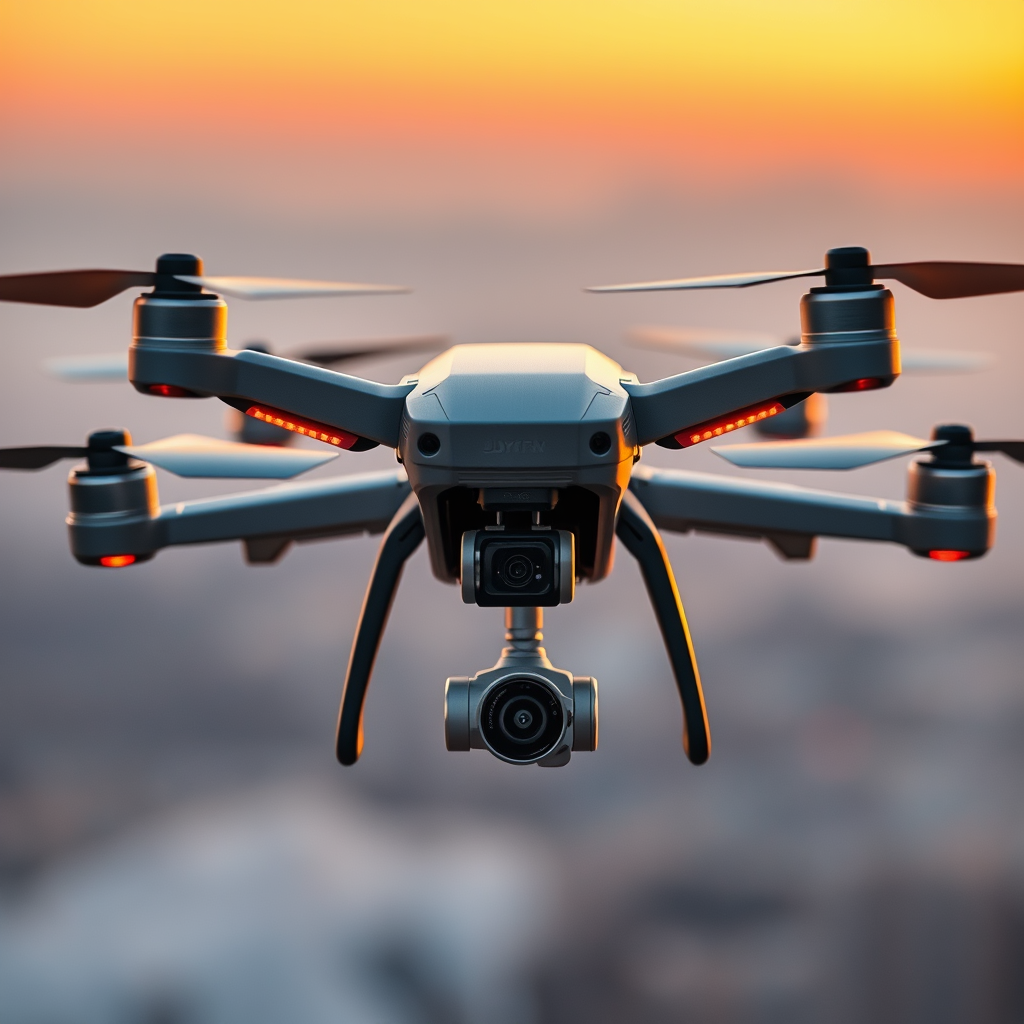
Most DJI drones can fly up to 400 feet (120 meters) above ground level, as recommended by aviation authorities. This altitude limit is crucial for ensuring the safety of both drone operators and manned aircraft in the vicinity. However, several factors such as drone model, local regulations, and environmental conditions can influence this maximum altitude. In this article, we will delve deeper into these aspects to provide a comprehensive understanding of DJI drone flight limits, ensuring that drone enthusiasts are well-informed and compliant with applicable guidelines.
Understanding DJI Drone Altitude Limits
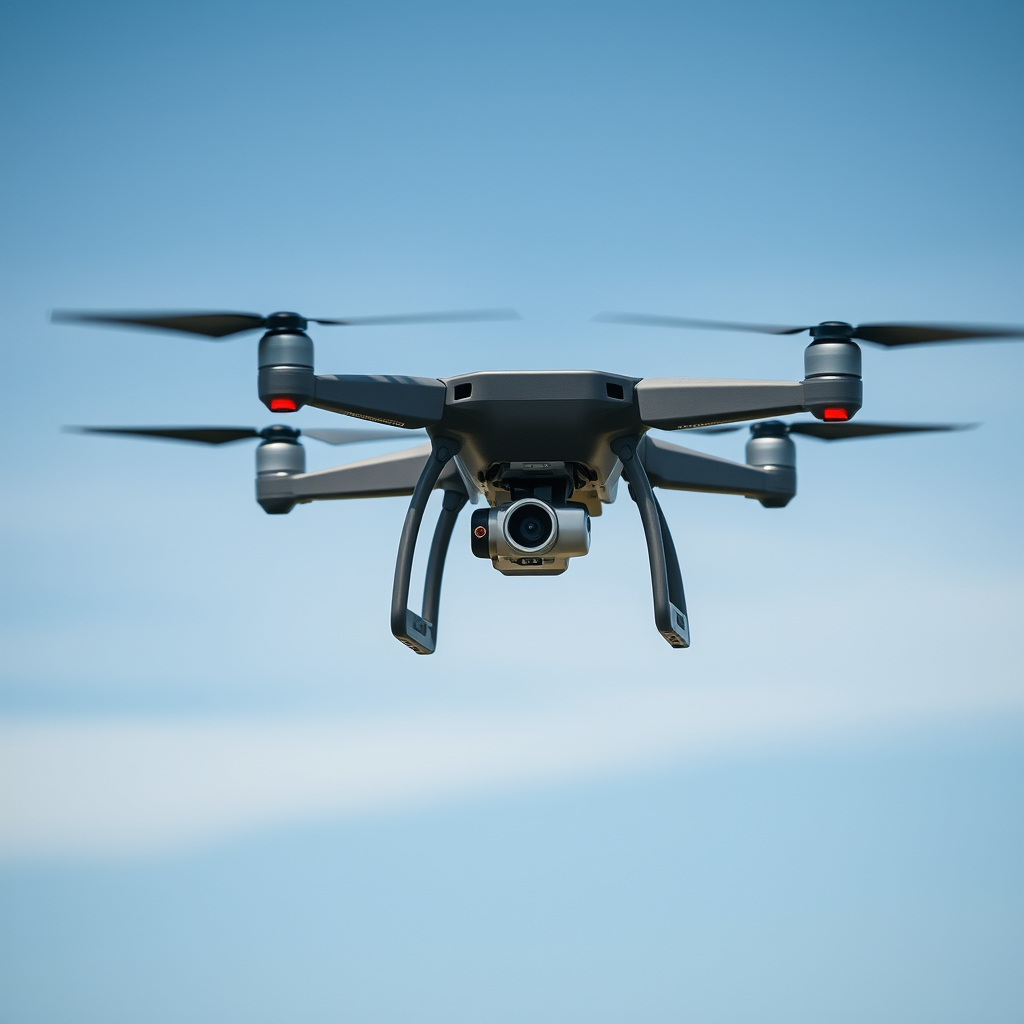
DJI drones are specifically designed with a maximum altitude of 400 feet to align with safety regulations set forth by aviation authorities, including the Federal Aviation Administration (FAA) in the United States. This altitude ceiling is established to prevent potential collisions with manned aircraft, which typically operate at altitudes above 500 feet. By restricting drone flight to 400 feet, DJI aims to create a safer airspace environment, allowing both commercial and recreational drone users to coexist without jeopardizing aviation safety.
In addition to these restrictions, DJI integrates altitude limiters into their drones, which serve as built-in safety features to prevent users from exceeding the recommended flight heights. For instance, when a pilot approaches the 400-foot limit, the drone will emit a warning signal, prompting the operator to check their altitude and adjust their flight plan accordingly. Understanding these limits is not only crucial for safety but also helps drone operators make informed decisions during their flights.
Factors Influencing Flight Altitude
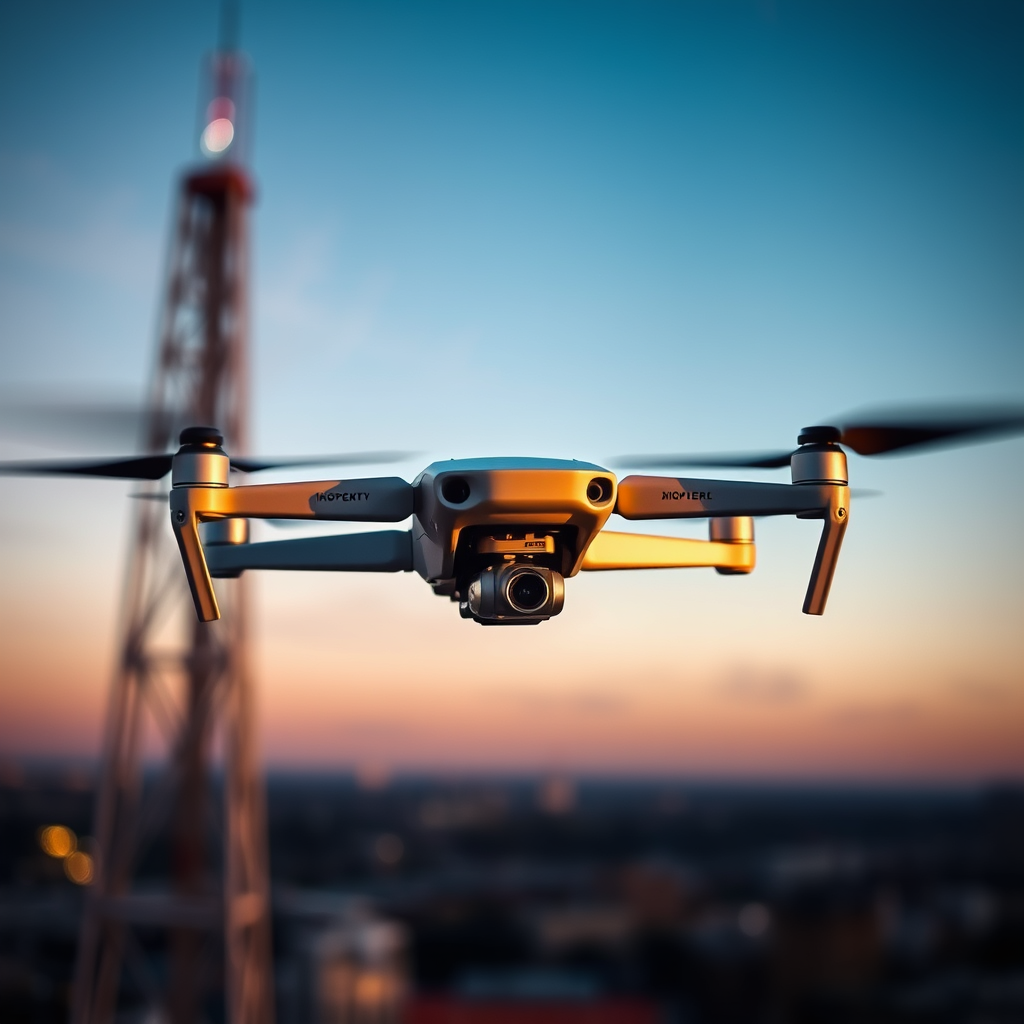
While the standard maximum altitude for DJI drones is 400 feet, various factors can influence this limit. One of the primary considerations is local regulations, which may impose stricter height limits in certain areas. For example, urban environments, near airports, or in designated no-fly zones may have additional restrictions that dictate lower altitudes for drone operations. Therefore, it is essential for drone pilots to familiarize themselves with local laws and any temporary flight restrictions that may apply.
Environmental conditions also play a significant role in determining a drone’s effective flight altitude. Wind speed, for example, can greatly affect a drone’s stability and performance. High winds can make it challenging to maintain control, especially at higher altitudes where wind currents are often stronger. Additionally, adverse weather conditions such as rain, fog, or snow can impair visibility and hinder safe operation. Pilots should always assess these environmental factors before embarking on a flight, as they can significantly influence both the safety and success of the operation.
Different Models, Different Limits
The DJI lineup features a variety of drone models, each with unique specifications regarding altitude capabilities. For instance, the DJI Mini series is known for its lightweight design and user-friendly features, making it a popular choice for beginners. The DJI Mini 2, for example, can reach altitudes up to 400 feet, similar to other DJI models, but it also offers extended flight times and improved wind resistance, making it suitable for a range of flying conditions.
On the other hand, advanced models like the DJI Mavic 3 and the DJI Phantom 4 Pro are equipped with sophisticated technology that allows for enhanced flying capabilities. These drones may not only reach the standard altitude limit but also provide additional features such as obstacle avoidance and advanced flight modes which can improve operational efficiency. For experienced pilots, these capabilities can facilitate higher operational altitudes, although it remains crucial to adhere to the maximum altitude limits set by aviation authorities.
Safety and Compliance Considerations
Flying above the recommended altitude can lead to significant safety risks, including potential collisions with manned aircraft and other drones. Furthermore, exceeding these limits may result in legal consequences, including fines or the revocation of flying privileges. Compliance with local laws is not only a legal responsibility but also a moral obligation to maintain the safety of the airspace for all users.
To promote safety, DJI encourages pilots to undergo proper training and education before operating their drones. This includes understanding the specific features and limitations of their drone model, as well as familiarizing themselves with the regulatory landscape governing drone operations. By prioritizing safety and compliance, drone pilots can contribute to a more responsible and respectful flying culture.
Tools for Monitoring Flight Altitude
To assist pilots in monitoring their flight altitude, DJI provides several tools within its app ecosystem. The DJI Fly app, for instance, offers real-time altitude data during flights, allowing pilots to easily track their height and ensure they remain within safe limits. This feature enhances situational awareness and helps prevent unintentional altitude violations.
Additionally, the app includes altitude warnings that alert pilots when they are approaching maximum limits. Such alerts serve as a crucial reminder for operators to maintain vigilance and adjust their flight paths accordingly. Furthermore, integrating altitude monitoring with other flight metrics, such as battery life and GPS signal strength, allows for a more comprehensive understanding of the drone’s operational status.
Tips for Safe Flying at Altitude
To ensure a safe flying experience at higher altitudes, drone operators should adhere to a set of best practices. First and foremost, conducting a thorough pre-flight check is essential. This includes verifying that all equipment is functioning properly, the battery is fully charged, and the firmware is up to date. A pre-flight checklist can help mitigate potential issues that may arise during flight.
Additionally, being aware of your surroundings is critical. Pilots should avoid flying near obstacles such as buildings, trees, or power lines that could hinder their ability to navigate safely. Staying informed about local air traffic and any temporary flight restrictions is also paramount, as it allows for more responsible drone operation.
Lastly, it is advisable to practice flying in open areas with minimal air traffic before attempting more complex maneuvers or higher altitudes. This not only builds confidence but also enhances piloting skills, ultimately contributing to a safer flying experience.
In summary, while DJI drones can reach altitudes of up to 400 feet, several factors must be considered to ensure safe and responsible flying. Awareness of local regulations, understanding the capabilities of different drone models, and utilizing monitoring tools can significantly enhance the overall flying experience. By prioritizing safety and compliance, drone operators can enjoy their activities while contributing to a secure airspace environment.
Frequently Asked Questions
What is the maximum altitude a DJI drone can fly?
The maximum altitude a DJI drone can fly typically ranges from 400 to 500 meters (approximately 1,300 to 1,640 feet) above ground level, depending on the model. This altitude limit is set in compliance with aviation regulations to ensure the safety of manned aircraft. Always check your specific model’s user manual for exact specifications, as flight limits may vary.
How can I increase the flying height of my DJI drone?
While DJI drones are programmed to adhere to altitude restrictions to comply with aviation regulations, users can adjust altitude settings in the DJI app. However, it’s crucial to note that flying above the permitted altitude can lead to legal repercussions and safety hazards. Always prioritize safety and follow local laws regarding drone flight.
Why do DJI drones have altitude limits?
DJI drones have altitude limits primarily to ensure the safety of airspace and prevent collisions with manned aircraft. These regulations help maintain a safe flying environment for both drone operators and pilots of traditional aircraft. By adhering to these limits, drone users can contribute to responsible flying practices.
Which DJI drone has the highest maximum altitude?
The DJI Matrice 300 RTK boasts one of the highest maximum altitudes among DJI models, capable of flying up to 7,000 meters (approximately 22,965 feet) in certain conditions. However, this capability is often subject to specific regional regulations and may not be practical for typical consumer use. Always verify the local airspace regulations before attempting high-altitude flights.
What should I do if my DJI drone exceeds the altitude limit during flight?
If your DJI drone exceeds the altitude limit during flight, it is essential to bring it back within the allowed height promptly. Most DJI drones have built-in altitude limiters that will automatically restrict ascent; however, if this fails, gently reduce throttle to descend safely. Always ensure your drone is updated with the latest firmware to maintain compliance with altitude regulations.
