
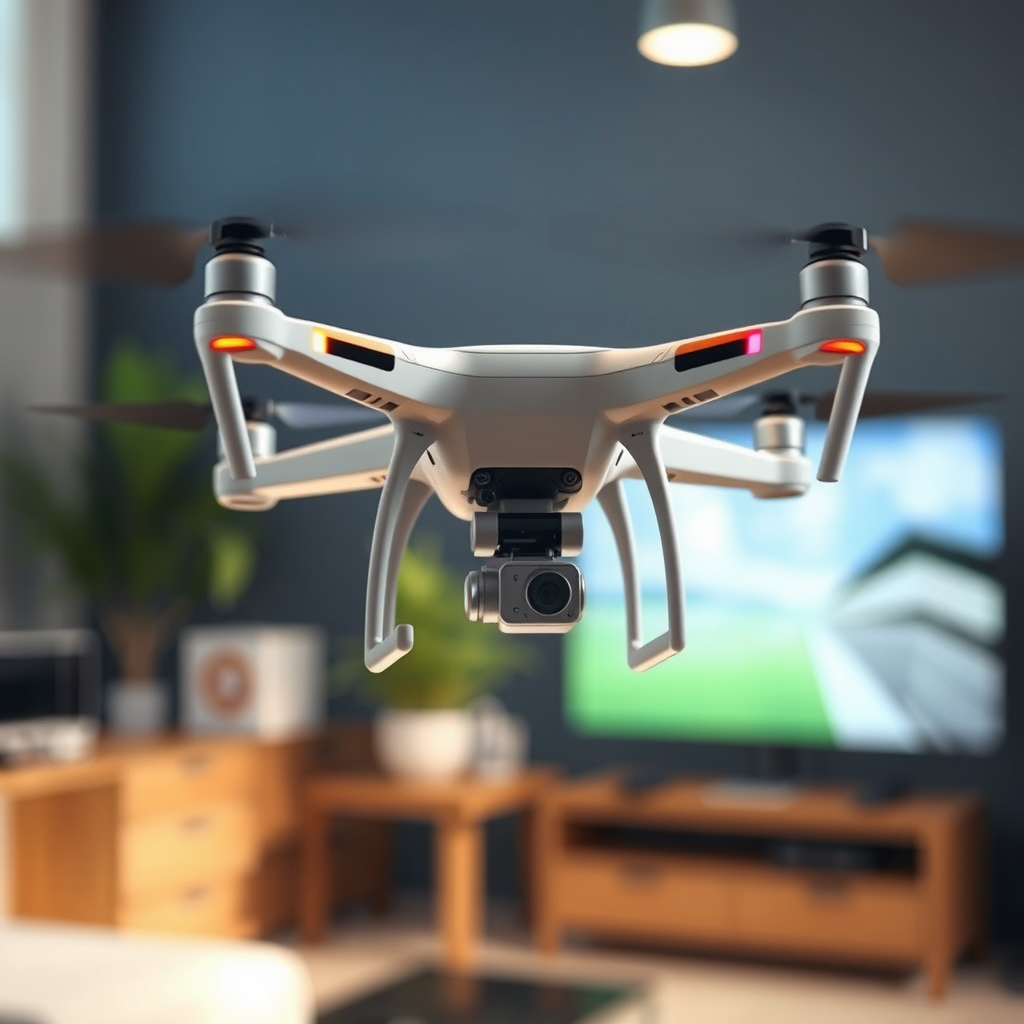
Commercial drones can typically fly up to 400 feet above ground level, as regulated by the Federal Aviation Administration (FAA) in the United States. This altitude limit is designed to ensure the safety of the national airspace while allowing operators to effectively utilize drones for various applications. However, factors such as drone type, local regulations, and specific use cases can influence their maximum altitude. This article explores the limits of commercial drone flight and the considerations that come into play.
Understanding FAA Regulations
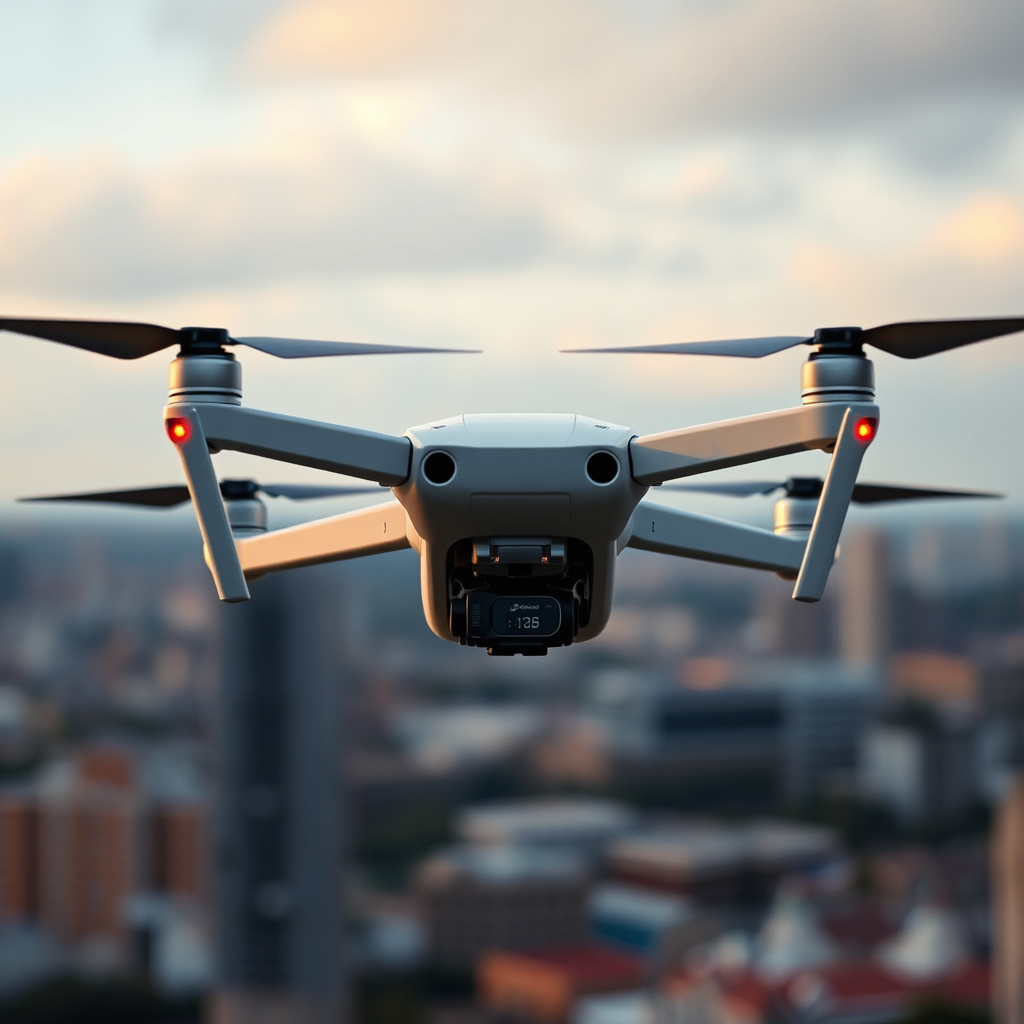
The FAA sets a maximum altitude of 400 feet for recreational and commercial drone usage to maintain safety and order in the airspace. This regulation aims to minimize the risk of collisions between drones and manned aircraft, which typically fly at altitudes above this threshold. However, there are exceptions. For instance, pilots can fly above 400 feet when operating near a structure, such as a tall building or tower, as long as they maintain a safe distance from the structure. This provision allows for more flexibility in applications like building inspections or aerial photography where altitude can significantly enhance the quality of the data collected.
The FAA also classifies airspace into different categories, which can influence operational altitudes. For example, controlled airspace around airports may have additional restrictions, requiring drone operators to obtain permission before flying in those areas. Understanding these regulations is essential for anyone looking to operate commercial drones safely and legally.
Factors Influencing Maximum Altitude
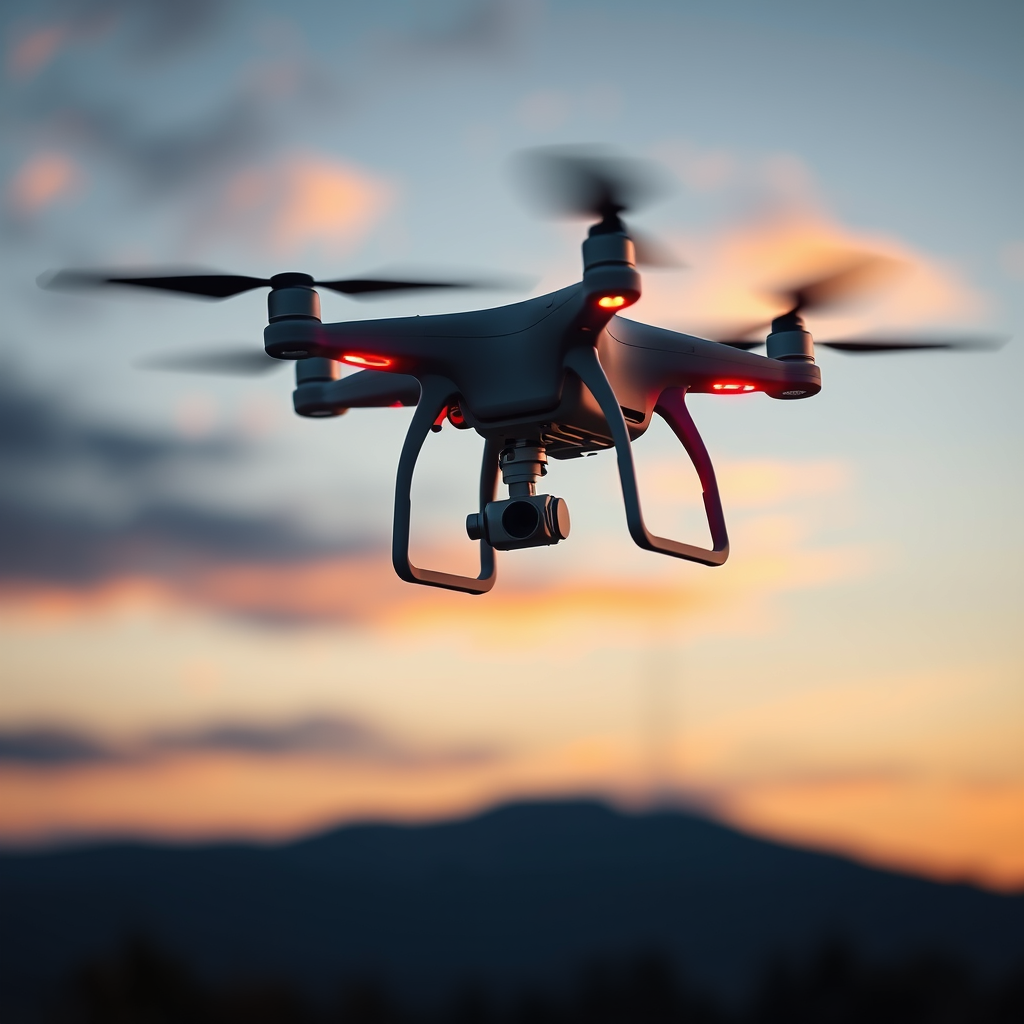
Several factors can influence the maximum altitude that commercial drones can achieve. One of the most significant is the type of drone being used. Different models are designed for specific purposes, equipped with varying capabilities and performance metrics. For instance, consumer-grade drones may have limitations in terms of flight range and battery life, while more advanced commercial drones, like those used for surveying or mapping, can reach higher altitudes and maintain stability in diverse weather conditions.
Another critical factor is the weight and payload of the drone. Heavier drones, especially those carrying additional equipment such as cameras or sensors, may experience reduced performance. This reduction can lead to a lower maximum flying altitude due to decreased lift capabilities. For example, a drone designed for agricultural monitoring may carry various sensors that add weight, potentially limiting its altitude to ensure safe operation.
Applications of High-Altitude Flights
High-altitude flights with commercial drones open up various applications that benefit from aerial data collection and inspection. One prominent use case is surveying and mapping, where drones can capture high-resolution images and data from elevated positions. This capability is particularly valuable in industries such as construction, agriculture, and environmental monitoring. For instance, drones equipped with LiDAR sensors can create detailed topographical maps, which are crucial for planning and development projects.
Infrastructure inspection is another area where high-altitude flights prove beneficial. Drones can be employed to inspect tall structures, such as wind turbines, power lines, and cell towers, ensuring safety and compliance with regulations. By flying at higher altitudes, drones can cover more ground in a single flight, allowing for comprehensive inspections that would otherwise require more time and resources if conducted manually.
Local Regulations and Variations
While the FAA provides a framework for drone operation, state and local laws may impose additional restrictions on drone altitude beyond federal regulations. For instance, certain municipalities may have ordinances that further limit drone flight heights in residential areas or near sensitive locations, such as schools or hospitals. Therefore, drone operators must be diligent in familiarizing themselves with local laws to avoid penalties and ensure compliance.
Additionally, pilots must be aware of specific airspace classifications that could limit their operational altitude. For example, flying in restricted airspaces, such as military zones or near airports, may require special permissions or be outright prohibited. Understanding these local variations is critical for effective drone operation and ensures that operators can conduct their tasks without facing legal repercussions.
Technological Advancements in Drone Flight
Innovations in drone technology are paving the way for higher flight capabilities with improved battery life and performance. Recent advancements in lightweight materials and energy-efficient motors have enhanced the overall performance of commercial drones. For instance, new battery technologies, such as lithium-sulfur batteries, promise longer flight times and higher payload capacities, enabling drones to fly at greater altitudes without compromising safety.
Furthermore, advancements in automation and artificial intelligence are allowing drones to conduct more complex missions at higher altitudes. Features like autonomous flight planning and obstacle avoidance systems enable drones to navigate challenging environments, thereby expanding the scope of applications in industries such as agriculture, environmental monitoring, and disaster response. As technology continues to evolve, the potential for higher and safer drone operations is becoming increasingly viable.
Safety Considerations for High-Altitude Flying
Safety considerations are paramount when flying commercial drones at high altitudes. One of the most critical regulations is maintaining visual line-of-sight (VLOS) with the drone during operation. This requirement is essential for safety and compliance, as it enables operators to monitor the drone’s surroundings and react to any potential hazards in real time.
Additionally, awareness of surrounding air traffic is vital to avoid collisions, especially at higher altitudes where manned aircraft may be operating. Drone pilots should conduct thorough pre-flight checks and remain updated on local air traffic advisories to ensure a safe flying experience. Utilizing technologies such as Automatic Dependent Surveillance–Broadcast (ADS-B) can enhance situational awareness by providing real-time information on nearby aircraft.
Future of Commercial Drone Altitude Limitations
As the industry evolves, changes in regulations and technology may redefine the maximum altitude limits for commercial drones. The growing use of drones in various sectors is driving discussions among regulatory bodies about potentially increasing altitude limits to accommodate new applications. For example, urban air mobility and delivery services may require higher flight ceilings to operate effectively within congested airspace.
Ongoing research into drone safety and air traffic management will likely influence how high drones can effectively and safely fly in the future. Collaborative efforts between industry stakeholders and regulatory agencies will be crucial in shaping a regulatory framework that balances innovation with safety.
In conclusion, while commercial drones are generally limited to a maximum altitude of 400 feet, various factors can affect this limit. Understanding FAA regulations, the impact of drone type and weight, and local laws is crucial for successful drone operation. Additionally, technological advancements and safety considerations will continue to shape the future of drone flight. For those interested in drone flying, staying informed about evolving regulations and advancements is key to maximizing their aerial capabilities.
Frequently Asked Questions
What is the maximum altitude that commercial drones can legally fly?
In the United States, the Federal Aviation Administration (FAA) typically restricts commercial drones to a maximum altitude of 400 feet above ground level. This limit is designed to prevent interference with manned aircraft and ensure safe operation in shared airspace. However, specific regulations may vary by country, so it’s essential for drone operators to check local laws and regulations regarding altitude limits.
How high can commercial drones fly for different types of operations?
The maximum altitude for commercial drones can depend on the nature of the operation. For aerial photography, surveying, and mapping, the 400-foot limit generally applies. However, for specialized operations, such as agricultural spraying or research, operators can apply for waivers to fly at higher altitudes, provided they have appropriate justification and safety measures in place.
Why are there altitude restrictions on commercial drone flights?
Altitude restrictions on commercial drone flights are primarily implemented to ensure airspace safety and prevent collisions with manned aircraft. By limiting drones to a maximum height of 400 feet, aviation authorities can maintain a structured airspace and minimize risks associated with unregulated drone operations. These regulations also help protect the privacy of individuals and reduce disturbances in populated areas.
What should drone operators know about flying at higher altitudes?
Drone operators considering flying at higher altitudes should be aware of the potential need for special permissions, such as obtaining a Part 107 waiver from the FAA in the U.S. Additionally, flying at higher altitudes can pose challenges, including increased wind speeds and reduced battery efficiency. Operators should conduct thorough pre-flight checks and ensure they have the necessary skills and equipment to handle these conditions safely.
Which commercial drones are best suited for high-altitude operations?
While most commercial drones are designed to operate within the standard 400-foot limit, some models are equipped with advanced features that enhance performance at higher altitudes. Drones like the DJI Matrice 300 RTK and the senseFly eBee X are known for their robust design, extended flight times, and superior stability, making them suitable for specialized applications that may require higher flight altitudes. It’s essential to evaluate the drone’s specifications and capabilities based on your specific operational needs.
References
- https://en.wikipedia.org/wiki/Drone#Regulation
- https://www.faa.gov/uas/getting_started/part_107
- https://www.faa.gov/uas/recreational_flies/
- https://www.reuters.com/technology/us-faa-set-issue-new-drone-rules-2020-12-28/
- https://www.nytimes.com/2021/01/06/business/drone-regulations.html
- https://www.nas.gov/research/articles/understanding-drone-altitude-limits
- https://www.bbc.com/news/technology-58441971
- https://www.abc.net.au/news/2021-01-10/drone-rules-australia-faa-uk/13026244
- https://www.techcrunch.com/2022/09/15/drone-altitude-limits/
