
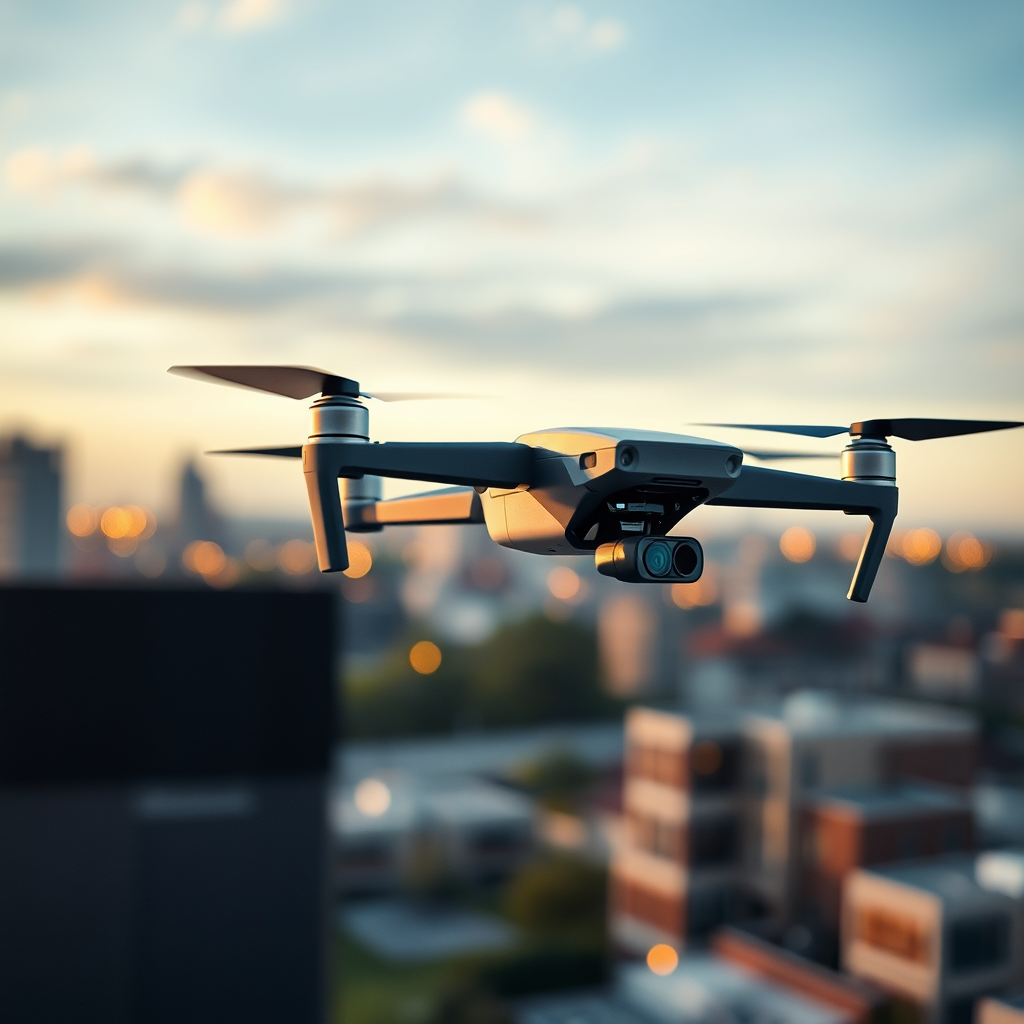
The legal altitude for flying a drone in the U.S. is generally capped at 400 feet above ground level (AGL) in uncontrolled airspace. However, there are exceptions and specific regulations that can affect this limit. Understanding these rules is essential for safe and legal drone operation, as non-compliance can result in penalties and safety risks. This article delves into the regulations set forth by the Federal Aviation Administration (FAA), explores maximum altitude limits, discusses airspace classifications, highlights local laws, and offers best practices for safe flying.
Understanding FAA Regulations
The Federal Aviation Administration (FAA) is the governing body responsible for regulating all aspects of civil aviation in the United States, including the operation of drones. The FAA has established guidelines that specifically cater to both recreational flyers and commercial operators, ensuring safety and compliance within the national airspace system.
For recreational drone users, the FAA mandates that they must fly their drones within visual line-of-sight, not exceed 400 feet AGL, and avoid flying near other aircraft. Commercial operators, on the other hand, must obtain a Remote Pilot Certificate and adhere to stricter regulations, including pre-flight inspections and operating within the confines of their certification. This distinction underscores the importance of understanding the specific rules that apply to your drone operation to ensure compliance with FAA regulations.
Maximum Altitude Limits
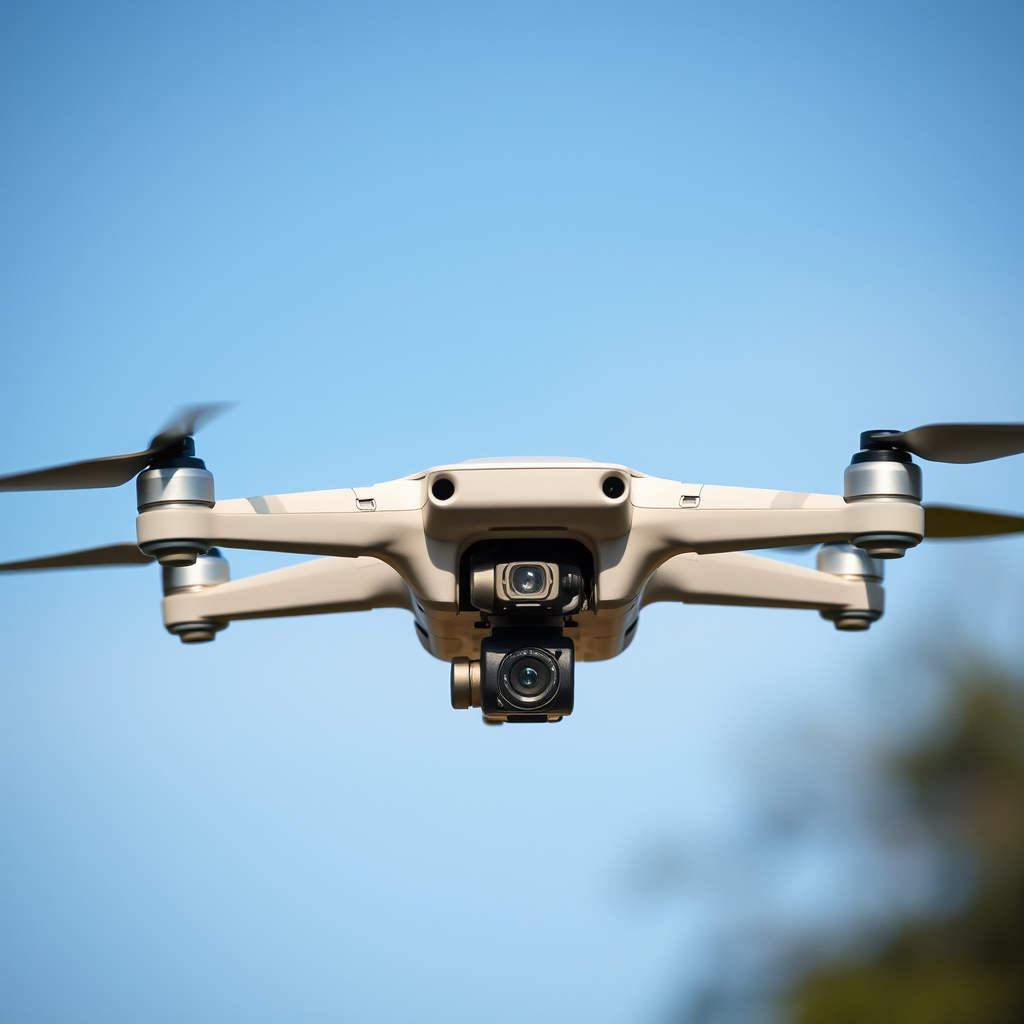
The standard maximum altitude for drones is 400 feet AGL, a regulation designed to minimize the risk of collisions with manned aircraft and ensure safe operations. This altitude is applicable in uncontrolled airspace, which constitutes the majority of airspace available to drone operators. However, if you are flying near structures such as buildings or towers, the FAA allows you to ascend to 400 feet above the height of that structure, as long as you maintain visual line-of-sight.
For example, if you are operating your drone near a 100-foot tall building, you could legally fly your drone up to 500 feet AGL. This flexibility allows for creative aerial photography and surveying activities, but it is essential to remain aware of your surroundings and potential hazards when operating at higher altitudes.
Airspace Classes and Restrictions
Different classes of airspace—A, B, C, D, E, and G—impose various altitude rules and operational restrictions that drone operators must navigate. Understanding these classifications is crucial for avoiding legal issues and ensuring safe operations.
Class G airspace, which is uncontrolled and extends from the surface up to 1,200 feet AGL, generally allows for drone operations up to the 400-foot limit. However, as you approach controlled airspace (Classes B, C, D, and E), there are more stringent requirements. For instance, flying a drone in Class B airspace, typically surrounding major airports, requires prior authorization from air traffic control, and the altitude limits may vary significantly.
Drone operators should utilize tools such as the FAA’s B4UFLY app or sectional charts to identify the airspace around their intended flight area. By doing so, they can ensure they are compliant with the applicable regulations and avoid potentially dangerous situations.
Local Laws and Ordinances
In addition to federal regulations, local municipalities may impose additional restrictions on drone flights, which can vary significantly from one location to another. These local laws can govern where and when drones can be flown, as well as altitude restrictions that may be more stringent than FAA guidelines.
For instance, some cities may prohibit drone use in certain public parks or near crowded events, while others may have specific no-fly zones established for safety reasons. It is essential for drone operators to research and familiarize themselves with local regulations before taking off to avoid fines or penalties. Checking with local government websites or contacting local law enforcement can provide valuable insights into specific ordinances that may impact your drone operations.
Best Practices for Safe Flying
To promote safe and responsible drone flying, operators should adopt several best practices. First and foremost, utilizing drone apps to check airspace and altitude restrictions prior to flying is crucial. These applications can provide real-time information on weather conditions, airspace status, and potential hazards in the area, allowing for informed decision-making.
Additionally, maintaining visual line-of-sight with your drone during operation is a fundamental requirement that enhances safety. This practice not only helps avoid collisions with other aircraft but also allows operators to react quickly to any unforeseen circumstances. Regular drone maintenance checks, pre-flight inspections, and adherence to manufacturer guidelines are also essential components of a safe flying experience.
Consequences of Violating Altitude Limits
Violating FAA regulations regarding altitude limits can lead to substantial consequences, including hefty fines and potential legal action. The FAA can impose fines exceeding $1,000 for serious violations, and repeat offenders may face criminal charges. Furthermore, operating at unsafe altitudes jeopardizes the safety of other aircraft and individuals on the ground, potentially leading to accidents that could harm people or property.
Understanding the seriousness of these regulations emphasizes the importance of compliance for all drone operators. Staying informed about altitude limits and airspace classifications can help mitigate risks and promote a culture of safety within the drone community.
Resources for Drone Pilots
To remain compliant and up-to-date on drone regulations, operators should utilize various online resources. The FAA’s website is an invaluable tool, offering updates, guidance, and resources specifically designed for drone pilots. Additionally, drone enthusiasts can join local clubs or online forums where they can share experiences, ask questions, and learn from fellow operators. These communities provide support and valuable insights into best practices, local regulations, and emerging trends in drone technology.
In conclusion, knowing the legal altitude for flying your drone is crucial for compliance and safety. It is essential to understand the regulations set forth by the FAA, recognize the implications of airspace classifications, and stay informed about local laws to ensure a responsible flying experience. By adhering to altitude limits and employing best practices, drone operators can contribute to a safe and enjoyable environment for all.
Frequently Asked Questions
What is the maximum legal altitude for flying a drone in the United States?
In the United States, the Federal Aviation Administration (FAA) regulates drone flight altitudes, allowing operators to fly drones up to 400 feet above ground level in uncontrolled airspace. If you are flying near a structure, you may fly up to 400 feet above the structure’s height, provided you remain within a 400-foot radius of the building. Always check for any additional local regulations that might impose different altitude restrictions.
How can I find out the specific drone flying altitude laws in my area?
To determine the specific drone flying altitude laws in your area, you can check the FAA’s official website and use tools like the FAA’s B4UFLY app. These resources provide information on airspace classifications, altitude limits, and any temporary flight restrictions. Additionally, local government websites or drone advocacy groups may have tailored information for your region.
Why are there restrictions on how high I can fly my drone?
Restrictions on drone flight altitude are primarily in place to ensure the safety of manned aircraft and to prevent collisions in shared airspace. Drones are classified as unmanned aerial vehicles, and maintaining a maximum altitude helps keep them away from commercial flight paths and other potential hazards. These regulations also contribute to the overall regulation of air traffic and promote responsible drone usage.
What should I do if I want to fly my drone above 400 feet for a specific project?
If you need to fly your drone above 400 feet for a specific project, you must obtain a waiver from the FAA. This process requires you to submit a detailed application explaining your intended flight, safety measures, and how you plan to avoid conflicts with manned aircraft. It’s crucial to prepare comprehensive documentation that adheres to FAA guidelines to improve your chances of approval.
Which drones are best for high-altitude flights within legal limits?
While all drones designed for commercial use can typically fly up to the legal altitude limit of 400 feet, some models are more suitable due to their stability, battery life, and advanced features. Drones like the DJI Mavic 3 or the Autel Robotics EVO Lite+ are popular among enthusiasts and professionals for their superior flight capabilities and integrated safety features. Always ensure that the drone you choose complies with local regulations and is suitable for your specific flying needs.
References
- https://en.wikipedia.org/wiki/Drone_regulations
- https://www.faa.gov/uas/getting_started/part_107
- https://www.faa.gov/uas/
- https://www.npr.org/2021/04/12/985127276/how-far-can-you-fly-a-drone-and-what-are-the-rules
- https://www.cnet.com/tech/services-and-software/drone-regulations-what-you-need-to-know/
- https://www.smithsonianmag.com/innovation/what-you-need-know-about-drone-laws-180967646/
- https://www.khanacademy.org/science/physics/forces-newtons-laws/drag-lift/a/drone-physics
