
The largest drone a civilian can purchase is the DJI Matrice 300 RTK, designed for high-performance commercial applications while being accessible to civilian users. With an impressive payload capacity and advanced flight capabilities, this drone is ideal for professionals in various fields, including photography, surveying, and agriculture. In this article, we will delve into the features, regulations, use cases, and considerations surrounding large civilian drones, particularly focusing on the DJI Matrice 300 RTK.
Overview of the DJI Matrice 300 RTK
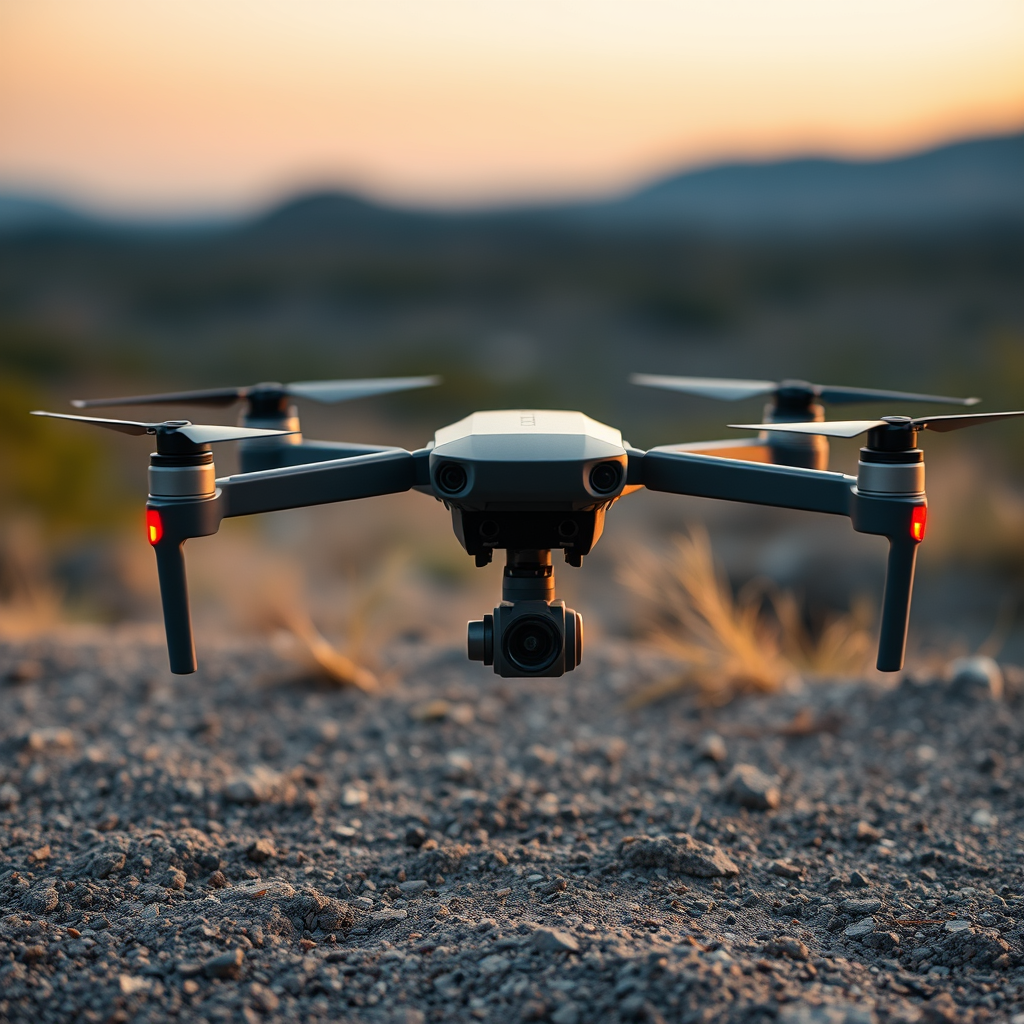
The DJI Matrice 300 RTK is a robust commercial drone that features a maximum takeoff weight of 9 kg (20 lbs), making it the largest option available to civilians. This drone is engineered for versatility and includes the capability to carry multiple payloads, such as thermal cameras, zoom cameras, and LiDAR systems. This adaptability allows users to tailor the drone to their specific needs, whether for industrial inspection, emergency response, or aerial photography.
One of the standout features of the Matrice 300 RTK is its flight time, which can reach up to 55 minutes under optimal conditions. This extended duration enhances its utility, allowing operators to cover more ground without needing to land for battery changes. Furthermore, the drone is equipped with advanced AI capabilities, including obstacle detection and automatic route planning, which significantly enhances its operational safety and efficiency. With IP45 rating against water and dust, it is built to perform in various environmental conditions, making it a reliable choice for professionals who require a robust tool in their workflows.
Other Notable Large Civilian Drones
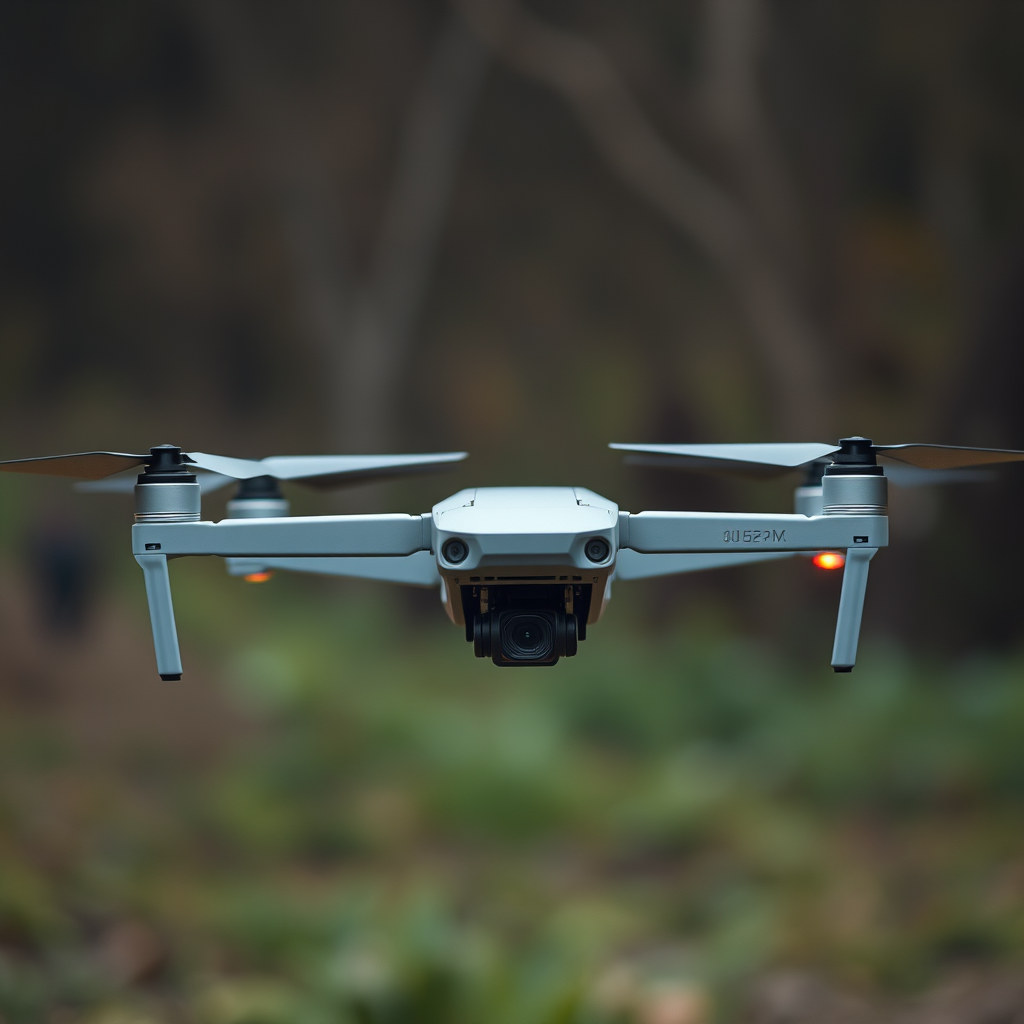
While the DJI Matrice 300 RTK is a market leader, several other notable large civilian drones also offer impressive specifications and capabilities. The Freefly Alta X, for instance, is renowned for its significant payload capacity and versatility, allowing operators to carry various camera systems for different applications, including film production and industrial inspections. With a maximum payload capacity of up to 15 kg (33 lbs), it supports heavy camera rigs and additional sensors, making it a favorite among cinematographers and commercial operators.
Another option worth considering is the Yuneec H920 Plus, particularly for those focused on aerial photography. This drone features a six-rotor design for enhanced stability and can carry a variety of camera systems. It includes a retractable landing gear that allows for unobstructed views during flight, crucial for capturing high-quality images and videos. The Yuneec H920 Plus is also equipped with a flight controller and GPS capabilities, which contribute to its ease of use and reliability in various settings.
Regulations for Purchasing Large Drones
Before purchasing a large drone, it is crucial to understand the regulatory landscape governing drone operations. In the United States, the Federal Aviation Administration (FAA) outlines specific regulations regarding drone weight and flight restrictions. Notably, any drone weighing more than 0.55 lbs (250 grams) must be registered with the FAA. The registration process is straightforward and can typically be completed online, allowing operators to adhere to legal requirements quickly.
Additionally, operators must familiarize themselves with the Part 107 regulations, which govern commercial drone use. These regulations cover various aspects, including flight altitude, airspace restrictions, and the requirement for a remote pilot certificate. Understanding these rules is essential for avoiding penalties and ensuring safe operations, particularly when flying in controlled airspace or near populated areas.
Use Cases for Large Drones
Large drones like the DJI Matrice 300 RTK and others play a pivotal role in a variety of applications. They are particularly well-suited for commercial photography, where high-quality images and video are essential. Photographers can utilize the drone’s advanced camera capabilities to capture stunning aerial perspectives, making it a valuable tool for real estate marketing, event coverage, and landscape photography.
Moreover, large drones are increasingly being adopted in surveying and mapping, where their ability to carry specialized equipment, such as LiDAR sensors, can significantly enhance data collection processes. This has applications in construction, mining, and infrastructure development, where precise measurements and analyses are critical.
Another notable use case is in search and rescue operations. Drones equipped with thermal imaging cameras can provide first responders with vital information during emergencies, such as locating missing persons in challenging terrains. Their ability to cover large areas quickly makes them indispensable in time-sensitive situations.
Agriculture is another sector benefiting from large drones. Farmers utilize drones for crop monitoring and analysis, employing multispectral cameras to assess plant health, detect irrigation issues, and optimize yields. This technology allows for more efficient farming practices, saving both time and resources.
Considerations When Buying a Large Drone
When considering the purchase of a large drone, several factors should be assessed to ensure it meets your specific needs. First, evaluate the drone’s payload capacity. Understanding what equipment you intend to use will help determine the appropriate drone that can safely carry your desired payload.
Flight time is another critical consideration. Depending on your intended application, longer flight times may be necessary to complete tasks without frequent interruptions for battery changes. Additionally, consider the quality of the onboard camera or sensor systems, as this can significantly impact the results of your projects.
Budget is also a vital factor. While large drones can be a considerable investment, it is essential to factor in the costs of additional equipment, such as cameras or sensors, and ongoing maintenance and repair expenses. Understanding the total cost of ownership will help you make an informed financial decision.
Maintenance and Upkeep of Large Drones
Proper maintenance and upkeep are crucial for ensuring the safety and functionality of large drones. Regular inspections should be conducted to check for any signs of wear and tear, including the condition of the propellers, battery health, and overall structural integrity. This routine maintenance can prevent accidents and prolong the lifespan of your drone.
In addition to physical inspections, keeping the firmware and software updated is essential for optimal performance. Manufacturers regularly release updates that can enhance features, improve flight stability, and address any security vulnerabilities. Staying current with these updates ensures that your drone operates at its best and complies with any new regulations or guidelines.
Furthermore, it is advisable to keep meticulous records of your drone’s flight history, maintenance activities, and any repairs performed. This documentation can be useful for troubleshooting issues and is often required for compliance with regulatory bodies.
In conclusion, the DJI Matrice 300 RTK stands out as the largest drone a civilian can buy, offering advanced technology and capabilities that cater to a variety of professional needs. When considering a large drone, it is essential to understand the relevant regulations, potential use cases, and maintenance requirements to ensure that you make an informed decision that aligns with your specific objectives.
Frequently Asked Questions
What is the largest drone a civilian can buy?
The largest drone that civilians can buy is often considered to be the DJI Matrice 600, which has a maximum takeoff weight of 15.4 kg (34 lbs) and a payload capacity of up to 6 kg (13.2 lbs). This drone is primarily used for professional applications such as filmmaking, aerial photography, and industrial inspections. However, other larger drones like the Freefly Alta 8 also exist and are suitable for similar applications, making them popular choices among professionals.
How much does the largest civilian drone cost?
The cost of the largest civilian drones, like the DJI Matrice 600, typically ranges from $4,500 to $6,000, depending on the configuration and additional accessories. High-end models designed for professional use can go up to $10,000 or more, especially when considering the costs of specialized cameras and equipment. It’s essential to factor in additional expenses such as batteries, chargers, and insurance when budgeting for these high-capacity drones.
Why are larger drones preferred for certain applications?
Larger drones are preferred for specific applications due to their ability to carry heavier payloads, such as advanced cameras and sensors. This makes them ideal for tasks like aerial cinematography, surveying, and mapping, where high-quality imagery and data collection are critical. Additionally, larger drones often have better flight stability and longer flight times, allowing them to cover more extensive areas efficiently.
What are the regulations for flying large civilian drones?
Regulations for flying large civilian drones vary by country but typically include requirements for registration, pilot certification, and adherence to specific altitude and airspace restrictions. In the United States, for example, the FAA mandates that drones over 55 lbs must be registered, and operators must have a Remote Pilot Certificate. It’s crucial for drone operators to be aware of local laws to ensure safe and legal operation.
Which features should I look for in a large civilian drone?
When selecting a large civilian drone, consider features such as payload capacity, flight time, camera quality, and ease of use. Look for drones that offer advanced stabilization systems, GPS functionality, and obstacle avoidance technology to enhance safety and performance. Additionally, ensure compatibility with various accessories and software for your specific needs, whether it be for aerial photography, surveying, or industrial applications.
References
- https://en.wikipedia.org/wiki/Drone#Civilian_use
- https://www.faa.gov/uas/getting_started/
- https://www.bbc.com/news/technology-43424554
- https://www.theguardian.com/technology/2021/apr/26/what-drones-are-available-to-buy
- https://www.nytimes.com/2020/07/01/technology/drones-civilian-use.html
- https://www.techradar.com/news/best-drones
- https://www.sciencedirect.com/science/article/pii/S1877050919310545
