
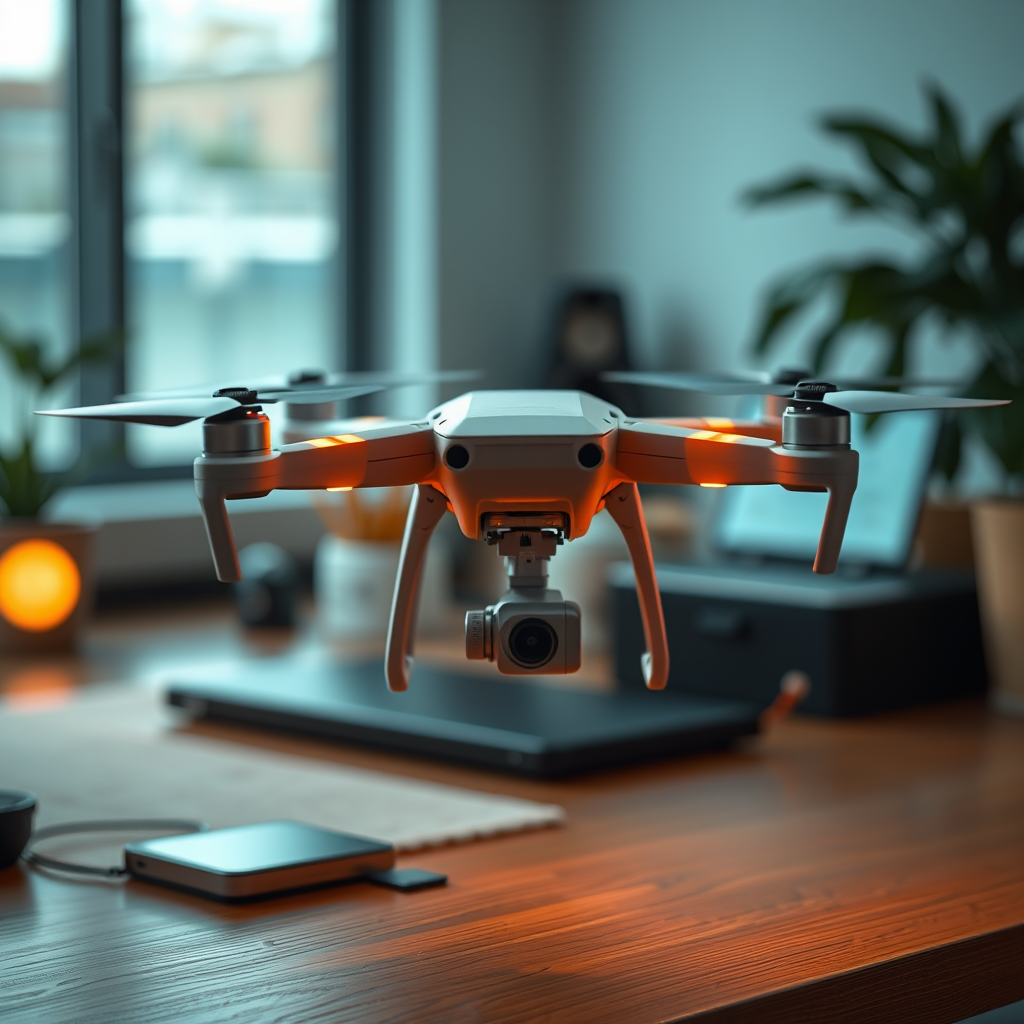
Yes, a drone can potentially be traced back to its owner through various identification methods and regulations. This tracing capability is crucial for ensuring accountability in drone usage and protecting the privacy of individuals. As drones become increasingly prevalent in various sectors, understanding the mechanisms behind their traceability is essential for both operators and the public.
Understanding Drone Identification
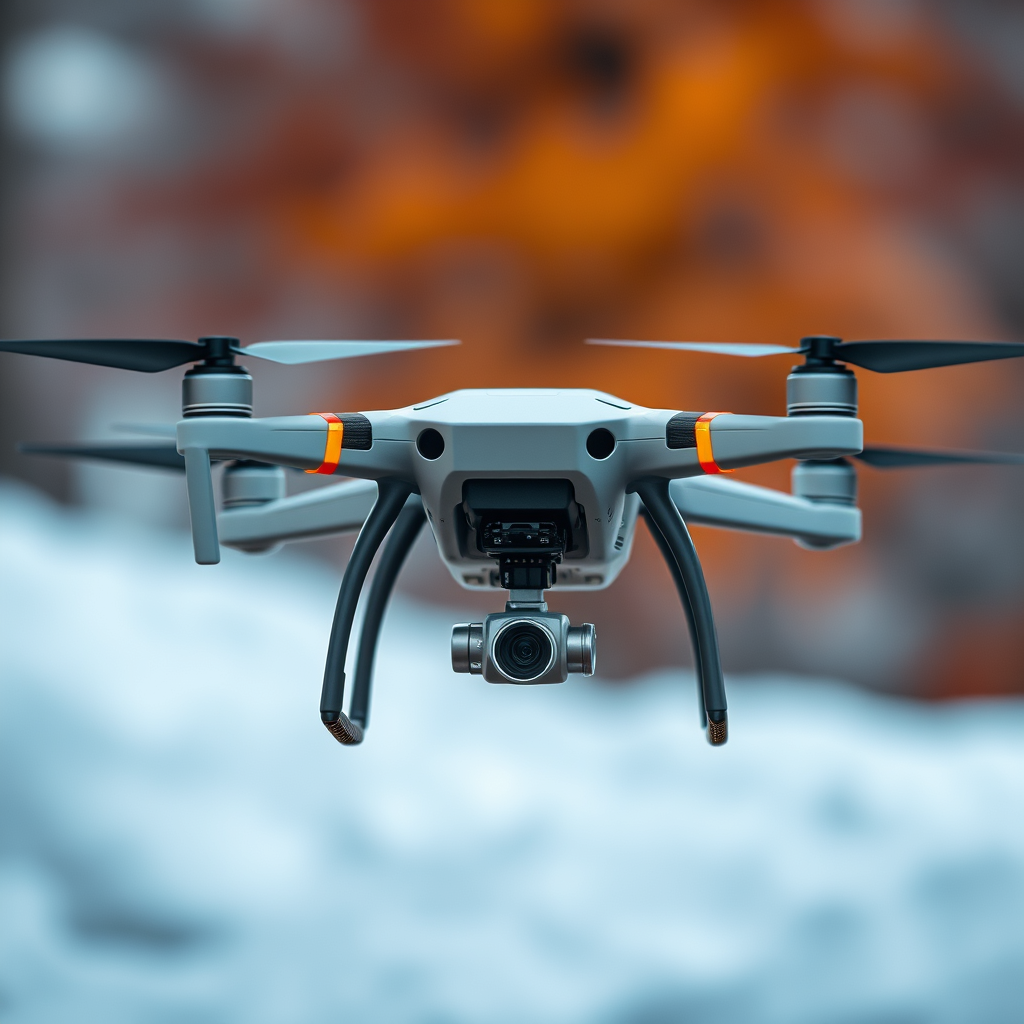
Drones are often equipped with unique identifiers, such as serial numbers, which serve as a digital fingerprint for each device. These serial numbers are typically assigned by the manufacturer and are crucial for tracking the drone’s ownership and registration status. In many jurisdictions, regulatory bodies like the Federal Aviation Administration (FAA) in the United States mandate that drone operators register their devices. This registration process links the drone to its owner’s information, creating a traceable record that can be accessed by law enforcement and regulatory agencies.
For instance, in the United States, all drones weighing over 0.55 pounds (approximately 250 grams) must be registered with the FAA. This registration requires the owner to provide personal information, including their name and address, which becomes publicly accessible through the FAA’s database. This system is designed not only to promote safe flying practices but also to establish accountability among drone operators.
GPS Tracking and Data
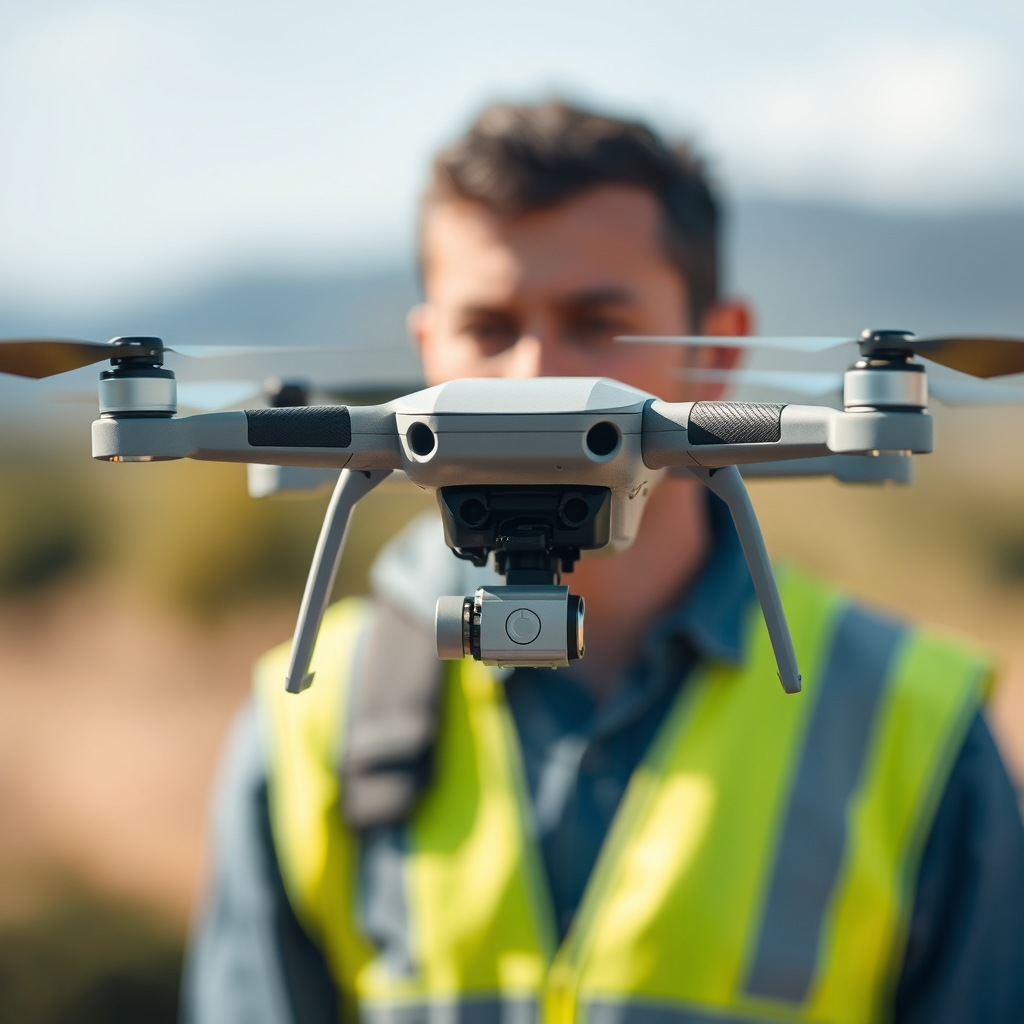
Many drones utilize GPS technology, which can be used to track their flight paths. GPS systems provide real-time data that can pinpoint the drone’s location during operation and allow for the logging of flight paths. These flight logs often store crucial data, including the operator’s location, altitude, and speed, enabling authorities to trace the drone back to its owner if necessary.
For example, if a drone is involved in an incident or is suspected of violating airspace regulations, law enforcement can access the GPS data to reconstruct the drone’s flight history. This information can reveal the operator’s identity and location at the time of the flight, thus establishing a clear correlation between the drone and its owner.
Legal Requirements for Drone Operators
In many countries, drone operators must comply with local laws that mandate registration, training, and adherence to specific flying guidelines. In the United States, for instance, the FAA requires drone pilots to pass an online test to obtain a Part 107 certification, which is necessary for commercial drone operations. Failure to register a drone or comply with operational regulations can lead to significant fines and legal repercussions, which may inadvertently reveal the operator’s identity through investigation.
Moreover, countries like Canada and the United Kingdom have their own sets of regulations that require drone registration and adherence to privacy laws. For instance, the UK mandates that drone users must pass an online theory test and register their drones if they exceed a certain weight. Such legal frameworks are intended to promote safety and accountability in aerial operations, consequently making it easier to trace drones back to their owners in case of non-compliance.
Privacy and Surveillance Concerns
Drones could be used for invasive surveillance, raising substantial privacy issues for individuals and communities. As drones become more accessible and affordable, there are growing concerns about their potential for misuse, such as spying on private property or capturing unauthorized footage of individuals. Understanding the legal limitations on drone usage is essential for operators, as violating privacy laws can lead to severe consequences, including civil lawsuits and criminal charges.
In many jurisdictions, laws are being established to regulate how drones can be used in terms of surveillance. For example, several states in the U.S. have enacted laws that restrict drone operators from using their devices to capture images or recordings of individuals without their consent. These legal frameworks are designed to protect citizens’ privacy rights and hold drone operators accountable if they violate these rights.
Countermeasures to Prevent Tracking
While it is important to comply with regulations, some drone operators may seek countermeasures to minimize traceability. Techniques such as flying in remote areas or using drones without GPS capabilities can reduce the likelihood of being tracked. However, these methods may violate laws or regulations in certain jurisdictions, leading to potential legal issues.
For instance, flying in restricted airspace or areas designated as no-fly zones can result in significant penalties if discovered. Moreover, using drones without GPS can affect the safety and control of the device, increasing the risk of accidents. It is crucial for operators to weigh the risks and benefits of employing such countermeasures against the legal and ethical implications of their actions.
Consequences of Being Traced
If traced, drone operators could face legal action, especially if they violate privacy laws or regulations. This could range from civil penalties to criminal charges, depending on the severity of the infraction. For example, if a drone is used to invade someone’s privacy or disrupt air traffic, the operator may be subject to lawsuits, fines, and potentially even jail time.
Responsible usage and adherence to laws are essential to mitigate the risks of being traced. By understanding the legal landscape and operating within the established guidelines, drone operators can significantly reduce the likelihood of facing legal repercussions and enhance their credibility as responsible users of this technology.
Best Practices for Responsible Drone Use
To ensure compliance and promote responsible drone operation, operators should follow best practices that align with legal requirements and ethical considerations. First and foremost, always register your drone if required and adhere to local regulations. This not only ensures compliance but also fosters a sense of accountability within the drone community.
Additionally, operators should respect others’ privacy by avoiding flights over private property without consent and steering clear of crowded areas where the risk of accidents is heightened. It is also advisable to stay informed about the evolving regulatory landscape surrounding drone usage, as laws can change rapidly with technological advancements and public sentiment.
Practicing safe flying, investing in proper training, and being aware of the surroundings can significantly enhance the safety and legality of drone operations. By adopting these best practices, drone operators can contribute to a positive perception of drone technology and its applications.
To conclude, while a drone can be traced back to its owner through various means, being aware of the regulations and using drones responsibly can help mitigate the risks. Understanding the identification methods, legal requirements, and privacy concerns associated with drone usage fosters a culture of accountability among operators. By adhering to best practices and staying informed, drone enthusiasts can enjoy the benefits of this innovative technology while safeguarding their privacy and complying with the law.
Frequently Asked Questions
Can a drone be traced back to its owner?
Yes, a drone can be traced back to its owner through its unique identification number, which is often linked to the manufacturer’s registration database. Additionally, many drones are equipped with GPS tracking systems that can reveal flight history and the operator’s location. If law enforcement becomes involved, they can access this data to identify the owner.
How can law enforcement track a drone to its operator?
Law enforcement can track a drone to its operator by utilizing the drone’s remote identification technology, which transmits information such as the drone’s location and the pilot’s details. Additionally, they can analyze flight logs and records from the Federal Aviation Administration (FAA) or other regulatory bodies that require drone registration. This data can help pinpoint the drone’s owner and operational history.
What should I know about drone privacy laws and regulations?
Drone privacy laws vary by region, but generally, they require drone operators to respect the privacy of others while flying. Many jurisdictions have specific regulations about flying over private property or recording individuals without consent. Familiarizing yourself with these laws is crucial to avoid legal issues and ensure responsible drone operation.
Why is drone registration important for traceability?
Drone registration is essential for traceability because it links the drone to its owner, providing a means for accountability. When a drone is registered with the appropriate authorities, it helps law enforcement identify the operator in case of violations or incidents. This process not only enhances public safety but also promotes responsible use of airspace.
What are the best practices for maintaining privacy when flying a drone?
To maintain privacy when flying a drone, operators should avoid flying over private properties without permission and refrain from capturing images or videos of individuals without their consent. It’s also advisable to stay informed about local privacy regulations and to use drone features that limit data sharing. By following these best practices, drone operators can respect the privacy of others while enjoying their flying experience.
References
- https://en.wikipedia.org/wiki/Drone#Privacy_concerns
- https://www.faa.gov/uas/resources/policy_library/
- https://www.nytimes.com/2022/06/02/technology/drone-regulations.html
- https://www.theguardian.com/us-news/2021/jun/29/drones-privacy-laws-us
- https://www.reuters.com/article/us-usa-drones-insight-idUSKBN2A30H2
- https://www.bbc.com/news/technology-56418045
- https://www.rand.org/pubs/research_reports/RRA202-1.html
