
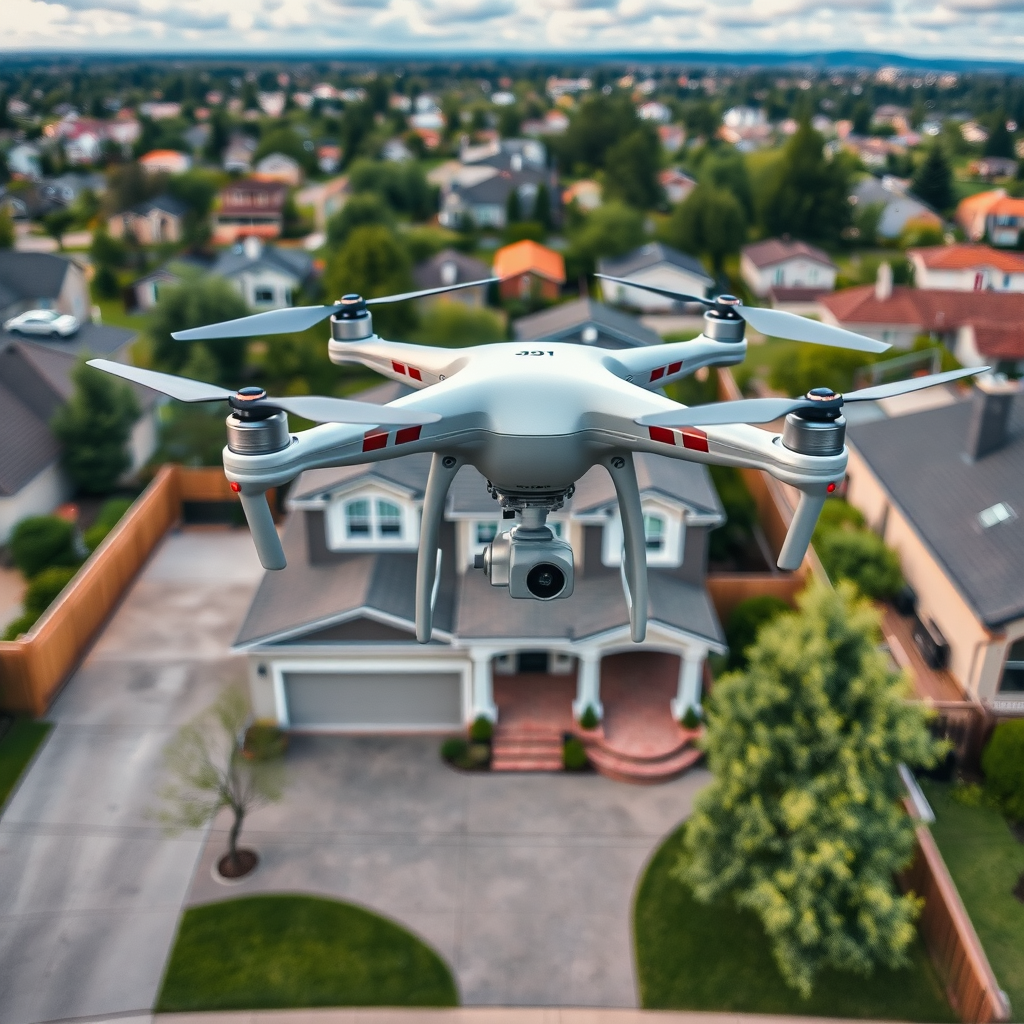
Yes, anyone can fly a drone over your property, but this activity is subject to a variety of regulations and laws that dictate the terms under which it can be done. Understanding these rules is essential for property owners who wish to protect their privacy and assert their rights. As drone technology becomes more prevalent, navigating the legal landscape surrounding drone usage can help you better understand the boundaries of your property and your rights as a homeowner.
Understanding Drone Regulations
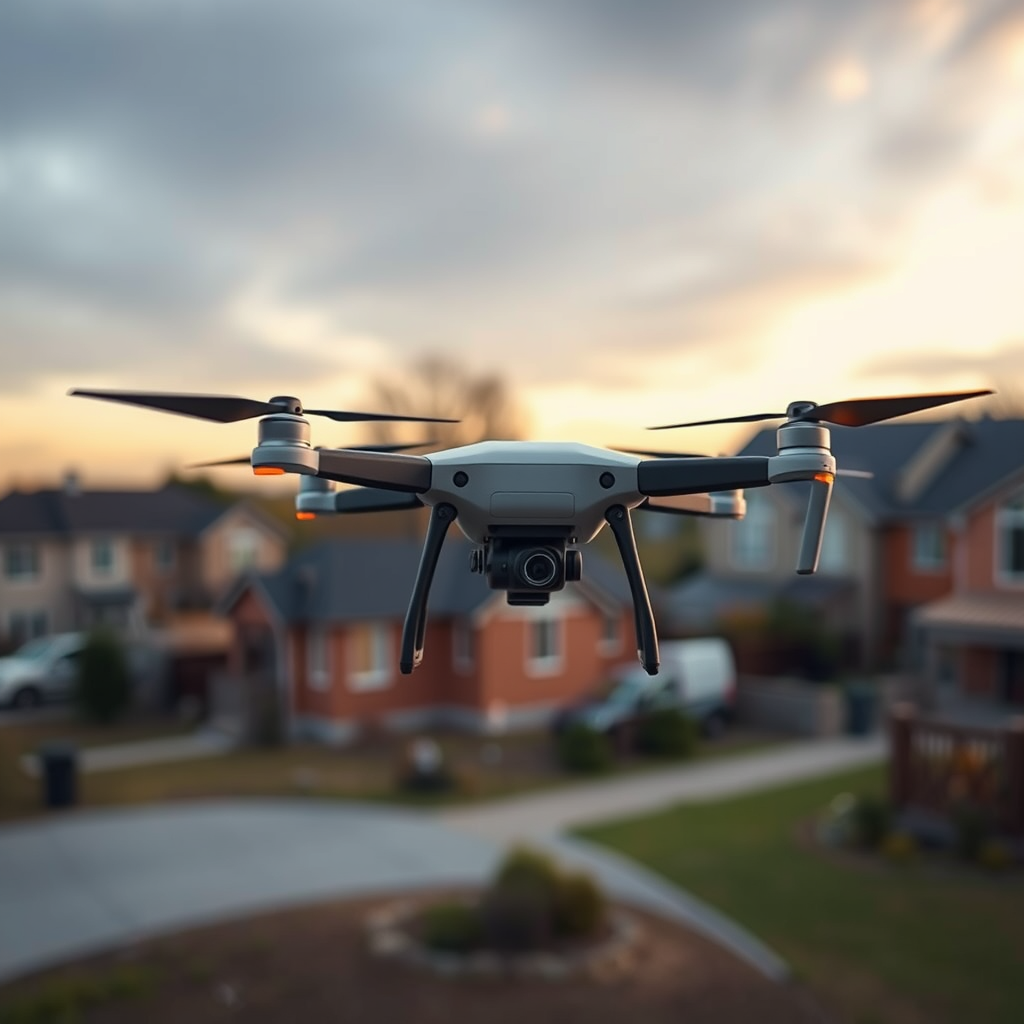
In the United States, the Federal Aviation Administration (FAA) is the primary authority governing the use of drones. The FAA has established comprehensive guidelines that apply to both recreational and commercial drone operators. For recreational purposes, drone pilots must adhere to specific rules, such as flying below 400 feet, keeping their drones within visual line of sight, and not flying over people or moving vehicles unless they have obtained the appropriate waivers. Commercial operators must obtain a remote pilot certificate and follow additional regulations, including obtaining permission for certain airspace operations.
However, drone regulations are not uniform across the country. Local laws can significantly vary, with many states and municipalities implementing their own rules governing drone flights. For instance, some areas may have restrictions on flying drones in city parks or near schools. Therefore, it is crucial for drone operators and property owners alike to familiarize themselves with both local and federal regulations to ensure compliance and protect their rights. Checking with local government websites or aviation authorities can provide clarity on the specific rules applicable in your area.
Privacy Concerns
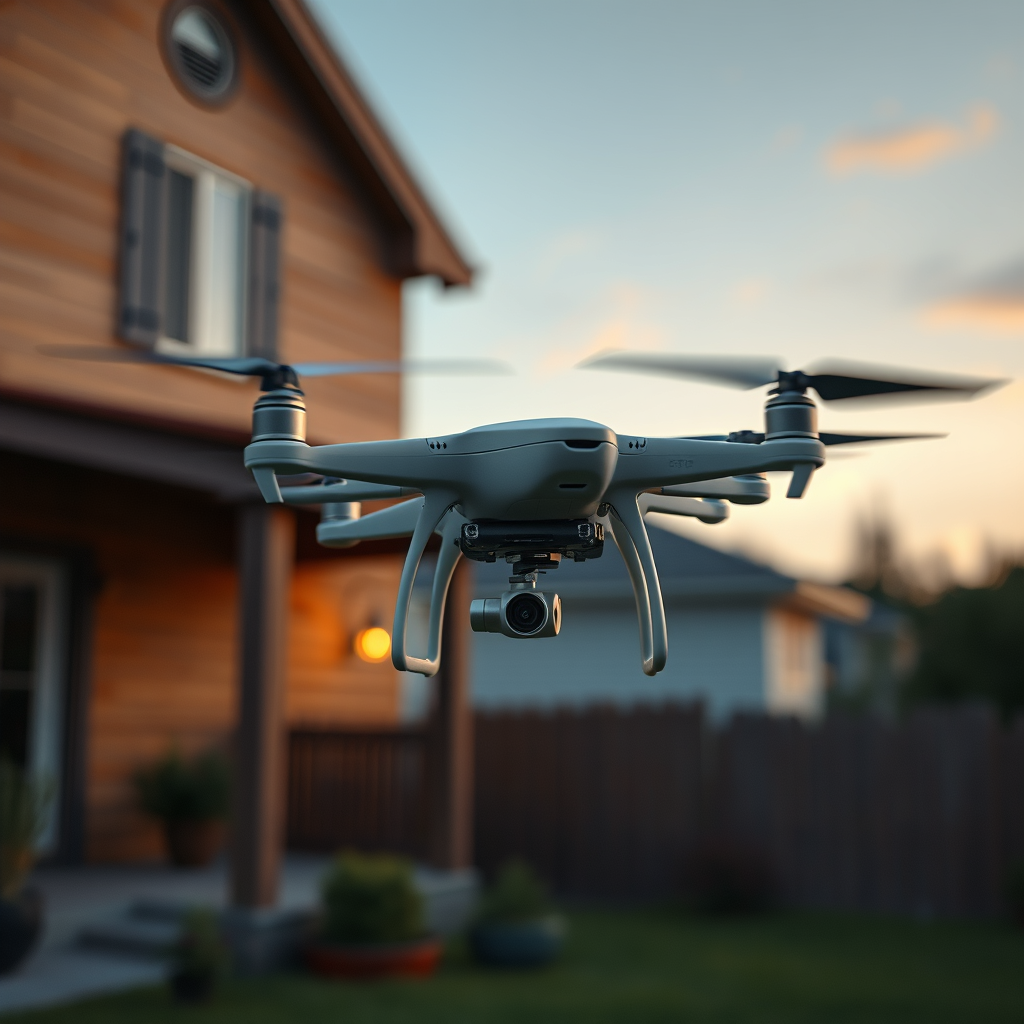
One of the most significant concerns regarding drone usage is the potential invasion of privacy. Drones equipped with cameras can easily capture images and videos of individuals on their property without consent, leading to potential legal issues. Many states have laws that address surveillance and privacy rights, restricting the use of drones for invasive monitoring. For example, in California, the law prohibits drones from being used to record individuals in situations where they have a reasonable expectation of privacy, such as in their backyards or inside their homes.
To better protect your privacy, it is essential to familiarize yourself with the legal limitations on drone surveillance in your area. This knowledge can empower you to take action if you suspect a violation of your rights. You might also consider discussing privacy concerns with neighbors and community members to raise awareness about responsible drone usage and the importance of respecting personal space.
Property Lines and Airspace
Understanding the legal concept of “navigable airspace” is fundamental when discussing drone flights over private property. According to the FAA, navigable airspace generally extends from the ground up to 400 feet above ground level. This allows drone operators to fly within this altitude without infringing on property rights, provided they comply with any applicable regulations.
However, property owners do possess certain rights to the airspace directly above their land, though the extent of these rights can vary. For instance, in some jurisdictions, property owners may have the right to claim damages if a drone is used in a way that constitutes trespassing—such as hovering at low altitudes over their property. Additionally, landmark cases, such as United States v. Causby, have established that landowners own the airspace directly above their property to a certain height. Understanding these nuances can help property owners assert their rights effectively when it comes to unauthorized drone flights.
Reporting Unlawful Drone Activity
If you suspect that a drone is violating your privacy or local laws, it is crucial to take appropriate action. Documenting the activity is an essential first step; this may include taking notes on the time, location, and nature of the drone’s flight. Photographic evidence can also be valuable in substantiating your claims. Once you have gathered sufficient documentation, you can report the situation to local authorities, such as law enforcement or your city’s code enforcement office.
Many communities have established dedicated resources for handling drone-related complaints, which can facilitate a quicker response. It may also be beneficial to reach out to local advocacy groups focused on privacy rights, as they can offer guidance and support in navigating these issues. Engaging in dialogue with local officials about drone regulations can help promote responsible usage and enhance community awareness of privacy concerns.
Taking Preventive Measures
To safeguard your property against unwanted drone surveillance, there are several preventive measures you can take. One practical solution is to install privacy screens or landscaping features, such as tall hedges or trees, that obstruct the view from above. This not only adds an aesthetic value to your property but also creates a natural barrier against prying eyes.
Additionally, consider engaging with local drone clubs or community forums to discuss responsible drone usage and educate others about privacy rights. Hosting informational sessions or workshops can foster a sense of community awareness and encourage drone operators to respect the rights of property owners. By promoting responsible usage, you can contribute to a more harmonious relationship between drone enthusiasts and the community.
The Future of Drone Legislation
As drone technology continues to evolve, so too will the laws and regulations governing their usage. Emerging technologies, such as advanced surveillance capabilities and autonomous drones, pose new challenges and concerns regarding privacy and safety. Consequently, staying informed about changes in legislation is essential for both drone operators and property owners.
Advocacy for clearer privacy laws surrounding drone usage is gaining traction, with various organizations pushing for more defined regulations that protect individual rights. This movement may lead to more comprehensive frameworks that address privacy concerns specifically related to drone surveillance. Being proactive in engaging with local and national lawmakers can help ensure that your interests as a property owner are considered in future regulations.
In conclusion, while anyone can fly a drone over your property, understanding the regulations and your rights is crucial for maintaining your privacy. By familiarizing yourself with drone laws, being aware of your rights regarding airspace, and taking preventive measures, you can better protect your property from unwanted surveillance. Staying informed and proactive will ensure that your rights as a property owner are respected, allowing you to enjoy your space with peace of mind.
Frequently Asked Questions
Can anyone fly a drone over my property without permission?
While it is generally legal for drone operators to fly over private property, they must adhere to the regulations set by the Federal Aviation Administration (FAA) and any local laws. These regulations often require maintaining a certain altitude and distance from populated areas. However, if a drone is flying at a low altitude or invading your privacy, you may have legal grounds to address the issue.
What should I do if a drone is flying over my property?
If you notice a drone flying over your property and it is causing you concern, the first step is to remain calm and observe its behavior. Document the drone’s appearance and any activities it seems to be conducting. If you feel that the drone is violating privacy laws or you suspect illegal activity, you can report it to local law enforcement or the FAA.
How can I find out who owns a drone flying over my house?
Identifying the owner of a drone can be challenging, as not all drones are registered. However, if the drone is equipped with a Remote ID, you may be able to identify the operator through the app or online resources designed for that purpose. In the absence of Remote ID, consider contacting local law enforcement for assistance in tracking down the operator, especially if you have privacy or safety concerns.
Why do people fly drones over residential areas?
Drones may be flown over residential areas for various reasons, including photography, surveying, or recreational purposes. Some operators are involved in professional services such as real estate photography or construction site monitoring. However, others may fly drones out of curiosity or without any legitimate purpose, which can lead to privacy concerns for residents.
What are the best practices for flying a drone near residential properties?
If you’re a drone operator, the best practices for flying near residential properties include maintaining a safe altitude (generally above 400 feet), avoiding crowded areas, and respecting people’s privacy. Always seek permission if you plan to capture images or videos of someone’s property, and be aware of local regulations or community guidelines that may impose additional restrictions on drone flights.
References
- https://en.wikipedia.org/wiki/Unmanned_aerial_vehicle#Regulation
- https://www.faa.gov/uas/getting_started/
- https://www.nolo.com/legal-encyclopedia/drone-laws-your-property-rights-29736.html
- https://www.nytimes.com/2020/07/14/technology/drones-property-rights.html
- https://www.reuters.com/article/us-usa-drone-laws-idUSKBN2A40Q2
- https://www.americanbar.org/groups/science_technology/publications/section-news/2020/winter/drone-law/
- https://www.ncbi.nlm.nih.gov/pmc/articles/PMC7601805/
- https://www.aclu.org/news/privacy-technology/what-you-need-to-know-about-drones-and-your-privacy-rights
