

Yes, you can fly your drone in your backyard in Canada, but there are specific regulations you must follow to ensure safe and legal operation. Understanding these rules is essential for enjoying your drone while adhering to Canadian laws, as well as ensuring the safety of yourself and those around you. This article will explore the Canadian drone regulations, the designated flying areas, safety guidelines, insurance considerations, and tips for a successful flying experience.
Understanding Canadian Drone Regulations
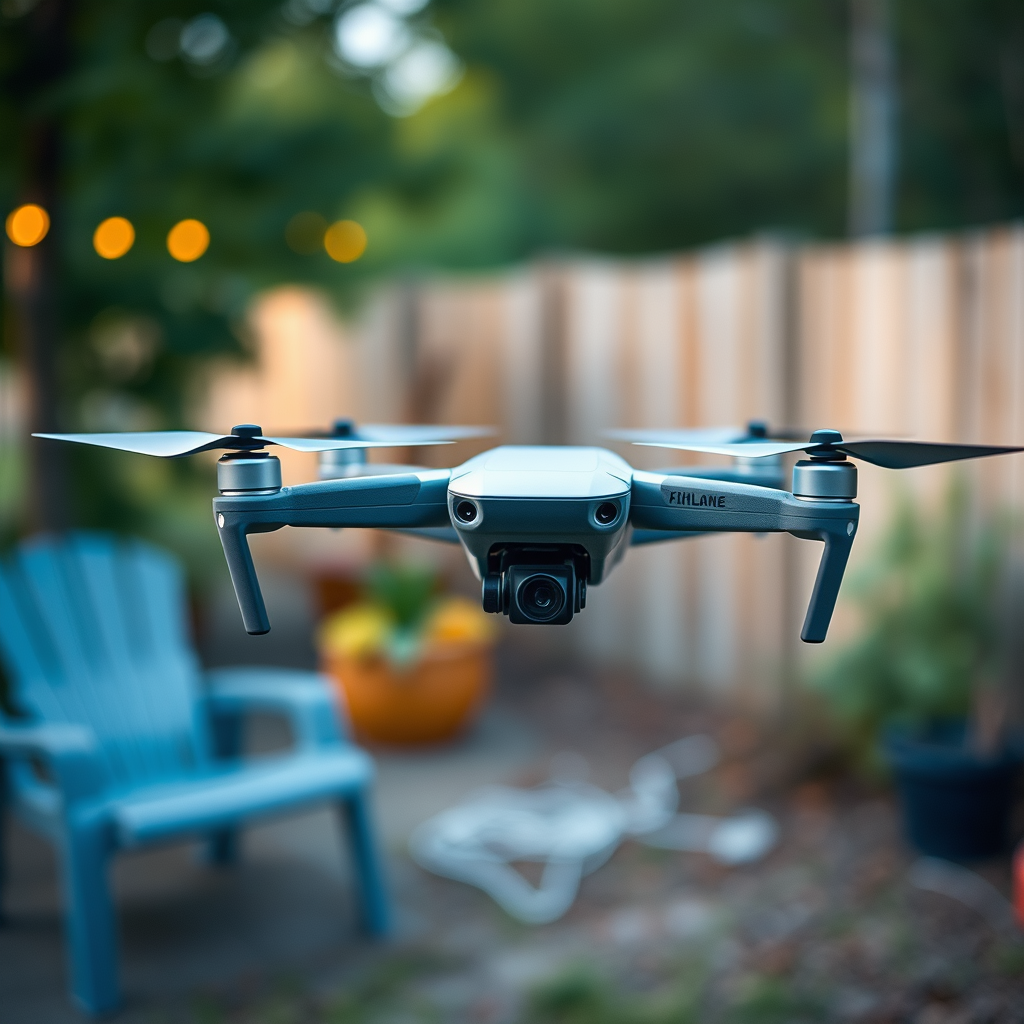
Transport Canada is the governing authority responsible for overseeing drone regulations in Canada. The regulations are designed to ensure the safety of airspace and the general public. One of the primary requirements is that drones must be registered if they weigh over 250 grams. This registration process helps maintain accountability among drone operators and enhances safety measures.
Additionally, all drone pilots must comply with the Canadian Aviation Regulations (CARs), which outline operational guidelines, including the necessity for a pilot certificate for certain drone operations, especially those categorized under advanced operations. The regulations also stipulate that operators must be at least 14 years old to fly drones weighing between 250 grams and 25 kilograms, and 16 years old for drones weighing more than 25 kilograms. Staying informed about these regulations is crucial, as non-compliance can lead to hefty fines or legal repercussions.
Where You Can Fly Drones
Flying your drone in your backyard is permissible as long as you meet the established safety requirements. However, it is essential to be aware of your surroundings and any potential hazards. For instance, avoid flying near airports or within restricted airspace, as this can pose significant risks to manned aircraft. Transport Canada provides a handy online tool called the “Drone Site Selection Tool,” which helps drone pilots identify where they can legally fly.
Additionally, be cautious of built-up areas, such as residential neighborhoods, where flying may be subject to local bylaws or restrictions. Some municipalities have specific regulations that govern drone use in residential areas, so it is wise to familiarize yourself with these rules to avoid any conflicts with neighbors or local authorities. If in doubt, consult your city or town’s bylaws regarding drone operations.
Safety Guidelines for Backyard Flying
Safety is paramount when operating a drone, particularly in residential settings. To ensure a safe flying experience, maintain a visual line of sight with your drone at all times. This means you should be able to see your drone without the aid of binoculars or other visual enhancement devices. By doing so, you can react promptly to any unexpected situations, such as sudden changes in weather or the presence of people or animals in your flight path.
Moreover, avoid flying over people or private property without obtaining explicit permission. This not only respects the privacy of others but also minimizes the risk of accidents that could lead to injuries or property damage. It is also vital to keep your drone below the maximum altitude of 122 meters (400 feet), as specified by Transport Canada, to prevent interference with manned aircraft operations.
Insurance and Liability Considerations
Obtaining liability insurance is a prudent step for drone pilots, especially if you plan to fly in populated areas. Insurance can cover potential damages to property or injuries to individuals resulting from drone accidents. While not legally mandated, having insurance provides peace of mind and financial protection against unforeseen incidents.
As the drone operator, you are responsible for any accidents or injuries that occur during your flight. This responsibility extends to understanding the risks involved and taking appropriate measures to mitigate them. Additionally, reviewing your homeowner’s insurance policy is essential, as some policies may offer coverage for drone-related incidents. If not, consider purchasing specialized drone insurance that provides comprehensive coverage tailored to your flying activities.
Tips for a Successful Flying Experience
To enhance your flying experience, consider starting with smaller drones that are easier to control and maneuver. This approach allows you to practice your flying skills without the added pressure of managing a larger, more complex drone. Before heading out to fly, choose the right time of day, as optimal lighting can significantly improve your aerial photography and video quality. Early morning or late afternoon often provides the best conditions.
Moreover, maintaining your drone is crucial for safe operation. Regularly inspect your drone for any signs of wear or malfunction, such as battery health, propeller condition, and software updates. A well-maintained drone is less likely to encounter technical issues during flight, allowing for a more enjoyable experience.
Resources for Drone Pilots
For drone pilots in Canada, Transport Canada’s website is an invaluable resource, offering comprehensive guides, tips, and regulations regarding drone operation. Furthermore, joining local drone clubs or online forums can provide additional support, advice, and camaraderie among fellow drone enthusiasts. These platforms often share best practices and experiences that can enhance your flying skills and knowledge.
It is also crucial to stay updated on any changes in regulations or local flying conditions. As drone technology evolves and usage becomes more prevalent, regulations may change to adapt to new challenges. Subscribing to newsletters or following relevant social media channels can help you remain informed about the latest developments in the drone community.
In conclusion, flying your drone in your backyard in Canada is possible, provided you follow the necessary regulations and safety guidelines. By understanding the legal framework, adhering to safety protocols, and utilizing available resources, you can ensure a safe and enjoyable flying experience. Always stay informed and responsible to maximize your enjoyment of this exciting hobby while respecting the rights and safety of others.
Frequently Asked Questions
Can I fly my drone in my backyard in Canada without a license?
Yes, you can fly your drone in your backyard in Canada without a license as long as your drone weighs less than 250 grams and you are flying it for recreational purposes. However, you must follow Transport Canada’s regulations, including flying at a maximum altitude of 122 meters (400 feet) and keeping your drone within your visual line of sight. Always ensure that your flight does not interfere with manned aircraft and respect the privacy of your neighbors.
What are the legal restrictions for flying a drone in residential areas in Canada?
In Canada, flying a drone in residential areas is subject to specific regulations. You must adhere to the Canadian Aviation Regulations (CARs), which include flying your drone below 122 meters (400 feet), maintaining a distance of at least 30 meters from uninvolved people, and avoiding flying over private property without permission. Additionally, you should refrain from flying near airports, heliports, and other restricted airspace to ensure safety and compliance.
How do I ensure I’m flying my drone safely in my backyard?
To fly your drone safely in your backyard in Canada, you should first conduct a pre-flight check to ensure your drone is in good working condition. Familiarize yourself with the drone’s controls and features and maintain awareness of your surroundings, including any obstacles or people nearby. It’s advisable to fly during clear weather conditions and avoid crowded times to minimize risks and comply with the regulations set forth by Transport Canada.
Why is it important to check local bylaws before flying my drone in my backyard?
Checking local bylaws before flying your drone in your backyard is crucial because regulations can vary significantly between municipalities. Some cities may have specific restrictions on drone usage, such as designated no-fly zones, noise ordinances, or privacy laws that could impact where and how you can operate your drone. Failing to comply with these local regulations can lead to fines or other legal consequences, so it’s essential to be informed.
What is the best practice for flying a drone in my backyard to respect my neighbors’ privacy?
The best practice for flying a drone in your backyard while respecting your neighbors’ privacy is to avoid flying over their properties without permission. Be mindful of the camera capabilities of your drone and refrain from capturing images or videos of your neighbors without their consent. Additionally, consider informing your neighbors of your drone flying activities, which can foster goodwill and reduce any potential concerns about privacy infringement.
References
- https://www.canada.ca/en/transport-canada/services/drone-safety.html
- https://www.tc.gc.ca/en/services/drone-safety/rules.html
- https://www.tc.gc.ca/en/services/drone-safety/recreational-drone-operations.html
- https://en.wikipedia.org/wiki/Drone_regulation_in_Canada
- https://www.cbc.ca/news/canada/drone-regulations-1.5684350
- https://www.wired.com/story/drone-laws-canada/
- https://www.theglobeandmail.com/business/article-drone-regulations-in-canada/
