

Yes, drones can fly over your property, but there are regulations and local laws that govern this practice. Understanding these rules is essential to ensure compliance and avoid conflicts with neighbors or authorities. As the popularity of drone technology continues to grow, property owners must navigate a complex landscape of federal and local regulations that dictate how and when drones can operate in the airspace above private lands. This blog post will explore the various aspects of drone regulations, property rights, local laws, privacy concerns, neighbor relations, and how to report potential violations, providing you with a comprehensive understanding of your rights and responsibilities.
Understanding Drone Regulations
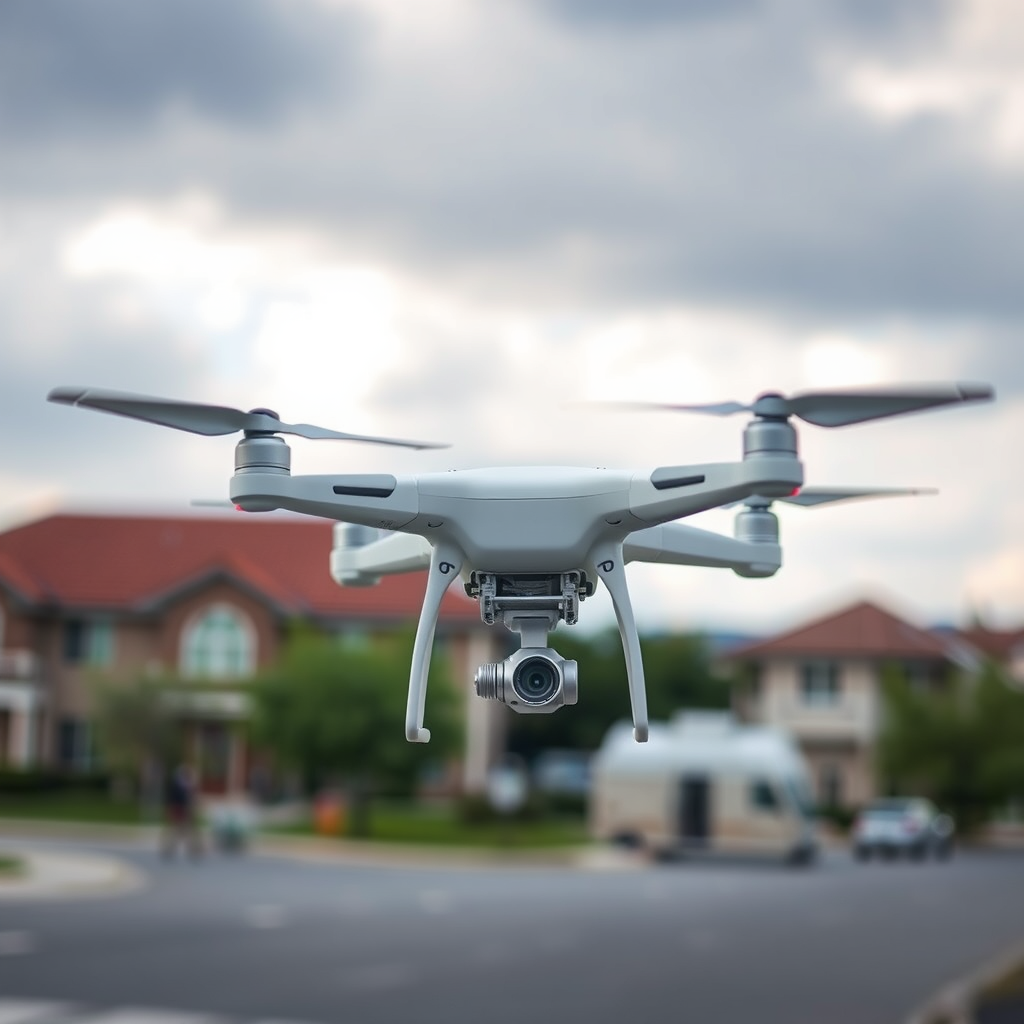
The primary governing body for drone operations in the United States is the Federal Aviation Administration (FAA). The FAA has established rules that apply to both recreational and commercial drone users, focusing on safety and airspace management. For instance, recreational drone operators must adhere to guidelines such as flying below 400 feet, maintaining visual line of sight with the drone, and not flying near airports or populated areas. Commercial operators, on the other hand, must obtain a Remote Pilot Certificate and follow stricter regulations regarding airspace and operational procedures.
In addition to federal regulations, local laws may impose additional restrictions based on your area. Some states and municipalities have developed their own set of rules to address specific concerns such as noise, safety, and privacy. For example, certain cities may prohibit drone flights over public parks or private properties without consent. Therefore, it is crucial for drone operators to familiarize themselves with both FAA guidelines and local regulations to ensure compliance and avoid potential penalties.
Property Rights and Airspace
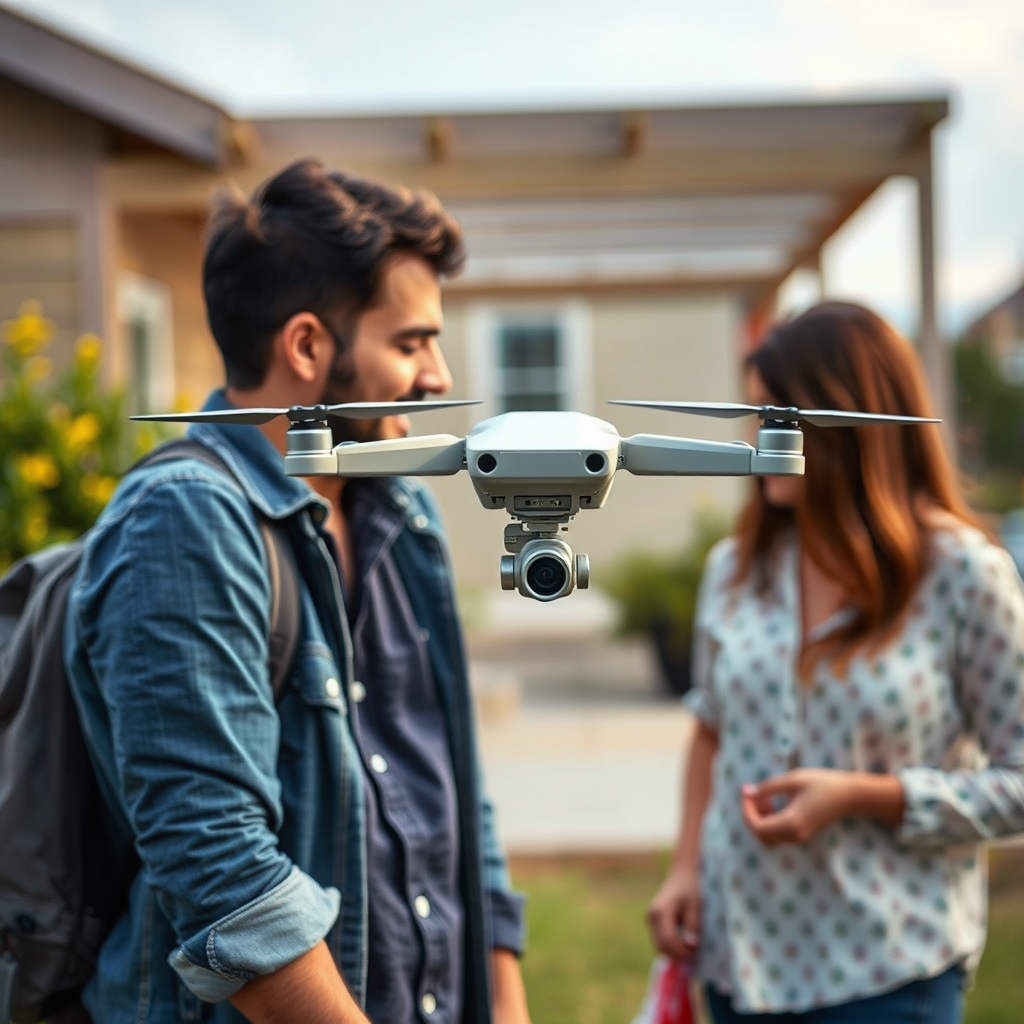
Property ownership typically includes rights to the land itself and a certain amount of airspace above it. However, these rights can be limited depending on legal precedents and federal regulations. The concept of “navigable airspace,” as defined by the FAA, includes the airspace above a minimum altitude (generally 500 feet above ground level) where aircraft can operate without infringing on property rights. This means that while property owners may have some claim to the airspace above their land, drones flying at legal altitudes are generally permitted to do so without trespassing.
The distinction between private property rights and navigable airspace is crucial for drone operators. For instance, if a drone is flying at an altitude of 400 feet above a residential neighborhood, it is not violating the property rights of homeowners, even if it is directly above their land. This legal framework seeks to balance drone usage with the rights of property owners, but it can lead to disputes over perceived invasions of privacy or safety concerns.
Local Laws and Restrictions
Many states and municipalities have enacted laws that regulate drone flights to address specific local concerns. For example, some regions may have restrictions regarding the use of drones in densely populated areas or near sensitive locations such as schools and hospitals. Local regulations may also impose requirements for drone registration, insurance coverage, and operational permits.
Before flying a drone, it is advisable to check with local authorities or consult municipal websites to understand any specific regulations that may apply to your area. Failure to comply with local laws can result in fines or the confiscation of drones. Furthermore, some areas may have designated no-fly zones, which are established for safety reasons, such as proximity to airports or military installations. Always ensure you are up to date on these regulations to avoid penalties or conflicts with law enforcement.
Privacy Concerns
The use of drones can raise significant privacy issues, especially when operators capture images or videos of individuals or private properties without consent. In various jurisdictions, privacy laws may protect individuals from being photographed or recorded without their knowledge, particularly in situations where there is a reasonable expectation of privacy, such as within their homes or backyards.
Drone operators should be aware of these privacy laws and how they apply to their activities. For example, some states have enacted laws specifically addressing drone usage and privacy, making it illegal to record individuals in private settings without their consent. Additionally, drone operators should consider the ethical implications of their activities and strive to respect the privacy of others while using their drones.
Neighbor Relations
Flying drones over someone else’s property can lead to disputes, particularly if neighbors feel their privacy is being invaded or if they perceive the drone as a nuisance. To maintain positive relationships with neighbors, drone operators should communicate openly about their drone use and be considerate of where and when they fly.
For example, if you plan to fly your drone for recreational purposes, informing your neighbors in advance can help alleviate concerns they may have about noise or privacy. Additionally, being respectful of any local noise ordinances and flying during reasonable hours can further foster good neighborly relations. Establishing friendly communication can also help address any issues that may arise, allowing for a more amicable resolution.
Reporting Violations
If you believe a drone is violating privacy or local laws, it is essential to know how to report it effectively. Begin by documenting any incidents, including dates, times, and descriptions of the drone’s activities. This information will be valuable when contacting the appropriate authorities for resolution.
In many cases, local law enforcement agencies can assist in addressing complaints regarding drone usage. Additionally, the FAA has a formal complaint process for reporting unsafe or illegal drone operations. Being proactive in reporting violations not only helps protect your rights but also contributes to the overall safety and compliance of drone operations within your community.
In conclusion, while drones can legally fly over your property, it’s crucial to understand the relevant regulations and respect the privacy of others. Staying informed about both federal and local laws is essential for responsible drone use. By being aware of your rights as a property owner and navigating the complexities of drone regulations, you can enjoy the benefits of this technology while minimizing potential conflicts with neighbors and authorities.
Frequently Asked Questions
Can drones fly over my property without my permission?
Yes, drones can generally fly over your property without your permission as long as they adhere to federal and local regulations. The Federal Aviation Administration (FAA) allows drone operators to fly in the national airspace, which includes flying over private property. However, it’s essential to note that state and local laws may impose additional restrictions, so checking with your local authorities is advisable to understand any specific regulations in your area.
What are the legal restrictions for drone flights over private property?
Legal restrictions for drone flights over private property vary by location. While the FAA regulates airspace and allows drones to fly over private land, some states have enacted laws that prohibit drone operations for certain purposes, like invasion of privacy or harassment. Property owners may also have the right to request that drone operators avoid flying over their land, especially if the drone’s activities are intrusive. Always consult your local regulations to ensure compliance.
How can I prevent drones from flying over my property?
If you want to prevent drones from flying over your property, one effective approach is to install physical barriers such as netting or trees to obscure the airspace. Additionally, you can display “No Drone Zone” signs to inform drone operators of your privacy concerns. While these measures may not legally prohibit drone flights, they can deter operators from flying over your land. Engaging with local lawmakers to advocate for stricter drone regulations in your area can also be beneficial.
Why do drones often fly over residential areas?
Drones frequently fly over residential areas for various reasons, including aerial photography, real estate inspections, or surveying land. Many drone operators are commercial users, such as photographers or construction teams, needing aerial views for their projects. However, recreational users may also fly drones over neighborhoods for hobby purposes. Understanding the reasons behind drone flights can help property owners address their concerns more effectively.
What should I do if a drone is flying over my house frequently?
If a drone is frequently flying over your house and it’s causing you distress, the first step is to try to identify the operator. If you can, approach them politely to express your concerns. If the issue persists and violates local privacy laws, you may want to document the flights and contact local law enforcement or regulatory authorities to investigate further. Additionally, consider checking local drone regulations to see if any rules are being violated.
References
- https://en.wikipedia.org/wiki/Drone_regulations
- https://www.faa.gov/uas/getting_started/
- https://www.nytimes.com/2020/08/24/us/drones-privacy-property.html
- https://www.theguardian.com/us-news/2021/jun/18/drones-property-rights-faa
- https://www.nolo.com/legal-encyclopedia/drone-laws-property-rights-297199.html
- https://www.ucsusa.org/resources/drone-regulations-and-privacy
- https://www.mdpi.com/2504-446X/4/1/10
- https://www.eff.org/deeplinks/2013/06/what-you-need-know-about-drones-and-privacy
- https://www.nas.edu/activities/2018/09/03/airspace-and-drone-regulation
- https://www.abc.net.au/news/2021-04-08/drones-fly-over-private-property-privacy-laws/100036852
