

Yes, drones can fly over people, but there are specific regulations and safety considerations that must be adhered to. Understanding these guidelines is crucial for both drone operators and bystanders to ensure safety and compliance with the law. As the popularity of drones continues to rise, so does the necessity for comprehensive knowledge regarding the legal and practical implications of flying over populated areas. This blog post delves into the various aspects of drone operations over people, providing insights into regulations, safety measures, and best practices.
Understanding Drone Regulations
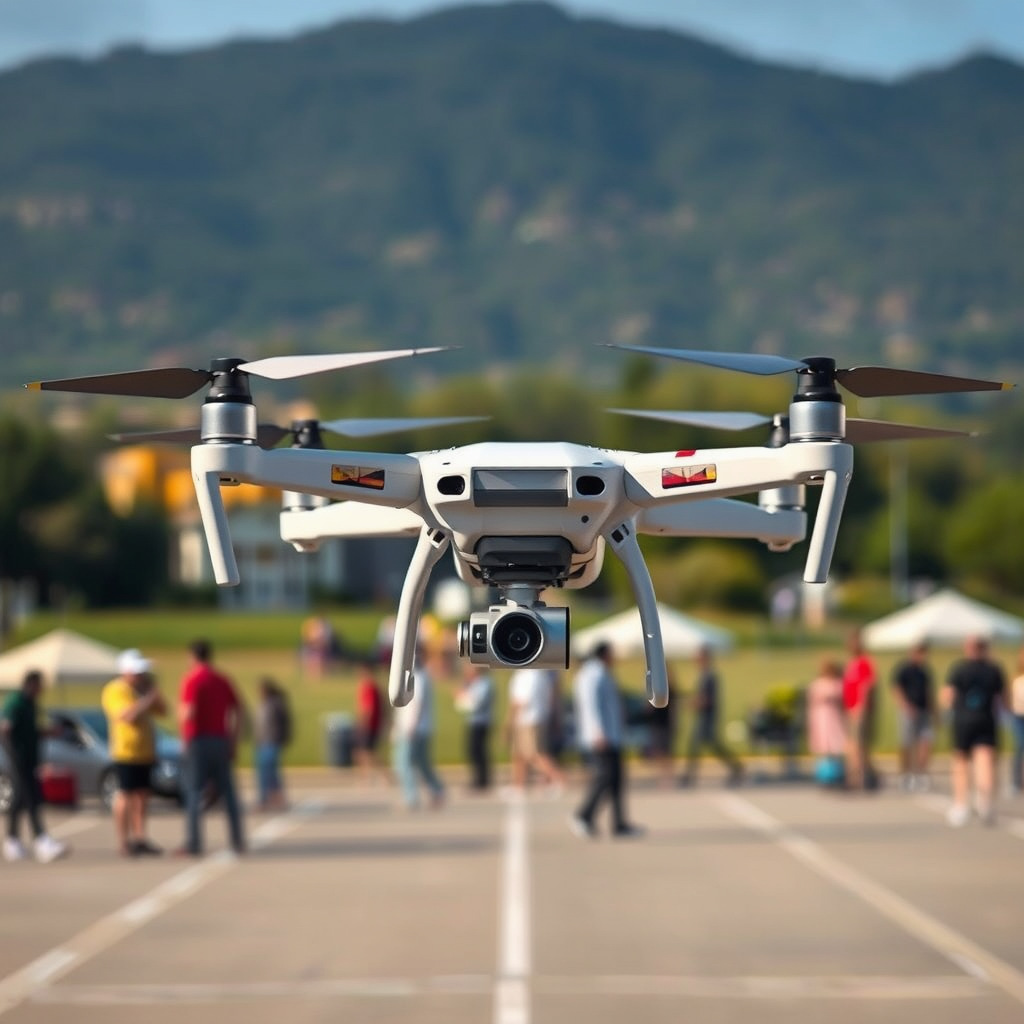
In the United States, the Federal Aviation Administration (FAA) governs drone operations, including the regulations surrounding flights over people. Under the FAA’s Part 107 rules, operators are generally prohibited from flying drones over people unless they meet specific criteria outlined in the regulations. As of recent updates, drones can be flown over people if they are classified as “Category 1” drones, which weigh 0.55 pounds or less and are designed with safety features that minimize the potential for injury in the event of a malfunction or crash.
In addition to federal regulations, it’s essential for drone operators to be aware of local laws that may impose stricter limitations on drone usage. Various states and municipalities have introduced their own regulations regarding drone flights, often influenced by safety concerns or local community standards. For example, some cities may prohibit drone flights in crowded public areas or near sensitive locations, such as schools and hospitals. Therefore, operators should ensure they are informed about both federal and local regulations to avoid penalties and ensure safe operations.
Safety Considerations for Flying Drones

Flying drones over crowds or gatherings poses inherent risks that operators must carefully evaluate. The primary concerns include the potential for accidents and injuries, especially if a drone malfunction leads to a crash. Factors such as battery failure, loss of control, or unexpected weather conditions can contribute to the risks associated with drone flights in populated areas.
To mitigate these risks, drone operators should adopt several safety measures. First and foremost, conducting a thorough pre-flight check is vital. This includes inspecting the drone for mechanical issues, ensuring that all systems are functioning correctly, and confirming that the battery is adequately charged. Additionally, operators should maintain a safe distance from people when flying and avoid crowded events whenever possible. Utilizing drones equipped with advanced safety features, such as propeller guards and automatic return-to-home capabilities, can further enhance safety.
Another critical safety consideration is the operator’s skill level. Having the necessary training and experience to pilot a drone, particularly in complex environments, can significantly reduce the chances of accidents. Therefore, drone operators should invest time in education and practice before attempting to fly over populated areas.
Types of Drones Allowed to Fly Over People
Not all drones are created equal when it comes to flying over people. The FAA has established specific criteria that determine which drones are permitted to operate in these environments. As previously mentioned, Category 1 drones, which weigh 0.55 pounds or less, are generally allowed to fly over people without additional restrictions. However, larger drones may be permitted to operate over people if they have been designed with enhanced safety measures, such as redundant systems that minimize the risk of injury.
When selecting a drone for operations over people, operators should also consider the significance of certifications. Drones that have received FAA approval for specific operational categories are more likely to meet safety standards. Furthermore, manufacturers that prioritize safety in design—such as incorporating features that reduce impact forces—are crucial for compliant drone operations. For example, drones with built-in parachute systems can significantly decrease the risk of injury in the event of a failure.
Operational Scenarios for Drones Over People
There are various scenarios where flying drones over people is acceptable, particularly in controlled settings where safety protocols are in place. For instance, during film shoots or live events, drones can be used to capture aerial footage, provided that operators adhere to FAA regulations and ensure that the area is secure. Additionally, drones are often utilized in public safety operations, such as search and rescue missions, where their ability to survey large areas quickly can be invaluable.
Conversely, there are situations where flying drones over people is prohibited. For example, operations at large public gatherings, such as concerts or sporting events, may be restricted due to the heightened risk of accidents and the difficulty of maintaining control in crowded environments. The rationale behind these prohibitions is clear: ensuring the safety of the public is paramount, and minimizing risks is essential in these high-stakes situations.
Insurance and Liability Issues
As drone operations evolve, so do the legal considerations associated with flying over people. Liability insurance is an essential aspect for drone operators to consider, especially when flying in populated areas. In the event of an accident, liability insurance can protect operators from costly legal claims and damages. Furthermore, having insurance is often a requirement for commercial drone operations, adding another layer of responsibility for operators.
Legal ramifications can be severe for those who fly drones over people without the necessary permissions or safety precautions. Violating FAA regulations can result in hefty fines, loss of flight privileges, and potential civil liability for injuries caused by drone accidents. Therefore, drone operators should not only prioritize safety and compliance but also seek legal advice when necessary to understand the implications of their actions.
Best Practices for Flying Drones Over People
To ensure safe and responsible drone operations over people, adhering to best practices is vital. First and foremost, operators should always stay informed about current regulations and guidelines from the FAA and local authorities. This knowledge will help them make informed decisions regarding when and where to fly their drones.
Engaging with the public is also an essential best practice. Operators should communicate their intentions to those nearby, ensuring that bystanders are aware of the drone’s presence and the potential risks involved. This can help foster a cooperative environment and alleviate concerns from the public.
Additionally, operators should consider using technology to enhance safety. For instance, utilizing drones equipped with live-streaming capabilities can offer transparency regarding the drone’s operations, helping to build trust with the public. Implementing a flight plan that includes designated no-fly zones and pre-established flight paths can also enhance safety and minimize risks.
In summary, while drones can indeed fly over people under specific conditions, it is imperative for operators to be well-informed about regulations, safety measures, and best practices. Always prioritize safety and legality to enhance the drone flying experience for everyone involved. By adhering to these guidelines and staying vigilant, operators can effectively mitigate risks and contribute to a safe and enjoyable drone-flying environment.
Frequently Asked Questions
Can drones legally fly over people in the United States?
Yes, drones can legally fly over people in the United States, but there are specific regulations set by the Federal Aviation Administration (FAA). As of the updated rules in 2021, drones classified as “Category 1” can fly over people without restrictions, as long as they weigh less than 0.55 pounds and do not have exposed rotating parts. For heavier drones, operators must adhere to additional safety measures and obtain waivers if necessary.
What are the safety concerns of flying drones over people?
Flying drones over people raises several safety concerns, primarily the risk of injury from a falling drone or collisions with individuals. Drones can malfunction, and if they weigh over a certain limit, they could cause serious harm if they were to crash. Therefore, operators must ensure they follow FAA regulations and conduct thorough pre-flight checks to minimize risks when flying over populated areas.
How can I ensure my drone is safe to fly over people?
To ensure your drone is safe to fly over people, first, verify that it complies with FAA regulations regarding weight and safety features. It’s also essential to conduct pre-flight checks, including inspecting battery levels, ensuring all components are functioning properly, and reviewing your flight plan. Additionally, consider using drones equipped with advanced safety features like automatic return-to-home and obstacle avoidance technology.
Why do some drone operators want to fly over people?
Drone operators often seek to fly over people for various reasons, including capturing aerial photography, conducting aerial surveys, or providing services like delivery. Flying over crowds can enhance the quality and scope of a project, making it more visually appealing or efficient. However, the need for safety and compliance with regulations remains a priority to mitigate risks associated with flying in populated areas.
Which drones are approved for flying over people?
Drones approved for flying over people typically fall under the FAA’s “Category 1” classification, which includes models weighing less than 0.55 pounds, such as the DJI Mini series. Other drones may also be approved if they meet the necessary safety criteria and the operator has obtained the required waivers. Always check the latest FAA guidelines and research specific drone models to ensure compliance before flying over people.
References
- https://en.wikipedia.org/wiki/Drone_regulation_in_the_United_States
- https://www.faa.gov/uas/resources/policy_library/exemptions/
- https://www.faa.gov/uas/getting_started/part_107/
- https://www.nytimes.com/2021/03/21/us/drone-regulations.html
- https://www.theguardian.com/technology/2021/nov/04/drone-operators-uk-privacy-laws
- https://www.reuters.com/technology/us-regulator-approves-drone-flights-over-people-2021-04-21/
- https://www.ncbi.nlm.nih.gov/pmc/articles/PMC7312131/
- https://www.nap.edu/catalog/25480/assessing-the-safety-of-drone-operations-over-people
- https://www.faa.gov/uas/advanced_operations/operations_over_people/
