
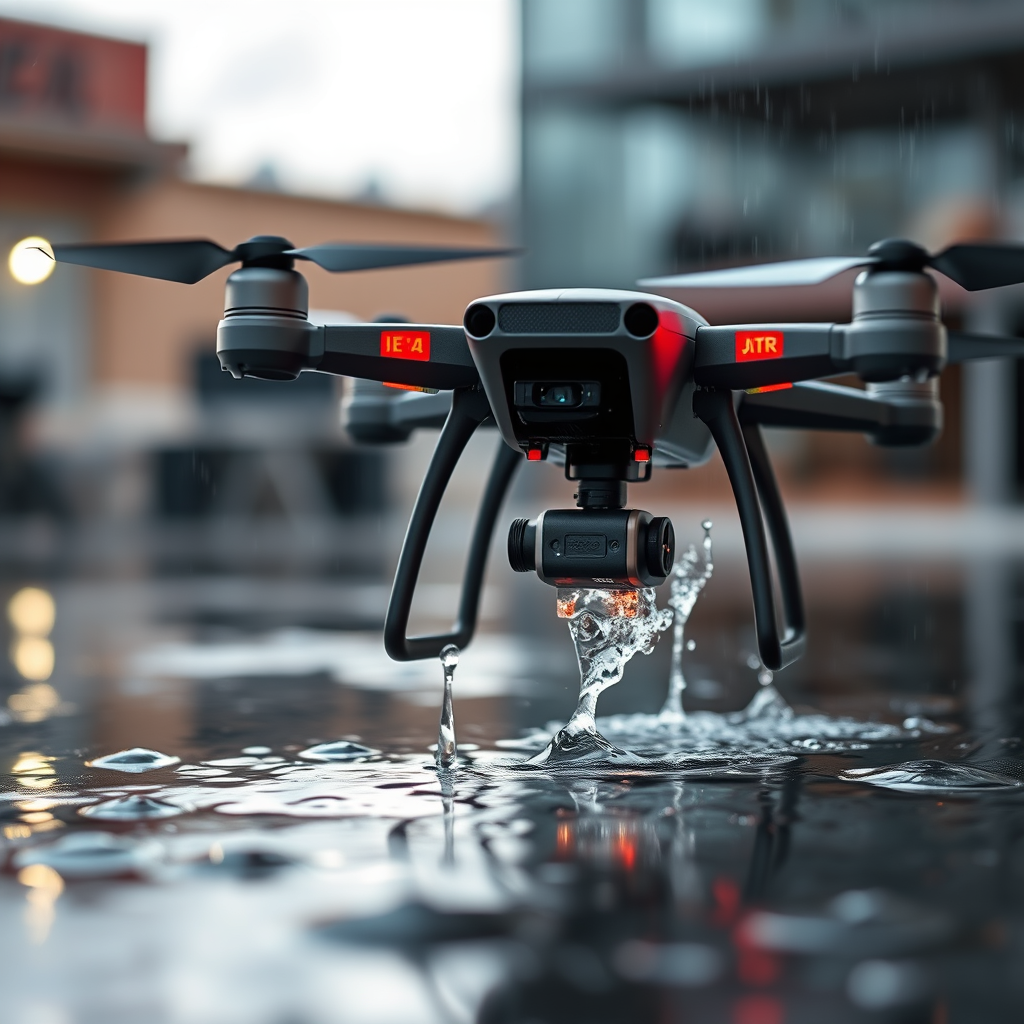
Drones can get wet, but not all are designed to withstand water exposure. Understanding the water resistance of different types of drones is crucial for safe operation and maintenance. With the growing popularity of drones in various sectors, from recreational use to commercial applications, it is essential for operators to know how their devices interact with water and what precautions to take. This article will explore how drones interact with water, the implications of exposure, and tips for protecting your drone from moisture.
Understanding Drone Water Resistance Ratings
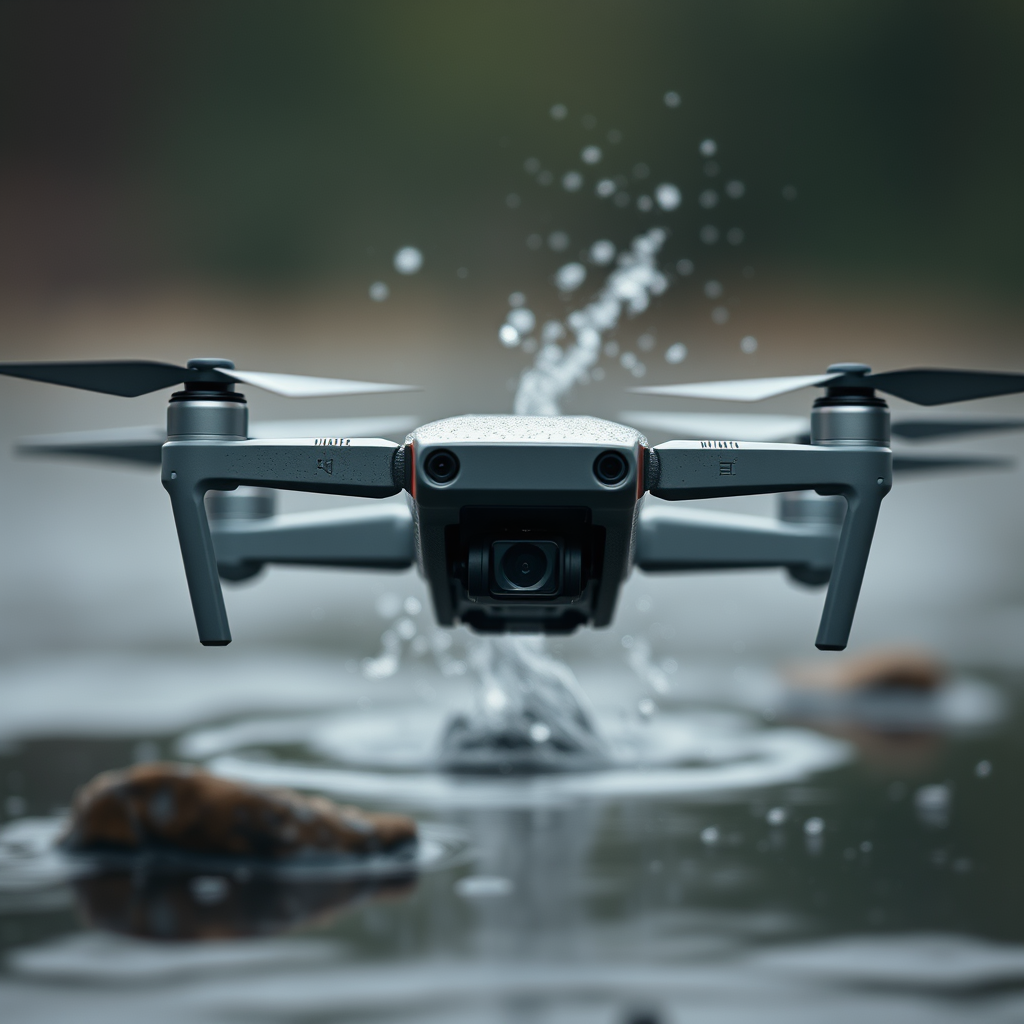
Drones may come with an IP (Ingress Protection) rating indicating their resistance to water and dust. This rating system provides a standardized way to assess the durability of electronic devices, including drones. The IP ratings typically consist of two digits; the first digit represents the level of protection against solid objects, while the second digit signifies the level of protection against liquids. For example, a drone with an IP67 rating is dust-tight and can withstand immersion in water up to one meter for a duration of 30 minutes.
Ratings can range from completely waterproof (IP68) to water-resistant (like IP54), which indicates only limited protection against water splashes. Understanding these ratings is crucial for drone operators, as it can significantly influence the usability of their equipment in wet conditions. Always refer to the manufacturer’s specifications to determine how your drone will perform in moisture-laden environments.
Types of Drones and Their Water Resistance
When it comes to water resistance, not all drones are created equal. Consumer drones, such as those designed for hobbyists, typically have limited water resistance and are not meant to be exposed to significant moisture. Models like the DJI Phantom series, for instance, are not waterproof, and even minor exposure to water can lead to malfunctions.
Conversely, certain commercial drones are designed specifically for aquatic environments. Drones like the Swellpro Splash Drone are engineered to be waterproof and can land on water, making them suitable for applications such as search and rescue operations or marine surveying. Researching the specifications and user reviews can help determine a drone’s suitability for wet conditions. If you plan to operate a drone in environments prone to moisture, consider investing in models that explicitly advertise water resistance.
Effects of Water Exposure on Drones
Water can significantly damage electronic components, motors, and batteries, leading to malfunctions or complete failure. Drones are intricate devices composed of sensitive circuitry and electronic parts that do not react well to moisture. Even a small amount of water intrusion can cause short-circuiting, which can render the drone inoperable. Moreover, prolonged exposure to moisture can lead to corrosion of internal components, greatly affecting the drone’s longevity and performance.
For instance, lithium polymer (LiPo) batteries, commonly used in drones, are particularly susceptible to water damage. If water seeps into the battery compartment, it can lead to swelling, leakage, or even fire hazards. Therefore, it is essential to be vigilant about moisture exposure, as the implications can be both costly and dangerous.
Best Practices for Flying Drones in Wet Conditions
To ensure the longevity and performance of your drone, always check the weather and avoid flying in rain or near large bodies of water unless the drone is rated for such conditions. Even if a drone has a certain level of water resistance, it does not guarantee it can withstand heavy rain or immersion.
For drones that aren’t waterproof, consider using protective covers or bags designed for moisture protection. These accessories can shield your drone from unexpected splashes or light rain. Additionally, avoid flying over water unless absolutely necessary, as the risk of loss increases significantly if the drone crashes into the water.
Furthermore, pre-flight checks are essential. Ensure that all compartments are sealed and that any covers are properly secured. This proactive approach can mitigate the risk of water intrusion during flight.
What to Do If Your Drone Gets Wet
If your drone does get wet, immediate action is crucial to prevent lasting damage. First, power down the drone to prevent short-circuiting and remove the battery. This step is vital, as it can help minimize potential electrical damage.
Next, dry the drone thoroughly with a soft cloth or towel, paying special attention to crevices where water might accumulate. If possible, disassemble parts that are easily removable, such as propellers and covers, to allow for better airflow during the drying process.
To absorb moisture effectively, consider using silica gel packets or uncooked rice, placing them in a sealed container with the drone. These materials are excellent at absorbing moisture and can help prevent corrosion. Only after you’re confident that the drone is completely dry should you attempt to power it back on.
Maintenance Tips for Water-Exposed Drones
Regular maintenance is crucial for ensuring the longevity of drones exposed to water. After flights in wet conditions, inspect and clean your drone meticulously. Look for signs of moisture and corrosion, particularly around the battery compartment and the motors. Cleaning the drone with a soft brush can help remove any residual water or contaminants that may cause further damage.
Additionally, consider applying a water-repellent coating to enhance protection against moisture. Products like conformal coatings are specifically designed for electronic components and can significantly improve water resistance. However, ensure that such applications do not void your warranty or interfere with the drone’s functionality.
Regularly updating firmware and software can also protect against potential issues caused by environmental factors. Keeping your drone in optimal condition will help ensure that it performs well in various conditions, including those with a higher risk of moisture exposure.
In conclusion, while some drones can handle wet conditions, it is essential to understand their limitations. By familiarizing yourself with water resistance ratings, recognizing the potential effects of water exposure, and following best practices for operation and maintenance, you can significantly enhance your drone’s performance and lifespan. Always prioritize your drone’s care to ensure it remains a reliable tool for your aerial needs. For more tips on drone maintenance and operation, subscribe to our blog!
Frequently Asked Questions
Can drones get wet without damaging their components?
While many drones are designed to withstand some moisture, not all models are water-resistant or waterproof. If a drone gets wet, it may not necessarily damage its components, but it can lead to short circuits or corrosion over time. It’s essential to check the manufacturer’s specifications regarding water resistance and take precautions, such as avoiding flying in heavy rain or landing in wet areas.
How can I protect my drone from getting wet during flights?
To protect your drone from moisture, consider using a drone cover or rainproof bag specifically designed for aerial vehicles. Additionally, try to avoid flying during rainy weather or in areas with high humidity. It’s also beneficial to use drones with higher IP ratings, indicating better water resistance, and to regularly inspect and maintain the drone to ensure its protection against moisture.
Why is it important to keep a drone dry?
Keeping a drone dry is crucial to prevent damage to its electronic components, which can be sensitive to water exposure. Moisture can lead to short circuits, rust, and other irreversible damages that affect performance and longevity. Moreover, maintaining a dry environment ensures optimal functionality, allowing for safer and more reliable flights.
What should I do if my drone gets wet?
If your drone gets wet, the first step is to turn it off immediately to prevent short circuits. Remove any batteries and memory cards, then dry the exterior gently with a soft cloth. Allow the drone to air dry in a warm, dry place for at least 24-48 hours before attempting to turn it back on. If you’re unsure about the damage, it’s wise to consult a professional technician for a thorough inspection.
Which drones are best for flying in wet conditions?
Drones that are specifically labeled as waterproof or water-resistant are best for flying in wet conditions. Models like the DJI Mavic 2 Enterprise, which features an IP43 rating, or the Swellpro Splash Drone, designed for aquatic environments, are excellent choices. When selecting a drone for wet conditions, always check the ingress protection (IP) rating to ensure it meets your specific needs for moisture exposure.
References
- https://en.wikipedia.org/wiki/Drone#Weather_conditions
- https://www.sciencedirect.com/science/article/abs/pii/S2213138816300504
- https://www.nytimes.com/2021/04/12/technology/drones-weather.html
- https://www.faa.gov/uas/resources/policy_library/
- https://www.nasa.gov/feature/nasa-drones-can-fly-in-the-rain
- https://www.abc.net.au/news/2020-07-20/drones-rain-and-snow-operations/12468598
