

Drones can legally fly over private property in many situations, but there are important regulations and limitations to consider. Understanding the legal landscape is crucial for drone operators to avoid potential conflicts and ensure compliance with laws. While the Federal Aviation Administration (FAA) provides a general framework governing airspace, local laws and individual rights can create a complex patchwork of regulations that drone pilots must navigate. This article delves into the intricacies of drone flight legality over private property, providing essential insights for operators.
Understanding Drone Regulations
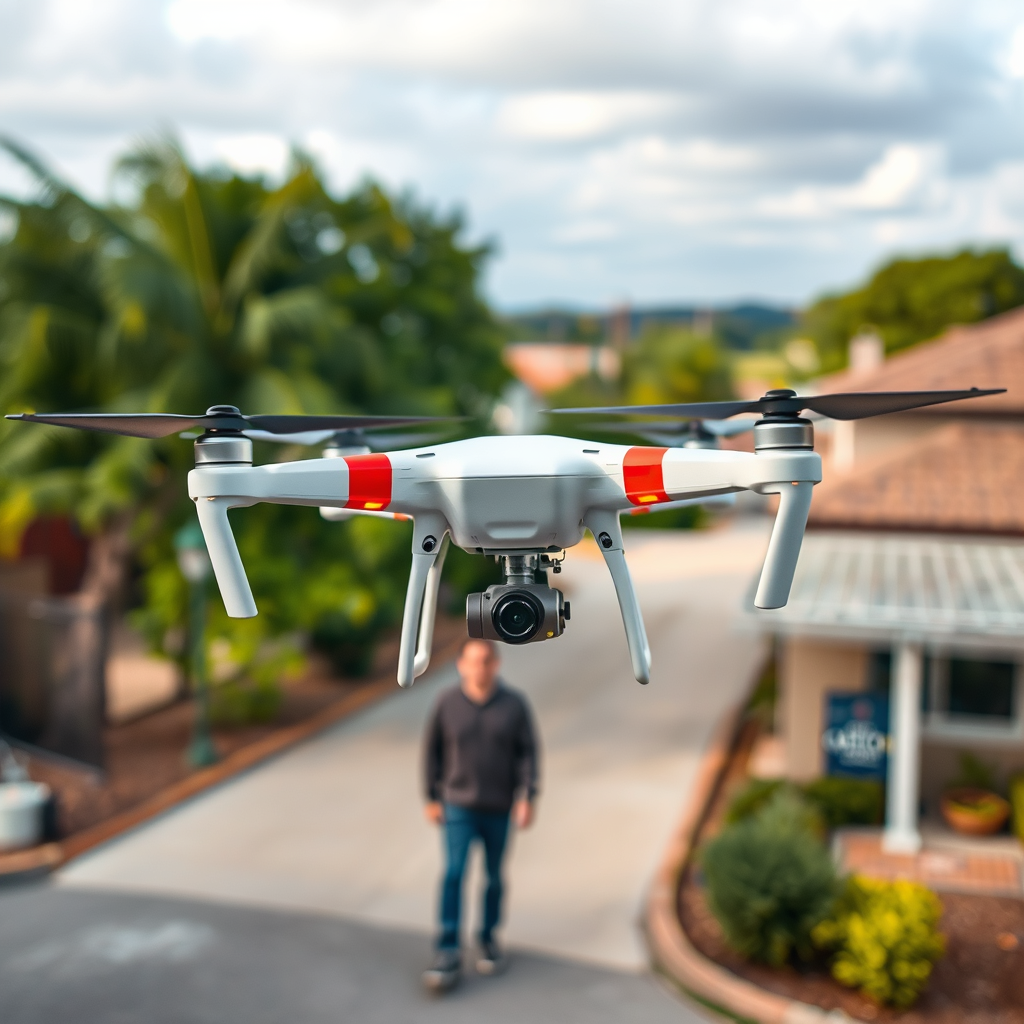
Drones, or unmanned aerial vehicles (UAVs), must comply with the regulations set forth by the FAA in the United States. According to the FAA, any drone weighing over 0.55 pounds must be registered, and operators must adhere to specific flight rules, such as maintaining visual line-of-sight and not exceeding a maximum altitude of 400 feet above ground level. Furthermore, drone flights must be conducted during daylight hours unless the operator has special permissions.
In addition to federal regulations, local laws can impose additional restrictions on drone use. These may include no-fly zones around airports, schools, and public events, as well as specific regulations addressing the use of drones in urban areas. For instance, some municipalities have enacted ordinances that require drone operators to notify local law enforcement before flying. Therefore, it is imperative for drone operators to research both federal and local regulations to ensure compliance and mitigate the risk of legal repercussions.
Property Rights and Airspace
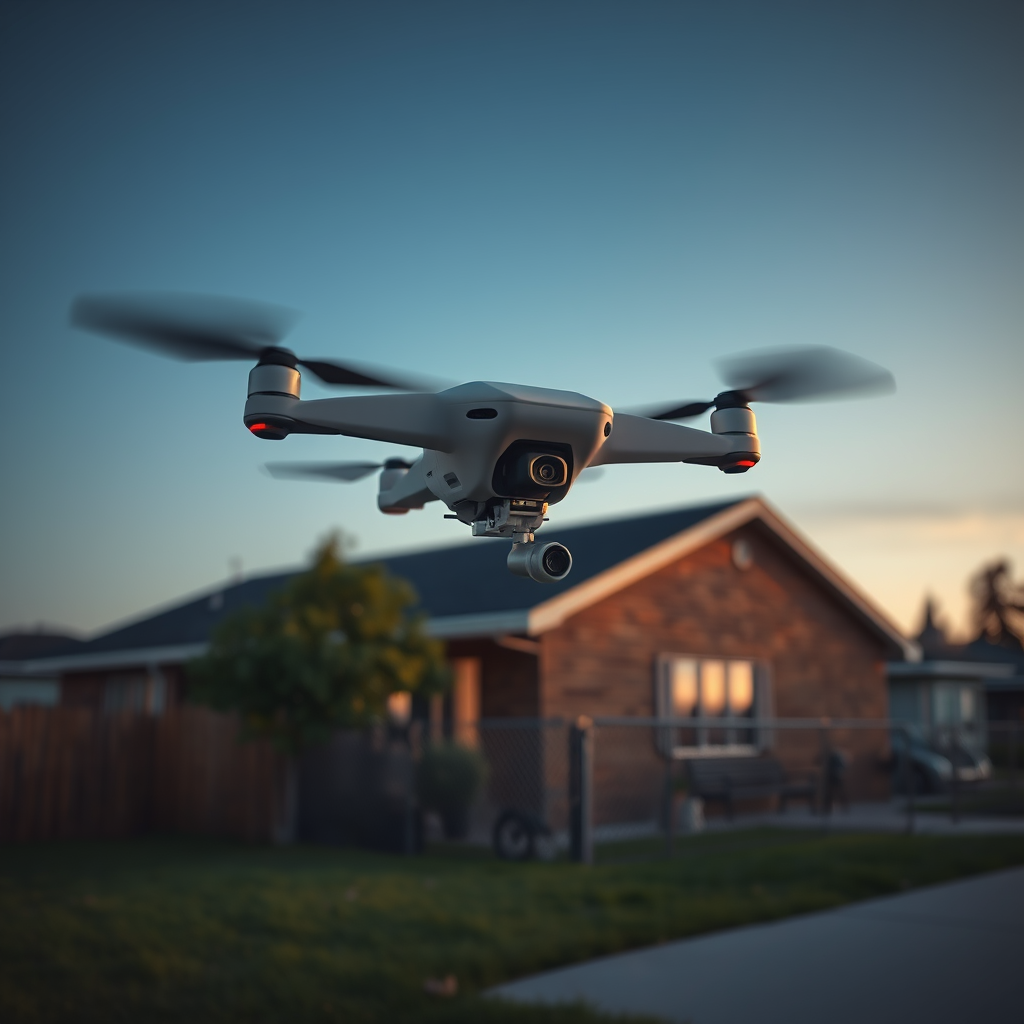
The legal concept of “navigable airspace” allows drones to fly above private property, but the nuances of property rights complicate this issue. Generally, the FAA asserts that navigable airspace begins at 500 feet above ground level, allowing drones to operate below this altitude. However, property owners do have certain rights to the airspace immediately above their land, which can raise questions about the legality of flying drones at lower altitudes.
The limits of these property rights can vary by jurisdiction, but they typically do not extend to the navigable airspace defined by the FAA. For instance, a property owner cannot claim ownership of the airspace at 400 feet where drones are commonly operated. However, if a drone is flown at an altitude that disrupts the property owner’s use and enjoyment of their land, this could lead to legal disputes. Operators should be aware of these potential conflicts and make informed decisions about flight paths to minimize disruption and legal exposure.
Privacy Concerns
Flying drones over private property can raise significant privacy issues for homeowners. Drones equipped with cameras can capture images and video without the owner’s consent, leading to concerns about invasion of privacy. The legal framework surrounding privacy varies by state, with some states enacting specific laws that regulate drone use in relation to privacy rights. For example, California has strict laws that prohibit the use of drones to surveil private property without consent.
Drone operators must take privacy concerns seriously and be aware of the potential legal implications of their activities. Even in states without explicit drone privacy laws, operators can still face lawsuits for invasion of privacy if they capture images of individuals in their private spaces without permission. To mitigate these risks, drone pilots should consider implementing best practices, such as avoiding flights directly over private homes and obtaining consent from property owners whenever possible.
State-Specific Laws
Some states have enacted specific laws governing drone use over private property, adding another layer of complexity for operators. For example, in Illinois, it is illegal to use a drone to photograph or record individuals without their consent if those individuals have a reasonable expectation of privacy. Similarly, states like Florida and Texas have enacted laws that impose restrictions on drone surveillance of private property.
Given the variation in state laws, it is critical for drone operators to research local regulations before flying. This includes understanding not only state laws but also county and municipal ordinances that may impose additional restrictions. Operators can consult local government websites or legal resources to ensure they are fully informed about the rules governing drone operations in their area.
Liability and Insurance Considerations
Liability issues can arise if a drone causes damage while flying over private property. For instance, if a drone crashes and damages a home or injures an individual, the operator could face significant legal consequences. Moreover, if a drone is used for commercial purposes, the operator may be held to a higher standard of care than a recreational user.
To protect against potential liability, drone operators should consider obtaining liability insurance. Many insurance providers offer specialized coverage for drone operators that can protect against damages, injuries, and legal fees resulting from drone-related accidents. This insurance can provide peace of mind and financial protection, allowing operators to focus on flying safely and responsibly.
Best Practices for Drone Operators
To navigate the complexities of flying drones over private property, operators should adopt several best practices. First and foremost, always seek permission from property owners when flying nearby. This not only helps to avoid legal disputes but also fosters goodwill in the community.
Additionally, operators should be mindful of privacy and safety concerns. Avoid flying drones directly over private residences, especially if equipped with cameras, and maintain a respectful distance from individuals. By being considerate and transparent about drone operations, operators can build positive relationships with the public and minimize potential conflicts.
Finally, staying informed about the latest regulations and best practices is essential for all drone operators. Engaging with local drone clubs or associations, attending workshops, and following industry news can help keep operators updated on changes in regulations and emerging best practices.
In conclusion, while drones can often legally fly over private property, it is essential to understand the regulations, respect privacy, and adhere to best practices. By staying informed about federal and local laws, acknowledging property rights, and considering the privacy of individuals, drone operators can navigate the legal landscape effectively. Being proactive in obtaining necessary permissions and insurance will further enhance compliance and promote responsible drone use within communities.
Frequently Asked Questions
Can drones legally fly over my private property without permission?
Yes, drones can legally fly over private property in many jurisdictions, as long as they are operating within the Federal Aviation Administration (FAA) regulations. These regulations typically allow drones to fly at altitudes below 400 feet and maintain a line of sight with the operator. However, while the airspace above private property is generally considered public, drone pilots should still be respectful of privacy concerns and avoid intrusive behavior.
What are the privacy laws regarding drones flying over private property?
Privacy laws concerning drones vary by state and country, but generally, flying a drone over private property does not violate privacy laws unless the drone is used to capture images or recordings that invade an individual’s reasonable expectation of privacy. For instance, hovering over someone’s backyard to record them without consent could lead to legal issues. It’s advisable for drone operators to familiarize themselves with local laws and regulations to avoid potential conflicts.
Why do some property owners oppose drones flying over their land?
Many property owners oppose drones flying over their land due to concerns about privacy, safety, and potential property damage. Drones can capture images or video without consent, leading to feelings of surveillance. Additionally, there is a risk of drones crashing or causing disturbances, particularly in residential areas, which fuels opposition among homeowners who seek to protect their personal space and property rights.
What should drone operators do to respect private property when flying?
To respect private property when flying drones, operators should maintain a safe distance from residential areas and avoid flying directly over homes unless necessary. Additionally, obtaining permission from property owners before flying over their land can help foster goodwill and ensure compliance with local laws. Respecting noise levels, ensuring that flights are conducted at reasonable times, and being transparent about drone usage can also enhance relationships with property owners.
Which states have the strictest laws regarding drones flying over private property?
States like California, Florida, and Texas have enacted specific laws regarding drone usage, including restrictions on flying over private property. California, for example, has laws that protect against the invasion of privacy through drone surveillance. It’s essential for drone operators to review state-specific regulations, as these laws can differ significantly and may impose additional restrictions beyond federal regulations established by the FAA.
References
- https://www.faa.gov/uas/resources/policies_regulations/
- https://www.nolo.com/legal-encyclopedia/can-drones-fly-over-private-property-32649.html
- https://www.wired.com/story/drones-property-rights/
- https://www.theguardian.com/technology/2021/jun/25/drone-law-private-property-rights
- https://www.law.cornell.edu/wex/drone
- https://www.brookings.edu/research/the-future-of-drones-in-the-u-s/
