
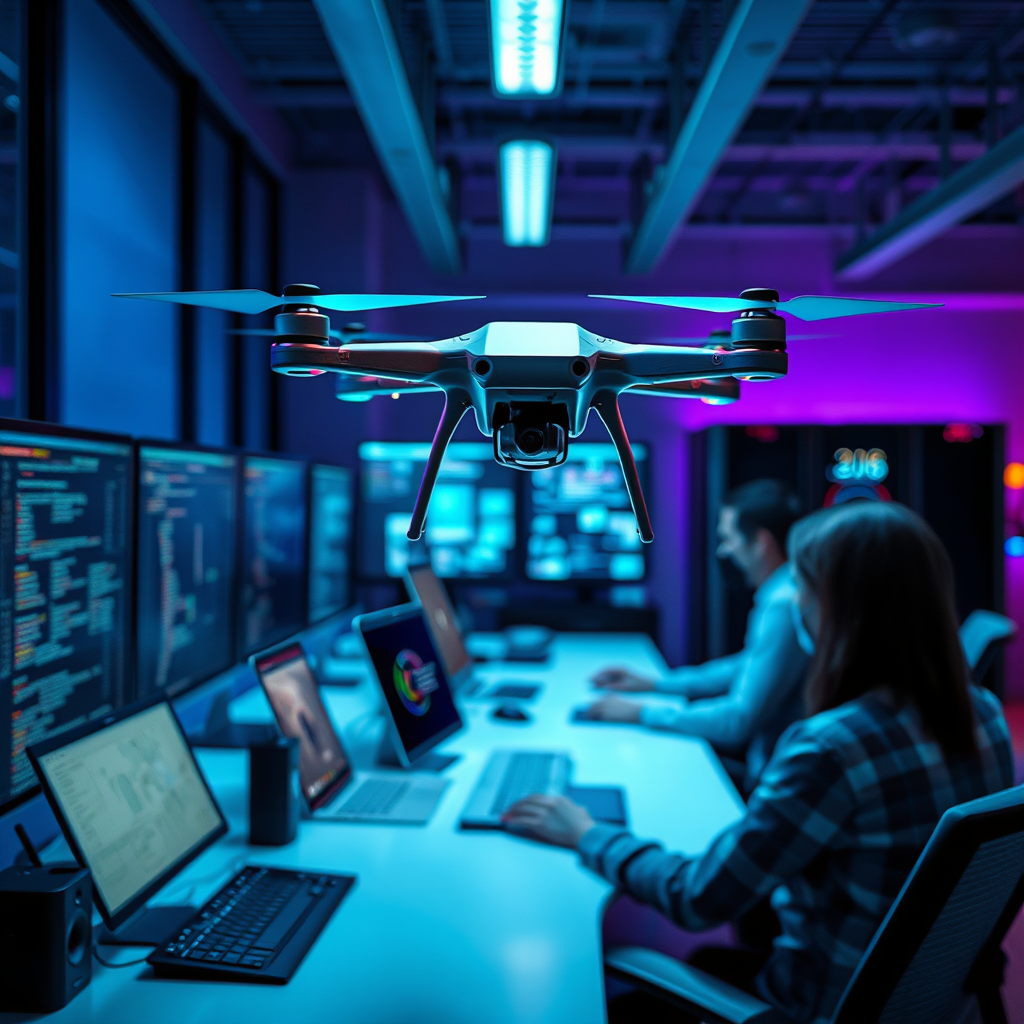
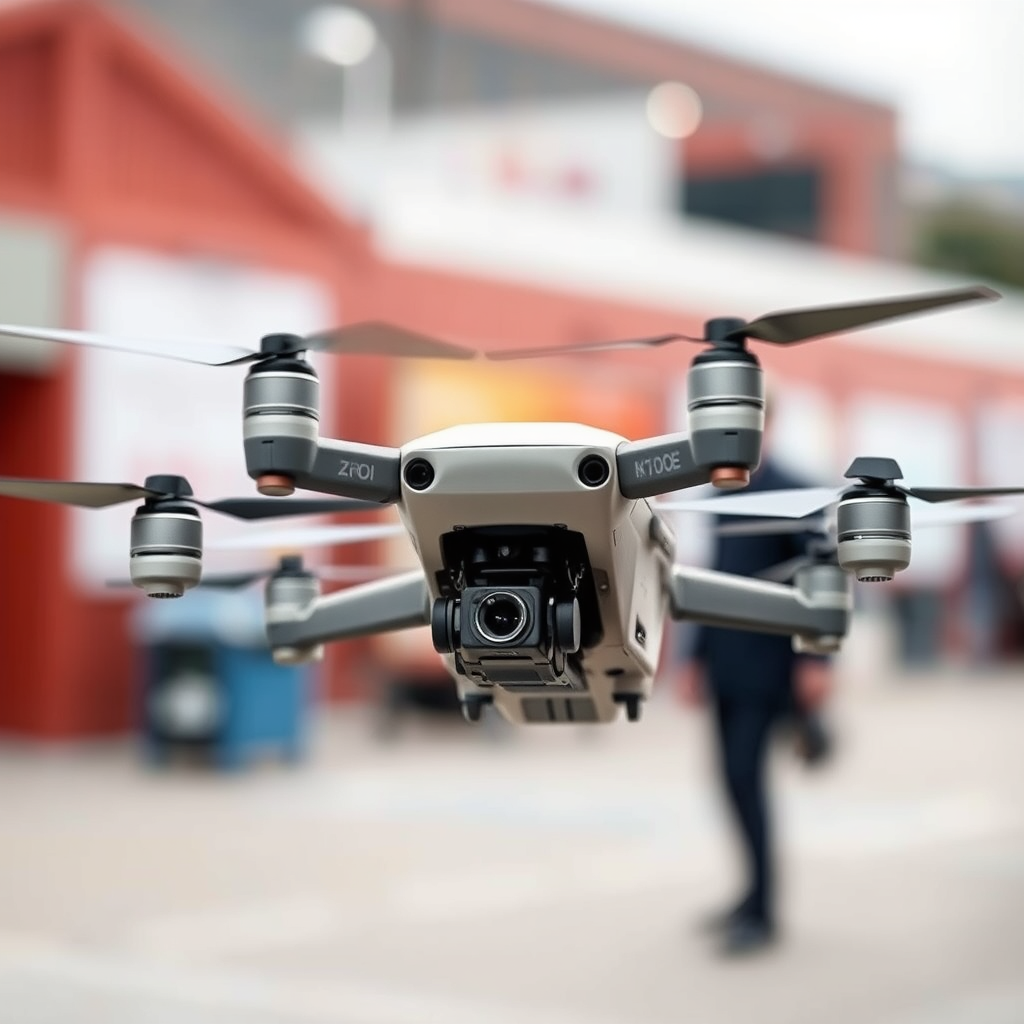
Drones can technically listen to conversations if equipped with the right audio recording technology. However, their ability to do so is limited by legal, ethical, and technical factors. This article explores how drones can capture audio, the technology involved, and the implications of such capabilities. As drone technology continues to evolve, understanding these elements is crucial for both operators and the public, highlighting the importance of responsible usage.
Understanding Drone Audio Technology
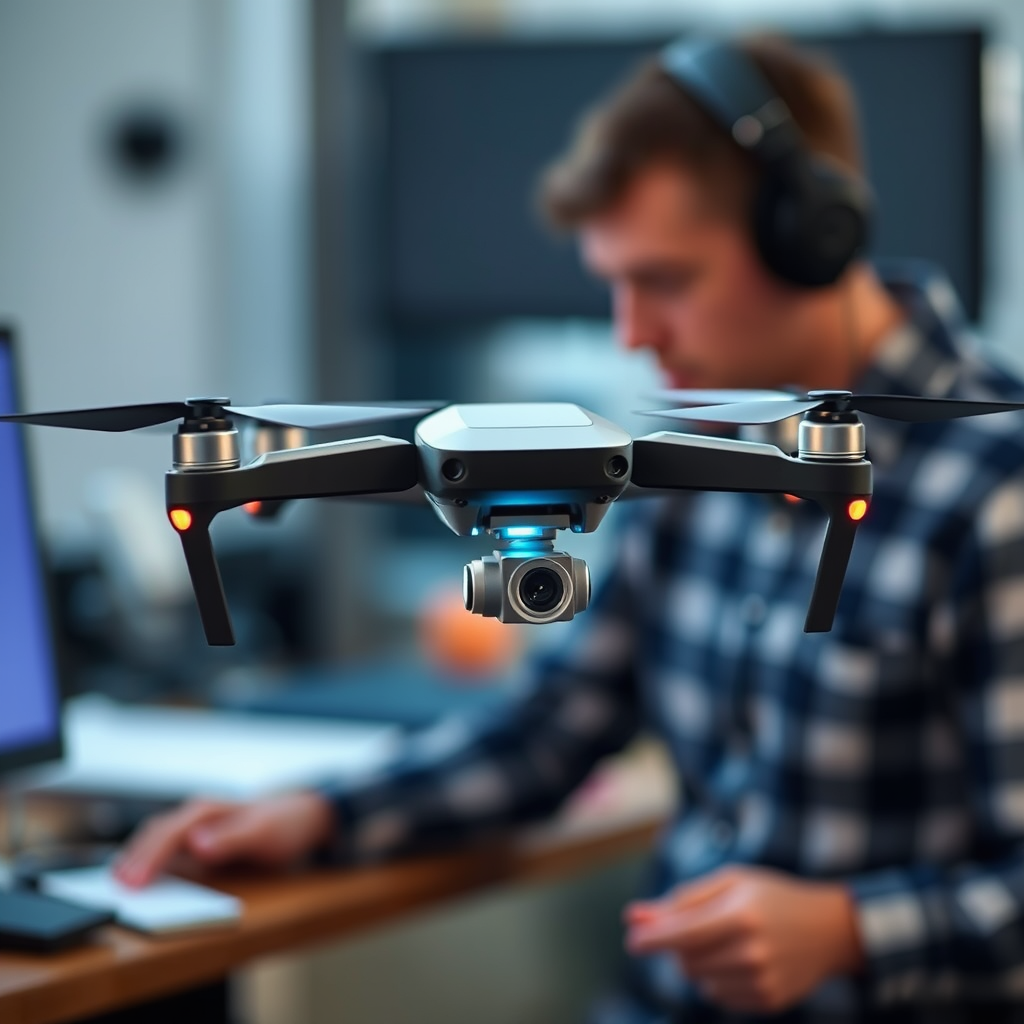
Drones can be outfitted with an array of microphones capable of capturing sound, enabling them to record conversations, environmental sounds, or specific audio signals. These microphones can range from basic, low-quality models to sophisticated, high-fidelity recording systems that can pick up nuances in sound. In particular, drones designed for surveillance may incorporate advanced audio recording features such as directional microphones, which can focus on specific sound sources while minimizing background noise.
For instance, some commercial drones are equipped with noise-cancelling technology that enhances audio clarity, making it possible to capture conversations at a distance. This capability is particularly useful in law enforcement and security contexts, where sound surveillance can complement visual monitoring. However, the integration of audio technology into drones raises complex questions about their intended use and the potential for misuse.
Legal Implications of Listening Drones
The legal framework surrounding the use of drones for audio recording varies significantly across different jurisdictions. Many countries have established strict laws regulating surveillance and the recording of conversations without consent. In the United States, for example, the Federal Wiretap Act prohibits unauthorized interception of oral communications, which may include audio captured by drones. Violating these laws can lead to severe penalties for drone operators, including substantial fines and potential imprisonment.
Furthermore, privacy laws in various states may impose additional restrictions on drone usage. The implications of these regulations highlight the need for drone operators to be well-versed in both federal and state laws governing surveillance. Engaging in unauthorized audio recording can not only result in legal consequences but can also damage the reputation of individuals and organizations involved.
Ethical Considerations in Drone Surveillance
The ethical concerns surrounding drone surveillance, particularly audio recording capabilities, are profound. The potential for privacy invasion raises significant questions about the balance between security and personal privacy. While drones can be valuable tools in maintaining public safety, the ability to listen to private conversations poses a risk to individual rights and freedoms.
Debates about the ethical implications of drone usage often focus on the contexts in which these technologies are deployed. For example, the use of drones for monitoring public events, such as protests or large gatherings, can be justified in the interest of public safety. However, the same technology could be misused for invasive monitoring of individuals in private spaces, leading to breaches of trust and autonomy.
Stakeholders, including policymakers, technologists, and the public, must engage in ongoing discussions about the ethical boundaries of drone surveillance. Establishing clear guidelines and protocols can help mitigate potential abuses and foster responsible use of this powerful technology.
Technical Limitations of Drone Audio Capture
Despite advancements in drone audio technology, several technical limitations affect the quality and effectiveness of audio capture. The range and clarity of audio recorded by drones largely depend on the microphone technology employed. High-quality microphones can capture sound from significant distances, but they may also be susceptible to interference from environmental factors.
For instance, wind can create significant noise that obscures audio clarity, making it difficult to discern conversations or specific sounds. Additionally, the distance between the drone and the sound source plays a critical role; as the distance increases, the likelihood of capturing clear audio diminishes. This limitation is especially pertinent in scenarios where drones are required to operate at heights or distances intended for visual rather than audio surveillance.
Moreover, the legal and ethical implications of capturing audio from a distance must also be considered. Recording conversations without consent, even if technically feasible, raises significant concerns about privacy and legality.
Real-World Applications of Drones with Audio Capabilities
Drones equipped with audio capabilities find applications in various real-world scenarios, particularly in public safety and emergency response. Law enforcement agencies increasingly utilize drones for monitoring large events or emergencies where crowd control is necessary. In such instances, audio monitoring can enhance situational awareness, allowing officers to respond promptly to incidents as they unfold.
In addition to law enforcement, drones with audio capabilities can play a vital role in search and rescue operations. For example, in situations where individuals are lost in remote areas, drones can be deployed to locate voices in distress, significantly improving the chances of a successful rescue. This capability can save lives and streamline search efforts, showcasing the potential benefits of this technology when used responsibly.
However, the deployment of drones in these contexts must be balanced against the need to protect individual privacy rights. Establishing guidelines for when and how audio can be captured can help ensure that the focus remains on safety rather than surveillance.
The Future of Drone Audio Technology
As technology continues to advance, innovations in microphone and audio processing technology are likely to enhance the audio capturing abilities of drones. Emerging technologies could lead to the development of more sensitive microphones capable of capturing high-quality sound over greater distances, potentially expanding the scope of drone applications in various fields.
At the same time, ongoing discussions about regulations and ethical considerations will shape how this technology is utilized in the future. The challenge will be to balance the benefits of improved audio capabilities against the need to safeguard privacy rights. Policymakers and technologists must collaborate to create a framework that allows for innovation while protecting individuals from potential abuses.
Moreover, public awareness about the implications of drone audio technology will be critical. Educating the public on the capabilities and limitations of drones can foster informed discussions about their use and promote responsible operation.
In conclusion, while drones can listen to conversations with the right equipment, their use is heavily regulated and surrounded by ethical considerations. The intersection of technology, law, and ethics in the context of drone audio capabilities presents a complex landscape that requires careful navigation. As technology advances, it’s crucial to stay informed about the implications of drone surveillance and the importance of privacy, ensuring that the benefits of this technology are realized without compromising individual rights.
Frequently Asked Questions
Can drones be equipped to listen to conversations?
Yes, drones can be equipped with audio recording devices like microphones, enabling them to capture sounds and conversations within their range. However, the ability to listen to conversations depends on the drone’s design, the quality of the audio equipment used, and local laws regarding privacy and surveillance. It’s important to note that many jurisdictions have strict regulations governing the use of drones for audio surveillance, making unauthorized recording potentially illegal.
How do drones capture audio, and how effective is it?
Drones capture audio using microphones, which can be integrated into the drone’s body or attached externally. The effectiveness of audio capture varies based on factors such as microphone quality, drone altitude, and environmental noise. Generally, drones flying at lower altitudes can capture clearer audio, but wind and background noise can significantly affect sound quality.
Why are people concerned about drones listening to conversations?
Concerns about drones listening to conversations stem from privacy issues and the potential for misuse. Many people worry that drones could be used by individuals or organizations to invade personal privacy, monitor confidential discussions, or gather sensitive information without consent. This has led to increased calls for regulations and guidelines to protect individuals from unauthorized surveillance.
What are the legal implications of using drones for audio surveillance?
The legal implications of using drones for audio surveillance vary widely by country and region. In many places, laws prohibit recording conversations without the consent of all participants, which can lead to civil or criminal penalties for unauthorized drone surveillance. It’s crucial for drone operators to familiarize themselves with local laws regarding privacy and audio recording to avoid potential legal issues.
Which drones are best for audio recording capabilities?
Drones specifically designed for surveillance or professional use often come with advanced audio recording capabilities. Models like the DJI Matrice 300 RTK or the Parrot Anafi USA offer options for integrating high-quality microphones. When selecting a drone for audio recording, look for features like wind resistance, microphone quality, and compatibility with external audio equipment to ensure optimal performance in capturing sound.
References
- https://en.wikipedia.org/wiki/Drone#Surveillance
- https://www.bbc.com/news/technology-55027507
- https://www.theguardian.com/technology/2021/jun/09/drones-surveillance-privacy
- https://www.nytimes.com/2021/06/29/technology/drones-privacy.html
- https://www.aclu.org/issues/privacy-technology/surveillance-technologies/drones
- https://www.sciencedirect.com/science/article/abs/pii/S0267364922000406
- https://www.ncbi.nlm.nih.gov/pmc/articles/PMC7505705/
- https://www.faa.gov/uas/resources/policy_library/
