
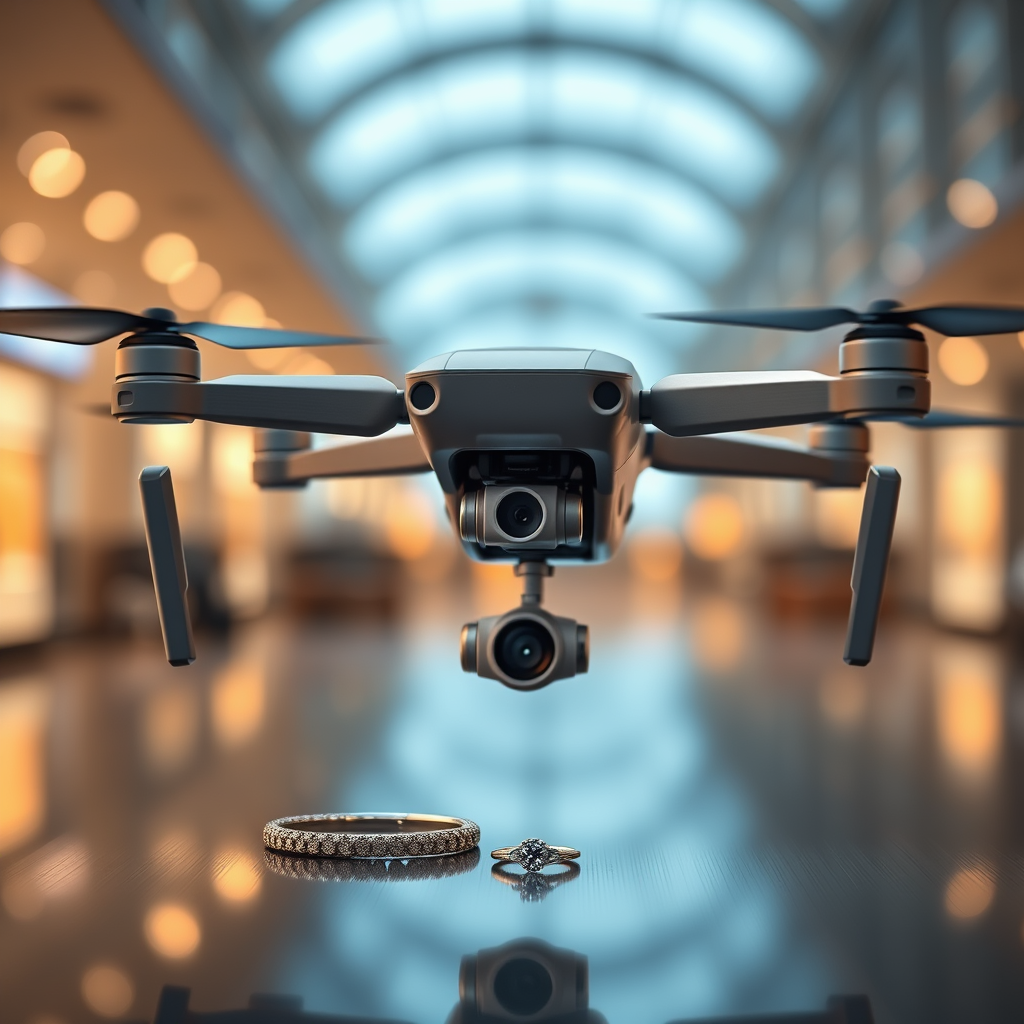
Yes, you can bring a drone as a carry-on item when flying; however, there are specific regulations and guidelines you need to follow. Understanding these rules will ensure a smooth travel experience without any surprises at security checks or boarding. Drones have become popular among travelers for capturing breathtaking aerial shots, but bringing one along requires careful planning to adhere to airline policies and security regulations.
Overview of Airline Policies

Each airline has its own policies regarding drones as carry-on luggage, making it essential to verify the rules of your specific carrier before your trip. For example, some airlines may allow drones but impose restrictions on their size or weight, while others might ban them outright. Major airlines like American Airlines, Delta, and Southwest typically permit drones in carry-on bags, provided they fit within the size limits for cabin luggage. However, it is wise to check the airline’s official website or contact customer service to avoid any last-minute issues that could result in delays or unexpected fees at the airport.
Additionally, be aware that some airlines may have specific requirements for transporting drone batteries, especially lithium batteries, which are often subject to stricter regulations due to their potential fire risk. Confirming these details in advance will save you from unnecessary stress and help you stay compliant with your airline’s guidelines.
TSA Regulations for Drones
The Transportation Security Administration (TSA) allows drones in carry-on bags, but travelers should be prepared for specific security measures. During the screening process, you will likely be asked to remove the drone from your bag so that it can be inspected separately. This is similar to the procedure for laptops and other larger electronic devices. It is advisable to pack your drone in a manner that makes it easy to access for security personnel, ensuring a quicker passage through the screening process.
Moreover, familiarize yourself with TSA’s general regulations regarding electronic devices. For instance, if your drone has a camera, it might be subject to additional scrutiny. Being cooperative and understanding that these procedures are in place for safety will help facilitate a smoother experience.
Packing Your Drone Safely
Proper packing of your drone is essential not only for preventing damage but also for ensuring compliance with airline policies. Use a padded case specifically designed for drones; this will protect it from bumps and falls during travel. Many drone manufacturers offer custom cases that fit specific models and provide extra cushioning.
In addition to packing the drone itself, take special care with the batteries. Always keep batteries in their original packaging or a dedicated battery case to prevent short circuits, which can pose a fire hazard. The TSA recommends that lithium batteries be carried in carry-on luggage rather than checked bags. When packing, ensure that each battery is under the watt-hour limit set by your airline to avoid confiscation.
Battery Regulations and Limits
Most airlines allow lithium polymer (LiPo) batteries in carry-on luggage but may have restrictions on watt-hour ratings. Generally, batteries under 100 watt-hours do not require special permissions and can be carried without issue. However, if your batteries fall between 100 and 160 watt-hours, you may need to seek airline approval before traveling with them. Batteries exceeding 160 watt-hours are typically prohibited from both carry-on and checked luggage.
Always check the specific battery limits for your airline to avoid confiscation. For example, while a standard drone battery might be permissible, a larger, high-capacity battery used for extended flight times may not meet the criteria. Understanding these limits not only ensures compliance but also enhances safety during your journey.
International Travel Considerations
Traveling internationally with a drone introduces additional complexities due to varying regulations across countries. Different nations have unique rules regarding the importation and use of drones, and failing to comply can result in fines or confiscation upon arrival. For instance, countries like Canada require travelers to register drones over a certain weight, while others, such as Japan, have strict laws about flying drones in urban areas.
Before your trip, conduct thorough research on the local regulations of your destination. Additionally, some countries may require permits or licenses for drone operation, especially for commercial use or in restricted airspace. Utilizing resources like the International Civil Aviation Organization (ICAO) or the local aviation authority’s website can provide valuable insights and guidance.
Tips for Smooth Travel with a Drone
To ensure a hassle-free travel experience with your drone, consider the following tips. First, arrive at the airport early to allow ample time for security checks, especially since you may need to wait during the inspection process. Being prepared for potential delays will reduce stress and give you extra time to sort out any unexpected issues.
Second, be ready to explain your drone usage to airport staff if needed. Having a clear understanding of your drone and its intended use can facilitate communication and help alleviate any concerns from security personnel. Lastly, familiarize yourself with your rights as a traveler carrying a drone. Knowing what to expect can help you navigate the airport environment with confidence.
What to Do if Your Drone is Confiscated
In the unfortunate event that your drone is confiscated, it is crucial to know your rights and the procedures for retrieving confiscated items. First, remain calm and polite when addressing security personnel; understanding that they are following regulations can help ease the situation. Request a receipt or documentation explaining the reason for the confiscation and inquire about the process for reclaiming your property.
Contact your airline or airport authorities for guidance on the next steps. Many airports have established procedures for retrieving confiscated items, and being proactive can increase your chances of recovering your drone. Additionally, if your drone is taken due to battery issues, ensure you have documentation of the battery specifications to facilitate the discussion.
In conclusion, bringing a drone as a carry-on is possible but requires careful planning and adherence to regulations. By checking airline policies, packing your drone and batteries safely, and understanding the relevant TSA and international guidelines, you can significantly reduce the risk of complications during your travels. Always prepare adequately and remain informed about the regulations that apply to your specific situation. With the right approach, you can enjoy the benefits of capturing stunning aerial footage while traveling. Happy flying!
Frequently Asked Questions
Can I bring a drone as a carry-on item on an airplane?
Yes, you can bring a drone as a carry-on item when traveling by airplane, but it’s crucial to check the specific airline’s policies first. Most airlines allow small drones in your carry-on luggage, provided they meet size and weight restrictions. Remember to ensure that the drone battery complies with the airline’s regulations, as lithium-ion batteries typically have specific limits on watt-hours.
What are the regulations for carrying a drone on a flight?
Regulations for carrying a drone on a flight vary by airline and country. In the U.S., the FAA requires that drones be transported in a manner that complies with safety regulations, including battery limitations. Additionally, international travel may impose additional restrictions, so it’s advisable to check both your departure and destination country’s regulations concerning drone transport.
How do I pack my drone for air travel?
When packing your drone for air travel, it’s best to use a padded case designed for drones to protect it from damage. Remove any detachable parts like propellers to avoid breakage and ensure that the batteries are properly secured and meet airline regulations. Additionally, consider placing the drone in your carry-on bag rather than checked luggage to minimize the risk of loss or damage.
Why do airlines have restrictions on bringing drones onboard?
Airlines impose restrictions on bringing drones onboard primarily due to safety and security concerns. Drones contain lithium batteries which can pose fire hazards if not handled properly. Moreover, the potential for drones to interfere with aircraft systems has led to strict regulations that airlines must enforce to ensure the safety of all passengers and crew members.
Which airlines are the most drone-friendly for travelers?
While most major airlines allow drones in carry-on luggage, some of the most drone-friendly airlines include Delta, American Airlines, and Southwest. These airlines typically have clear guidelines regarding the size, weight, and battery limitations for drones. Always check the airline’s official website or contact customer service for the most up-to-date information before you travel with your drone.
References
- https://www.faa.gov/uas/getting_started/registration
- https://www.tsa.gov/travel/security-screening/whatcanibring/items/drone
- https://www.nytimes.com/2021/08/19/travel/drone-carry-on-luggage.html
- https://www.wired.com/story/flying-with-drones-airline-regulations/
- https://www.cnet.com/news/faa-drone-rules-what-you-need-to-know/
- https://www.usa.gov/elected-officials
- https://www.bbc.com/news/world-us-canada-48504307
