
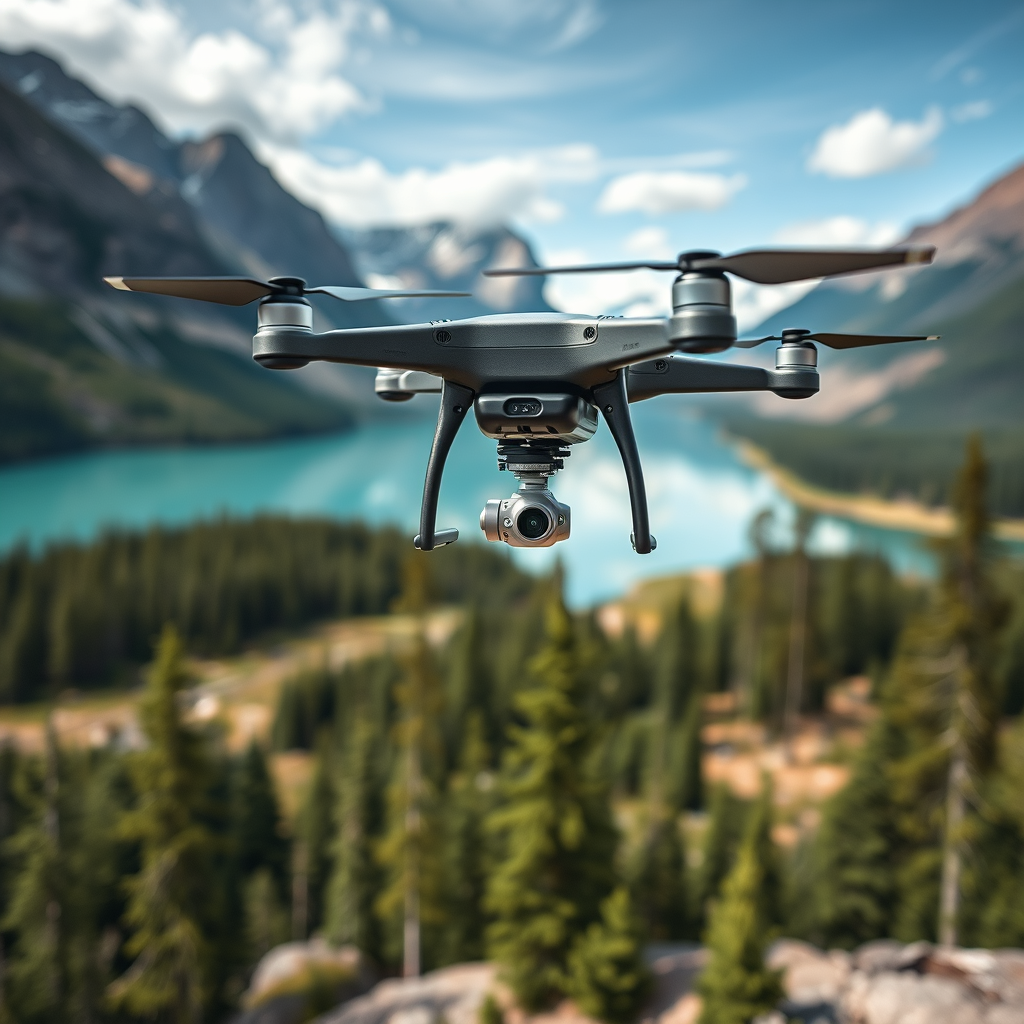
Yes, you can fly a drone in Glacier National Park, but with strict regulations and restrictions in place. It’s essential to be aware of the rules governing drone use in national parks to ensure both safety and compliance. Glacier National Park, known for its breathtaking landscapes and rich biodiversity, is a coveted location for drone enthusiasts. However, the National Park Service (NPS) enforces regulations to protect wildlife, preserve the park’s natural beauty, and maintain a safe environment for all visitors. This article delves into the specifics of flying drones in Glacier National Park, covering regulations, permits, designated areas, safety considerations, best practices, and the potential consequences of non-compliance.
Understanding National Park Regulations
Drones are typically prohibited in national parks due to wildlife protection and visitor safety. The National Park Service recognizes that the use of drones can disrupt wildlife habitats, particularly for sensitive species, and can also detract from the visitor experience. In Glacier National Park, drone use is regulated under the NPS’s overarching policies regarding unmanned aircraft systems (UAS). Specifically, flying drones is generally prohibited within the park boundaries unless otherwise specified.
While some parks have designated areas for drone flying, Glacier National Park has maintained a stricter stance. The park’s remote wilderness, unique ecosystems, and the presence of endangered species necessitate careful management of drone activities. Therefore, potential drone operators need to familiarize themselves with the specific regulations in place for Glacier National Park to avoid inadvertently violating these important rules.
Permits and Permissions
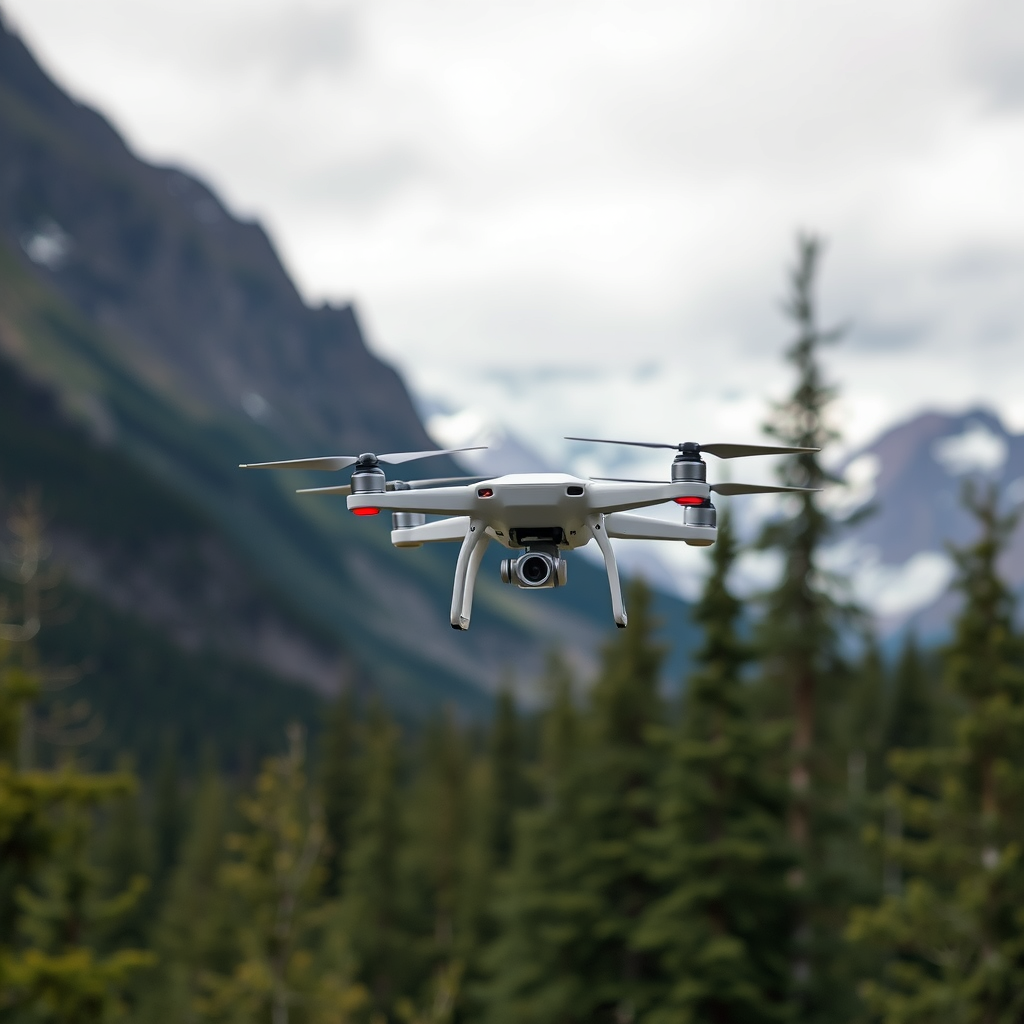
Flying a drone may require special permits, especially for commercial use. For recreational users, while permits are generally not needed, they are encouraged to seek permission and clarify any ambiguous regulations with the NPS. If you intend to use your drone for commercial purposes—such as photography, videography, or surveying—you will likely need to obtain a Special Use Permit. This process often involves submitting an application detailing your intended use, equipment specifications, and how you plan to minimize impact on the park environment.
Always check with the National Park Service for the latest permit requirements before planning your flight. Regulations can change and may vary based on current park management strategies or environmental conditions, so staying informed is crucial for compliance.
Designated Areas for Drone Use
Some areas may be more drone-friendly than others; research specific zones within or near the park. While Glacier National Park itself may impose restrictions, nearby locations outside park boundaries can offer more flexibility for drone flying. For instance, state parks or national forests adjacent to Glacier may have different regulations that allow for drone use.
Before heading out, it’s advisable to utilize interactive maps or consult local drone flying communities for recommendations on drone-friendly locations. Online resources or local drone clubs can provide useful insights into nearby sites where you can enjoy flying without the constraints imposed by national park regulations.
Safety Considerations
Ensure that your drone does not interfere with wildlife or other park visitors. The park is home to a variety of species, including bears, moose, and mountain goats, all of which could be adversely affected by drone activity. To minimize disturbance, maintain a safe distance from wildlife and avoid areas where animals are likely to nest or congregate.
Additionally, follow all FAA regulations regarding drone operation, including altitude limits and no-fly zones. The FAA restricts drone flights near airports and in certain urban areas, which may extend to regions surrounding the park. Familiarizing yourself with these regulations not only ensures compliance but also reinforces your commitment to responsible flying practices.
Best Practices for Responsible Drone Flying
Always respect the natural environment and wildlife when flying your drone. This includes being mindful of noise levels, which can startle wildlife or disrupt the natural tranquility of the park. It’s recommended to conduct drone flights during off-peak hours to minimize the impact on other visitors. Early mornings or late afternoons can provide optimal lighting for photography while also reducing the likelihood of encountering large crowds.
Before flying, conduct a pre-flight checklist to ensure your equipment is in proper working order, and familiarize yourself with the drone’s controls and capabilities. This preparation can help avoid accidents that could harm both the drone and the environment.
Additionally, consider sharing your drone images and videos with local conservation organizations or social media groups focused on Glacier National Park. This not only promotes responsible drone use but also fosters a community of like-minded individuals who share a passion for preserving the park’s natural beauty.
Consequences of Violating Drone Regulations
Violating drone regulations can result in fines, confiscation of equipment, or being banned from the park. The National Park Service takes violations seriously, and penalties can vary based on the severity of the offense. For instance, unauthorized drone use can lead to fines of several hundred dollars, while repeated violations may result in criminal charges.
Familiarize yourself with the potential consequences to avoid legal issues. The NPS website provides detailed information regarding drone regulations and the enforcement policies in place. Knowing the rules and the risks associated with non-compliance will help you make informed decisions about your drone activities within the park.
In summary, while flying a drone in Glacier National Park is not entirely off-limits, it is subject to specific regulations that must be adhered to. Always do your research, obtain necessary permissions, and be mindful of the park’s natural environment to ensure a successful and responsible drone-flying experience. By respecting the regulations, you can enjoy capturing the stunning landscapes of Glacier National Park while contributing to the preservation of its unique ecosystems and the enjoyment of all visitors.
Frequently Asked Questions
Can I fly a drone in Glacier National Park?
No, flying a drone in Glacier National Park is prohibited. The National Park Service has strict regulations that protect wildlife, natural resources, and visitor experiences. It’s important to respect these rules to help preserve the park’s unique ecosystem and ensure safety for all visitors.
Why are drones banned in Glacier National Park?
Drones are banned in Glacier National Park primarily to protect the park’s wildlife and natural landscapes. The noise and disruption caused by drones can disturb animals, particularly during nesting and breeding seasons. Additionally, the presence of drones can negatively impact the experience of other visitors seeking tranquility in nature.
What are the consequences of flying a drone in Glacier National Park?
If you fly a drone in Glacier National Park, you could face significant penalties, including fines and confiscation of your drone. Violating park regulations can result in a citation, which may lead to a court appearance and financial repercussions. It’s crucial to adhere to these rules to avoid legal trouble and contribute to the preservation of the park.
Are there any nearby areas where I can legally fly a drone near Glacier National Park?
Yes, while drones are not allowed within Glacier National Park, you can fly them in certain areas of Flathead National Forest and other nearby public lands where drone usage is permitted. Always check local regulations, as rules may vary by location, and ensure you comply with any specific guidelines regarding drone operations.
How can I capture scenic photos of Glacier National Park without a drone?
To capture stunning photos of Glacier National Park without a drone, consider using a high-quality camera with a zoom lens to photograph from various viewpoints and hiking trails. Utilizing platforms like tripods can help stabilize your shots for better quality. Additionally, explore different times of day, such as golden hour, to take advantage of natural lighting for breathtaking landscape photography.
