
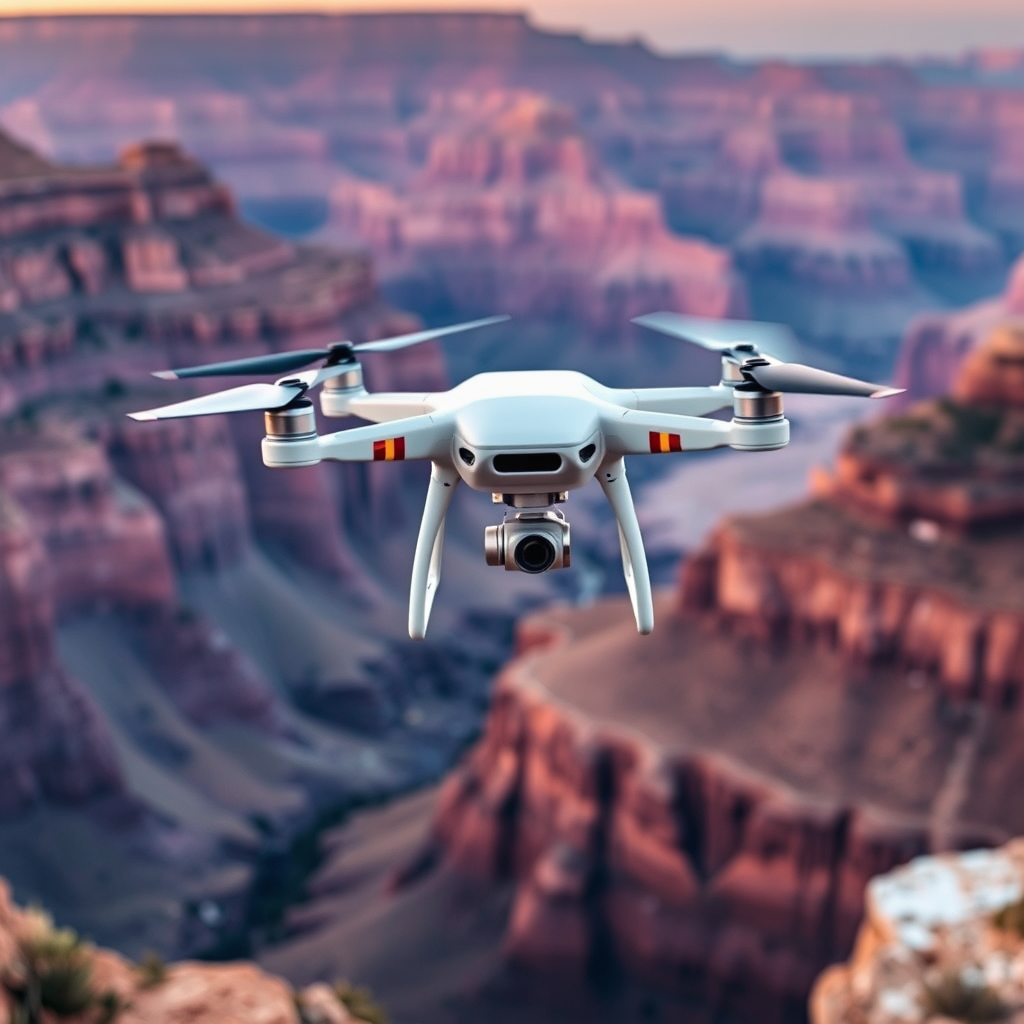
Yes, you can fly a drone in the Grand Canyon, but there are strict regulations and guidelines you must follow. The National Park Service prohibits drone usage in most areas of the park to preserve wildlife and the natural landscape. Understanding these rules will help you enjoy your drone flying experience while respecting the park’s regulations and the environment.
Understanding the Regulations
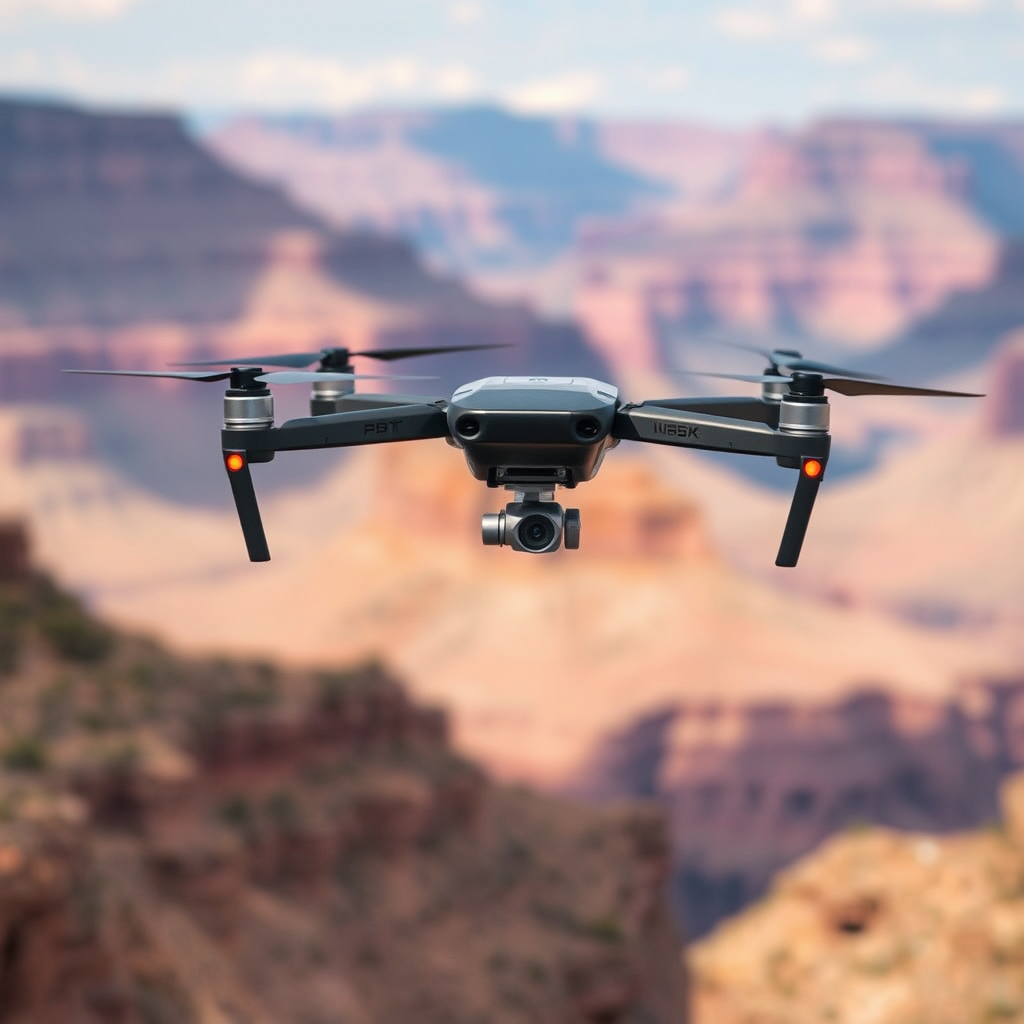
The National Park Service (NPS) plays a crucial role in maintaining the ecological integrity of national parks, including the Grand Canyon. As part of these efforts, the NPS has enacted strict regulations concerning drone usage to minimize disruption to wildlife and the natural environment. Drones are generally prohibited in most areas of the Grand Canyon, which includes popular viewpoints and hiking trails. This prohibition aims to safeguard the park’s delicate ecosystems, which are home to a diverse range of flora and fauna.
For those interested in commercial drone use, obtaining a special permit is mandatory. However, this process can be quite challenging due to the stringent criteria set forth by the NPS. In general, commercial operators must demonstrate how their drone activities will not interfere with park operations or the experiences of other visitors. It’s important to familiarize yourself with these regulations before planning any drone activities in the Grand Canyon.
Designated Areas for Drone Use
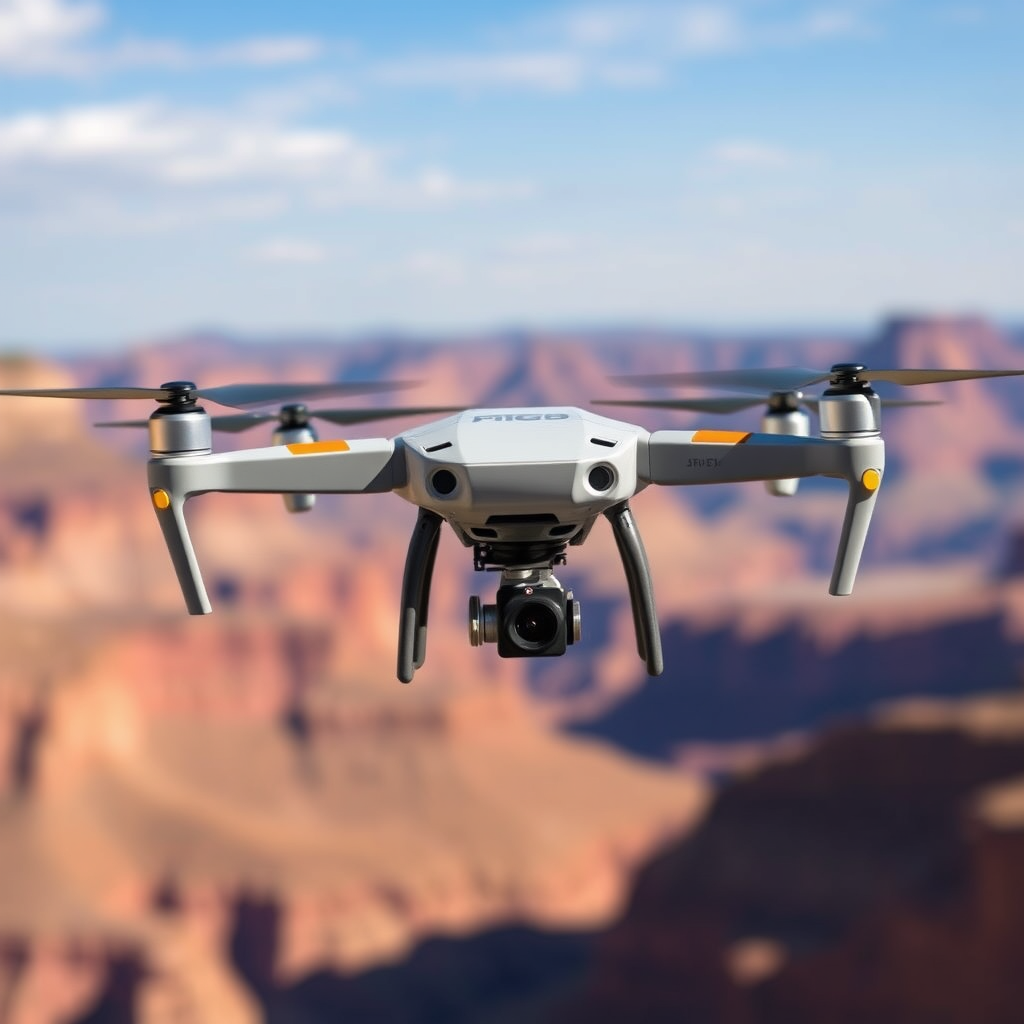
While the Grand Canyon is largely off-limits to drone pilots, there may be specific areas around the park where flying is permitted. These designated areas are subject to local guidelines and are usually located outside the park boundaries. For example, certain public lands managed by the Bureau of Land Management (BLM) adjacent to the Grand Canyon may allow drone flight, but regulations can vary significantly from one location to another.
To ensure compliance, always verify the latest drone policies with official resources such as the NPS website or local BLM offices. They provide updates on any changes to drone regulations and can help identify any areas where flying is allowed. Additionally, it’s wise to check for any temporary restrictions that may arise due to wildlife nesting seasons or special events within or around the park.
Safety Considerations
When flying a drone, safety should always be a top priority. Ensure that you operate your drone at a safe altitude to avoid disturbing wildlife. The Grand Canyon is home to various species, including eagles, condors, and other sensitive animals that can be easily disturbed by the noise and presence of drones. Keeping your drone at a responsible height not only protects wildlife but helps preserve the natural ambiance of the park for other visitors.
Moreover, being aware of other visitors is essential. Drones can be intrusive and potentially dangerous, especially in crowded areas. It is crucial to maintain a respectful distance from people and avoid flying over large gatherings. This not only enhances the safety of your drone operation but also helps maintain the serene experience that many seek when visiting this natural wonder.
Permitting Process for Commercial Use
If you plan to use a drone for commercial purposes, the permitting process is crucial. You will need to apply for a Special Use Permit through the NPS, which requires detailed information about your intended flight plan. This includes specifics such as the location of your flights, the purpose of your drone operation, and how you plan to minimize impact on the park’s environment and visitors.
It is advisable to prepare a comprehensive proposal that outlines your objectives and addresses any potential concerns from the NPS. The review process for these permits can take time, so it is essential to apply well in advance of your planned activities. Additionally, be prepared for possible fees associated with the permit application, as well as ongoing reporting requirements once your drone operations begin.
Consequences of Violating Drone Rules
The consequences of violating drone regulations in the Grand Canyon can be severe. Individuals found flying drones in prohibited areas risk facing substantial fines and the confiscation of their equipment. The NPS takes these violations seriously, as they can have detrimental effects on the park’s wildlife and overall visitor experience.
For repeat offenders, the penalties can become even more severe, potentially leading to restrictions on future visits to the park. It is essential to adhere strictly to all regulations to avoid these consequences and ensure that the Grand Canyon remains a natural paradise for everyone to enjoy.
Best Practices for Responsible Flying
To ensure a responsible and enjoyable drone flying experience, it is essential to adhere to several best practices. Firstly, always check weather conditions before flying. Wind, rain, and other adverse weather can significantly affect drone performance and could lead to accidents.
Secondly, respect the privacy of others. Avoid flying your drone near crowds, and be conscious of individual privacy when capturing images or video. Additionally, consider the timing of your flights; avoiding peak visitor hours can minimize disturbances to both wildlife and other park-goers.
Lastly, familiarize yourself with the drone laws in your home state and any areas you plan to visit. Each location may have specific regulations, and understanding these can help prevent any unintentional violations.
In conclusion, while flying a drone in the Grand Canyon is generally prohibited, understanding the regulations and designated areas can help you navigate the rules effectively. Always check for the latest guidelines before your visit, and consider alternative locations for your drone flights to protect the natural beauty of this iconic landscape. By following the established regulations and practicing responsible flying, you can help ensure that the Grand Canyon remains a stunning and serene destination for generations to come.
Frequently Asked Questions
Can I fly a drone in the Grand Canyon National Park?
No, flying a drone in Grand Canyon National Park is prohibited. The National Park Service (NPS) has strict regulations against drone usage to protect wildlife, preserve the natural landscape, and ensure visitor safety. If you’re planning a visit, it’s important to respect these regulations and consider other ways to capture the stunning scenery, such as hiking or using a camera from designated viewpoints.
What are the consequences of flying a drone in the Grand Canyon?
If you fly a drone in the Grand Canyon, you could face significant penalties, including fines up to $5,000 and potential criminal charges. Additionally, your drone may be confiscated by park authorities, and any footage or data collected could be subject to legal review. It’s best to adhere to the park’s regulations to avoid these serious consequences.
Are there any areas near the Grand Canyon where I can legally fly a drone?
Yes, while the Grand Canyon National Park itself prohibits drone flights, there are surrounding areas where you can legally operate a drone. For instance, the Kaibab National Forest and certain Bureau of Land Management (BLM) lands nearby may allow drone usage, provided you follow local regulations and guidelines. Always check the specific rules for the area you plan to fly in to ensure compliance.
How can I capture stunning aerial footage of the Grand Canyon?
To capture stunning aerial footage of the Grand Canyon without using a drone, consider hiring a professional aerial photography service that has the necessary permits. Alternatively, you can take advantage of scenic viewpoints accessible by foot or vehicle, where you can use a high-quality camera or smartphone to take breathtaking photos. Engaging a guided helicopter or airplane tour can also provide a unique aerial perspective of this natural wonder.
Why are there restrictions on drone usage in national parks like the Grand Canyon?
Restrictions on drone usage in national parks, including the Grand Canyon, are primarily in place to protect wildlife and their habitats, minimize disturbances to other visitors, and preserve the park’s natural beauty. Drones can interfere with the natural soundscape, disrupt the experience for hikers and wildlife, and pose safety risks. These regulations are designed to maintain the integrity of these cherished landscapes for future generations.
References
- https://www.nps.gov/grca/planyourvisit/drone-use.htm
- https://www.faa.gov/uas/getting_started/
- https://www.grandcanyon.com/drone-regulations/
- https://www.nps.gov/grca/planyourvisit/faq.htm
- https://www.abcnews.go.com/US/drone-use-national-parks-fly/story?id=71343351
- https://www.nationalparks.org/explore-parks/grand-canyon-national-park
