
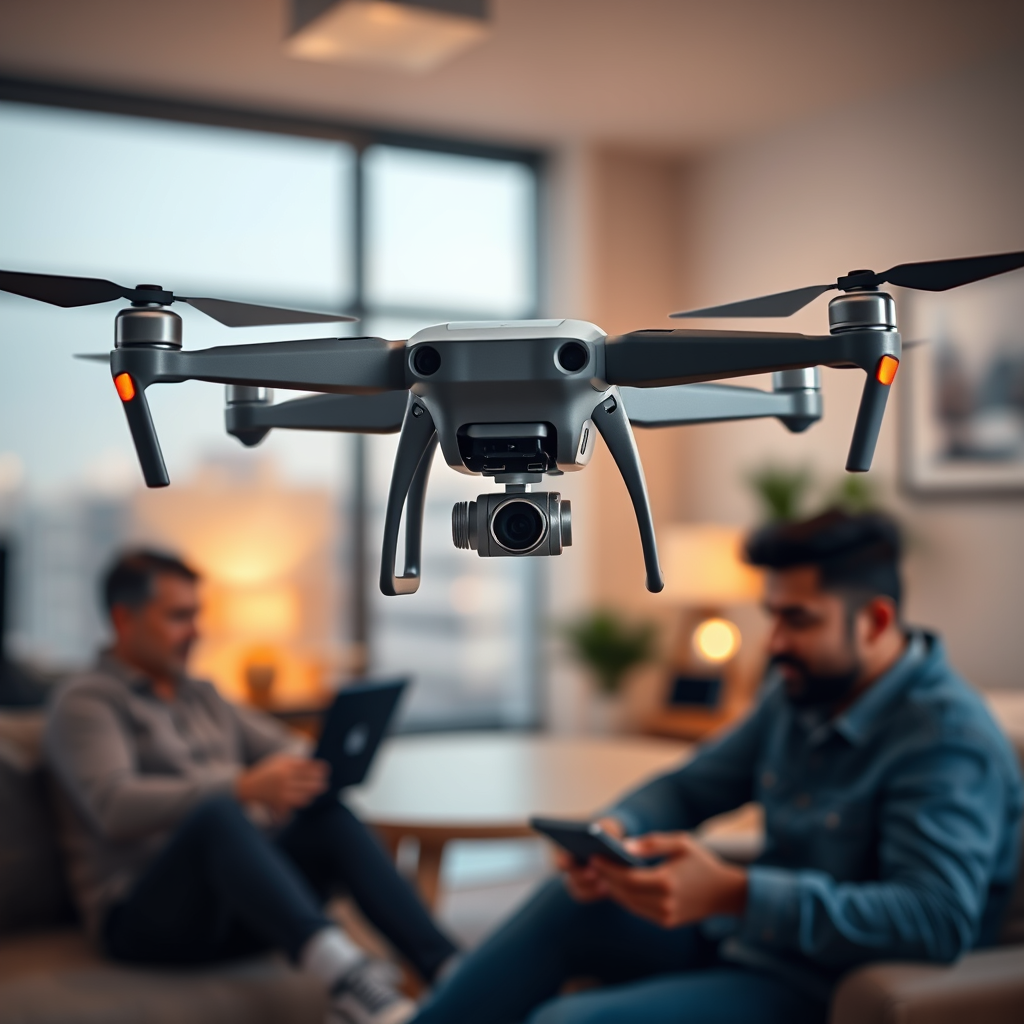
Yes, you can fly a drone in India, but there are specific regulations and guidelines you must follow. The Indian government has instituted a comprehensive framework to promote responsible drone operations while ensuring the safety of airspace and the general public. Compliance with these regulations not only protects operators from legal repercussions but also contributes to a safer and more organized environment for drone usage across the country.
Understanding Drone Regulations in India
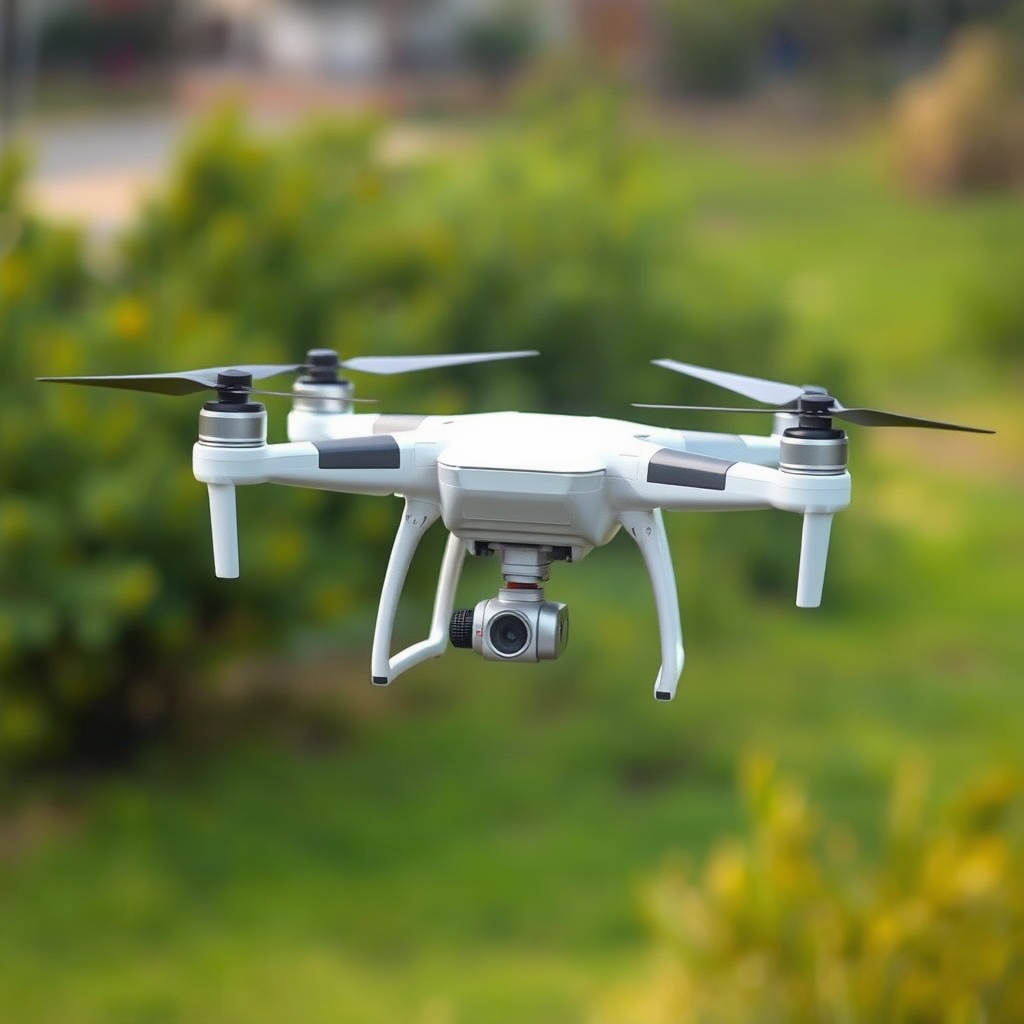
The regulation of drone operations in India is primarily overseen by the Directorate General of Civil Aviation (DGCA), which is tasked with setting and enforcing rules for the aviation sector. In 2021, the DGCA introduced a set of guidelines designed to foster drone innovation while ensuring safety in the airspace.
Before taking to the skies, drone operators must register their drones on the Digital Sky platform, a government-developed online portal. This registration process includes providing details about the drone, its operator, and potential use cases. The Digital Sky initiative is aimed at streamlining the regulatory process and promoting transparency in drone operations.
Additionally, drone operators must stay updated on any amendments to these regulations, as the DGCA routinely revises them to adapt to technological advancements and emerging safety concerns. Engaging with these updates not only aids compliance but also helps operators understand their responsibilities better.
Types of Drones and Their Categories
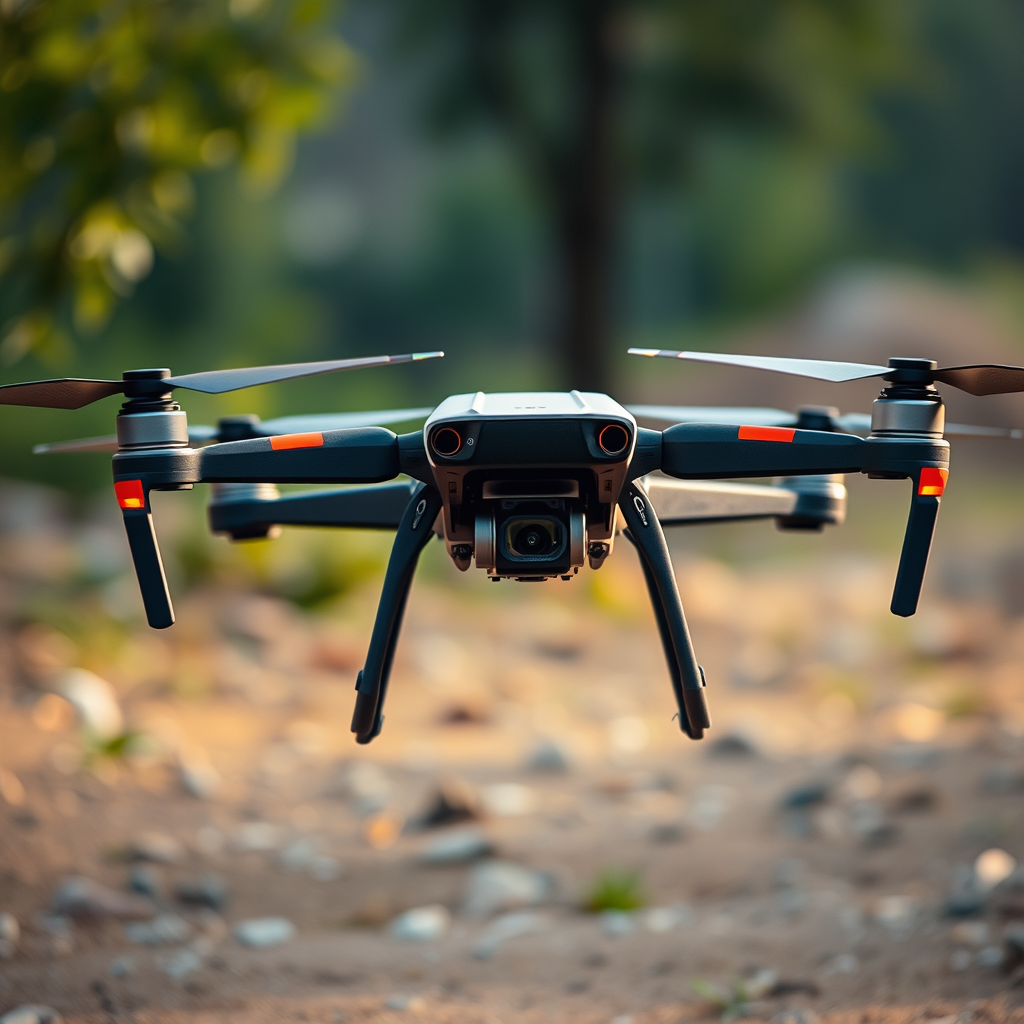
Drones in India are classified into several categories based on their weight and intended purpose, including nano, micro, small, medium, and large drones.
1. Nano Drones: Weighing less than 250 grams, these drones can be operated without a Remote Pilot License (RPL) in uncontrolled airspace.
2. Micro Drones: Ranging from 250 grams to 2 kilograms, micro drones require registration but do not need an RPL for operations in uncontrolled airspace.
3. Small Drones: These weigh between 2 kilograms and 25 kilograms and necessitate both registration and an RPL, along with specific operational limitations.
4. Medium Drones: Comprising drones weighing between 25 kilograms and 150 kilograms, these require further regulatory compliance and are typically used for commercial purposes.
5. Large Drones: These are drones over 150 kilograms and are subject to stringent regulations, often involving extensive licensing and operational scrutiny.
Each category carries its own set of operational restrictions, including maximum altitude, no-fly zones, and permissible operational environments, which must be thoroughly understood and adhered to by drone operators.
Required Permits and Licenses
For commercial drone operations, a Remote Pilot License (RPL) is mandatory, which is issued by the DGCA after completing an approved training program. This training covers both theoretical and practical aspects of drone operations, ensuring that pilots are equipped with the necessary skills and knowledge to operate drones safely and effectively.
In addition to the RPL, operators must obtain permissions for specific types of drone flights. For instance, flying in urban areas, near airports, or over large crowds generally requires prior clearance from the DGCA, as these operations pose higher risks. Operators should also familiarize themselves with the process of applying for these permissions, which often involves submitting detailed flight plans and risk assessments.
Furthermore, certain operations, such as those involving payload delivery or aerial photography in sensitive areas, may require additional permits or be subject to more stringent oversight. This layer of regulation underscores the importance of thorough pre-flight planning and compliance to ensure the safe execution of drone operations.
No-Fly Zones and Restricted Areas
Understanding the no-fly zones and restricted areas is critical for any drone operator. In India, these zones include areas around airports, military installations, sensitive government buildings, and other locations deemed critical for national security.
The DGCA provides various resources, including interactive maps and mobile applications, to help drone operators identify these no-fly zones. It is essential for operators to regularly consult these tools before each flight to avoid inadvertently entering restricted airspace.
Additionally, drone operators should be aware that even outside designated no-fly zones, flying near large gatherings or critical infrastructure may still pose risks and require permissions. This understanding not only ensures compliance with regulations but also promotes the operator’s responsibility towards public safety and privacy.
Safety Guidelines for Flying Drones
Safety is paramount in drone operations, and adhering to established guidelines is essential to mitigate risks. Key safety practices include:
– Maintaining Visual Line-of-Sight: Operators should always keep the drone within direct visual contact, which ensures the ability to control the drone and avoid obstacles.
– Avoiding Crowds and Sensitive Areas: Flying over populated areas or sensitive installations can lead to legal consequences and privacy violations. It is advisable to choose open spaces for recreational or commercial flights.
– Pre-Flight Checks: Conducting thorough pre-flight inspections of the drone, including battery levels, GPS functionality, and camera equipment, is vital to prevent operational failures during flight.
– Weather Considerations: Operators should monitor weather conditions closely before flying, as adverse weather can significantly impact the drone’s performance and safety.
By following these safety guidelines, drone operators contribute to safer airspace and cultivate responsible drone usage within the community.
Consequences of Non-Compliance
Failing to adhere to the established regulations can result in severe consequences. The DGCA has the authority to impose fines, confiscate drones, and initiate legal proceedings against individuals found to be operating drones in violation of the law.
For instance, unauthorized flights in no-fly zones or operating without the required licenses can lead to penalties that not only affect the operator financially but can also tarnish their reputation and credibility in the industry.
It is crucial for drone operators to regularly update their knowledge of the regulatory landscape. Non-compliance not only jeopardizes the operator’s future in drone flying but also undermines the collective efforts to ensure safe and responsible drone operations across India.
In summary, while flying a drone in India is permissible, it is essential to comply with established regulations and guidelines to ensure safe and legal operations. Understanding the types of drones, required permits, no-fly zones, and safety practices will allow operators to fly responsibly. Always check for the latest regulations before taking to the skies and enjoy your drone flying experience responsibly!
Frequently Asked Questions
What are the legal requirements for flying a drone in India?
In India, drone operations are regulated by the Directorate General of Civil Aviation (DGCA). To fly a drone, you must register your drone on the Digital Sky platform and obtain a Unique Identification Number (UIN). Additionally, you must possess a Remote Pilot License (RPL) if your drone weighs more than 250 grams, and comply with specific operational guidelines, such as maintaining a visual line of sight and not flying above 400 feet.
How can I apply for a drone license in India?
To apply for a drone license in India, you must complete a training program from a DGCA-approved training organization. After obtaining the necessary training, you can apply for a Remote Pilot License (RPL) through the DGCA’s online portal. The application process includes submitting your training certificate, proof of age, and passing a written and practical exam to demonstrate your flying proficiency.
Why is it important to register my drone in India?
Registering your drone in India is crucial for legal compliance and safety. It ensures that you are recognized as a legitimate drone operator, which helps prevent unauthorized usage and promotes responsible flying practices. Furthermore, registration helps authorities track and manage drone operations, thereby enhancing airspace safety and security.
Which areas are restricted for drone flying in India?
In India, there are several areas designated as no-fly zones where drone flying is prohibited. These include airports, military installations, international borders, and areas around sensitive installations such as nuclear power plants. Additionally, flying drones in urban areas without prior permission is generally restricted. It is essential to consult the latest no-fly zone maps provided by the DGCA before planning your drone flight.
What are the best practices for flying a drone safely in India?
To ensure safe drone operations in India, always conduct a pre-flight check of your equipment and understand the operational limits of your drone. Adhere to the DGCA regulations, maintain a visual line of sight, and avoid flying in adverse weather conditions. Additionally, be mindful of privacy concerns by not flying over private property without consent and respecting the rights of individuals while capturing aerial footage.
References
- https://en.wikipedia.org/wiki/Drone_regulation_in_India
- https://www.civilaviation.gov.in/
- https://www.thehindu.com/news/national/what-you-need-to-know-about-drone-regulations-in-india/article24437511.ece
- https://www.bbc.com/news/world-asia-india-58529107
- https://www.reuters.com/article/us-india-drones-regulations-idUSKBN2A60D1
- https://www.indiatoday.in/technology/news/story/drone-regulations-in-india-what-you-need-to-know-1838747-2021-09-16
- https://www.theguardian.com/world/2021/sep/16/india-drone-regulations-what-you-need-to-know
- https://www.npr.org/2021/09/17/1034496864/india-drone-regulations-what-you-need-to-know
