
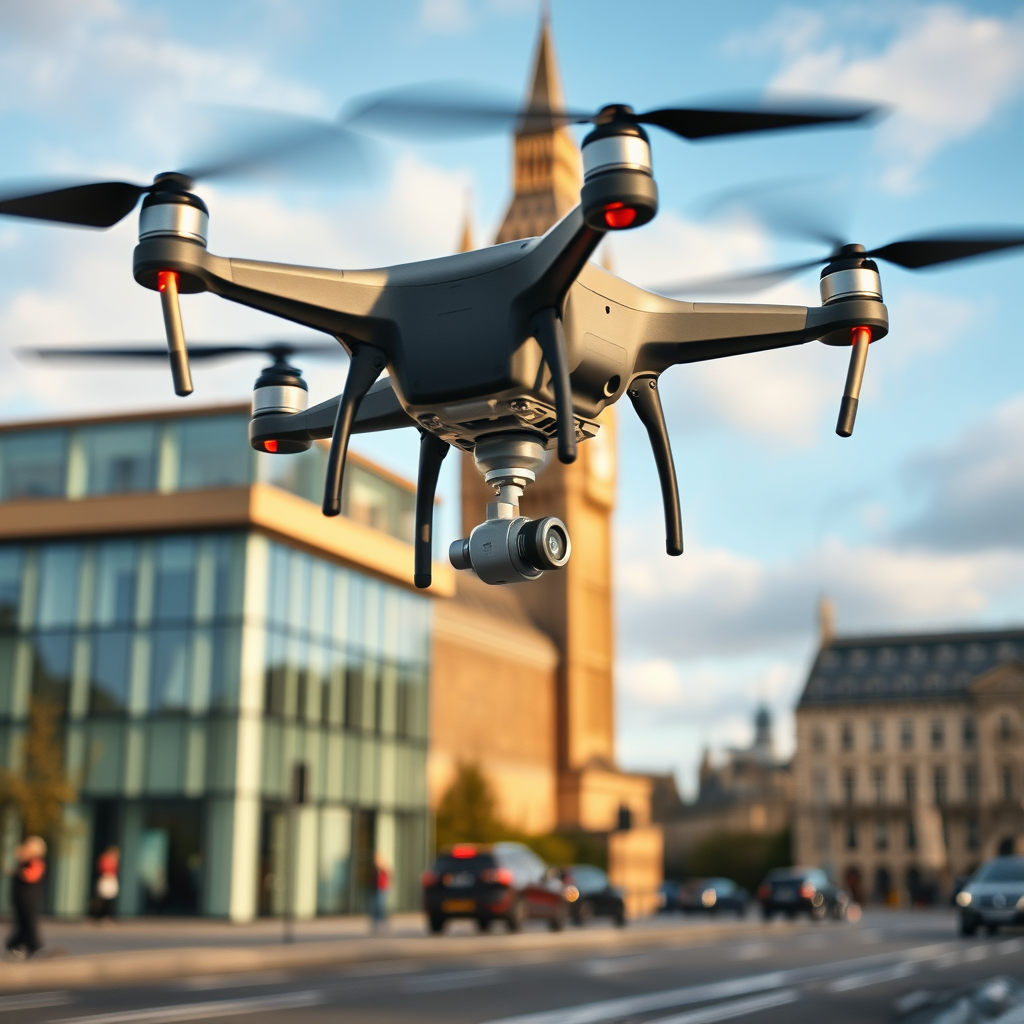
Yes, you can fly a drone in London, but there are strict regulations and guidelines you must follow to ensure safety and compliance with the law. The use of drones has become increasingly popular in urban areas, including London, but understanding the legal landscape is crucial for both recreational and commercial operators. In this article, we will explore the various rules, no-fly zones, required permissions, safety guidelines, insurance considerations, and best practices to ensure a responsible and enjoyable flying experience in the capital.
Understanding Drone Regulations in the UK
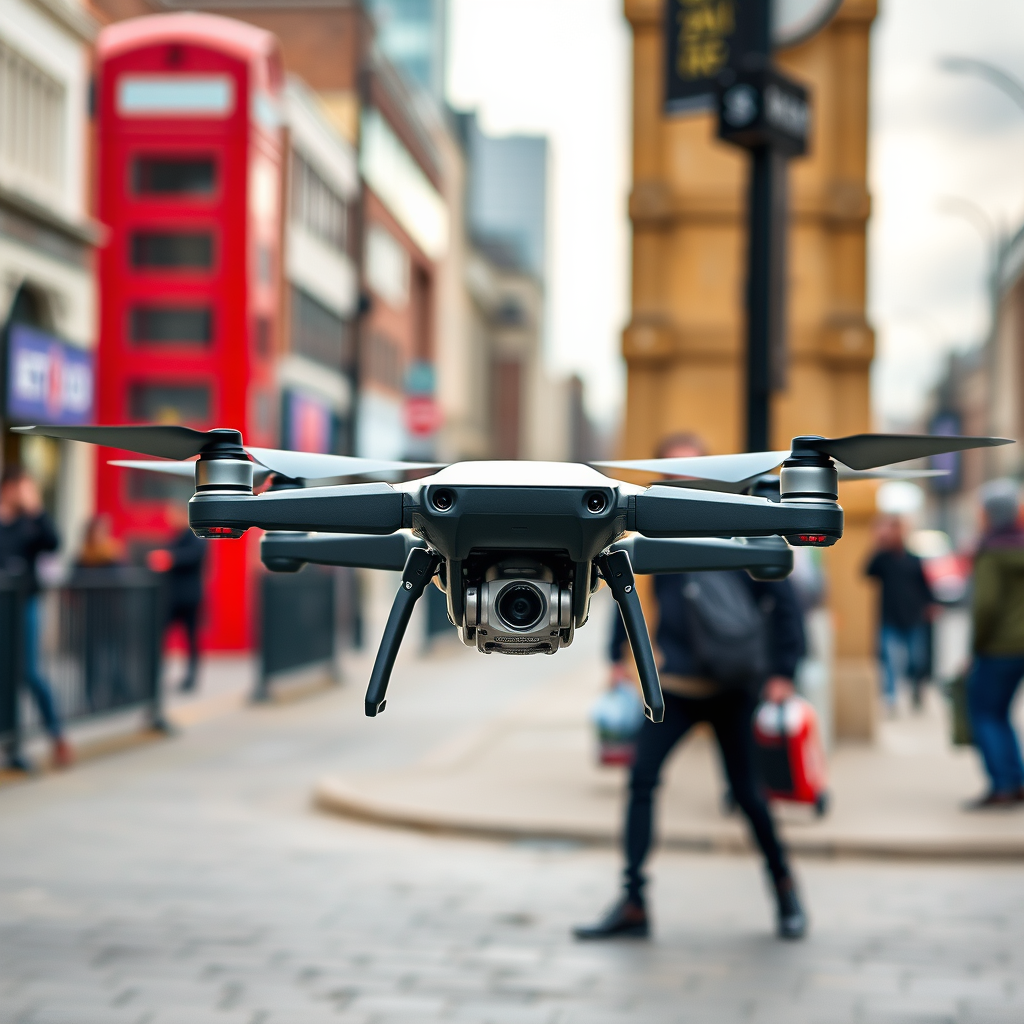
In the UK, the Civil Aviation Authority (CAA) is the primary body responsible for regulating the use of drones. These regulations are designed to maintain safety in the airspace while allowing drone enthusiasts to pursue their interests. If your drone weighs over 250 grams, you are required to register it with the CAA and pass a theory test to obtain a Flyer ID. This registration process ensures that operators are aware of the responsibilities that come with drone flying, including understanding safe distances from people and property.
Moreover, drone regulations also differentiate between commercial and recreational use. For commercial drone operations, obtaining an Operational Authorisation is essential. This involves a more comprehensive application process that includes demonstrating your ability to conduct safe flights and providing proof of risk assessments. Understanding these regulations is crucial for anyone wishing to fly a drone in London.
No-Fly Zones in London
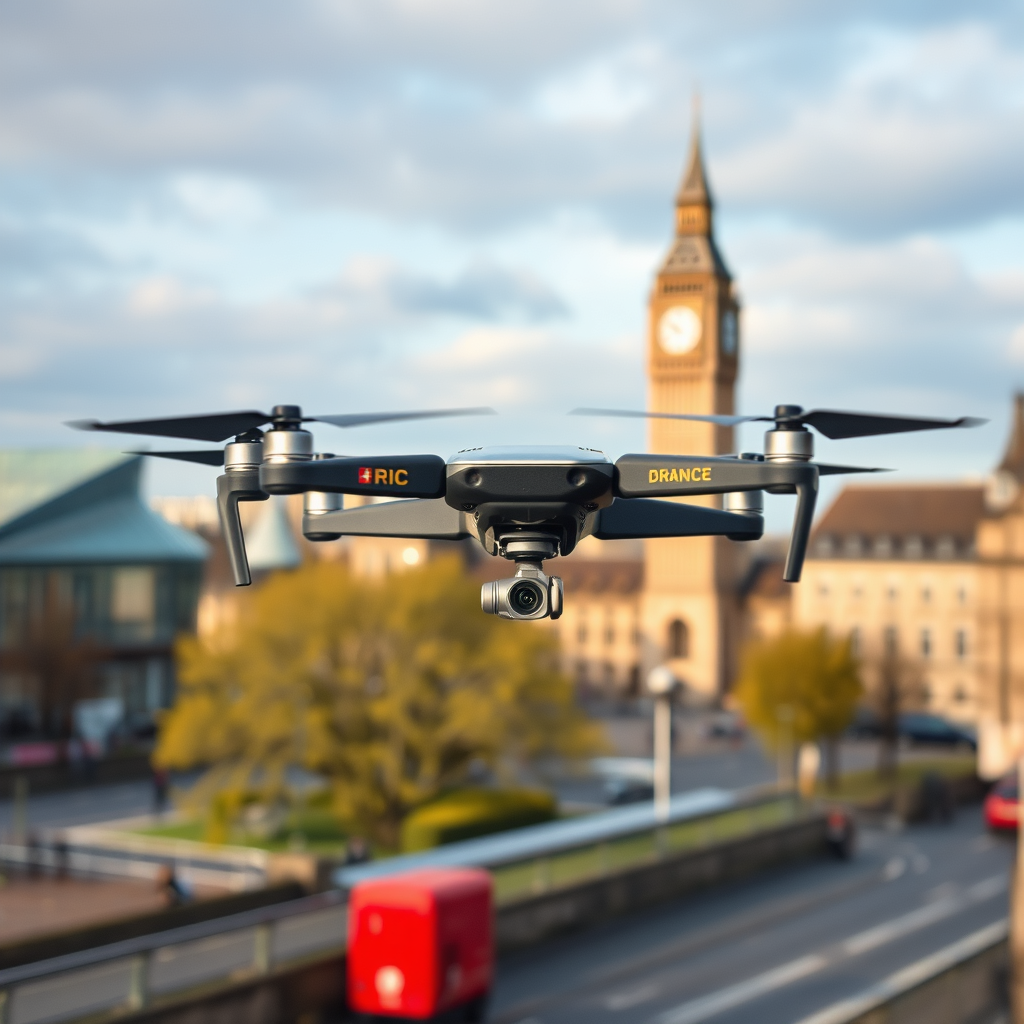
London is a bustling metropolis with numerous no-fly zones that drone operators must respect. Key areas where flying is prohibited include airports, such as Heathrow and London City Airport, military bases, and certain public spaces, such as parks during large events. For instance, flying a drone near the Houses of Parliament is strictly forbidden, reflecting the need for security in sensitive areas.
Moreover, specific restrictions apply to flying over congested areas and crowds. The CAA defines congested areas as those that are “built-up” and include any location where a large number of people gather, such as shopping districts or popular tourist attractions. Violating these restrictions could lead to severe penalties, including fines or criminal charges. Therefore, it is essential to familiarize yourself with maps and resources that outline these no-fly zones before planning your flight.
Required Permissions and Licenses
For individuals intending to use drones for commercial purposes, obtaining an Operational Authorisation from the CAA is mandatory. This process involves completing a comprehensive training course that covers essential topics such as air law, meteorology, and risk management. Once you receive your authorisation, you will be allowed to operate your drone commercially within the regulations set forth by the CAA.
Conversely, for recreational flying, the Drone and Model Aircraft Registration and Education Scheme (DMARES) registration may be required. This involves registering your drone and obtaining a Flyer ID, ensuring that you understand the basic rules governing drone operation. Always check the CAA’s website for the latest information on required permissions and licenses, as regulations can change.
Safety Guidelines for Flying Drones
Safety is paramount when flying drones, especially in urban settings like London. One of the fundamental safety guidelines is to always maintain a line of sight with your drone. This means that you should be able to see your drone without the aid of binoculars or other devices at all times. Maintaining visual contact helps prevent collisions with other aircraft, buildings, or people.
Additionally, it is advisable to fly below 400 feet, which is the maximum altitude allowed for drone flights. This altitude restriction is in place to reduce the risk of manned aircraft encounters. Being aware of your surroundings, checking for other air traffic, and avoiding flying during adverse weather conditions, such as high winds or rain, are also crucial to ensuring a safe flying experience.
Insurance and Liability Considerations
While not legally mandated, obtaining drone insurance is highly recommended for both recreational and commercial operators. Drone insurance can cover potential damages to third parties, property, and even personal liability in case of accidents or injuries. For instance, if your drone accidentally crashes into a vehicle or causes injury to a person, having insurance can protect you from significant financial losses.
It is vital to understand the extent of your personal liability when flying drones. Operators can be held responsible for damages caused by their drones, which emphasizes the importance of flying responsibly and adhering to all regulations. Some insurance providers offer specialized drone insurance tailored to the unique risks associated with drone operation, making it easier for operators to find suitable coverage.
Best Practices for Flying Drones in London
To ensure a smooth and enjoyable flying experience in London, adhering to best practices is essential. Planning your flight route in advance helps you avoid no-fly zones and congested areas. Utilizing tools such as drone apps can provide real-time information about local regulations, weather conditions, and airspace restrictions, enabling you to make informed decisions before you take off.
Furthermore, respecting the privacy of individuals is critical. Avoid flying over private properties and always seek permission if you intend to capture images or videos of individuals or their property. Being considerate of your surroundings not only promotes safety but also fosters goodwill among the community regarding drone use.
Lastly, staying informed about any changes to regulations is essential for responsible drone operation. The CAA regularly updates its guidelines, and being proactive in understanding these updates can help you remain compliant and safe while enjoying your flying experience.
In summary, flying a drone in London is indeed possible, but it necessitates a thorough understanding of the regulations and guidelines in place. By familiarizing yourself with CAA regulations, respecting no-fly zones, obtaining necessary permissions, adhering to safety guidelines, considering insurance, and following best practices, you can ensure a responsible and enjoyable drone flying experience in one of the world’s most vibrant cities. Always stay informed and act responsibly to make the most of your drone adventures.
Frequently Asked Questions
What are the regulations for flying a drone in London?
In London, drone pilots must adhere to the United Kingdom’s Civil Aviation Authority (CAA) regulations. This includes maintaining a line of sight with the drone at all times, not flying above 400 feet, and staying at least 150 meters away from built-up areas and crowds. Additionally, drone operators need to register if their drone weighs more than 250 grams and must pass an online safety test to obtain a Flyer ID.
How can I find out if a specific area in London is a no-fly zone for drones?
To determine if a location in London is a no-fly zone for drones, you can use online resources such as the CAA’s Drone Safe website or the Air Navigation Order (ANO). These platforms provide interactive maps that show restricted airspace, including areas around airports, government buildings, and other sensitive locations. It’s essential to check these resources before flying to ensure compliance with local laws.
Why do I need to register my drone before flying in London?
Registration is required for drone owners in the UK to enhance safety and accountability in the airspace. By registering, you demonstrate an understanding of aviation safety protocols and regulations, reducing the risk of accidents or incidents. This requirement is part of a broader effort to manage the growing use of drones and ensure that all operators are informed about their responsibilities.
What are the best parks in London for flying a drone?
Some of the best parks in London for flying drones include Hyde Park, Richmond Park, and Hampstead Heath. These locations offer ample open space and stunning scenery, but it’s crucial to check for any local regulations or restrictions on drone use. Additionally, ensure that you maintain a safe distance from people, buildings, and wildlife while operating your drone.
Which drones are suitable for beginners flying in London?
For beginners looking to fly a drone in London, models like the DJI Mini SE or the Holy Stone HS720 are excellent choices. These drones are user-friendly, lightweight, and equipped with features like GPS, altitude hold, and beginner modes that make flying easier. Always remember to practice in open spaces and familiarize yourself with the drone’s controls before flying in populated areas.
References
- https://www.gov.uk/guidance/drone-regulations
- https://www.caa.co.uk/Consumers/Unmanned-aircraft/
- https://www.bbc.com/news/uk-england-london-51117893
- https://www.theguardian.com/technology/2021/apr/24/drone-regulations-uk-what-you-need-to-know
- https://en.wikipedia.org/wiki/Drone_regulations_in_the_United_Kingdom
- https://www.caa.co.uk/General-aviation/Unmanned-aircraft/
- https://www.london.gov.uk/what-we-do/research-and-analysis/research/london-drone-report
- https://www.bbc.com/news/technology-58890283
