
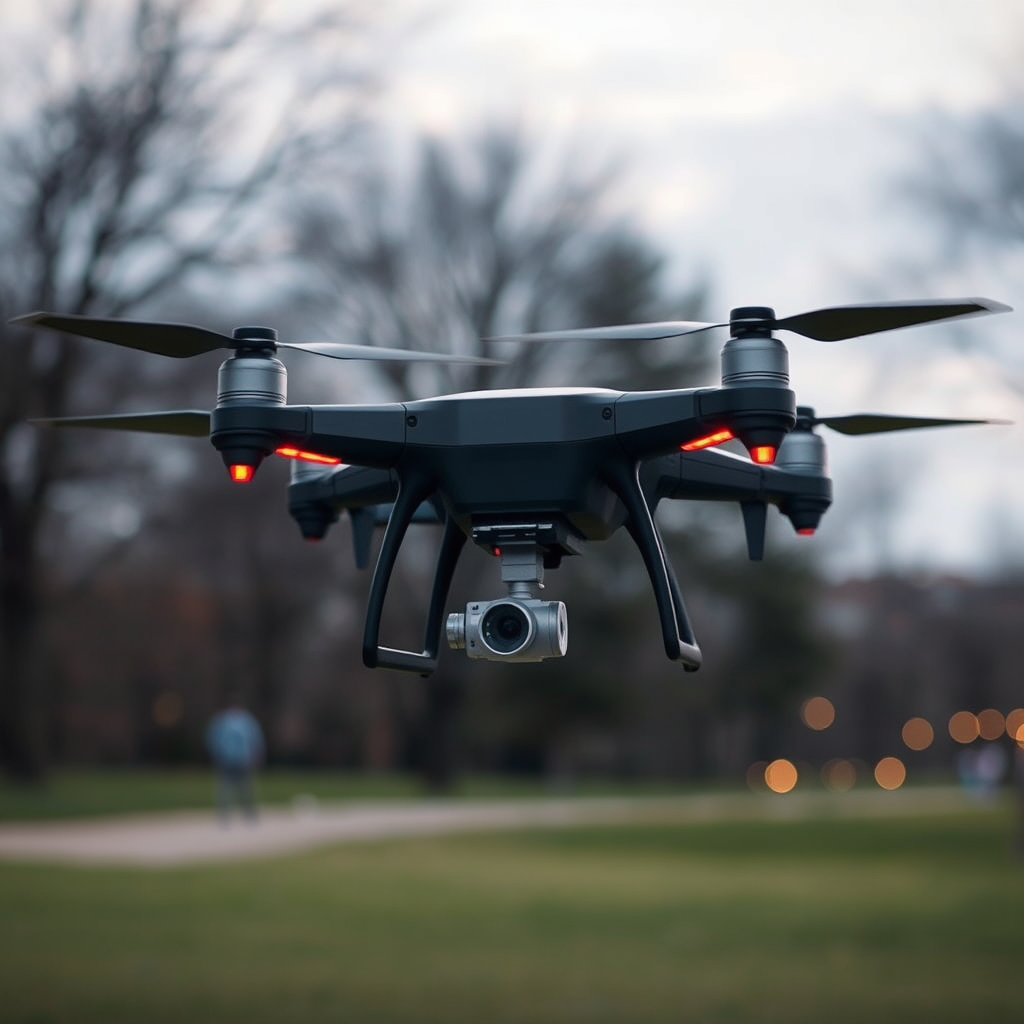
Yes, you can fly a drone in your local park, but there are important regulations and guidelines you need to follow. Many parks allow drone use, but each location may have its specific rules that must be adhered to in order to ensure safety and compliance with local laws. Understanding these regulations not only enhances your flying experience but also protects the environment and the community around you.
Understanding Local Drone Regulations
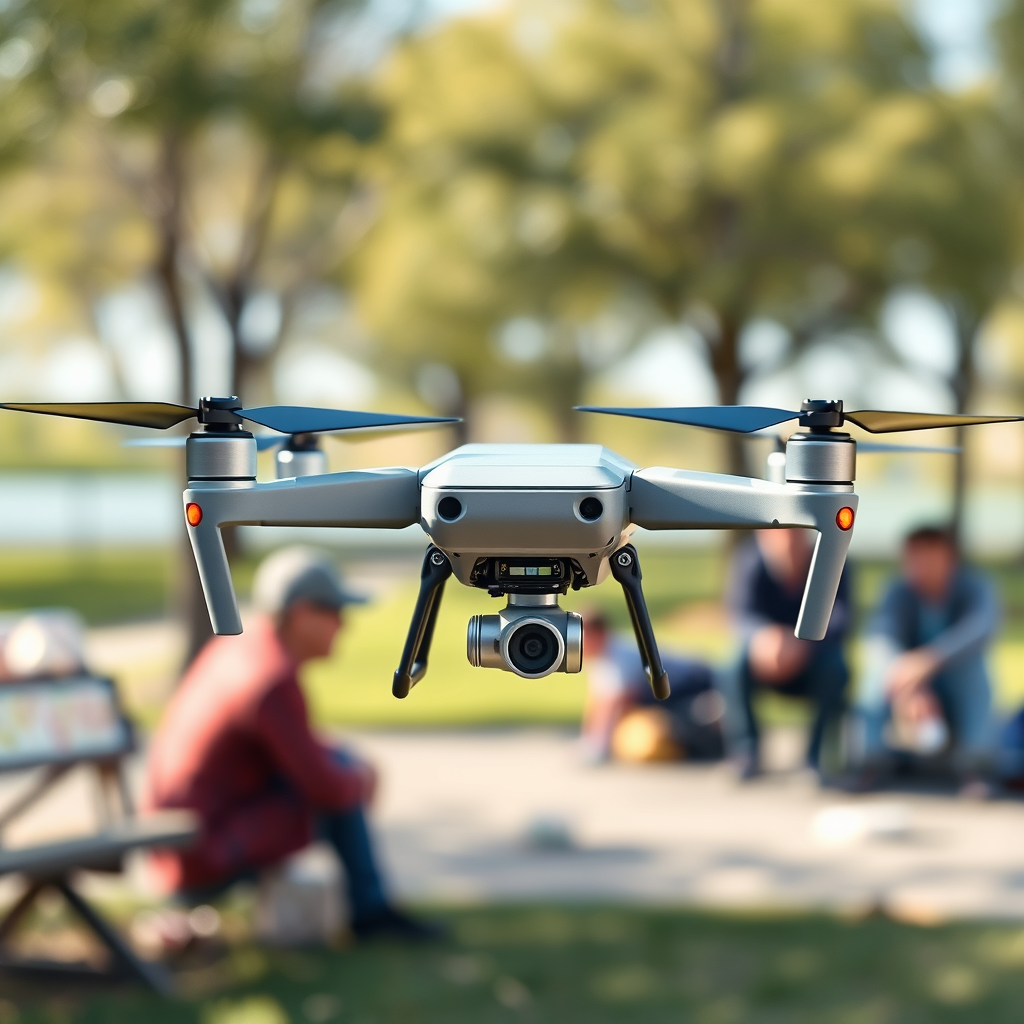
Before taking to the skies with your drone, it’s crucial to research and understand the local laws that govern drone usage in your area. Cities and counties may have specific regulations that differ from one location to another. For instance, urban parks in metropolitan areas might have stricter restrictions on drone flights compared to more rural parks. A good starting point is your local government’s website or the relevant parks and recreation department, where you can find detailed information about drone policies.
In addition to local regulations, becoming familiar with the national guidelines set forth by the Federal Aviation Administration (FAA) is essential. The FAA requires drone operators to register their drones if they weigh over 0.55 pounds and mandates that all drone pilots adhere to certain operational rules, such as flying below 400 feet and not flying near airports. Understanding these national guidelines alongside local laws will help you navigate the regulatory landscape more effectively.
Park-Specific Rules and Restrictions
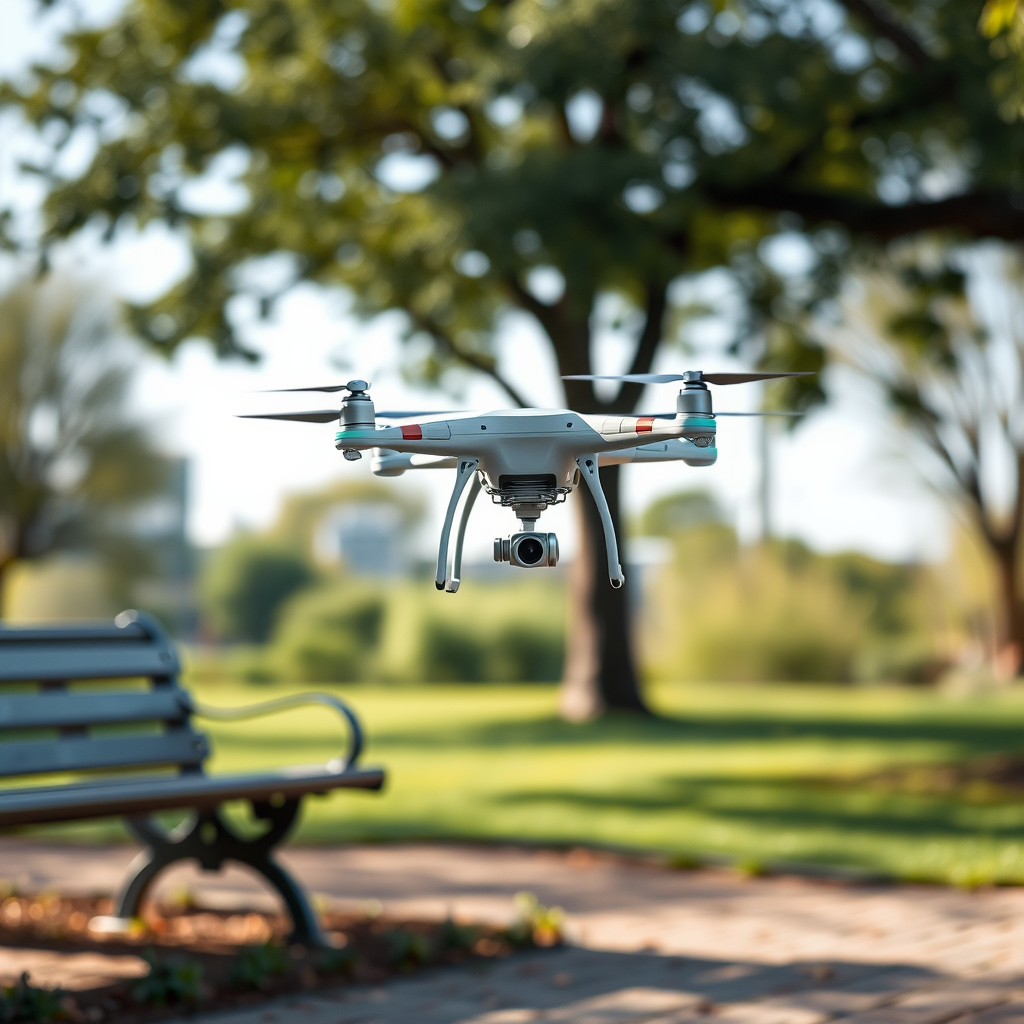
Even if local and national regulations permit drone flying, specific parks may have their own management policies regarding drone use. Some parks may prohibit drone flying altogether, while others might allow it but require a special permit or reservation for designated flying areas. Before heading out, check the park’s website or contact park management to determine if any permits are necessary.
Additionally, many parks designate specific areas for drone flying to minimize disturbances to wildlife and other park visitors. These areas are often chosen to balance the enjoyment of drone pilots with the preservation of the park environment. For example, a large open field might be designated for drone use, while more sensitive areas, such as those near water bodies or wildlife habitats, could be off-limits. Respecting these designations helps maintain the integrity of the park and the safety of all visitors.
Safety Considerations
Safety is paramount when flying drones, especially in public spaces like parks. One of the key safety considerations is maintaining a safe distance from people, animals, and private property. The FAA advises drone operators to fly at least 25 feet away from any person not involved in the operation of the drone. This is to prevent accidents and injuries that could arise from a drone malfunction or collision.
Moreover, being mindful of weather conditions is crucial for safe drone operation. Flying during high winds, rain, or low visibility can compromise your ability to control the drone and increase the risk of accidents. Before flying, always check the weather forecast and avoid taking off in adverse conditions to ensure both your safety and that of others.
Respecting Privacy
When flying a drone, it’s essential to respect the privacy of others. Many states have laws that protect individuals from being filmed or photographed without their consent, particularly in private settings. Therefore, it’s advisable to avoid filming people without their explicit permission, especially in public parks where visitors may expect a degree of privacy.
Additionally, staying clear of residential areas is a best practice to prevent privacy complaints. Flying too close to homes can lead to confrontations with residents who may feel uncomfortable with drones hovering nearby. Being considerate of privacy not only fosters goodwill with the community but also helps you avoid potential legal issues.
Best Practices for Flying Drones in Parks
To ensure a successful drone flying experience in parks, implementing a pre-flight checklist can be invaluable. Before taking off, inspect your drone to confirm that it is in good working condition. Check the battery level, propellers, and any necessary firmware updates. Ensuring everything is functioning properly can prevent mid-flight failures and enhance safety.
Another critical best practice is adhering to the “line of sight” rule, which requires pilots to keep their drone within visual range at all times. This not only helps maintain control of the drone but also allows for better awareness of the surroundings, including the presence of people, animals, and other obstacles. Utilizing a visual observer can also be beneficial when flying in crowded areas.
Community Engagement
Engaging with the local drone community can significantly enhance your flying experience. Joining local drone clubs or online forums can provide valuable insights, tips, and best practices from fellow enthusiasts. These groups often share experiences that can help you navigate the complexities of local regulations and provide advice on the best parks for drone flying.
Participating in community events focused on responsible drone use can also be a great way to engage with others. Many parks host workshops, demonstrations, or even races that allow drone pilots to showcase their skills while promoting safe and responsible flying. Such events foster a sense of community and encourage responsible drone operation, benefiting all park visitors.
In conclusion, flying a drone in your local park can be a rewarding experience if you adhere to regulations and respect the environment and people around you. By understanding local laws, following park-specific rules, prioritizing safety, respecting privacy, and engaging with the drone community, you can ensure a safe and enjoyable flight. Always stay informed about best practices and regulations to make the most of your drone flying experience while contributing positively to the community.
Frequently Asked Questions
What are the regulations for flying a drone in my local park?
Regulations for flying a drone in local parks can vary widely based on your location. Generally, it’s important to check with local park authorities and the Federal Aviation Administration (FAA) guidelines. Many parks have specific rules regarding drone use, such as restricted areas, designated flying times, or permits needed for recreational and commercial use. Always ensure you are flying within the legal altitude limits and respect any no-fly zones.
How can I find out if drone flying is allowed in my local park?
To determine if drone flying is permitted in your local park, start by visiting the official website of the park or the local government. You can also contact the park management directly for the most accurate and up-to-date information. Additionally, check the FAA’s website for national regulations and consult community forums or local drone clubs for insights on flying in specific areas.
Why do some parks prohibit drone flying?
Many parks prohibit drone flying due to safety concerns, potential disturbances to wildlife, and the privacy of other park visitors. Drones can pose a risk of collision with people or other aircraft, and their noise can disrupt the natural experience. Furthermore, parks often prioritize maintaining a peaceful environment, which is why they implement restrictions on drone usage.
What should I do if I see someone flying a drone in a prohibited area of my local park?
If you observe someone flying a drone in a prohibited area of your local park, it’s best to approach the situation calmly. Politely inform the individual about the park’s drone regulations, as they might not be aware of them. If they refuse to comply, you can report the incident to park authorities or law enforcement, as they have the authority to enforce the rules and ensure public safety.
Which drones are best for flying in local parks?
When choosing a drone for flying in local parks, consider factors like size, weight, and features. Lightweight drones, such as the DJI Mini series or the Holy Stone HS720, are great options for beginners due to their portability and ease of use. Additionally, look for drones with GPS features for stability and return-to-home functions, which enhance safety when flying in public spaces. Always ensure the drone complies with local regulations to avoid potential issues.
References
- https://www.faa.gov/uas/getting_started/registration
- https://www.nps.gov/subjects/drones/index.htm
- https://www.faa.gov/uas/resources/policies_regulations/
- https://www.ama-flightschool.org/drone-flying-in-parks/
- https://www.parktrust.org/drone-flying-in-parks/
- https://en.wikipedia.org/wiki/Drone_regulation_in_the_United_States
- https://www.reuters.com/article/us-usa-drone-parks-idUSKBN2A92V5
