
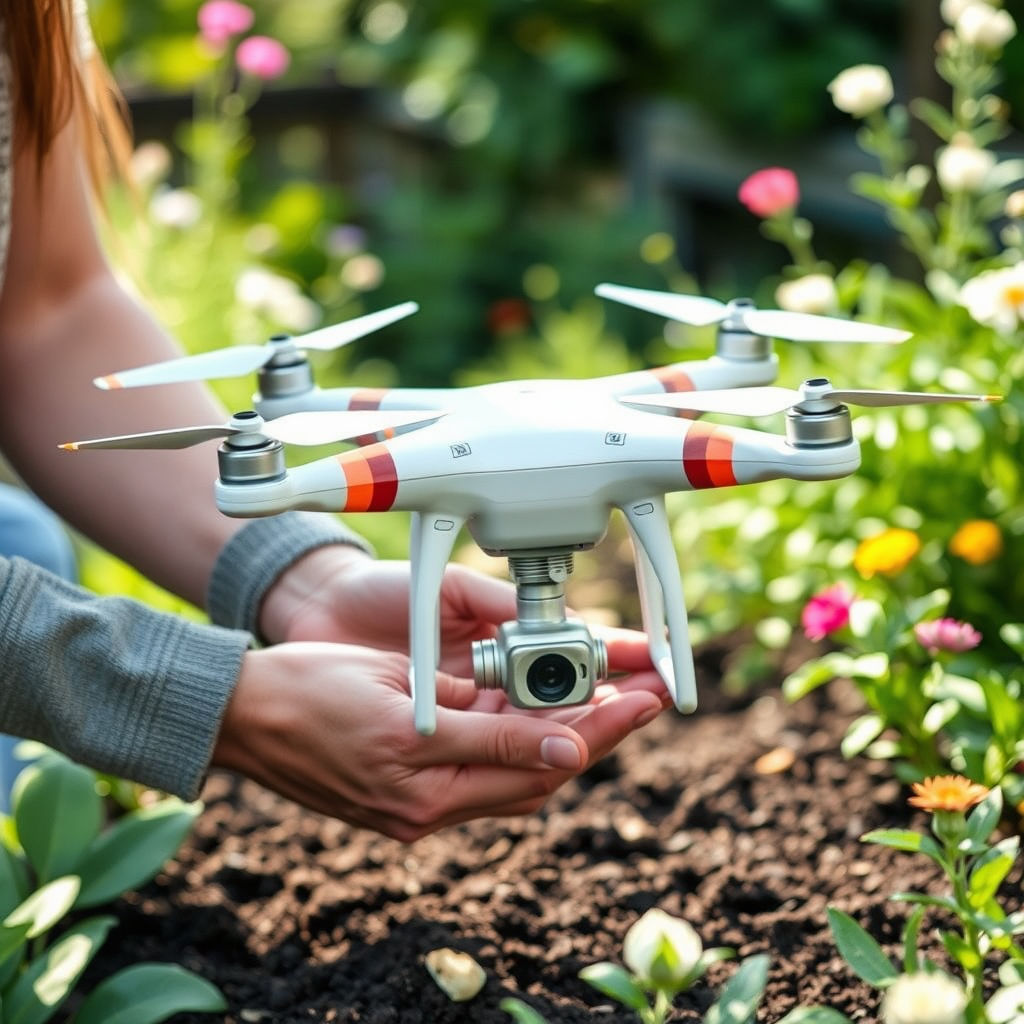
Yes, you can typically fly a drone in your backyard, but several factors must be considered, including local regulations, safety, and privacy concerns. Understanding these aspects will not only enhance your flying experience but also ensure you comply with legal requirements and respect the rights of others. In this blog post, we will delve into the essential considerations when flying a drone in your backyard, providing insights to help you enjoy this activity responsibly and safely.
Understanding Local Regulations
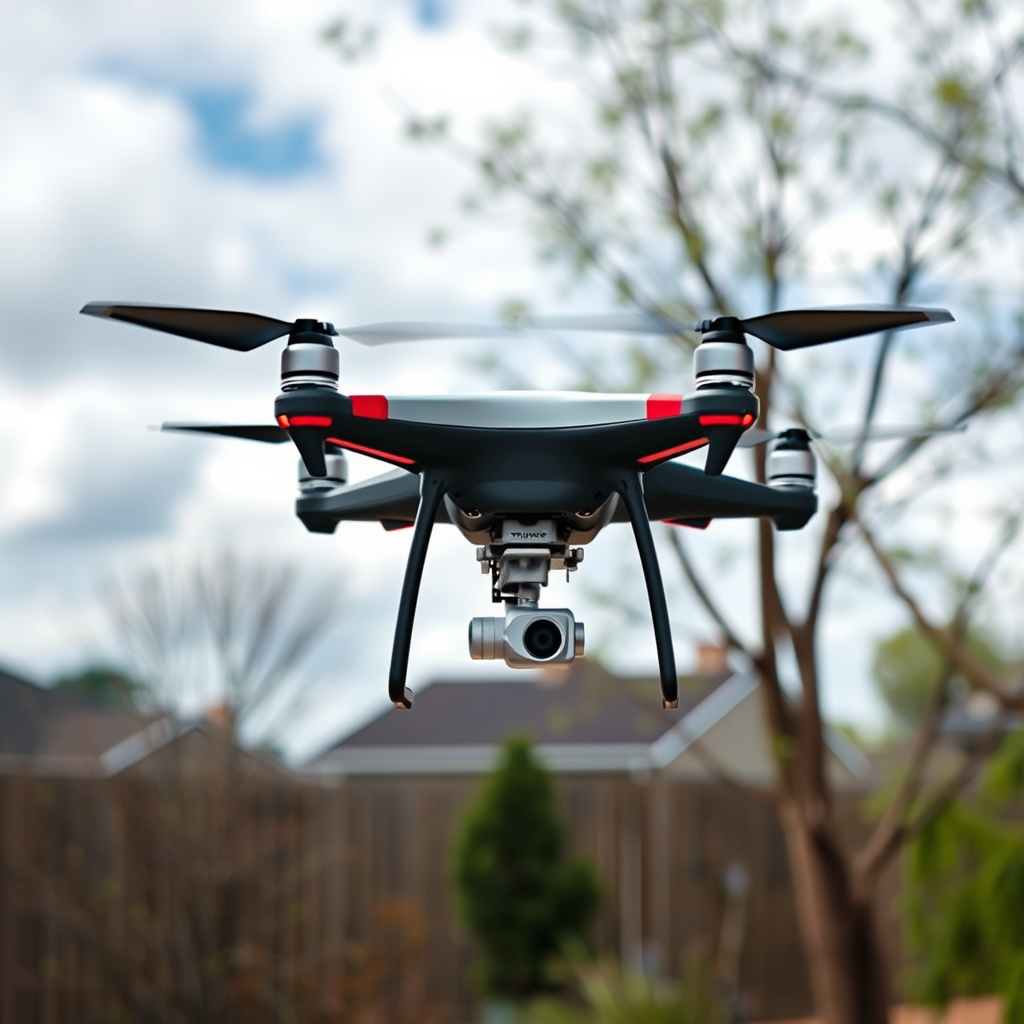
Before you launch your drone, it is paramount to check if your area has specific drone laws or restrictions. The Federal Aviation Administration (FAA) regulates drone usage in the United States, but local municipalities may impose additional rules. For instance, some cities may have laws prohibiting drone flying in certain public parks or residential areas. It’s advisable to visit your local government’s website or contact them directly to clarify any regulations that apply to your location.
Additionally, be aware of zoning laws that may limit drone usage. For example, homeowners’ associations (HOAs) may have their own rules regarding drone flying, and failure to comply could result in complaints or penalties. Understanding these regulations not only keeps you compliant but also fosters a harmonious relationship with your neighbors.
Safety Guidelines for Backyard Flying
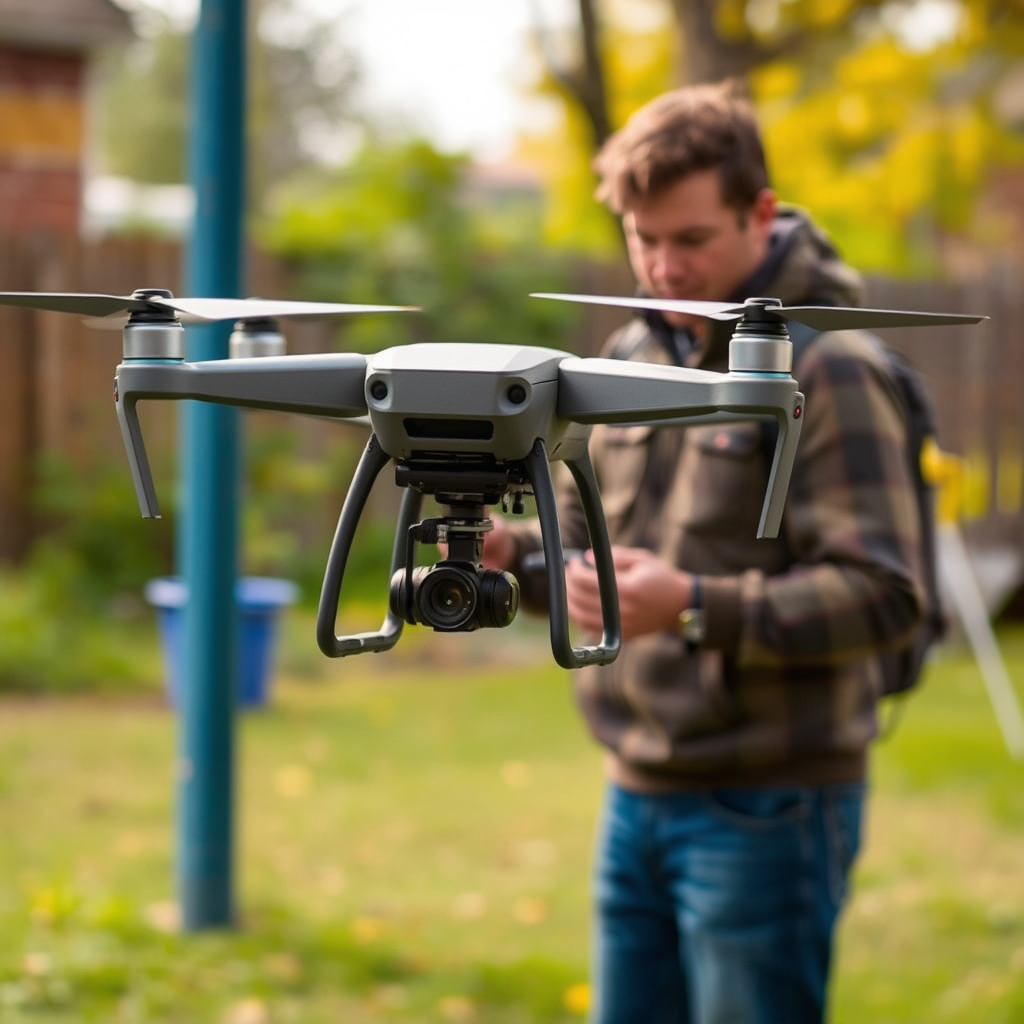
Safety should always be your top priority when flying a drone. Maintaining a safe distance from people and pets is essential to avoid accidents. The FAA recommends keeping your drone within a range of 400 feet and away from crowds to minimize the risk of injury. If your backyard is small or if you have neighbors nearby, it might be wise to schedule your flying sessions when fewer people are around.
Furthermore, avoid flying near power lines or other hazards such as trees or tall buildings. These obstacles can interfere with your drone’s flight path and pose a risk for crashes. Conducting a thorough assessment of your flying area prior to taking off can greatly enhance safety.
Privacy Considerations
Respecting the privacy of your neighbors is crucial when flying a drone in your backyard. Drones equipped with cameras can unintentionally capture images or videos of private moments occurring on adjacent properties. To maintain good relations with your neighbors, it is advisable to avoid flying over their yards or capturing footage of their activities without consent.
Moreover, many states have laws protecting individuals from invasion of privacy via recording devices, which can include drones. Familiarizing yourself with these laws can help you avoid potential legal issues, such as complaints or lawsuits, while ensuring that you fly your drone ethically.
Drone Registration Requirements
Another important consideration is whether your drone needs to be registered with aviation authorities. The FAA requires all drones weighing more than 0.55 pounds (approximately 250 grams) to be registered. This process is relatively straightforward and can be completed online for a small fee. Registration provides an identification number that must be displayed on the drone, which can assist in recovering lost drones or in case of accidents.
Understanding the weight and category regulations for registration is vital. For example, drones classified as “hobbyist” must follow different rules compared to those used for commercial purposes. Ensuring your drone is properly registered not only keeps you compliant but also enhances safety.
Insurance and Liability
Considering drone insurance is a prudent step to cover potential damages that may occur during flight. While not legally required, insurance can protect you from financial liabilities caused by accidents or property damage. Many insurance providers offer specialized drone insurance policies that cover various risks, including theft, crash damage, and liability for injuries.
It is also important to understand your liabilities in case of accidents or injuries. If your drone accidentally injures someone or damages property, you may be held financially responsible. By investing in insurance, you can mitigate these risks and enjoy peace of mind while flying.
Best Practices for Safe Drone Operation
To ensure a safe and enjoyable flying experience, always conduct pre-flight checks before taking off. This includes inspecting your drone for any mechanical issues, checking battery life, and ensuring that all parts are functioning correctly. Familiarizing yourself with your drone’s features and capabilities will also enhance your control during flights.
Adhering to the “line of sight” rule is another essential best practice. The FAA requires that drones be operated within the visual line of sight of the pilot, which enhances safety and situational awareness. If visibility is compromised due to obstacles or poor weather conditions, it is best to postpone your flight.
Additional Resources for Drone Pilots
As you embark on your drone-flying journey, consider exploring online communities or local clubs for drone enthusiasts. These platforms offer valuable resources, including tips for safe flying, information on local regulations, and opportunities to connect with other pilots. Engaging with fellow enthusiasts can enhance your knowledge and provide a support network.
Additionally, look into educational materials and courses on safe flying practices. Many organizations and online platforms offer courses that cover drone operation, safety regulations, and best practices. These resources can help you become a more knowledgeable and responsible drone pilot.
In conclusion, while flying a drone in your backyard is generally permissible, it is essential to be informed about regulations, safety, and privacy. By following guidelines and maintaining awareness, you can enjoy your drone flying experience while respecting those around you. Ultimately, responsible drone operation not only enhances your enjoyment but also contributes to a positive perception of drone users in your community.
Frequently Asked Questions
Can I legally fly a drone in my backyard?
Yes, you can legally fly a drone in your backyard, but it’s essential to follow local regulations and guidelines. In the United States, the FAA requires drone operators to adhere to rules such as flying below 400 feet, keeping the drone within visual line of sight, and avoiding restricted areas. Additionally, some local municipalities may have specific laws about drone usage, so it’s advisable to check your local regulations before flying.
What are the safety precautions I should take when flying a drone in my backyard?
When flying a drone in your backyard, safety is paramount. Always ensure that you’re flying in an open area free from people, pets, and obstacles to minimize the risk of accidents. It’s also important to conduct a pre-flight check on your drone, including inspecting the battery, propellers, and any potential interference from nearby structures. Lastly, consider using a drone safety app to stay informed about airspace restrictions in your area.
How can I find out if my backyard is in a restricted airspace for drone flying?
To determine if your backyard is in a restricted airspace for drone flying, you can use several resources. The FAA provides a free online tool called the B4UFLY app, which shows airspace classifications and any temporary flight restrictions. Additionally, you can consult sectional charts or contact local air traffic control to verify if there are any specific regulations affecting your area.
Which drones are best suited for backyard flying?
The best drones for backyard flying typically include lightweight models with stable flight and user-friendly controls. Drones like the DJI Mini 2 or the Holy Stone HS720 are excellent choices for beginners, offering features like GPS stabilization and decent camera quality. When selecting a drone, consider factors like battery life, ease of use, and the ability to fly in various weather conditions, which are crucial for enjoyable backyard flying experiences.
Why is it important to check for neighbors’ privacy before flying a drone in my backyard?
Checking for neighbors’ privacy before flying a drone in your backyard is vital to avoid potential legal issues and maintain good relationships with those around you. Drones equipped with cameras may inadvertently invade someone’s privacy, leading to complaints or even legal action. Respecting your neighbors’ space and informing them about your drone activities can foster a more understanding environment and prevent conflicts related to privacy concerns.
References
- https://www.faa.gov/uas/getting_started/where_to_fly
- https://www.faa.gov/uas/getting_started/
- https://www.nolo.com/legal-encyclopedia/flying-drone-your-backyard-32238.html
- https://www.usatoday.com/story/tech/2021/05/07/drone-laws-know-you-fly/7404706002/
- https://www.dronepilotgroundschool.com/drone-laws-and-regulations/
- https://www.msn.com/en-us/news/us/flying-a-drone-in-your-backyard-what-you-need-to-know/ar-AAXq1rV
- https://www.wired.com/story/drone-flying-regulations/
- https://www.nydailynews.com/news/national/ny-drone-flying-laws-20210716-5fl3v6wxv5d5zjq4cqk4h754sa-story.html
