
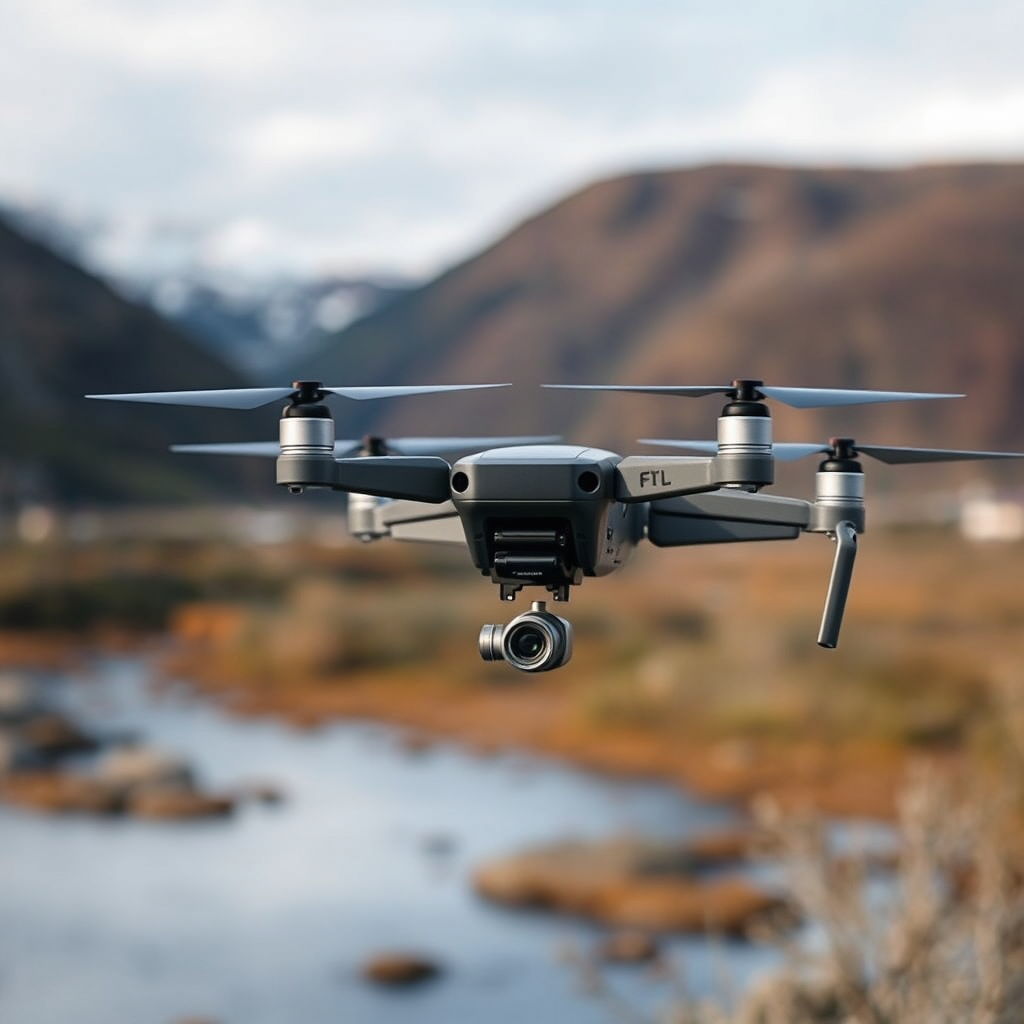
Yes, you can fly a drone in Norway, but there are specific regulations and guidelines you must follow to ensure safety and compliance. Understanding these rules is crucial for both recreational and commercial drone operators. Norway’s breathtaking landscapes and rich cultural heritage provide an enticing backdrop for drone flights, but it is essential to navigate the legal framework to avoid potential fines and ensure a responsible flying experience.
Overview of Drone Regulations in Norway

Norway’s drone regulations are largely influenced by the European Union Aviation Safety Agency (EASA) guidelines, which aim to promote safe drone operation across member states. One of the primary regulations is that drones weighing more than 250 grams must be registered with the Norwegian Civil Aviation Authority (Luftfartstilsynet). This registration process helps authorities track drone operations and enforce compliance with safety measures.
Moreover, drone operators must adhere to the operational limitations set forth by EASA, which includes restrictions on flight altitude (typically a maximum of 120 meters or 400 feet) and maintaining a visual line of sight with the drone at all times. Understanding these regulations is imperative, as violations can lead to penalties, including fines or the confiscation of the drone.
Flying Zones and Restrictions
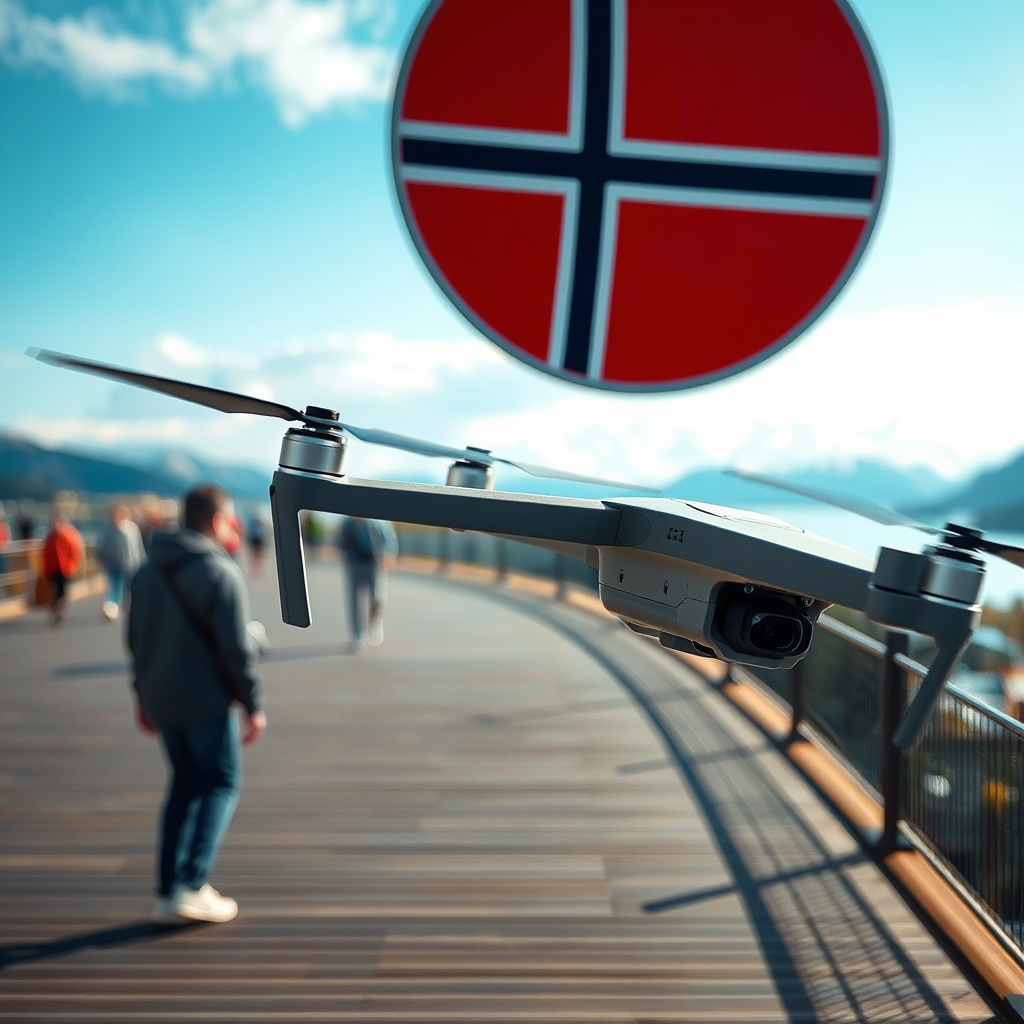
When planning to fly a drone in Norway, it is crucial to be aware of no-fly zones that are designated to protect sensitive areas. These include regions near airports, military installations, and nature reserves. For instance, flying near the Oslo Gardermoen Airport, Norway’s largest airport, is strictly prohibited due to safety concerns. Additionally, many national parks and nature reserves have specific regulations to safeguard wildlife and preserve natural habitats.
To ensure compliance, drone operators should always consult local maps and resources that highlight designated flying areas. The Luftfartstilsynet provides an online tool known as the “Drone Map,” which indicates where drones can be operated legally. By utilizing these resources, operators can avoid inadvertently entering restricted zones and enjoy a worry-free flying experience.
Licensing and Registration Requirements
For commercial drone operators, obtaining a Remote Pilot Certificate is a fundamental requirement. This certification involves completing a recognized training course that covers essential topics such as airspace regulations, drone operations, and safety protocols. The training ensures that operators possess the necessary skills and knowledge to fly drones safely and responsibly, especially in commercial contexts where the stakes may be higher.
Recreational flyers, on the other hand, may not require a formal license if they operate drones under 250 grams. However, any drone exceeding this weight must still be registered, regardless of whether it is used for personal or commercial purposes. This distinction is significant to ensure that all drone operators are accountable for their aircraft, promoting safer skies for everyone.
Safety Guidelines for Drone Operation
Safety should always be the top priority for drone operators in Norway. One of the fundamental safety guidelines is to maintain a visual line of sight with the drone at all times. This practice ensures that operators can monitor their drone’s surroundings, preventing potential collisions with other aircraft or obstacles.
Moreover, it is advisable to avoid flying over crowds and populated areas, as this minimizes risks associated with accidents. If a drone were to malfunction, the consequences could be severe if it were to crash into a densely populated area. Operators should also be mindful of weather conditions; flying in high winds, rain, or snow can compromise control and increase the risk of accidents.
Additionally, operators should conduct pre-flight checks to ensure that their drone is in optimal condition. This includes checking battery levels, propeller integrity, and ensuring that the drone’s firmware is updated. By adhering to these safety guidelines, drone operators can contribute to a safer flying environment for everyone.
Insurance Considerations
While drone insurance is not mandatory in Norway, it is highly recommended for operators, particularly those using drones commercially. Liability insurance can protect operators from financial losses arising from accidents or damages caused by their drones. For example, if a drone were to cause property damage or injure a person, having insurance can significantly mitigate potential financial repercussions.
When considering drone insurance, it is essential to check if the policy covers international flights and specific activities, such as aerial photography or filming. Some insurance providers offer tailored policies designed to meet the unique needs of drone operators, ensuring comprehensive coverage in various scenarios.
Tips for Responsible Flying in Norway
To ensure a positive flying experience in Norway, drone operators should respect wildlife and natural landscapes. This is particularly important in areas known for their rich biodiversity, where disturbing animals can have detrimental effects on their habitats. For example, during the breeding season, it is advisable to avoid flying near nesting sites to minimize stress on wildlife.
Additionally, operators should familiarize themselves with local customs and regulations before embarking on their flying adventures. Different regions may have specific rules or cultural considerations that need to be respected. Engaging with local drone communities can also provide valuable insights and tips for responsible flying, enhancing both safety and enjoyment.
As you prepare to explore Norway’s stunning vistas through your drone, remember that being informed and considerate will lead to a more fulfilling experience.
In conclusion, flying a drone in Norway is possible with the right knowledge and adherence to regulations. By understanding the country’s drone regulations, flying zones, licensing requirements, safety guidelines, and insurance considerations, operators can ensure a safe and responsible flying experience. Always stay informed about local laws and customs, respect the environment, and prioritize safety to make the most of your drone adventures in Norway.
Frequently Asked Questions
What are the regulations for flying a drone in Norway?
In Norway, drone pilots must follow the regulations set by the Norwegian Civil Aviation Authority (Luftfartstilsynet). This includes keeping your drone within visual line of sight, not flying higher than 120 meters (394 feet), and maintaining a safe distance from people, buildings, and vehicles. Additionally, you must avoid flying in restricted areas, such as near airports, and comply with local privacy laws.
How can I obtain permission to fly my drone in Norway’s national parks?
To fly a drone in Norway’s national parks, you typically need to obtain special permission from the park authorities. Each park may have different rules, so it’s important to check the specific regulations on the official park website or contact the park’s management directly. Additionally, consider the impact on wildlife and other visitors when planning your flight.
Why are there restrictions on drone flights in Norway?
Restrictions on drone flights in Norway are primarily in place to ensure safety, protect privacy, and preserve the natural environment. Norway has vast landscapes and wildlife that could be disturbed by drone activity. Furthermore, regulations help prevent accidents near populated areas and airports, ensuring that both drone operators and the general public remain safe.
What is the best drone for recreational flying in Norway?
The best drone for recreational flying in Norway depends on your needs and experience level. For beginners, models like the DJI Mini SE are lightweight, easy to operate, and have excellent camera quality for capturing Norway’s stunning landscapes. More experienced pilots might prefer drones like the DJI Air 2S, which offers advanced features such as obstacle avoidance and better flight capabilities for capturing high-quality aerial footage.
Which areas in Norway are popular for drone flying?
Popular areas for drone flying in Norway include the fjords, mountains, and coastal regions, such as the Lofoten Islands and Geirangerfjord. These locations provide breathtaking scenery and unique landscapes ideal for aerial photography and videography. However, always check local regulations and restrictions before flying in these areas, as certain spots may have specific rules due to environmental or safety concerns.
References
- https://www.norwegianbusiness.com/drone-regulations-in-norway/
- https://www.aviation.gov.nl/en/drone-regulations-in-norway
- https://www.faa.gov/uas/getting_started/where_to_fly/drone_map/
- https://www.norwegian.no/en/drone-regulation/
- https://www.flysas.com/en/information/travel/drone-regulations-in-norway/
