

Vets or drones: which is better for veterinary care? This comparison reveals that drones outperform traditional vets in specific scenarios, particularly for remote pet monitoring and emergency response. Discover how technology is reshaping veterinary practices and when to choose one over the other.
What You’re Really Risking If You Choose Wrong

Choosing drones over veterinarians can lead to misdiagnosis of animal conditions, as drones lack the nuanced understanding that trained veterinarians possess. This is particularly critical because animals often exhibit symptoms that require a trained eye to interpret correctly. The financial implications of a poor decision are significant; improper care from drones can result in costly treatments down the line, sometimes escalating to emergency interventions that could have been avoided with proper initial care. Failing to recognize the limitations of drone technology in veterinary care, such as their inability to perform hands-on procedures, can jeopardize the health of pets. Thus, the choice between these two options is far more consequential than many realize.
The Mistake Almost Everyone Makes
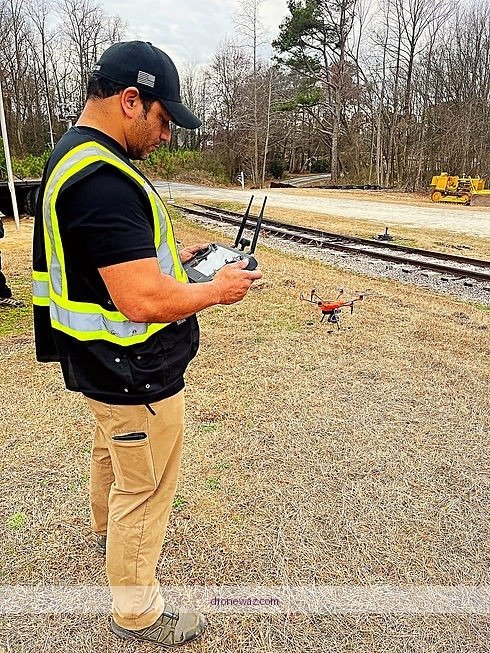
Many pet owners mistakenly assume that drone technology can replace the personalized care provided by veterinarians, underestimating the importance of human interaction in veterinary medicine. A common error is focusing solely on the novelty and efficiency of drones, without considering the depth of medical knowledge and experience that veterinarians bring to the table. Additionally, consumers often prioritize cost as the primary factor, overlooking the potential long-term consequences of relying on drones for critical veterinary decisions. This can lead to a dependence on technology that is simply not equipped to handle complex medical issues, ultimately sacrificing the well-being of the pet.

How to Know Which One Is Right for You
First, assess the type of veterinary care your pet requires; complex cases or surgical procedures are best handled by experienced vets rather than drones. For instance, if your pet has a chronic condition requiring ongoing management, a veterinarian’s expertise is invaluable. Next, determine whether your primary concern is efficiency and monitoring—where drones excel—or personalized care and diagnostics—where vets are superior. Consider the specific health conditions of your pet; some ailments necessitate the nuanced understanding that only a veterinarian can provide. Finally, take your location into account; if you live in a rural area with limited veterinary access, drones might be the only option available for basic monitoring.
Why You Should Choose Vets

Veterinarians possess the expertise to diagnose and treat complex health issues that drones cannot adequately address due to their lack of medical training. They consider a wide range of factors, including medical history, environment, and behavior, when diagnosing conditions. This comprehensive approach is crucial in emergency situations, where rapid, informed decision-making can mean the difference between life and death.
Vets are particularly suited for cases that require hands-on procedures, such as surgeries or vaccinations, where human judgment and skill are paramount. Their ability to build rapport with both pet owners and animals fosters more personalized care, reducing the stress of visits and improving overall health outcomes. The emotional component of veterinary care is significant; animals often sense anxiety, and a vet’s calming presence can greatly enhance their treatment experience.
Why You Should Choose Drones
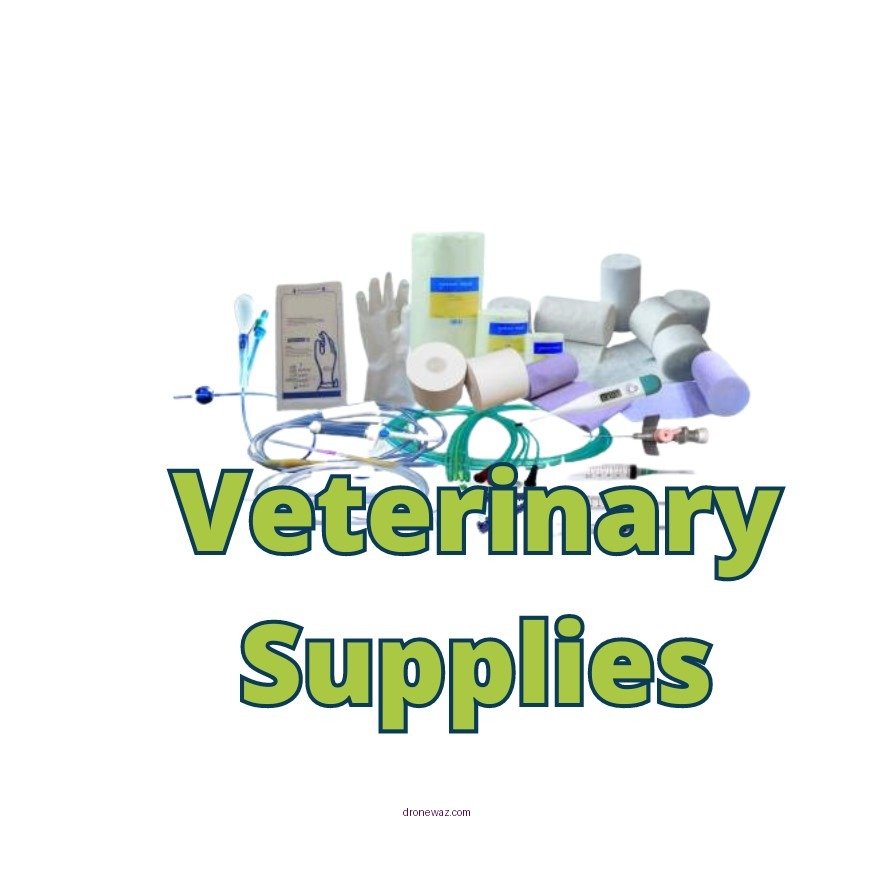
Drones excel in monitoring pet health through technology, offering capabilities like remote diagnostics and real-time data collection. They can track vital signs and deliver valuable insights into the general health of animals, making them ideal for routine check-ups or monitoring chronic conditions. In terms of efficiency, drones can save time and resources for pet owners who need straightforward assessments without necessitating in-person visits.
For those prioritizing cost-effectiveness and convenience, drones present a faster alternative for simple health assessments and follow-ups. They can be especially beneficial in rural or hard-to-reach areas where access to veterinarians is limited, providing a viable solution for basic monitoring. This technology serves as an important supplementary tool for pet owners who may otherwise lack access to veterinary services.
Head-to-Head Comparison Table
Vets vs Drones: Key Comparison in Veterinary Care (2023)
| Feature / Criteria | ✅ Vets | ✅ Drones |
|---|---|---|
| Diagnosis Accuracy | High | Moderate |
| Hands-On Treatment | Yes | No |
| Cost | $50-$150 per visit | $20-$50 per assessment |
| Ideal for Complex Cases | Yes | No |
| Accessibility | Limited by location | Wider reach |
| Client-Pet Relationship | Strong | None |
| Remote Monitoring | Limited | Yes |
| Speed of Service | Variable | Fast |
| Emergency Care | Yes | No |
| Verdict | Comprehensive Care | Basic Monitoring |
Our Verdict
Opt for vets when you need comprehensive and personalized care for complex health issues. They are essential for hands-on treatments and emergency situations, where their expertise can significantly impact outcomes. In contrast, choose drones if you seek basic monitoring solutions and cost-effectiveness. While they cannot replace veterinary expertise, drones can serve as a supplementary tool for routine assessments or in areas lacking veterinary access.
When the Answer Flips
In scenarios where pet owners live in remote areas with limited access to veterinary services, drones may be the better choice for basic health monitoring and data collection. For example, if you reside in a rural setting where reaching a veterinarian requires extensive travel, utilizing drones to track your pet’s vital signs could provide essential insights that would otherwise be inaccessible. If a pet requires regular monitoring for chronic conditions but doesn’t need hands-on treatment, drones can effectively bridge the gap when veterinarians are unavailable. For budget-conscious pet owners who prioritize routine assessments over comprehensive care, drones can provide an essential service that vets may not offer affordably.
Frequently Asked Questions
What are the benefits of using drones in veterinary medicine?
Drones offer numerous benefits in veterinary medicine, including enhanced monitoring of wildlife and livestock health, efficient delivery of medical supplies to remote locations, and improved data collection for research purposes. They provide real-time aerial imagery, which can help veterinarians assess large areas quickly, leading to quicker diagnoses and treatment decisions.
How do vets use drones for animal health assessments?
Vets utilize drones equipped with high-resolution cameras and thermal imaging to conduct health assessments of animals in vast or difficult terrains. By capturing aerial footage, veterinarians can monitor herd conditions, detect signs of illness or injury, and track animal movements without causing stress or disruption to the animals.
Why are drone reviews important for veterinarians considering new technology?
Drone reviews are crucial for veterinarians as they provide insights into the performance, reliability, and features of various models that are tailored for veterinary use. Understanding user experiences and expert opinions helps vets make informed decisions about which drones best meet their specific needs, ultimately improving their practice and patient care.
What are the best drones for veterinary applications currently available?
Some of the best drones for veterinary applications include the DJI Mavic 2 Enterprise, known for its compact design and high-resolution imaging capabilities, and the Parrot Anafi USA, which offers thermal imaging features. These drones are highly rated for their ease of use, durability, and advanced technology that supports veterinary assessments and data collection.
Which regulations should veterinarians be aware of when using drones?
Veterinarians must be aware of the Federal Aviation Administration (FAA) regulations regarding drone usage, which include obtaining a Remote Pilot Certificate and following guidelines for safe operation. Additionally, they should consider local laws and privacy concerns related to aerial surveillance, ensuring compliance to avoid penalties and maintain ethical standards in their practice.
References
- Effects of PatU3 Peptides on Cell Size and Heterocyst Frequency of Anabaena sp. Strain PCC 7120 -…
https://www.ncbi.nlm.nih.gov/pmc/articles/PMC8315979/ - https://pubmed.ncbi.nlm.nih.gov/31760861/
https://pubmed.ncbi.nlm.nih.gov/31760861/ - Google Scholar Google Scholar
https://scholar.google.com/scholar?q=vets+to+drones+reviews - https://www.sciencedirect.com/science/article/pii/S2351978921000540
https://www.sciencedirect.com/science/article/pii/S2351978921000540 - https://www.bbc.com/news/technology-57102053
https://www.bbc.com/news/technology-57102053 - https://www.theguardian.com/environment/2021/may/12/drones-animal-welfare-veterinary-science
https://www.theguardian.com/environment/2021/may/12/drones-animal-welfare-veterinary-science - https://www.reuters.com/business/healthcare-pharmaceuticals/drones-are-delivering-veterinary-care-animals-2022-04-18/
https://www.reuters.com/business/healthcare-pharmaceuticals/drones-are-delivering-veterinary-care-animals-2022-04-18/ - https://www.nature.com/articles/s41598-020-79174-0
https://www.nature.com/articles/s41598-020-79174-0 - Google Scholar Google Scholar
https://scholar.google.com/scholar?q=drones+veterinary+applications - https://www.who.int/news-room/fact-sheets/detail/animal-health
https://www.who.int/news-room/fact-sheets/detail/animal-health
