
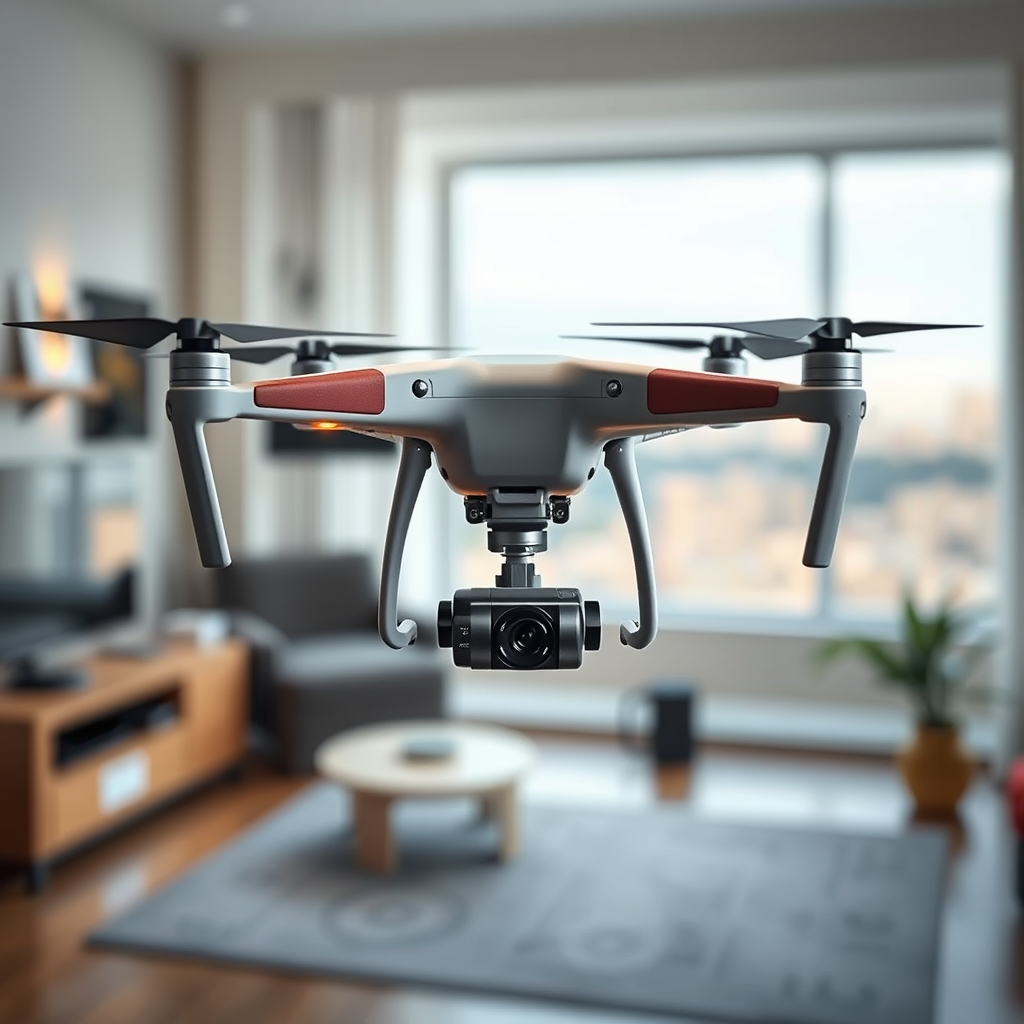
Yes, you can fly a drone in the UK, but there are specific regulations and guidelines that you must follow. Understanding these rules is crucial to ensuring your drone flights are both legal and safe. The UK’s regulatory framework, predominantly governed by the Civil Aviation Authority (CAA), outlines clear requirements aimed at protecting the safety of the public, privacy rights, and airspace integrity. This article delves into the essential guidelines for flying drones in the UK, ensuring that you have a comprehensive understanding of your responsibilities and the permissible actions you can take.
Understanding Drone Regulations in the UK
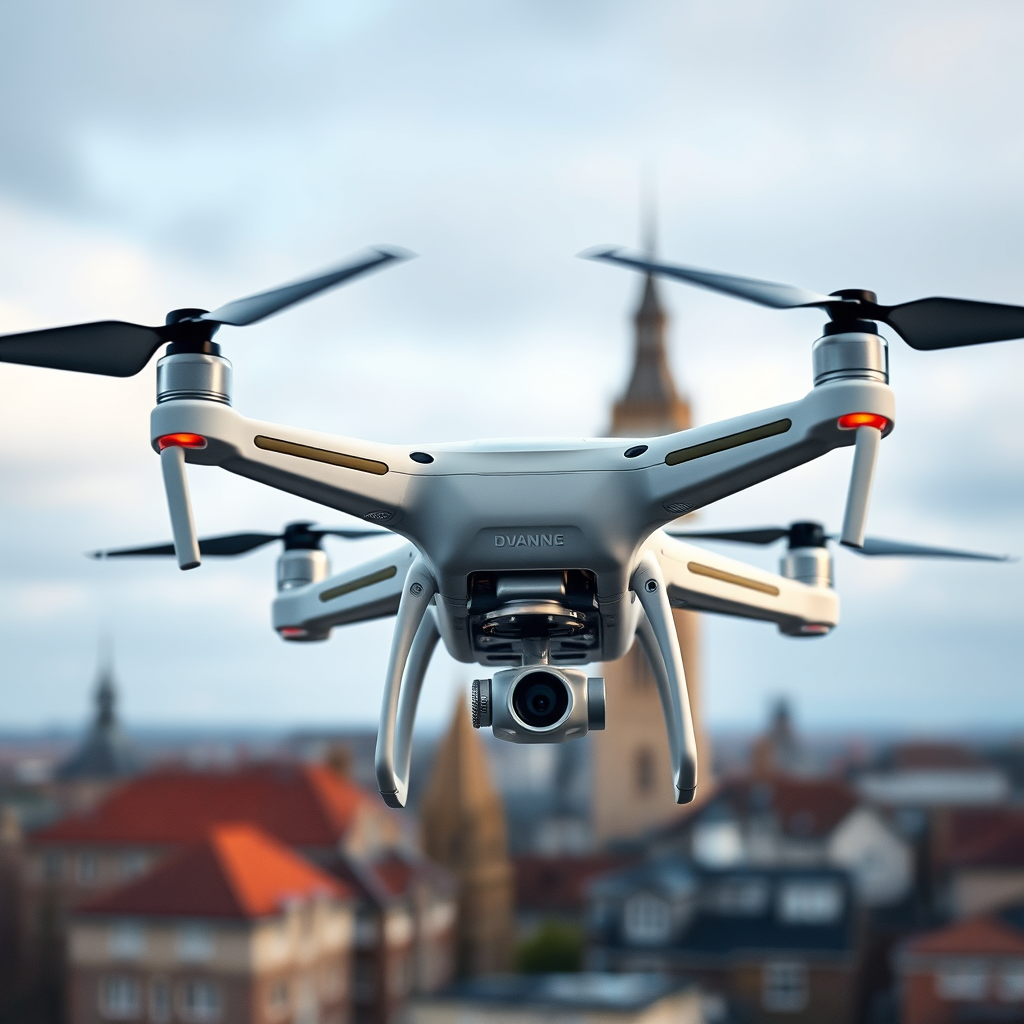
The UK has established a thorough set of laws related to drone usage, primarily enforced by the Civil Aviation Authority (CAA). These regulations are designed to protect public safety while allowing drone enthusiasts to enjoy their hobby or business activities. If you operate a drone that weighs more than 250 grams, it is mandatory to register with the CAA and obtain a Flyer ID, which demonstrates your competency in flying a drone safely.
In addition to registration, drone operators must adhere to specific operational guidelines, including maintaining a minimum distance from people and property, as well as ensuring that they do not fly above 120 meters (400 feet) without permission. The CAA regularly updates these regulations, so staying informed about the latest guidelines is essential for compliance.
Types of Drones and Their Classifications
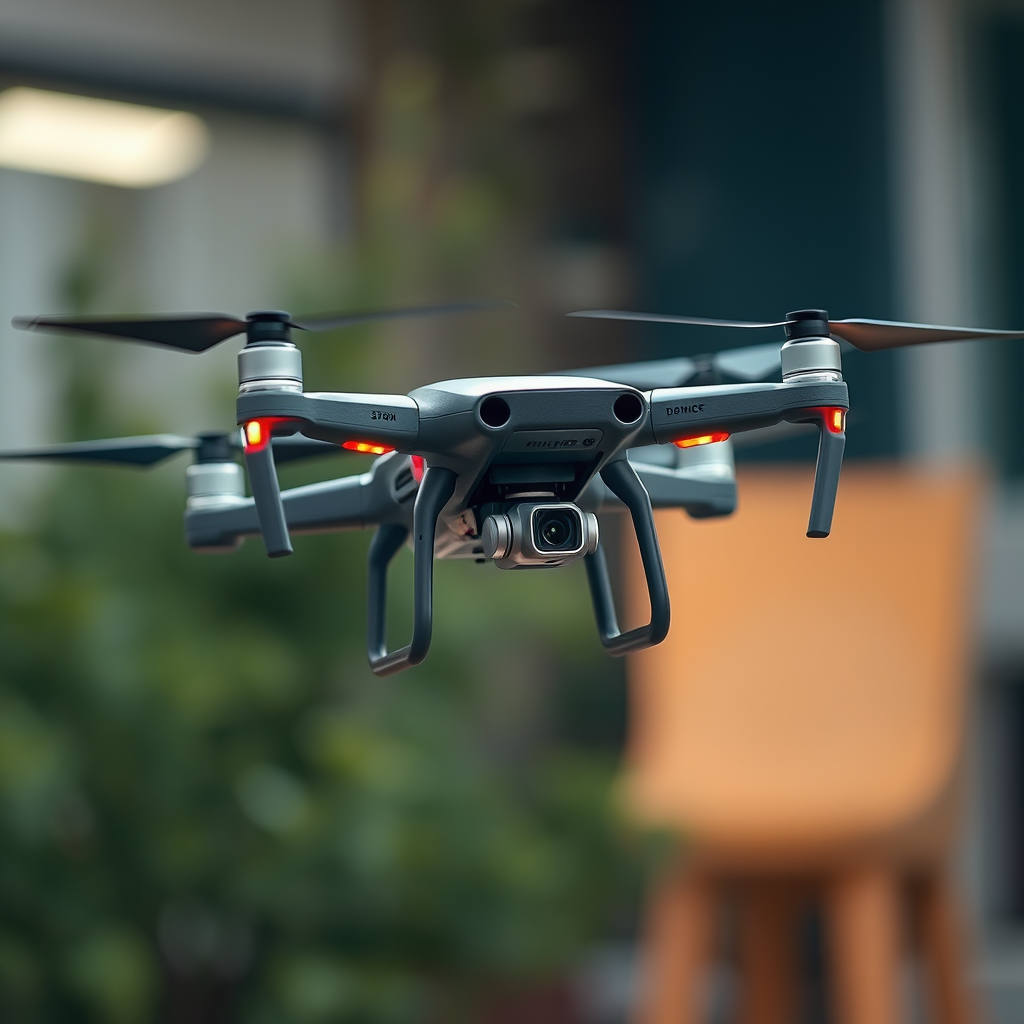
Drones in the UK are classified into three categories: Open, Specific, and Certified. Each category has unique operational limitations and requirements, which are crucial for ensuring the safe use of drones.
1. Open Category: This category is for drones weighing under 25 kg and includes subcategories A1, A2, and A3. The Open category allows for the greatest flexibility but comes with certain restrictions, such as flying drones over people only in A1 and maintaining a safe distance from people in A2.
2. Specific Category: This classification is for drone operations that require a risk assessment but do not meet the criteria for the Open category. Operators in this category must apply for permission from the CAA and may need to provide evidence of their risk assessment and safety measures.
3. Certified Category: This category is for complex drone operations, often involving larger drones or flights in congested areas. Operators must meet stringent certification requirements and adhere to a detailed operational framework set by the CAA.
Understanding these classifications is vital for drone operators to determine which rules apply to their specific situations and ensure they are flying within the legal framework.
Where Can You Fly Drones?
Drones can be flown in various open areas, provided operators respect privacy laws and airspace restrictions. However, certain locations are designated as no-fly zones to safeguard public safety and privacy rights. For instance, flying drones near airports, military bases, and critical infrastructure sites is heavily restricted.
Urban areas are also typically off-limits for drone flights, especially in densely populated locations where the risk of accidents and privacy infringements is heightened. Additionally, natural reserves and sensitive ecological sites often have strict regulations regarding drone flights to prevent disturbance to wildlife. Always check local regulations and airspace restrictions before planning your drone flight, and utilize apps or maps that indicate no-fly zones to stay compliant.
Safety Guidelines for Flying Drones
Safety is paramount when operating drones. To minimize risks, drone operators should adhere to several key safety guidelines. First, maintaining a safe distance from other people and property is essential. The CAA recommends keeping a distance of at least 50 meters from people and 150 meters from crowds to prevent accidents.
Second, operators should always keep their drones within their line of sight during flight. This practice allows for better control and awareness of the drone’s surroundings, reducing the likelihood of collisions. Additionally, it is advisable to avoid flying in adverse weather conditions, such as high winds or rain, which can affect drone performance and safety.
Lastly, conducting a pre-flight check is essential. This includes ensuring the drone’s battery is charged, checking for software updates, and ensuring all components are functioning correctly. Following these guidelines not only enhances safety but also contributes to responsible drone usage.
Required Equipment and Insurance
When flying a drone, having the right equipment is crucial for both safety and compliance. While basic drones may not require advanced technology, certain models may benefit from additional equipment such as GPS for navigation, altitude sensors for height monitoring, and cameras for capturing high-quality footage.
Moreover, while it is not legally required, obtaining third-party liability insurance is highly recommended for drone operators. This insurance provides coverage in the event of accidents or damages caused by the drone, offering peace of mind and financial protection. Many insurance providers offer tailored policies for drone operators, ensuring that you are adequately covered for various types of operations.
Penalties for Non-Compliance
Failure to adhere to drone regulations in the UK can result in significant penalties. The CAA has the authority to impose fines and take legal action against individuals who violate drone laws. In some cases, serious offenses, such as flying a drone in restricted airspace or endangering public safety, may lead to criminal charges.
Additionally, non-compliance can result in the loss of flying privileges, which means that individuals may be barred from operating drones in the future. To avoid these consequences, it is crucial for drone operators to stay informed about the regulations and ensure compliance at all times.
In conclusion, while flying a drone in the UK is permitted, it requires adherence to a myriad of regulations designed to ensure safety and legality. Understanding the different classifications of drones, where they can be flown, and the necessary safety guidelines is essential for responsible drone operation. By following these essential guidelines and staying informed about updates to the regulations, drone operators can enjoy their hobby or business pursuits while contributing to a safe and respectful airspace environment.
Frequently Asked Questions
What are the legal requirements for flying a drone in the UK?
In the UK, drone operators must adhere to regulations set by the Civil Aviation Authority (CAA). This includes registering as a drone operator, obtaining a Flyer ID if flying a drone over 250g, and ensuring that you have appropriate insurance. Additionally, you must always fly your drone within visual line of sight and avoid restricted airspace, such as near airports or military zones.
How can I check if I can fly my drone in a specific area in the UK?
To check if you can fly your drone in a specific area in the UK, utilize the CAA’s Drone Safe website, which provides maps and information about restricted airspaces and no-fly zones. You can also download apps like NATS’ Drone Assist, which helps you identify safe flying locations and informs you of any temporary flight restrictions in your vicinity.
Why is it important to follow drone regulations in the UK?
Following drone regulations in the UK is crucial to ensure the safety of the public and other airspace users, as well as to avoid legal repercussions. Non-compliance can result in hefty fines or criminal charges, and irresponsible flying can lead to accidents or damage to property. By adhering to regulations, drone pilots contribute to a safer flying environment and promote responsible drone use.
What are the best drones for beginners to fly in the UK?
Some of the best drones for beginners in the UK include the DJI Mini 2, which is lightweight and easy to operate, and the Holy Stone HS720, known for its stability and user-friendly interface. These models are compliant with CAA regulations and offer features such as GPS and automated flight modes, making them ideal for novice pilots looking to learn how to fly safely and effectively.
Which areas are completely off-limits for flying drones in the UK?
Areas that are completely off-limits for flying drones in the UK include airports, airfields, and military installations, as they are considered restricted airspace. Additionally, flying over large crowds, emergency services, or in close proximity to people without permission is prohibited. Always check local regulations and use tools like the CAA’s Drone Safe website to ensure compliance before planning your flight.
References
- https://www.caa.co.uk/Consumers/Unmanned-aircraft/
- https://www.gov.uk/guidance/drone-using-uas-in-the-uk
- https://en.wikipedia.org/wiki/Unmanned_aerial_vehicle
- https://www.bbc.com/news/technology-52594482
- https://www.nationalgeographic.com/science/article/drones-uk-regulations-privacy-technology
- https://www.reuters.com/technology/uk-launches-new-drone-regulations-2022-11-30/
- https://www.theguardian.com/technology/2021/jul/27/how-to-fly-a-drone-legally-in-the-uk-guide
