
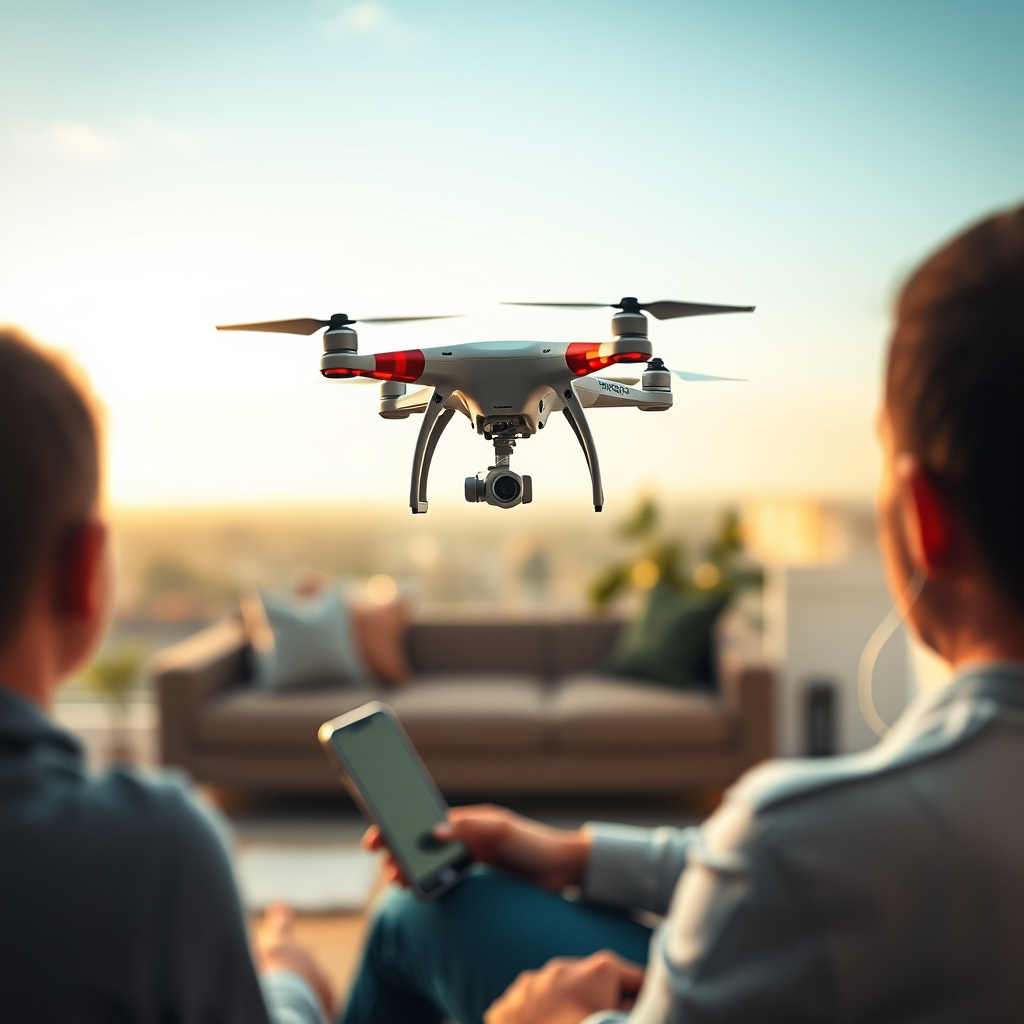
Yes, you can fly your drone over 400 feet in certain situations, but it’s subject to specific regulations and restrictions. Understanding these rules is crucial for safe and legal drone operation. The Federal Aviation Administration (FAA) delineates clear guidelines that govern drone altitude, primarily to ensure airspace safety and mitigate risks associated with drone flights. As drone technology continues to evolve and increase in popularity, it is essential for both recreational and commercial users to be aware of the rules that dictate maximum flight heights.
Understanding FAA Regulations
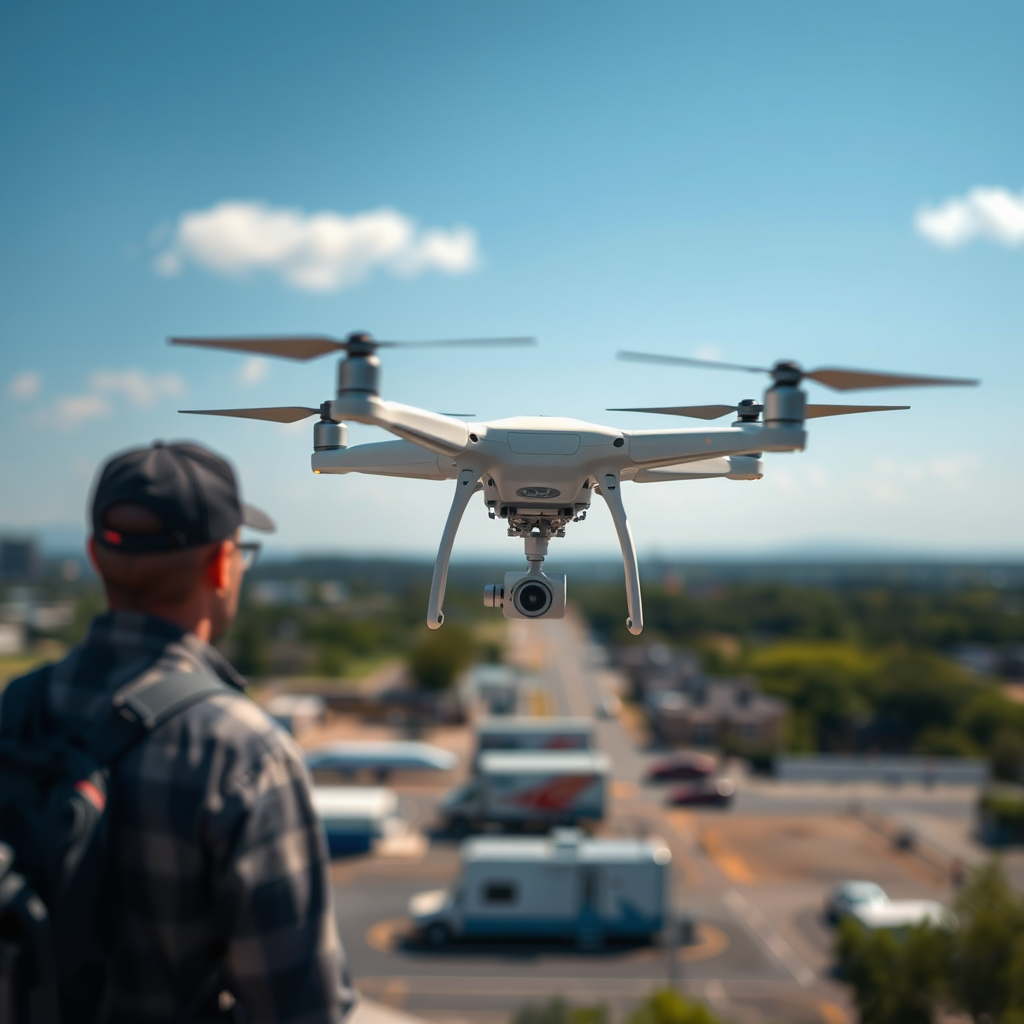
The Federal Aviation Administration (FAA) generally restricts drone flights to a maximum altitude of 400 feet above ground level. This regulation is in place to minimize risks of collision with manned aircraft and to maintain safe operational procedures in the national airspace. The regulation applies to small unmanned aerial systems (sUAS) operated for recreational and commercial purposes.
For those wishing to operate a drone above this altitude, special authorization is required. One common method to achieve this is through a Part 107 waiver. The Part 107 rules govern commercial drone operations and stipulate that operators must demonstrate a clear understanding of the airspace and potential hazards. Obtaining a waiver involves submitting a robust application to the FAA, detailing the intended operations and how they will mitigate risks associated with flying at higher altitudes.
Exceptions to the 400 Feet Rule
While the 400-foot altitude limit is a fundamental rule, there are notable exceptions. Drones can exceed 400 feet if they are flying within a 400-foot radius of a structure. This means that if you are launching your drone from the top of a building or flying around a tall tower, you can operate at heights above 400 feet as long as you remain within the specified radius. This exception is particularly beneficial for industries such as real estate, construction, and telecommunications, where aerial views from elevated positions are essential.
Additionally, certain commercial operations may have specific exemptions that allow for higher flights. For example, some filmmakers or surveyors may require a higher altitude to capture a broader field of view or to conduct aerial surveys. In these cases, operators must still ensure they are compliant with any additional FAA requirements and maintain situational awareness regarding nearby air traffic.
Importance of Airspace Awareness
Understanding the type of airspace you are flying in is essential for compliance with FAA regulations. The national airspace is divided into different classifications, including controlled and uncontrolled airspace. Controlled airspace, which includes areas near airports, generally has stricter limits and may require additional permissions to operate drones. For example, pilots must usually notify air traffic control before flying in controlled airspace, especially if they intend to fly above the 400-foot limit.
Moreover, drone operators should always check for any temporary flight restrictions (TFRs) in their area before flying. TFRs can be issued for various reasons, including special events, military operations, or emergency situations. Failing to adhere to these restrictions can result in severe penalties, including fines and potential legal action.
Risks of Flying Above 400 Feet
Flying above 400 feet comes with its own set of risks, primarily the increased potential for collisions with manned aircraft. As drones become more ubiquitous, the likelihood of encountering other types of air traffic rises, particularly in urban areas or near airports where air traffic is dense. Collisions with manned aircraft can have dire consequences, not only for the drone operator but also for the safety of those on board and within the vicinity.
In addition to safety risks, there are legal consequences associated with violating airspace regulations. The FAA has issued fines and penalties to drone operators who fail to comply with the 400-foot limit, particularly in controlled airspace. These fines can range from hundreds to thousands of dollars, depending on the severity of the violation. Therefore, it is crucial for drone operators to prioritize safety and adhere to established regulations to avoid costly repercussions.
Tools for Monitoring Altitude
To ensure compliance with altitude limits, drone operators can utilize various tools and technologies. Many drone apps, such as AirMap and UAV Forecast, provide real-time information about airspace classification, temporary flight restrictions, and weather conditions. These applications can help operators plan their flights more effectively and ensure they remain within legal parameters.
Additionally, most modern drones are equipped with built-in altitude sensors that help maintain safe flying heights. These sensors provide real-time feedback to the operator, ensuring they remain aware of their drone’s altitude during flight. By leveraging these tools, drone operators can significantly enhance their situational awareness and safety while flying.
Local Regulations and Restrictions
In addition to FAA regulations, state and local laws may impose additional restrictions on drone flights, including height limits and specific no-fly zones. For example, some cities have enacted ordinances prohibiting drone flights over certain public areas, such as parks, schools, or crowded events. It is imperative for drone operators to verify local regulations before their flight to avoid facing penalties or enforcement actions.
To stay informed about local drone laws, operators can consult municipal websites or local aviation authorities. Joining drone flying communities or forums can also provide valuable insights into regional regulations and best practices, helping to foster a culture of responsible drone use.
In conclusion, while flying your drone over 400 feet is possible under certain conditions, it is essential to be aware of and comply with FAA regulations, local laws, and safety considerations. Understanding the exceptions to the 400-foot rule, maintaining airspace awareness, and utilizing technology tools can significantly enhance safety and compliance. Prioritizing safe flying practices ensures that you can enjoy your drone experience without encountering legal issues or jeopardizing the safety of others in the airspace.
Frequently Asked Questions
What are the regulations for flying a drone over 400 feet?
The Federal Aviation Administration (FAA) regulates drone flights in the United States, stating that drones should not fly higher than 400 feet above ground level unless certain conditions are met. If you are operating in a controlled airspace, you may need special permission from the FAA, and if you are flying in proximity to structures, you can exceed 400 feet. Always check local laws and regulations, as they may impose additional restrictions.
How can I legally fly my drone above 400 feet?
To legally fly your drone above 400 feet, you must obtain a waiver from the FAA by demonstrating a legitimate need for higher altitude operations. This process involves submitting a detailed application that outlines safety measures, risk assessments, and operational plans. It’s crucial to be aware of airspace classifications and to avoid flying near manned aircraft to ensure safety and compliance.
Why is there a 400-foot limit for drone flights?
The 400-foot limit for drone flights is primarily a safety measure designed to minimize the risk of collisions between unmanned aerial vehicles (UAVs) and manned aircraft, which typically operate at higher altitudes. Maintaining this altitude helps ensure that drones remain within the visual line of sight of operators, which enhances safety and decreases the likelihood of accidents. The regulation also aids in managing airspace effectively.
What are the risks of flying a drone above 400 feet?
Flying a drone above 400 feet poses several risks, including potential collisions with manned aircraft, which can lead to serious accidents and legal repercussions. Additionally, flying at higher altitudes may reduce your ability to maintain visual contact with your drone, making it harder to control and increasing the risk of losing it. There are also legal risks involved, as unauthorized flights can result in fines and restrictions on future drone operations.
Which drones are capable of flying above 400 feet?
Most commercially available drones are designed to limit their altitude to 400 feet to comply with FAA regulations. However, some high-end models may have features that allow for higher altitude flight under specific conditions. When selecting a drone, always review its specifications and ensure it can operate within legal limits while considering your intended use and the necessary permissions to fly above regulated heights.
References
- https://www.faa.gov/uas/getting_started/part_107
- https://www.faa.gov/uas/resources/policy_library/
- https://www.nytimes.com/2021/04/21/business/drone-regulations.html
- https://www.npr.org/2020/12/30/951176963/faa-issues-new-drone-rules
- https://en.wikipedia.org/wiki/Drone_flight_regulations_in_the_United_States
- https://www.suasnews.com/2021/01/faa-final-rule-on-drone-operations
- https://www.theguardian.com/us-news/2018/jun/23/drone-faa-regulations-400-feet
- https://www.bbc.com/news/technology-47368802
