

Yes, you can fly your drone over a road, but there are important regulations and safety concerns you need to consider. Understanding the legalities and best practices will help you fly responsibly while ensuring the safety of yourself and others. Drones have become increasingly popular for recreational and commercial use, but navigating the complexities of airspace regulations and safety protocols is essential for a successful flying experience.
Understanding Drone Regulations
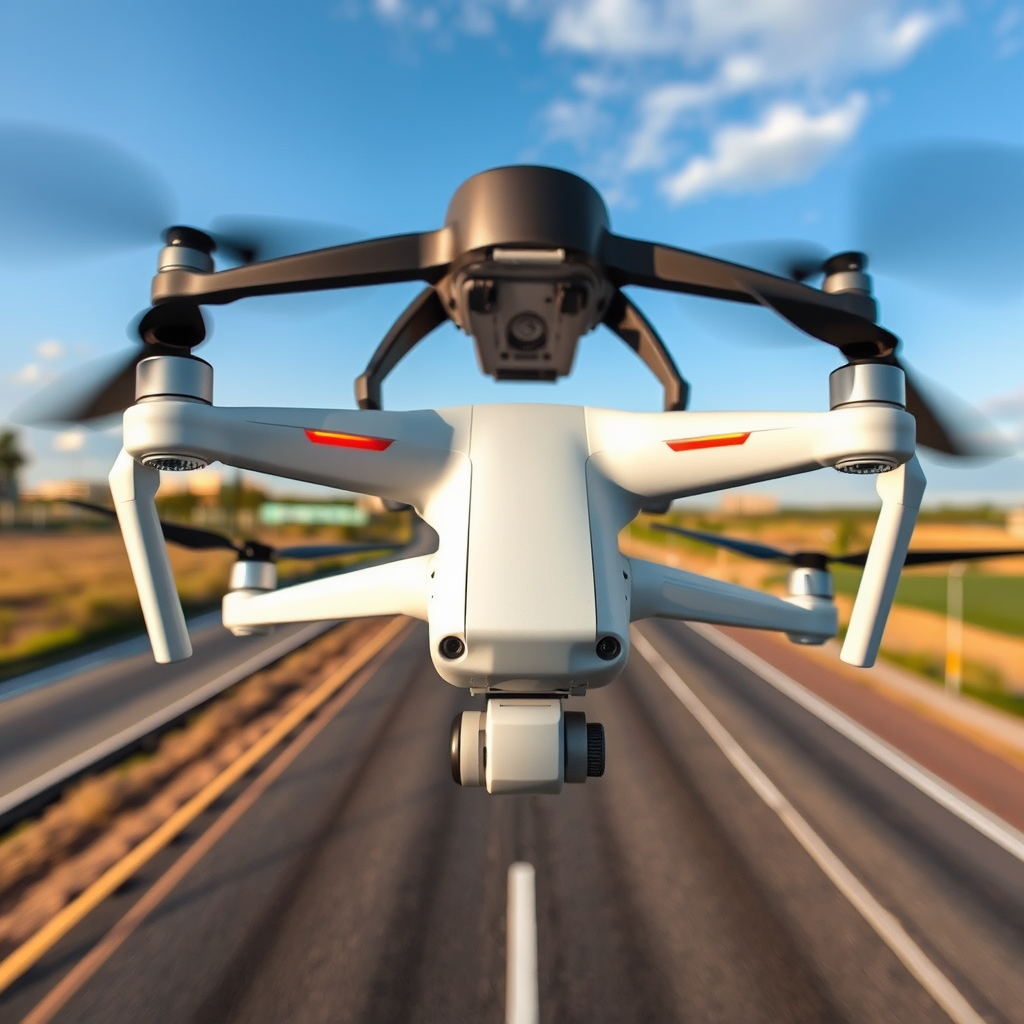
Familiarizing yourself with the Federal Aviation Administration (FAA) regulations is the first step in determining whether you can legally fly your drone over a road. The FAA has established guidelines that govern the operation of drones, primarily under Part 107, which applies to commercial drone operators. These regulations include restrictions on flying above people and vehicles, as well as mandates to keep the drone within visual line of sight. As a recreational pilot, you must also adhere to the basic regulations outlined in the FAA’s guidelines, including registering your drone if it weighs more than 0.55 pounds.
Beyond federal regulations, you should also be aware that different states and localities may impose additional laws governing drone use. For example, some cities have enacted ordinances that prohibit drone flights over certain areas, including busy roadways or parks. It is crucial to research and understand the specific laws in your jurisdiction, as non-compliance can lead to fines or other legal repercussions. Websites such as the FAA’s DroneZone and local government resources can provide you with up-to-date information on the applicable regulations.
Safety Considerations
When considering flying your drone over a road, assessing the potential risks is paramount. The presence of moving traffic and pedestrians poses significant hazards that can lead to accidents. Drones can malfunction or lose signal, causing them to fall unexpectedly. If a drone were to crash onto a roadway, it could not only damage vehicles but also result in serious injuries to drivers or pedestrians.
To mitigate these risks, always maintain a visual line of sight with your drone. This practice not only helps you control the drone but also allows you to react swiftly to any unforeseen circumstances, such as a sudden increase in traffic or unexpected obstacles. Additionally, consider investing in drone technology equipped with safety features like obstacle avoidance systems, which can enhance your ability to navigate safely.
Getting Permission
Determining whether you need to notify local authorities or obtain a permit is critical before flying over a road. In many cases, flying in urban areas or near busy streets may require special permissions due to the potential for accidents and the presence of sensitive infrastructure. For instance, if you plan to fly over a major highway or near an airport, you may need to obtain a waiver from the FAA or other local governing bodies.
It is also essential to check if the road in question is part of any special use zones or no-fly areas. These zones may include airports, government buildings, or areas with significant public gatherings. Familiarizing yourself with tools such as the FAA’s B4UFLY app can help you easily determine whether you are flying in a restricted airspace.
Best Practices for Safe Flight
To enhance safety while flying your drone over a road, it is advisable to choose times when traffic is minimal. Early mornings or late afternoons during weekdays, or weekends, might present opportunities for safer operations. This not only reduces the risk of accidents but also allows for a more controlled flying environment, enabling you to focus on piloting your drone effectively.
Utilizing flight planning apps can also greatly aid in mapping your route and avoiding obstacles. Applications such as DroneLogbook and AirMap provide users with valuable information about airspace restrictions, weather conditions, and recommended flight paths. By carefully planning your flight, you can minimize risks and enhance your overall flying experience.
Insurance and Liability
Considering drone insurance is a prudent measure to cover potential damages that may occur during flight. Drone insurance can protect you from financial losses due to accidents, property damage, or personal injury claims resulting from your drone’s operation. Various companies offer drone insurance policies tailored to both recreational and commercial pilots, allowing you to select coverage that best fits your needs.
Understanding your liability in case of an accident involving your drone is equally important. If your drone causes injury to a person or damages property, you could be held financially responsible. Having insurance can mitigate these risks, providing peace of mind as you enjoy flying your drone.
Community Guidelines
Engaging with local drone flying communities can provide valuable insights and shared experiences that enhance your understanding of safe flying practices. Many communities have established guidelines to promote safety among drone operators, including recommendations on where to fly, how to handle emergencies, and best practices for interacting with other airspace users.
Joining online forums or local clubs can facilitate knowledge sharing and networking opportunities, allowing you to learn from more experienced pilots. Platforms such as Meetup or Facebook Groups can help you connect with fellow drone enthusiasts who can offer tips and support.
In conclusion, while flying your drone over a road is possible, it requires adherence to regulations and a focus on safety. Understanding the FAA regulations, assessing safety risks, obtaining necessary permissions, following best practices, securing insurance, and engaging with local communities are all critical steps in ensuring responsible drone operation. By staying informed and practicing these guidelines, you can enjoy your drone experience while minimizing potential issues and enhancing safety for yourself and others.
Frequently Asked Questions
What are the legal restrictions for flying a drone over a road?
Flying a drone over a road is subject to federal, state, and local regulations. In the United States, the Federal Aviation Administration (FAA) allows drone flights over roads, but operators must maintain visual line of sight and avoid flying over people not involved in the operation. Additionally, local laws or ordinances may impose further restrictions, so it’s essential to check with local authorities before flying your drone over any roadway.
How can I ensure safety while flying my drone over a busy road?
To ensure safety when flying your drone over a busy road, first, assess the traffic conditions and choose a time when the road is less congested. Always maintain a safe altitude and keep the drone within visual line of sight. It’s also crucial to have a plan in place for potential emergencies, such as loss of signal or battery failure, to prevent accidents that could harm vehicles or pedestrians.
Why is it important to check local laws before flying my drone over a road?
Checking local laws before flying your drone over a road is vital because regulations can vary significantly from one area to another. Local laws may impose stricter guidelines than those set by the FAA, including prohibitions on flying in certain zones or at specific times. Ignoring these regulations can result in fines, legal repercussions, or even the confiscation of your drone, making it essential to stay informed.
What is the best practice for flying a drone near traffic or over roads?
The best practice for flying a drone near traffic or over roads is to prioritize safety and compliance with regulations. Always fly your drone at a safe altitude, ideally above 400 feet, and avoid congested areas whenever possible. Use pre-flight planning tools to assess airspace restrictions and ensure you are not flying in controlled airspace. Additionally, consider using a spotter to help monitor the traffic below while you fly.
Which drone models are suitable for flying over roads safely?
When choosing a drone for flying over roads, look for models known for stability, reliability, and safety features. Drones equipped with GPS, obstacle avoidance systems, and robust flight modes, like the DJI Mavic series or the Autel EVO models, are excellent choices. These features help maintain control and navigate around potential hazards, making them suitable for flying in environments with moving vehicles.
References
- https://www.faa.gov/uas/getting_started/registration
- https://www.faa.gov/uas/getting_started/fly_for_work/
- https://www.faa.gov/uas/resources/policy_library/
- https://www.npr.org/2021/04/12/985909028/drone-regulations-are-hazy-here-are-the-rules-you-should-know
- https://www.dronelaws.com/
- https://www.droneflyers.com/2020/12/flying-drones-in-public-areas/
- https://www.wired.com/story/faa-drone-regulations-safety-rules/
- https://www.knowbeforeyoufly.org/
