

Yes, you can generally fly your drone over your house, but there are important considerations such as local regulations, safety protocols, and privacy concerns that you should be aware of. In this article, we will explore the various factors that can influence your ability to fly a drone in residential areas, ensuring that you remain compliant with regulations and considerate of your neighbors while enjoying the capabilities that drone technology has to offer.
Understanding FAA Regulations
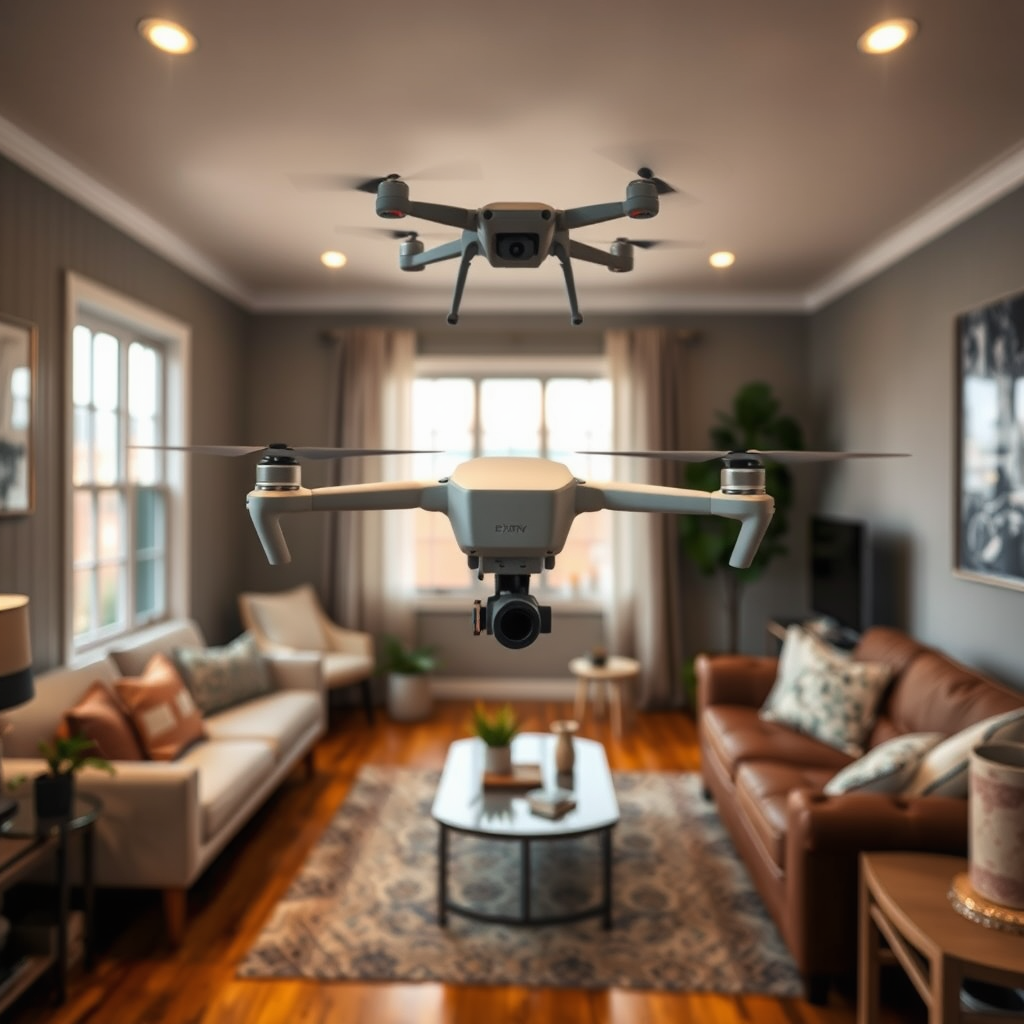
The Federal Aviation Administration (FAA) is the primary regulatory body overseeing drone usage in the United States. Understanding these regulations is crucial for any drone operator. The FAA mandates that drones must be flown below 400 feet in controlled airspace and that operators maintain visual line of sight with the drone at all times. This ensures that drones do not interfere with manned aircraft, which typically fly at higher altitudes.
Additionally, operators must adhere to the FAA’s guidelines on drone registration, which requires that all drones weighing more than 0.55 pounds be registered with the agency. Failure to comply with these regulations can result in fines and other penalties. Moreover, the FAA has designated no-fly zones, especially around airports, stadiums, and other sensitive areas, where flying a drone is strictly prohibited. Therefore, before flying your drone over your house, it is essential to familiarize yourself with the current FAA regulations and ensure you are operating within the legal framework.
Local Laws and Restrictions
In addition to federal regulations, it’s essential to investigate local laws and restrictions that may apply to drone usage in your area. Many municipalities have implemented specific ordinances that govern how and where drones can be flown, especially in residential neighborhoods. These local laws can vary widely; for example, some cities may require permits for drone flights, while others may outright ban them in certain parks or community spaces.
Furthermore, homeowners associations (HOAs) might have their own rules regarding drone usage. It is advisable to consult your local government websites or contact city officials to gather information about any local restrictions that may impact your ability to fly your drone over your house. Being aware of these regulations not only helps you avoid legal trouble but also demonstrates respect for community standards and values.
Safety Considerations
Safety should always be a priority when flying a drone. Before taking to the skies, ensure that your drone is in optimal working condition. This includes checking battery levels, propellers, and other essential components to prevent malfunctions during flight. Regular maintenance can significantly reduce the risk of accidents.
Moreover, being aware of your surroundings is crucial. Drones can pose risks to people, pets, and property if not operated carefully. For instance, if you are flying in a crowded neighborhood or near children playing outside, it is vital to keep a safe distance and maintain control of your drone at all times. Practicing situational awareness can help you avoid accidents and ensure a safe flying experience.
Additionally, consider the weather conditions before flying. Wind, rain, and other adverse weather conditions can affect your drone’s stability and control. It’s advisable to postpone your flight in inclement weather to avoid potential accidents and ensure a safe flight.
Privacy Issues
Flying a drone over someone else’s property raises significant privacy concerns. Many individuals may feel uncomfortable with a drone hovering over their homes, potentially capturing images or videos without their consent. To mitigate these concerns, it is essential to respect the privacy of your neighbors and avoid intrusive flights.
Consider discussing your drone flying activities with your neighbors, especially if you plan to fly for extended periods. Open communication can help alleviate concerns and foster a sense of community. Moreover, familiarizing yourself with the legal implications of privacy violations is crucial. In many jurisdictions, infringing on someone’s right to privacy can lead to legal repercussions, so it is advisable to avoid flying over private property without permission.
If you intend to capture aerial images or videos, consider obtaining consent from individuals who may be affected. This practice not only demonstrates respect for privacy but can also enhance your reputation as a responsible drone operator.
Insurance and Liability
Given the potential risks associated with drone flying, it is prudent to consider obtaining drone insurance. Many insurance companies offer specialized policies that cover damages to property, personal injury, and liability arising from drone operations. Having insurance can provide peace of mind, knowing that you are protected against unforeseen incidents.
Understanding your liability in case of accidents or injuries is equally important. If your drone were to crash into a neighbor’s property or cause injury to a bystander, you could be held financially responsible. Drone insurance can mitigate these risks and help cover legal expenses, should the need arise. It is advisable to thoroughly research insurance options and select a policy that best suits your needs as a drone operator.
Best Practices for Flying Drones
To ensure a positive experience for both yourself and your community, consider implementing the following best practices when flying your drone:
1. Notify Neighbors: It is courteous to inform your neighbors before conducting drone flights, especially if you plan to fly for an extended time. This proactive approach can help reduce misunderstandings and foster goodwill.
2. Designated Flying Times: Establish specific times for flying your drone that minimize disturbances to your neighbors. Early mornings or late afternoons are typically quieter times, making them ideal for drone operations without disrupting others.
3. Use Designated Flying Locations: Whenever possible, utilize designated drone flying areas, such as parks or open spaces. These locations are often equipped for drone usage and can help minimize potential conflicts with neighbors.
4. Follow the Rules: Always adhere to local regulations and FAA guidelines when flying your drone. This demonstrates your commitment to responsible drone ownership and enhances safety.
By implementing these best practices, you can enjoy your drone flying experience while being considerate of your neighbors and community.
In summary, flying your drone over your house is generally permissible, but it is crucial to stay informed about regulations, local laws, and best practices. Prioritizing safety, respecting privacy, and communicating openly with your neighbors will create a more enjoyable experience for all involved. By taking these considerations into account, you can confidently navigate the skies with your drone while fostering a positive relationship with your community.
Frequently Asked Questions
Can I fly my drone over my house without any restrictions?
Yes, you can generally fly your drone over your own house, as long as you comply with the Federal Aviation Administration (FAA) regulations and local laws. It’s important to ensure that you’re flying within the allowable altitude limits (usually below 400 feet) and maintaining visual line of sight with your drone. Additionally, be aware of any local ordinances or homeowner association rules that may impose restrictions on drone flight.
What are the legal considerations for flying drones over residential areas?
When flying drones over residential areas, it’s crucial to understand both federal and local laws. The FAA regulates airspace, allowing drone flights as long as they don’t interfere with manned aircraft. However, some states and municipalities have enacted specific laws regarding privacy and noise, which may affect your ability to fly over certain properties. Always check with your local authorities to ensure compliance with any applicable regulations.
How can I ensure I’m flying my drone safely over my house?
To ensure safe drone operation over your house, conduct a pre-flight check of your drone’s battery, propellers, and controls. Maintain a safe distance from structures and people, and avoid flying in adverse weather conditions. It’s also a good idea to familiarize yourself with your drone’s features, such as geofencing and return-to-home functions, to help prevent accidents during flight.
Why is it important to respect neighbors’ privacy when flying my drone over my house?
Respecting neighbors’ privacy is essential to maintaining good relationships and avoiding potential legal issues. Flying your drone over someone else’s property without permission can lead to complaints and accusations of invasion of privacy. Understanding and adhering to privacy laws ensures that you can enjoy your drone hobby while being considerate of those around you.
What are the best practices for flying a drone over my house?
The best practices for flying a drone over your house include always flying during daylight hours for improved visibility, maintaining a clear line of sight, and avoiding flying directly over people. Additionally, consider using a spotter to help monitor your surroundings and prevent accidents. Familiarizing yourself with your drone’s features and local regulations will further enhance your flying experience while ensuring safety and compliance.
References
- https://en.wikipedia.org/wiki/Drone_regulations
- https://www.faa.gov/uas/getting_started/part_107
- https://www.faa.gov/uas/
- https://www.nasa.gov/centers/langley/news/factsheets/Drone.html
- https://www.techrepublic.com/article/what-to-know-about-flying-drones-in-your-backyard/
- https://www.nytimes.com/2021/05/04/business/drone-regulations.html
- https://www.wired.com/story/drone-laws/
