

Yes, you can fly your drone over your neighborhood, but there are important regulations and safety considerations to keep in mind. Understanding these rules will help you enjoy your flying experience while staying within legal boundaries. Drones have become increasingly popular for recreational use, but as a responsible operator, it is essential to familiarize yourself with the laws that govern drone flight, especially in residential areas. This article will explore the essential aspects of flying drones in neighborhoods, including FAA regulations, local laws, safety measures, privacy concerns, best practices, and tips for responsible drone use.
Understanding FAA Regulations
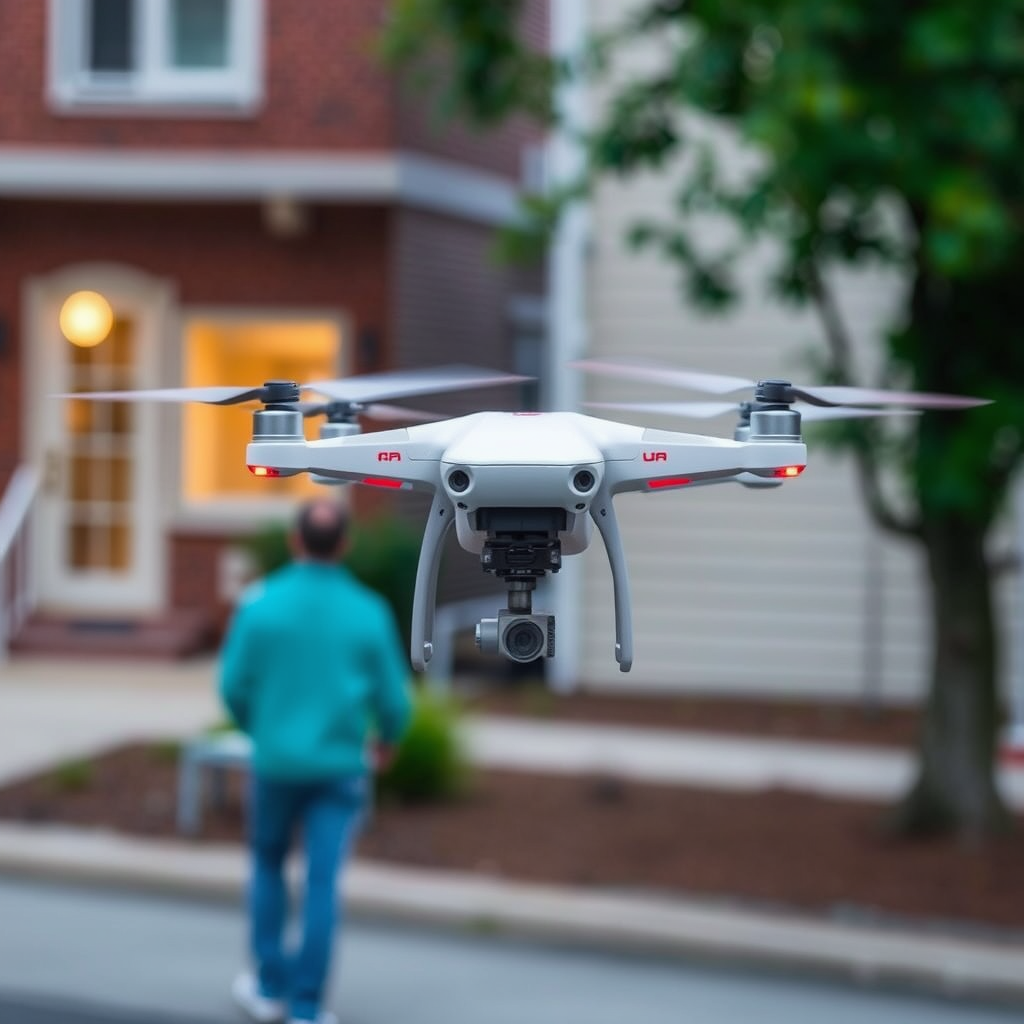
The Federal Aviation Administration (FAA) governs drone use in the U.S. and has established a set of regulations that all drone operators must follow to ensure safety in the airspace. One of the primary rules is that drones must be flown below 400 feet, which is the maximum altitude permitted for recreational flying. This height limitation is designed to prevent interference with manned aircraft that typically operate at higher altitudes.
Additionally, drones must remain within the operator’s line of sight. This means that the pilot must be able to see the drone at all times without the aid of binoculars or other visual enhancement devices. Maintaining visual line of sight is critical for avoiding collisions and ensuring that the drone does not stray into restricted airspace or private property.
Furthermore, it is essential to register your drone with the FAA if it weighs more than 0.55 pounds (250 grams). Registration is a straightforward process that can be completed online and helps to establish accountability for drone operators. Understanding and complying with FAA regulations is fundamental for a safe and lawful flying experience.
Local Laws and Ordinances
While the FAA provides overarching regulations for drone use, local governments may impose additional laws and ordinances that can restrict where and how you can fly your drone. It is crucial to check your city or county’s specific laws regarding drone flights before taking off. Some municipalities have enacted regulations that limit drone operations in certain areas, such as parks, schools, or near airports, which are often considered no-fly zones.
For example, cities like Los Angeles and New York have implemented stringent drone regulations, requiring permits for flights in certain areas or even banning drone usage altogether in densely populated neighborhoods. In contrast, more rural areas may have fewer restrictions, allowing for greater flexibility in drone operations.
Additionally, neighborhood associations may impose their own rules regarding drone flights, particularly in gated communities or subdivisions. Always be sure to review any homeowner association guidelines that may apply to your area, as violating these rules could lead to fines or other penalties.
Safety Measures to Consider
When flying your drone over your neighborhood, prioritizing safety is essential. Avoid flying over crowds or private property without explicit permission from the property owner. Not only does this respect the rights of others, but it also mitigates the risk of accidents or injuries.
Be mindful of potential obstacles in your flying area, such as trees, power lines, and buildings, which can pose hazards to your drone. Collisions with these structures can result in damage to your equipment and injuries to individuals on the ground. To enhance safety, consider using a drone equipped with obstacle avoidance technology, which can help prevent accidents by detecting and avoiding obstacles in real-time.
Additionally, always conduct a pre-flight check to ensure that your drone is in good working condition. This includes checking battery levels, propeller integrity, and ensuring that any software updates are completed. Taking these precautions can significantly reduce the risk of mishaps during your flight.
Privacy Concerns
Respecting the privacy of your neighbors is a critical aspect of flying drones responsibly. Avoid capturing video or images of individuals or their properties without consent, as this could lead to privacy complaints and potential legal repercussions. Many people may feel uncomfortable knowing that a drone is hovering over their property, even if you are not actively recording.
Understanding that flying over residences can lead to privacy complaints is vital. In some cases, this could escalate to legal action, particularly if a neighbor feels their privacy has been violated. It is best to communicate with your neighbors about your drone usage, and if possible, establish a mutual understanding regarding flight times and areas of operation.
Being proactive in addressing privacy concerns will foster goodwill in your neighborhood and promote a positive drone flying environment.
Best Practices for Flying Drones
To ensure a safe and enjoyable flying experience, adhere to best practices for drone operation. First and foremost, fly during daylight hours when visibility is optimal. This not only enhances your ability to see the drone and its surroundings but also reduces the risk of accidents.
Maintaining a safe distance from people and pets while operating your drone is crucial. The FAA recommends keeping at least 25 feet away from individuals who are not involved in the flight. This distance helps to prevent potential injuries or disturbances and fosters a respectful flying environment.
Be mindful of local events or gatherings that may draw larger crowds. Avoid flying in these situations or consider rescheduling your flights for quieter times. Additionally, consider using a designated flying area, such as parks or open fields, where drone use is permitted and where you can fly without disturbing others.
Tips for Responsible Drone Use
Educating yourself on drone etiquette is essential for responsible drone use. Joining local flying clubs can provide valuable insights, as members often share their experiences and knowledge about regulations, best practices, and social norms regarding drone operation. These clubs can also offer opportunities for networking and collaboration with other drone enthusiasts.
Stay updated with any changes in regulations or community guidelines by regularly checking the FAA’s official website and local government resources. Regulatory changes can occur frequently, and staying informed will help you remain compliant and avoid potential penalties.
Additionally, consider investing in drone insurance. While it may not be a legal requirement, having insurance can protect you from financial losses in the event of accidents, damage to property, or injuries to individuals.
In summary, while you can fly your drone over your neighborhood, it is crucial to adhere to FAA regulations and local laws, prioritize safety, and respect the privacy of others. Understanding the rules and best practices for drone operation will enhance your flying experience while fostering a positive relationship with your community. Always stay informed and fly responsibly to ensure a rewarding and hassle-free experience for yourself and your neighbors.
Frequently Asked Questions
What are the legal restrictions for flying a drone over my neighborhood?
The legal restrictions for flying a drone over your neighborhood vary by country and local regulations. In the United States, the Federal Aviation Administration (FAA) mandates that drone operators must fly below 400 feet, keep their drone within visual line of sight, and avoid flying over people unless they have the appropriate waivers. Additionally, many municipalities have their own rules regarding drone usage, so it’s essential to check local laws and ordinances before flying.
How can I ensure I fly my drone safely over residential areas?
To fly your drone safely over residential areas, start by conducting a pre-flight checklist that includes checking the weather, ensuring your drone is in good working condition, and confirming that you’re not violating any local regulations. Always maintain visual line of sight with your drone, avoid flying over large crowds, and be mindful of privacy concerns by not capturing images or videos of individuals without their consent. Following these safety precautions will help ensure a responsible flying experience.
Why is it important to check for local drone laws before flying over my neighborhood?
Checking local drone laws before flying over your neighborhood is crucial to avoid legal issues, fines, or even confiscation of your drone. Local regulations may impose specific restrictions on where and when you can fly, especially near airports, schools, or populated areas. Understanding these rules helps you fly responsibly and respect your neighbors’ privacy, ultimately fostering a positive relationship with the community.
What is the best practice for flying a drone near my home to avoid disturbing neighbors?
The best practice for flying a drone near your home to avoid disturbing neighbors is to fly during reasonable hours, typically avoiding early mornings or late evenings. Additionally, choose flight paths that are away from densely populated areas and keep your drone at a safe altitude. Communicating with your neighbors about your drone activities can also help mitigate any concerns they may have, leading to a more harmonious environment.
Which resources can I use to learn more about flying drones legally in my area?
To learn more about flying drones legally in your area, start by visiting the official FAA website, which provides comprehensive guidelines and regulations for drone operators in the U.S. You can also check local government websites for specific ordinances related to drone use. Online communities, forums, and drone clubs can also be valuable resources as they offer insights from experienced flyers and updates on any changes in regulations.
References
- https://www.faa.gov/uas/getting_started/know_before_you_fly
- https://www.faa.gov/uas/
- https://www.nytimes.com/2021/04/22/us/drone-regulations.html
- https://www.dji.com/education/faq
- https://www.nationalgeographic.com/science/article/drones-are-changing-the-way-we-see-the-world
- https://www.wired.com/story/drone-regulation-2021/
- https://www.nap.edu/catalog/26101/assessing-the-impacts-of-drones-on-society
- https://www.ama-assn.org/delivering-care/public-health/faa-drone-regulations-and-your-privacy
- https://www.archives.gov/research/information-management/drone-use-privacy-issues
