

Yes, you can generally fly your drone over your neighbor’s property, but there are important regulations and guidelines to consider. Understanding these rules can help you avoid disputes and legal issues. As drone technology continues to evolve, it has become increasingly popular among hobbyists and professionals alike. However, the intersection of drone usage and property rights can lead to confusion and conflicts. This blog post aims to provide clarity on the subject, exploring airspace regulations, property rights, local laws, best practices, insurance considerations, and conflict resolution strategies to ensure responsible drone operation.
Understanding Airspace Regulations
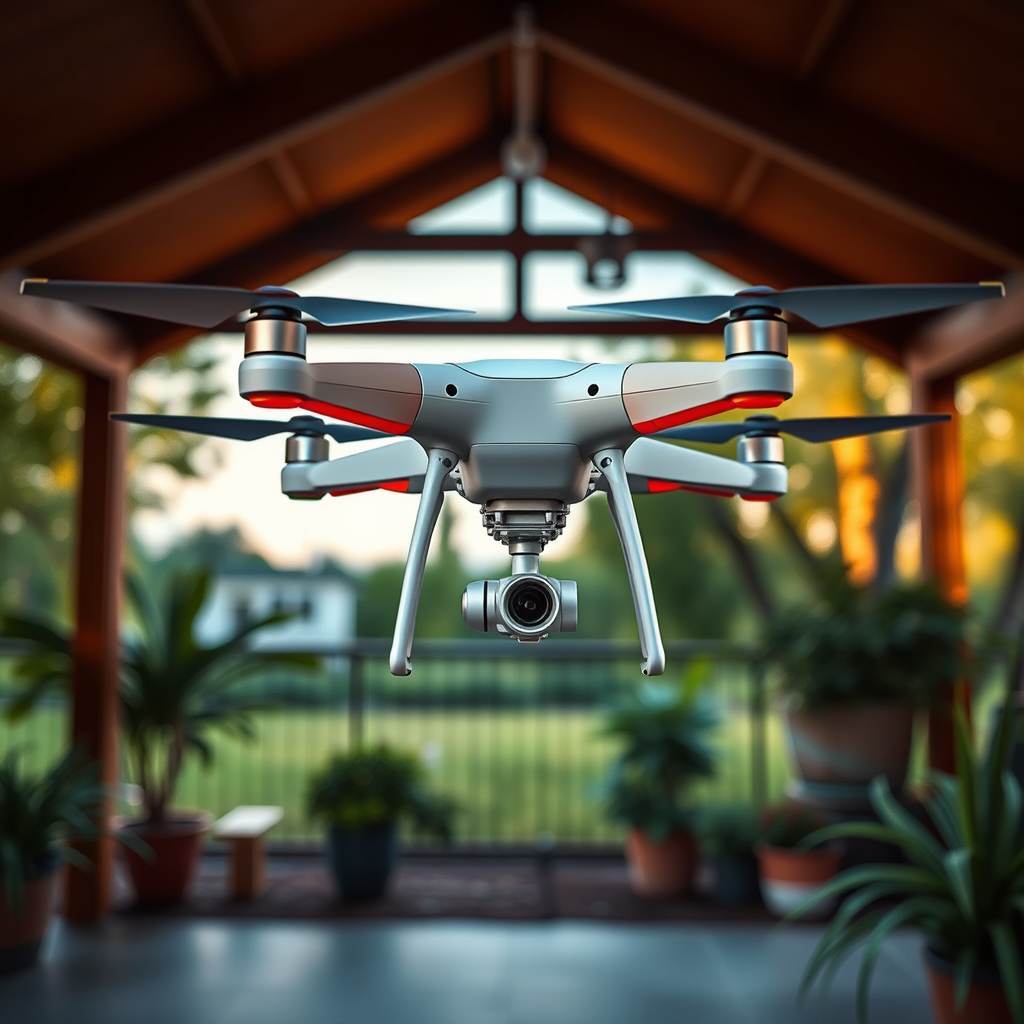
Drones typically operate within the national airspace system, which is regulated by the Federal Aviation Administration (FAA) in the United States. The FAA has established guidelines that govern how and where drones can be flown to maintain safety and order in the airspace. Generally, the FAA allows drone flights as long as they are below 400 feet and in uncontrolled airspace, which is not directly overseen by air traffic control. This altitude restriction is critical for preventing potential collisions with manned aircraft and ensuring that drone pilots maintain a safe distance from ground obstacles.
Additionally, the FAA requires drone operators to adhere to specific operational guidelines, such as not flying over people or moving vehicles without permission, and maintaining a visual line of sight with the drone at all times. Understanding these regulations is essential for drone enthusiasts, as violations can result in fines or other legal repercussions. By staying informed about these airspace regulations, drone operators can fly responsibly and minimize the risk of disputes with neighbors regarding their drone activities.
Property Rights and Airspace
Property owners do possess certain rights to the airspace above their land, but these rights are often limited to a specific altitude. In general, the “rule of free and unencumbered use” applies to the airspace above a certain height, typically around 500 to 1,000 feet, depending on local laws and regulations. Below this altitude, property owners may assert some rights over the airspace, which can complicate drone operations.
To avoid potential conflicts regarding aerial rights, it is crucial for drone operators to familiarize themselves with local laws and regulations that pertain to airspace usage. For example, some states have enacted laws that specifically address drone operations and property rights, granting homeowners the ability to restrict flights over their property. It is advisable for drone pilots to conduct thorough research and potentially consult with legal experts to understand the implications of these laws in their area.
Local Laws and Ordinances
Different municipalities may have specific laws regarding drone use, including the designation of no-fly zones. These regulations can stem from various concerns, such as privacy, safety, and environmental protection. For instance, many cities have established no-fly zones near airports, schools, and parks to ensure the safety of individuals and aircraft. Additionally, some local governments may have restrictions on flying drones in densely populated areas or during specific times of the day.
To ensure compliance with local laws, drone operators should check their local government’s website for any drone-specific regulations that may apply. Many municipalities provide resources detailing the legal framework for drone usage, including registration requirements, permits, and operational limitations. Staying informed about these ordinances can help drone pilots avoid legal issues and foster positive relationships with their neighbors.
Best Practices for Flying Drones
To maintain good relations with neighbors while flying drones, it is essential to adopt best practices that promote transparency and respect. One of the most effective strategies is to inform your neighbors about your drone activities. By communicating your plans, you can alleviate concerns they may have regarding privacy, noise, or safety. This proactive approach can help foster a sense of community and minimize the likelihood of disputes arising from misunderstandings.
Additionally, consider the timing and location of your drone flights. Avoid flying during early morning or late evening hours when noise could disturb your neighbors. When possible, choose open areas away from residential neighborhoods to conduct your flights, as this can significantly reduce potential conflicts. By being considerate of your neighbors’ schedules and preferences, you can create a more harmonious environment while enjoying your drone hobby.
Insurance and Liability Considerations
Obtaining drone liability insurance is a prudent step for drone operators, as it offers protection in case of accidents or damage caused to others. While many drone flights occur without incident, unforeseen accidents can happen, resulting in property damage or personal injury. Liability insurance can cover the costs of damages, medical expenses, and legal fees, thereby safeguarding drone operators from significant financial burdens.
Furthermore, understanding the legal implications of drone operations is crucial. If your drone causes damage to your neighbor’s property, you may be held liable for the costs associated with repairs or replacement. In some cases, liability claims can escalate into disputes that require legal intervention. By securing appropriate insurance coverage and being aware of the potential risks involved in drone flying, you can protect yourself and mitigate the impact of any unfortunate incidents.
Conflict Resolution Strategies
If a neighbor raises concerns about your drone, it is essential to approach the situation calmly and listen to their perspective. Open communication can often resolve issues before they escalate into formal disputes. Start by acknowledging their concerns and expressing your willingness to understand their point of view. This approach can help build rapport and demonstrate that you value their feelings.
Consider inviting the neighbor to discuss their concerns in person, which can facilitate a more productive dialogue. Offer to share information about your drone activities, including safety measures you take while flying. If necessary, be open to adjusting your flying schedule or locations based on their feedback. By fostering a cooperative atmosphere, both parties can find common ground and address concerns amicably.
In some cases, mediation may be necessary if disputes arise that cannot be resolved through direct communication. Local community organizations or mediation services can assist in facilitating discussions and finding solutions that work for both parties. Taking proactive steps to address concerns can help maintain harmony within your neighborhood and ensure a positive experience for all involved.
In conclusion, while you can fly your drone over your neighbor’s property, it is essential to be aware of regulations, local laws, and best practices to ensure a harmonious relationship. Understanding airspace regulations, property rights, and local ordinances can help you operate your drone responsibly and legally. Additionally, adopting courteous practices, securing appropriate insurance, and employing effective conflict resolution strategies will foster positive interactions with your neighbors. By staying informed and considerate of your neighbors’ rights and feelings regarding drone usage, you can enjoy your drone hobby while contributing to a peaceful community environment.
Frequently Asked Questions
Can I legally fly my drone over my neighbor’s property?
The legality of flying your drone over a neighbor’s property depends on local laws and regulations. In many areas, the Federal Aviation Administration (FAA) allows drone flights as long as they are within visual line of sight and at an altitude below 400 feet. However, trespassing laws may apply, so it’s essential to check local ordinances and consult with a legal expert or your local government to understand your rights and restrictions regarding drone use.
What are the potential consequences of flying my drone over my neighbor’s property?
Flying a drone over a neighbor’s property can lead to various consequences, including complaints from the neighbor, potential legal action, or fines for violating privacy or trespassing laws. In some cases, neighbors may feel their privacy is invaded, which could escalate to disputes. It’s advisable to communicate with your neighbors about your intentions to fly a drone and seek their permission to avoid misunderstandings.
How can I ensure I’m flying my drone legally and respectfully around my neighbor’s property?
To fly your drone legally and respectfully, start by familiarizing yourself with FAA regulations and any local drone laws. Additionally, consider flying only in open areas and at a safe distance from homes and people. It’s also beneficial to have an open conversation with your neighbors, informing them of your drone activities and obtaining their consent, which can help build goodwill and reduce potential conflicts.
Why do some people complain about drones flying over their property?
Complaints about drones flying over properties often stem from concerns over privacy, noise, and safety. Many individuals feel that drones intrude on their personal space and may worry about being recorded without consent. Additionally, the sound of drones can be disruptive, especially in quiet neighborhoods. Understanding these concerns can help drone operators fly responsibly and maintain positive relationships with their neighbors.
What should I do if my neighbor is flying a drone over my property?
If you notice a neighbor flying a drone over your property and it bothers you, the first step is to communicate your concerns directly to them. Politely express how the drone’s presence affects your privacy or comfort. If the situation does not improve, you may want to look into local laws regarding drone use and consider reporting the activity to local authorities if you believe it violates any regulations.
References
- https://www.faa.gov/uas/getting_started/registration
- https://www.nolo.com/legal-encyclopedia/drone-law-flying-over-private-property-29706.html
- https://www.theverge.com/2019/10/23/20928697/drone-flying-laws-property-rights-privacy
- https://www.ama-assn.org/delivering-care/public-health/drone-flying-rules-and-regulations
- https://www.consumerreports.org/drone-laws/what-you-need-to-know-about-drone-laws/
- https://www.usa.gov/elected-officials
- https://www.wired.com/story/drone-law-privacy-property-rights/
