
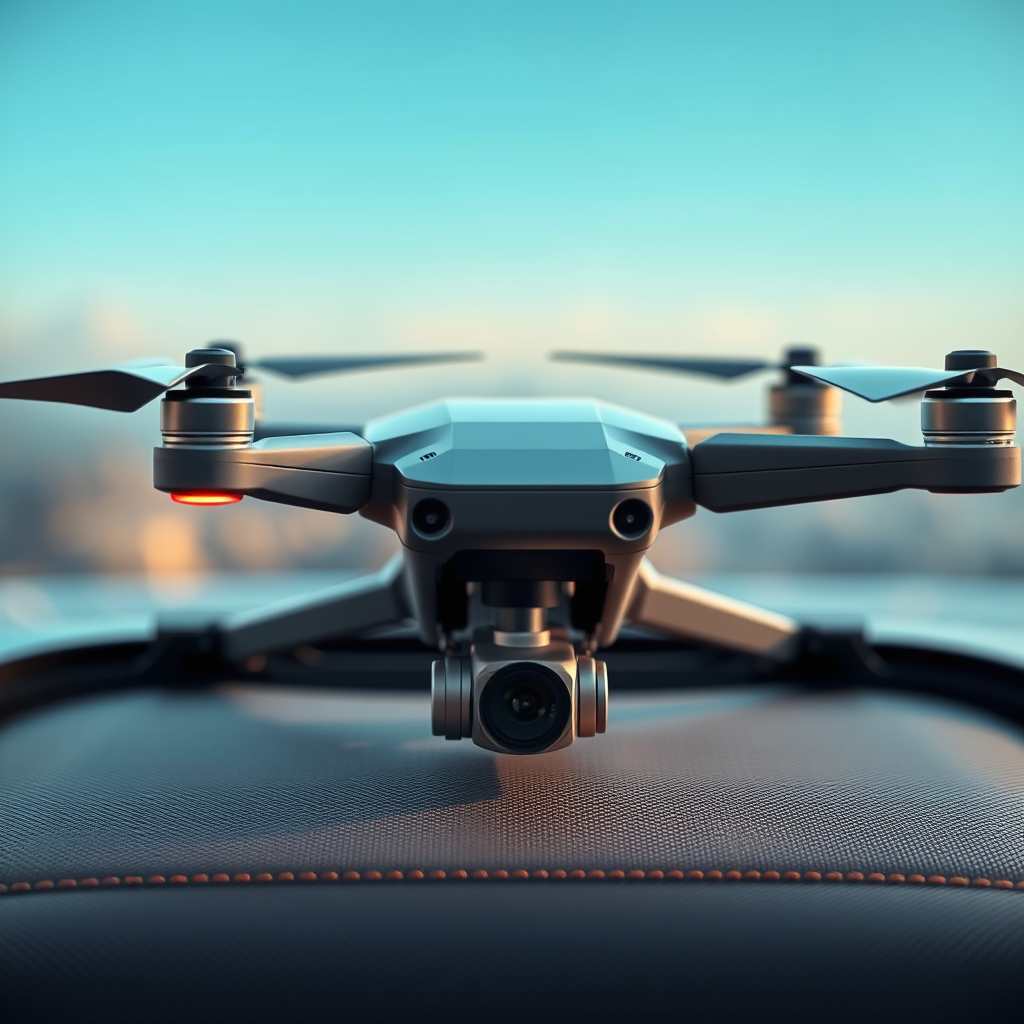
Yes, you can generally fly with a drone in your luggage, but there are specific regulations and guidelines you need to follow. Understanding airline policies, safety regulations, and best practices will help ensure a smooth travel experience with your drone. As drones become increasingly popular among travelers for capturing stunning aerial footage, it’s essential to be well-informed about the rules governing their transport. This article will provide comprehensive insights into the various aspects of traveling with drones, from airline policies to packing tips, ensuring you are fully prepared for your next adventure.
Airline Policies on Drones
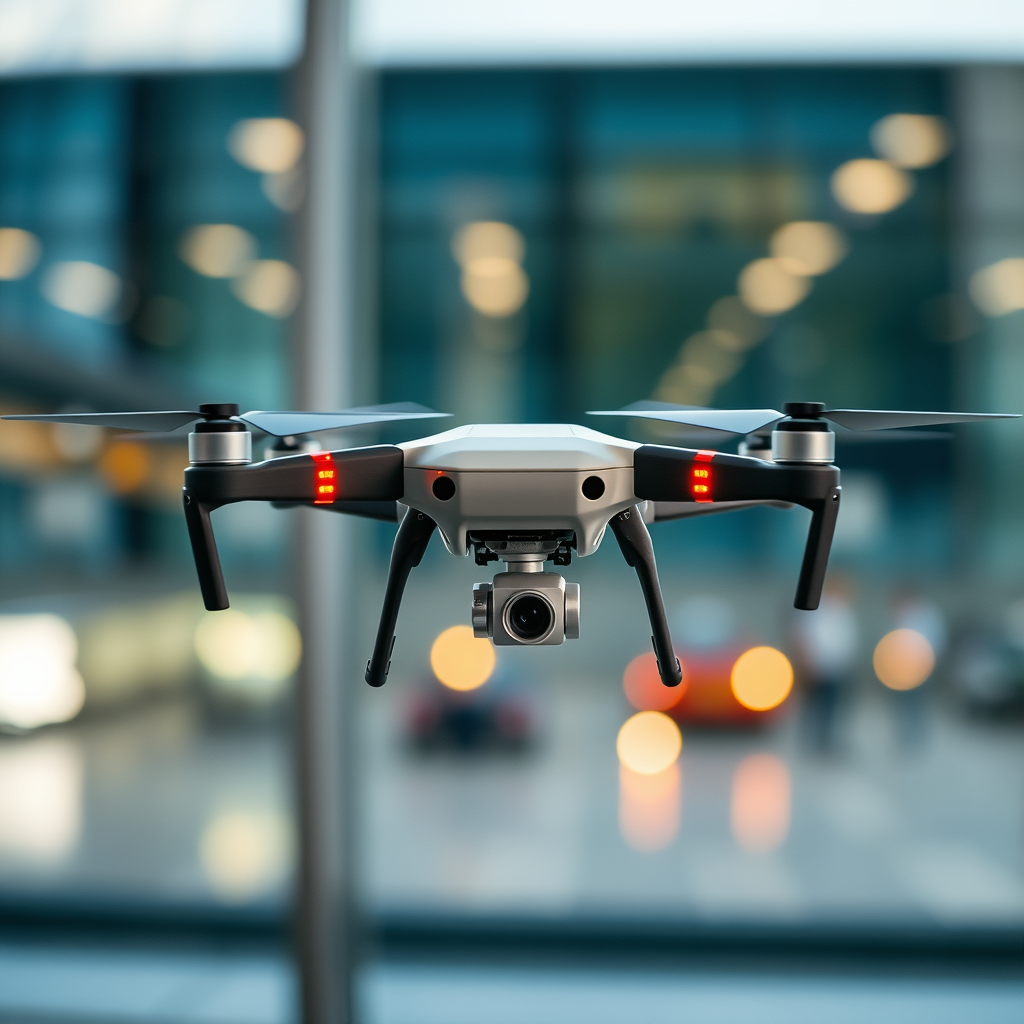
Different airlines have varying regulations regarding drones in luggage, which can significantly affect your travel plans. While many airlines allow drones to be included in both carry-on and checked baggage, specific size, weight, and battery restrictions may apply. For instance, some airlines require drones to be packed in hard cases or stipulate a maximum weight limit. Furthermore, airlines may have different policies concerning the transportation of lithium batteries, which are commonly used in drones.
To avoid any last-minute surprises that could disrupt your travel, it is essential to check your specific airline’s policy well in advance of your trip. Airlines like Delta, American Airlines, and United have detailed guidelines available on their websites. In addition, contacting customer service directly can provide clarity on any recent changes or nuances in their policies. Being proactive about understanding these regulations will help ensure a hassle-free travel experience.
TSA Guidelines for Drones
The Transportation Security Administration (TSA) allows drones in both carry-on and checked baggage, but there are specific guidelines you must adhere to for a smooth security screening process. Notably, lithium batteries, which power most drones, have stringent requirements due to their potential fire hazard. The TSA mandates that batteries must be stored in a way that prevents short-circuiting. This often means placing them in their original packaging or using a battery case.
When transporting your drone, ensure that the battery is either removed and carried in your carry-on luggage or packed according to the airline’s guidelines for checked baggage. The TSA typically limits the watt hours of lithium batteries to 100 watt-hours for carry-on items, while batteries exceeding this capacity may require special handling or be prohibited entirely. Always check the watt-hour rating on your battery and be prepared to present this information during the security screening process.
International Travel Considerations
When traveling internationally, it’s crucial to research drone regulations in your destination country, as laws can vary widely. Some countries have strict drone regulations, requiring permits for usage or even banning drones altogether in certain areas. For instance, in countries like Japan and the United Kingdom, there are specific requirements for drone registration, insurance, and usage restrictions that travelers must adhere to.
Failing to comply with local laws can result in significant fines or confiscation of your drone. Before traveling, check resources such as the local aviation authority or online forums for up-to-date information on drone regulations. Additionally, consider downloading apps that provide information on no-fly zones and airspace restrictions in your travel area. By being informed, you can avoid potential legal issues and ensure a positive experience with your drone abroad.
Packing Your Drone Safely
Proper packing of your drone is vital to prevent damage during transit. Using protective cases designed for drones can help shield them from impacts and rough handling that may occur during travel. Many manufacturers provide specially designed hard cases or soft padded bags that fit their models perfectly. Investing in one of these cases can save you from costly repairs and the inconvenience of a damaged drone upon arrival.
Additionally, when packing your drone, remove the batteries and carry them separately in accordance with airline policies. This not only complies with safety regulations but also reduces the risk of damage to your drone itself. Make sure to securely wrap the batteries and store them in a dedicated battery case to prevent any short circuits. Furthermore, label your packed drone case with your contact information in case it gets lost during transit.
Security Screening Process
Be prepared to remove your drone from your bag during security checks, as TSA agents often require a visual inspection. This means your drone should be easily accessible in your carry-on luggage. During the screening process, follow TSA instructions for any additional screening procedures, such as placing your drone in a separate bin for X-ray screening.
Familiarize yourself with the TSA’s rules regarding the transport of drones and their components. For example, if you are traveling with multiple batteries or accessories, be ready to explain their purpose and how they fit into your travel plans. Staying calm and cooperative during the screening process can help facilitate a smooth experience, ensuring that you can quickly move through security without unnecessary delays.
Tips for Traveling with Drones
To further enhance your travel experience with a drone, keep all documentation easily accessible. This includes drone registration, proof of insurance, and any necessary permits for drone operation in your destination country. Having these documents on hand can assist in addressing any questions authorities may have regarding your equipment.
Additionally, consider travel insurance that covers drone-related incidents. Many standard travel insurance policies do not cover drone-related damages or losses, so look for specialized drone insurance options. This coverage can protect you against theft, loss, or accidental damage to your drone while traveling, providing peace of mind as you embark on your journey.
In conclusion, flying with a drone in your luggage is indeed possible, but it requires careful attention to airline policies, TSA regulations, and international laws. By being diligent in your research and following the outlined guidelines, you can pack and travel with your drone effectively. With thoughtful preparation, you can embark on your travels equipped to capture breathtaking aerial footage, making your adventures all the more memorable.
Frequently Asked Questions
Can I travel with my drone in my luggage?
Yes, you can travel with your drone in your luggage, but there are specific regulations you must follow. It’s advisable to carry your drone in your carry-on bag rather than checked luggage to avoid damage and ensure easier access during security checks. Always check the airline’s policies regarding drones, as some may have restrictions on battery sizes or specific models.
What are the regulations for flying a drone in different countries?
Drone regulations vary significantly from country to country, affecting where and how you can fly your drone. Before you travel, research the specific laws and regulations of your destination. Some countries require registration, pilot certification, or may have designated no-fly zones, so it’s crucial to familiarize yourself with these rules to avoid legal issues.
How should I pack my drone for air travel?
To pack your drone for air travel, disassemble any removable parts such as propellers and pack them securely to prevent damage. Use a padded case designed for drones to protect it during transit, and ensure that batteries are stored separately and comply with airline regulations, often requiring them to be in carry-on luggage and under a specific watt-hour limit.
Why do airlines have restrictions on drone batteries?
Airlines have restrictions on drone batteries primarily for safety reasons, as lithium-ion batteries can pose fire hazards if damaged or short-circuited. The International Air Transport Association (IATA) has guidelines that limit the watt-hour rating of batteries in carry-on luggage, usually capping it at 100 watt-hours without requiring special permission, to minimize risks during air travel.
What should I do if my drone gets damaged during travel?
If your drone gets damaged during travel, the first step is to document the damage with photos and gather any relevant paperwork, such as your boarding pass and baggage claim ticket. Report the damage to the airline’s customer service immediately, as most airlines have policies to compensate for damaged luggage. Additionally, check if your travel insurance covers drone damage for potential reimbursement.
References
- https://www.faa.gov/uas/traveling_with_your_drone
- https://www.cnet.com/news/can-you-fly-with-a-drone-in-your-luggage/
- https://www.nytimes.com/2020/07/07/travel/drone-airport-security.html
- https://www.tsa.gov/travel/security-screening/whatcanibring/items/drone
- https://www.dronepilotgroundschool.com/can-i-fly-my-drone-on-an-airplane/
- https://www.wired.com/story/flying-with-a-drone/
- https://www.reuters.com/article/us-drone-travel-idUSKBN2A22A2
- https://www.airlines.org/drones-and-air-travel/
- https://www.theguardian.com/technology/2021/jul/18/flying-with-drones-airlines-security-regulations
