
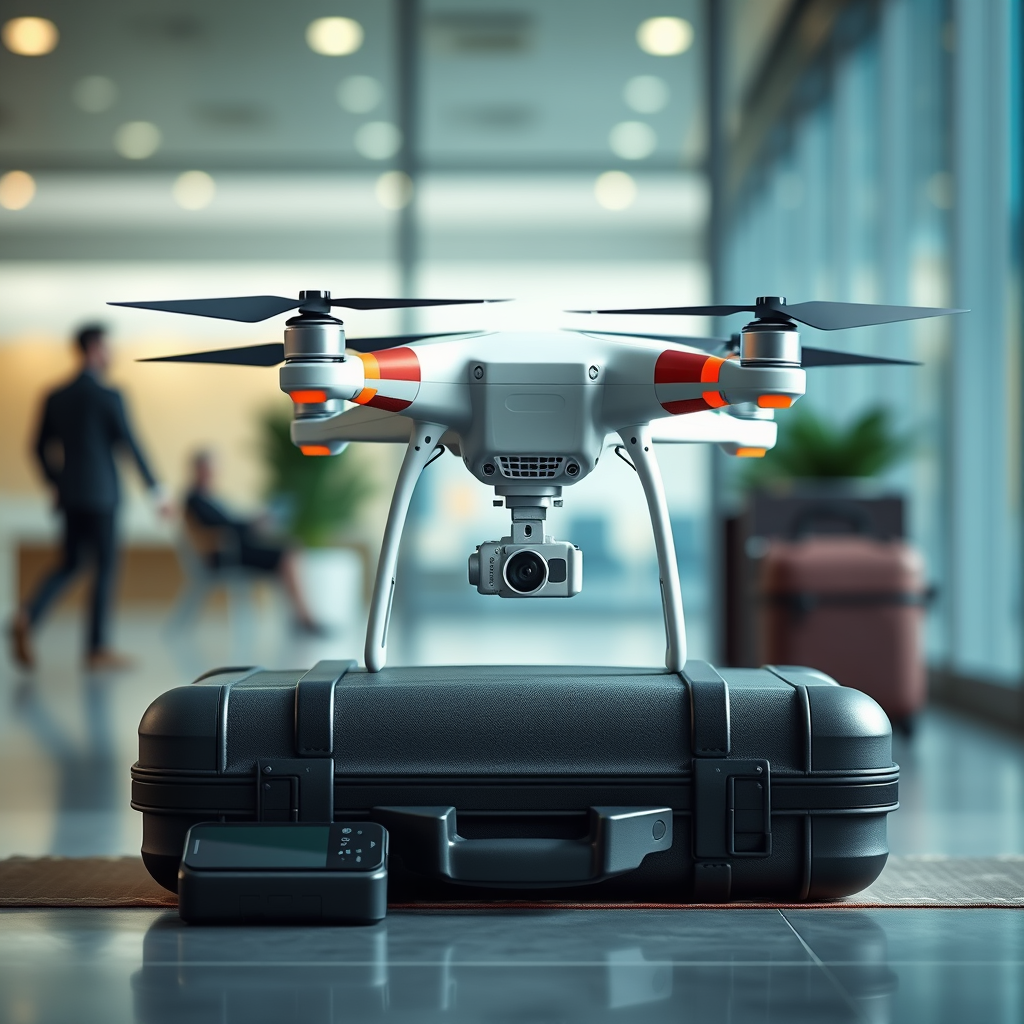
Yes, you can generally put a drone in your checked luggage, but there are important considerations to keep in mind. Airlines and countries have specific regulations regarding the transportation of drones, particularly concerning batteries and safety protocols. Familiarizing yourself with these guidelines is essential for a smooth travel experience with your drone, ensuring compliance with airline policies while safeguarding your equipment.
Airline Regulations
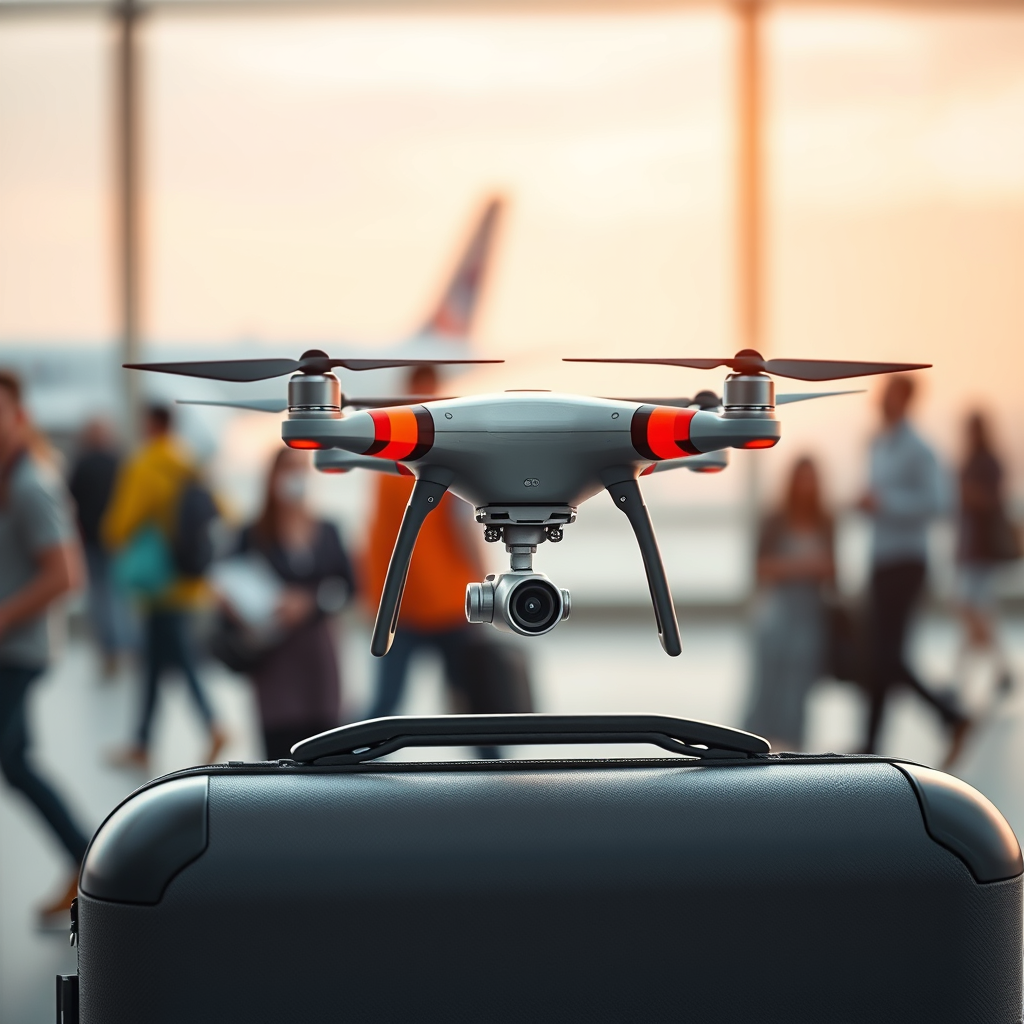
When traveling with a drone, it’s crucial to understand that different airlines have varying policies regarding their transport in checked luggage. Some airlines may permit drones in checked bags, while others may restrict or prohibit them altogether. For instance, Delta Air Lines and American Airlines allow drones in checked luggage under specific conditions, while others may only allow them in carry-on baggage. It is advisable to check the specific airline’s website or contact customer service for detailed rules before your trip. This proactive approach can help avoid unexpected issues at the airport, such as last-minute repacking or confiscation.
In addition to airline policies, pay attention to the size and weight of your drone. Some airlines impose weight limits on checked luggage, and exceeding these limits could lead to additional fees. Furthermore, if your drone has a detachable camera or other components, inquire whether they should be packed separately or can remain attached during transit. Being informed about these regulations can streamline your travel process.
Battery Restrictions
One of the most critical aspects of traveling with a drone is understanding battery restrictions, particularly regarding lithium batteries. Lithium-ion batteries are commonly used in drones due to their high energy density, but they are also subject to stringent regulations for safety reasons. Most airlines require that batteries exceeding a certain watt-hour (Wh) rating be carried in the cabin rather than checked luggage. Typically, batteries rated at over 100 Wh are not allowed in checked bags, while those between 100 Wh and 160 Wh may require special handling and approval.
For example, many drone batteries fall within the range of 2S to 6S configurations, translating to ratings that can easily exceed 100 Wh. Therefore, it is essential to check your drone’s battery specifications before packing. Additionally, airlines often require that batteries be protected from short-circuiting, which can be achieved by covering battery terminals with tape or placing them in specialized battery bags. Familiarizing yourself with these battery regulations helps ensure compliance and enhances safety during your journey.
International Travel Considerations
If you’re traveling internationally with your drone, be aware that customs regulations can vary significantly from country to country. Some nations may impose restrictions on the importation of drones, requiring permits or registrations. For instance, countries like Canada and Australia have specific regulations governing drone use, including registration for drones above a certain weight. Before you depart, research the regulations of your destination country to avoid any legal complications upon arrival.
In addition to regulations regarding drone importation, consider the local laws governing drone operation. Many countries have strict guidelines regarding where and how drones can be flown, and failing to adhere to these laws can result in fines or confiscation of your drone. For example, in places like Japan, flying a drone near airports or over populated areas is heavily restricted. It’s advisable to familiarize yourself with these regulations and, if necessary, obtain any required permits before you travel.
Packing Your Drone Safely
To ensure that your drone arrives at your destination without damage, proper packing is essential. Use a hard case or padded bag specifically designed for drone transport. These cases offer robust protection against impacts while also being lightweight enough to comply with airline weight restrictions. When packing your drone, disassemble any detachable parts such as propellers and landing gear to minimize the risk of damage during transit.
Secure all components, including batteries and accessories, using foam inserts or bubble wrap to prevent movement within the case. It’s also wise to label your drone case clearly, as this can help airport staff identify it during security checks. In addition, consider using a combination lock on your case to deter theft. By taking these precautions, you can protect your investment and ensure that your drone is ready for use upon arrival at your destination.
Insurance and Liability
Traveling with a drone comes with various risks, including damage, theft, or loss. Therefore, it is prudent to consider travel insurance that covers these potential issues. Some insurance policies specifically cover drones and related equipment, offering peace of mind during your travels. Before purchasing insurance, review the terms and conditions to ensure that it covers both domestic and international travel.
Moreover, understanding your liability as a drone owner while traveling is crucial, especially in foreign countries. If your drone causes property damage or personal injury, you could be held liable under local laws. Some countries have stringent regulations regarding drone operation, and violating these laws can result in hefty fines or legal action. To mitigate risks, ensure that you are aware of the regulations governing drone use in your destination country and operate your drone responsibly.
Tips for Smooth Travel
To facilitate a seamless travel experience with your drone, consider the following tips. Arrive at the airport early to account for any security checks or questions regarding your drone. Security personnel may need additional time to inspect your luggage, especially if you are carrying batteries or other electronic components. Having your drone’s documentation handy, including receipts, user manuals, and any necessary permits, can expedite the security process.
Additionally, consider joining drone forums or online communities where fellow travelers share their experiences. These platforms can provide valuable insights and tips specific to various airlines and countries. By engaging with other drone enthusiasts, you can glean information that may not be readily available in official documents or airline websites. Preparation and awareness are key to ensuring that your travel experience with your drone is as smooth as possible.
In conclusion, while you can put a drone in your checked luggage, it is essential to be aware of airline regulations, battery restrictions, and international travel rules. Understanding these guidelines, along with proper packing and insurance considerations, will help ensure a hassle-free journey. By taking the time to prepare and familiarize yourself with the necessary protocols, you can enjoy your travels and make the most of your drone experience. Safe travels and happy flying!
Frequently Asked Questions
Can I put a drone in my checked luggage?
Yes, you can put a drone in your checked luggage, but there are specific guidelines you need to follow. Most airlines allow drones in checked baggage, but it’s essential to check with your airline for their specific policies regarding batteries, as lithium-ion batteries have strict regulations. Additionally, it’s wise to pack your drone securely to avoid damage during transit.
What are the regulations for taking a drone on a plane?
The regulations for taking a drone on a plane vary by airline and country, but generally, you can pack drones in either carry-on or checked luggage. However, most airlines require that lithium batteries be carried in your carry-on luggage due to fire risks. Always check the TSA guidelines and your airline’s policies before traveling, as these regulations can change.
How should I pack my drone for checked luggage?
To pack your drone for checked luggage safely, start by removing the batteries and storing them in a protective case, as they should be carried in your carry-on. Use a padded case for your drone to prevent damage from impact during travel, and consider using bubble wrap or foam padding around sensitive parts. Label your luggage clearly, and ensure that all components are securely fastened to avoid movement inside the bag.
Why can’t I carry my drone batteries in checked luggage?
You cannot carry drone batteries in checked luggage primarily due to safety concerns, as lithium-ion batteries pose a fire hazard. If a battery were to malfunction or short-circuit in the cargo hold, it could lead to a dangerous situation. Therefore, airlines and aviation authorities recommend transporting these batteries in your carry-on luggage, where they can be monitored more easily.
What should I do if my drone is damaged during travel?
If your drone is damaged during travel, the first step is to report the damage to the airline immediately before leaving the airport. Make sure to document the damage with photographs and keep all receipts and tags related to your luggage. Most airlines will require you to fill out a claim form, and having proper documentation will support your case for compensation or reimbursement for repairs.
References
- https://www.faa.gov/uas/training_education/faq
- https://www.tsa.gov/travel/security-screening/transporting-sports-equipment
- https://www.npr.org/sections/thetwo-way/2016/12/05/504345961/tsa-says-you-can-take-drones-on-airplanes-but-with-rules
- https://www.wired.com/story/drone-flying-tips-air-travel/
- https://www.faa.gov/uas/getting_started/registration/
- https://www.nytimes.com/2019/07/01/travel/drone-air-travel.html
- https://www.theguardian.com/technology/2017/apr/17/drone-air-travel-tips-rules-regulations
