
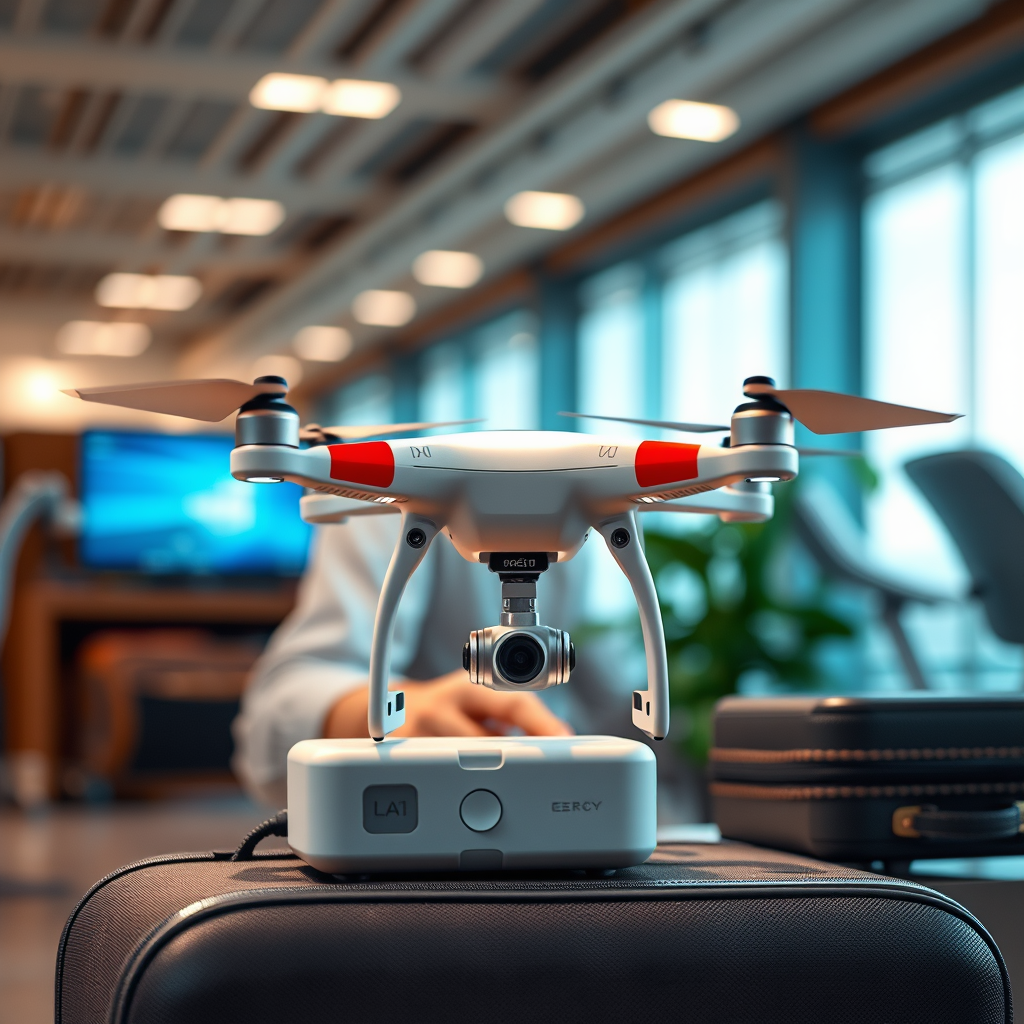
Yes, you can put drone batteries in checked luggage, but there are important regulations and safety guidelines to follow. Understanding these rules is essential not only for ensuring the safety of your belongings but also for complying with airline policies and government regulations. Failing to adhere to these guidelines can lead to delays, fines, or even the confiscation of your batteries. In this article, we will delve deeper into the nuances of traveling with drone batteries, exploring airline regulations, battery capacity limits, safety precautions, TSA guidelines, international considerations, and alternative options for transporting batteries.
Understanding Airline Regulations
When it comes to traveling with drone batteries, it is crucial to be aware that different airlines have varying policies regarding the transport of batteries in checked luggage. Some airlines may allow drone batteries, while others might have restrictions in place that could prevent you from packing them in your checked bags. Therefore, it is advisable to check the specific guidelines provided by your airline prior to packing for your trip.
For instance, American Airlines allows lithium-ion batteries under 100 watt-hours in checked luggage but prohibits batteries exceeding that capacity. Conversely, Delta Airlines has similar stipulations, but they also emphasize that passengers should avoid placing any battery-powered devices in checked luggage when possible. By doing your due diligence and reviewing your airline’s policies, you can avoid unnecessary complications at the airport.
Battery Capacity Limits
A critical factor to consider when transporting drone batteries is their capacity, measured in watt-hours (Wh). Generally, lithium-ion batteries with a capacity greater than 100 watt-hours are often prohibited in checked luggage. Most consumer-grade drone batteries, such as those used in popular models like the DJI Mavic series, typically fall below this threshold, ranging from 20 to 40 watt-hours, making them permissible for checked luggage under many airline policies.
However, it is essential to double-check the specifications of your specific drone battery. Some high-performance drones come equipped with batteries exceeding the 100 Wh limit, which would require alternative arrangements for transport, such as carrying them in your hand luggage. The Federal Aviation Administration (FAA) and similar regulatory bodies provide guidelines on battery capacities, so reviewing these can offer additional clarity.
Safety Precautions for Packing Batteries
Ensuring the safety of drone batteries while traveling is paramount. To prevent short circuits and potential hazards such as fires, utilizing protective cases is a recommended best practice. These cases are designed to cushion the batteries and prevent them from coming into contact with other metal objects that could lead to a short circuit.
Additionally, an effective method for ensuring safety is to tape the terminals of the batteries or use their original packaging. This not only protects the terminals from accidental contact but also provides an added layer of security during transit. Investing in high-quality battery cases and taking these precautions can significantly reduce the risk of incidents during your journey.
TSA Guidelines for Traveling with Batteries
The Transportation Security Administration (TSA) has established guidelines for traveling with batteries that all passengers should be aware of. While the TSA does permit lithium-ion batteries in checked luggage, they recommend carrying batteries in carry-on luggage whenever possible. This recommendation stems from safety concerns, as batteries can be monitored more closely in the cabin, where crew members can respond quickly to any potential issues.
For the latest updates and tips regarding battery transport, it is advisable to review the TSA’s official website. They provide comprehensive information on what is allowed and prohibited in both checked and carry-on luggage, including details on battery sizes, types, and quantities. Familiarizing yourself with these guidelines can help ensure a seamless experience at airport security checkpoints.
International Travel Considerations
Traveling internationally with drone batteries adds another layer of complexity, as different countries may enforce stricter regulations regarding battery transport. For example, some countries may have outright bans on lithium batteries in checked luggage, while others might only permit them under certain conditions. It’s essential to research the specific requirements of your destination country to avoid any fines or confiscation of your batteries upon arrival.
Additionally, consider customs regulations that may apply when traveling with batteries, especially in regions with stringent import laws. Understanding the local laws and regulations can help you navigate potential challenges and ensure compliance during your travels.
Alternatives to Checked Luggage
Given the complexities associated with traveling with drone batteries, you might want to consider carrying them in your carry-on luggage for added safety. This option not only aligns with TSA recommendations but also allows you to keep a close eye on your valuable equipment throughout your journey.
If you are traveling internationally and are concerned about the regulations surrounding battery transport, evaluate the convenience of shipping batteries separately to your destination. Some shipping services specialize in handling lithium batteries and can ensure they arrive safely and in compliance with international shipping laws. This approach can alleviate the burden of navigating airport regulations and potentially save you from the hassle of dealing with customs.
In conclusion, while you can pack drone batteries in checked luggage, it is crucial to adhere to airline and TSA regulations to ensure a smooth travel experience. Always verify specific guidelines prior to your trip, particularly for international travel, and consider carrying batteries in your hand luggage when possible. By following these best practices, you can safeguard your equipment and enjoy your journey without unnecessary complications.
Frequently Asked Questions
Can I put drone batteries in checked luggage when flying?
Generally, most airlines and aviation authorities, including the FAA and IATA, prohibit lithium-ion batteries over a certain watt-hour rating from being placed in checked luggage. Instead, it is recommended to carry drone batteries in your carry-on baggage. This is primarily for safety reasons, as lithium batteries can pose a fire risk if damaged or short-circuited.
What type of drone batteries are allowed in checked baggage?
While most lithium-ion batteries should not be placed in checked luggage, smaller batteries (typically under 100 watt-hours) may be allowed in checked baggage, but this varies by airline. However, it’s best to check the specific airline’s regulations as policies can differ significantly. Always opt to carry batteries in your hand luggage for maximum safety and compliance.
How should I pack drone batteries in my carry-on luggage?
When packing drone batteries in your carry-on luggage, ensure that each battery is stored in a protective case or pouch to prevent short circuits. It’s advisable to use battery terminal covers or tape to cover the terminals. Additionally, keep the batteries at a charge level between 30% to 50% to minimize risks during transport.
Why are drone batteries restricted in checked luggage?
Drone batteries, particularly lithium-ion types, are restricted in checked luggage due to the potential fire hazard they pose. If a battery is damaged or overheats, it can lead to thermal runaway, resulting in a fire. By requiring these batteries to be carried in the cabin, airlines can monitor and manage any issues more effectively.
Which airlines have specific rules about carrying drone batteries?
Most major airlines, including American Airlines, Delta, and United, have specific policies regarding the transport of drone batteries. These rules often align with international safety standards, but it’s crucial to check directly with the airline before traveling. Each airline’s guidelines may outline limits on battery size, quantity, and packing requirements, ensuring compliance with safety regulations.
References
- https://www.faa.gov/uas/getting_started/fly_for_fun/#:~:text=Battery%20Restrictions&text=You%20can%20bring%20your%20drone%20batteries%20in%20your%20carry-on%20baggage%20if%20they%20meet%20certain%20requirements
- https://www.tsa.gov/travel/security-screening/whatcanibring/items/drone-batteries
- https://www.transportation.gov/briefing-room/blog/what-you-need-know-about-flying-drone-batteries
- https://www.cnet.com/news/drone-batteries-flying-with-drones/
- https://www.reuters.com/article/us-faa-drones-idUSKCN1C02R2
