
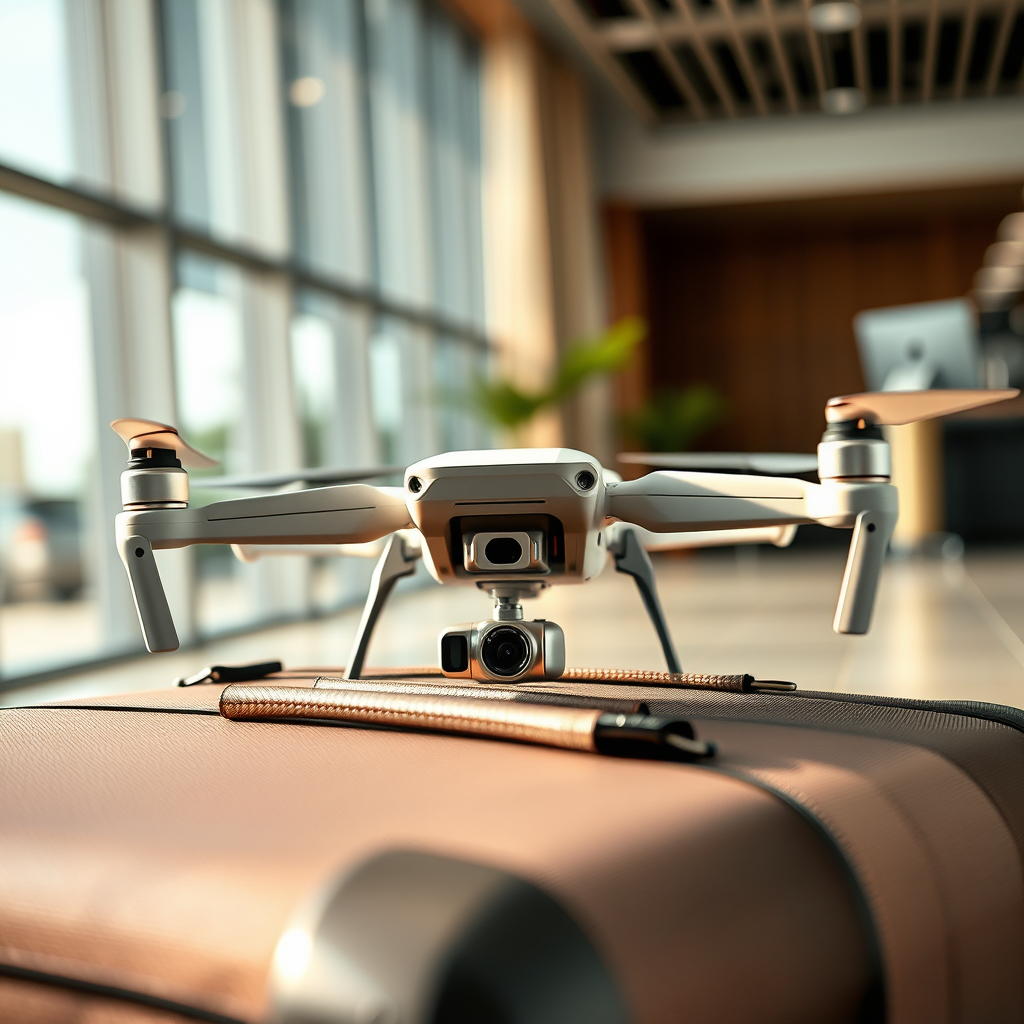
Yes, you can put your drone in checked luggage, but there are specific regulations and guidelines you need to follow. Understanding these rules will help ensure a smooth travel experience without risking damage to your drone or facing issues at airport security. As drone usage continues to rise, many enthusiasts are eager to capture breathtaking aerial shots while traveling. However, it’s crucial to navigate the complexities of airline policies, battery regulations, and security procedures to ensure your drone arrives safely and legally at your destination.
Understanding Airline Policies
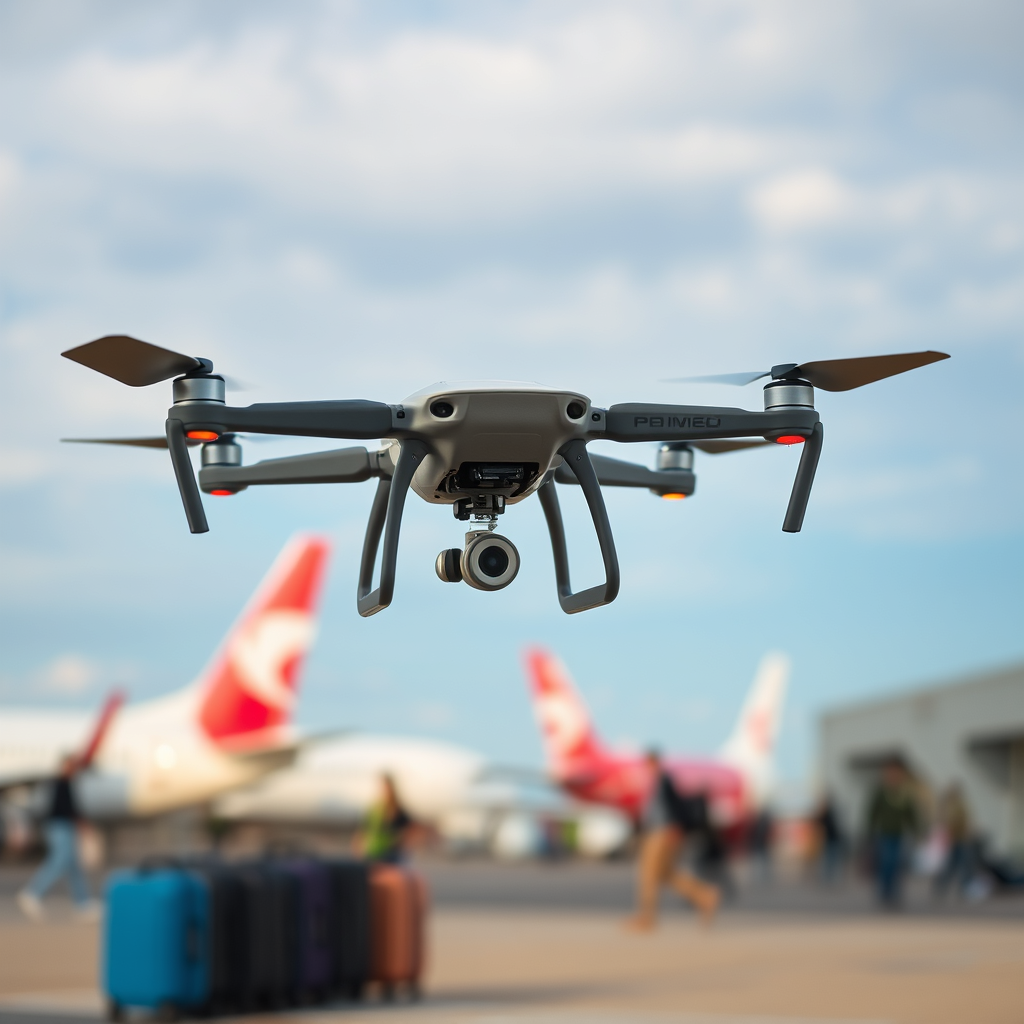
Different airlines have varying rules regarding drones in checked luggage. While most airlines permit the transport of drones, they often have strict guidelines about their size, weight, and battery specifications. For instance, some airlines may limit the size of the drone to a certain dimension or weight to accommodate their baggage policies. Additionally, airlines like American Airlines and Delta have specific instructions regarding the transportation of drones and their batteries. Always check the airline’s website or contact customer service for the latest regulations to avoid any surprises at the airport. It’s also wise to familiarize yourself with any additional fees that may apply for oversized baggage or special handling.
Battery Regulations
Lithium batteries, commonly used in drones, have strict shipping regulations due to their potential hazards. The Federal Aviation Administration (FAA) and the International Air Transport Association (IATA) have established guidelines that classify lithium batteries as dangerous goods. For this reason, make sure to carry any spare batteries in your carry-on luggage, as most airlines do not allow lithium batteries in checked bags. Typically, batteries with a capacity of 100 watt-hours or less can be transported in carry-on luggage without special permissions, but those between 101 and 160 watt-hours usually require airline approval. It’s essential to check your drone’s battery specifications to determine the appropriate handling and transport methods.
Packaging Your Drone for Travel
To ensure your drone survives the rigors of air travel, use a protective case designed specifically for drones. These cases often come with custom foam inserts that secure the drone and its components, preventing damage during transit. When packing your drone, double-check that all parts, including propellers, are securely fastened or removed entirely to avoid movement and potential breakage. You might also consider wrapping delicate components in bubble wrap or soft cloth for added protection. Furthermore, a well-organized case can help you comply with security requirements, as it allows for easier inspection at checkpoints.
Security Screening Procedures
Be prepared for additional screening at security checkpoints when traveling with a drone. Airport security personnel may require you to remove the drone from its packaging for inspection. To expedite the process, ensure that your drone and its accessories are easily accessible in your luggage. It may also help to familiarize yourself with the screening procedures of your departure airport, as these can vary significantly. For example, some airports may have dedicated lines for travelers with electronic devices, which can help speed up the security process. Always remain patient and cooperative, as security personnel are tasked with ensuring the safety of all passengers.
International Travel Considerations
When traveling internationally with your drone, it’s imperative to research the drone regulations in your destination country. Some countries have specific restrictions on drone usage, including height limitations, no-fly zones, or outright bans on drones. For instance, places like Iceland and Canada have laws that require drone operators to register their devices, while others may necessitate obtaining permits for commercial use. Additionally, customs regulations may dictate how you can transport your drone and whether you need to declare it upon arrival. Failing to comply with local laws can lead to fines or confiscation of your drone, so thorough preparation is key.
Tips for Safe Travel with Your Drone
To enhance your travel experience with your drone, consider labeling your drone case with your contact information. This step can be particularly useful in case your luggage gets lost or misplaced. Additionally, keep important documents, such as your drone registration, insurance, and any necessary permits, easily accessible. Having these documents on hand can help resolve any issues that may arise at customs or upon arrival at your destination. It’s also wise to stay informed about any changes in airline policies or regulations regarding drone travel, as these can evolve rapidly. Keeping abreast of industry news can help you travel with peace of mind.
In conclusion, while you can check your drone in luggage, it’s essential to follow airline guidelines and regulations regarding batteries and packaging. Doing so will help you travel with peace of mind and ensure your drone arrives safely at your destination. Always stay informed about the latest travel rules to avoid any complications and enjoy capturing stunning aerial shots on your adventures. Whether you’re a hobbyist or a professional drone operator, understanding these logistics will enhance your travel experience and allow you to focus on your passion for aerial photography.
Frequently Asked Questions
Can I put my drone in my checked luggage when flying?
Yes, you can put your drone in your checked luggage, but there are specific regulations you should be aware of. Most airlines allow drones in checked bags, but it’s crucial to check with your airline for their specific policies. Additionally, be cautious about battery regulations, as lithium batteries must typically be carried in your carry-on luggage due to fire hazards.
What are the restrictions for carrying drone batteries in checked luggage?
When traveling with a drone, the restrictions on batteries are quite strict. Lithium-ion batteries, which most drones use, are often not allowed in checked luggage if they exceed a certain watt-hour rating (generally over 100Wh). It’s recommended to carry spare batteries in your carry-on luggage, as they need to be readily accessible in case of emergencies.
How can I safely pack my drone for checked luggage?
To ensure your drone arrives safely in checked luggage, consider using a padded case or a hard-shell drone bag. Secure the drone and its components to prevent movement during transit, and remove propellers to minimize damage risk. Additionally, make sure all batteries are disconnected and stored according to airline regulations to avoid any safety concerns.
Why is it important to check airline policies about traveling with a drone?
Checking airline policies about traveling with a drone is crucial because each airline has different rules regarding size, weight, and battery restrictions. Understanding these policies can help you avoid unexpected fees, delays, or even confiscation of your drone at the airport. Compliance with both airline and TSA regulations ensures a smoother travel experience.
Which airlines allow drones in checked luggage?
Most major airlines, including Delta, American Airlines, and United, generally permit drones in checked luggage; however, they each have specific guidelines regarding size, weight, and battery handling. It’s best to visit the airline’s official website or contact customer service directly for the most accurate and up-to-date information on their drone policies.
References
- https://www.faa.gov/uas/travel/
- https://www.tsa.gov/travel/security-screening/whatcanibring/items/drone
- https://www.nytimes.com/2021/07/15/travel/drone-travel-tips.html
- https://www.theguardian.com/travel/2021/aug/18/how-to-take-your-drone-on-holiday-what-you-need-to-know
- https://www.ama.ab.ca/faq/drones-in-checked-luggage/
- https://www.usatoday.com/story/travel/2020/01/16/flying-with-drone-tips/4473513002/
- https://www.wired.com/story/traveling-with-a-drone/
- https://www.cnet.com/tech/mobile/traveling-with-a-drone-what-you-need-to-know/
