
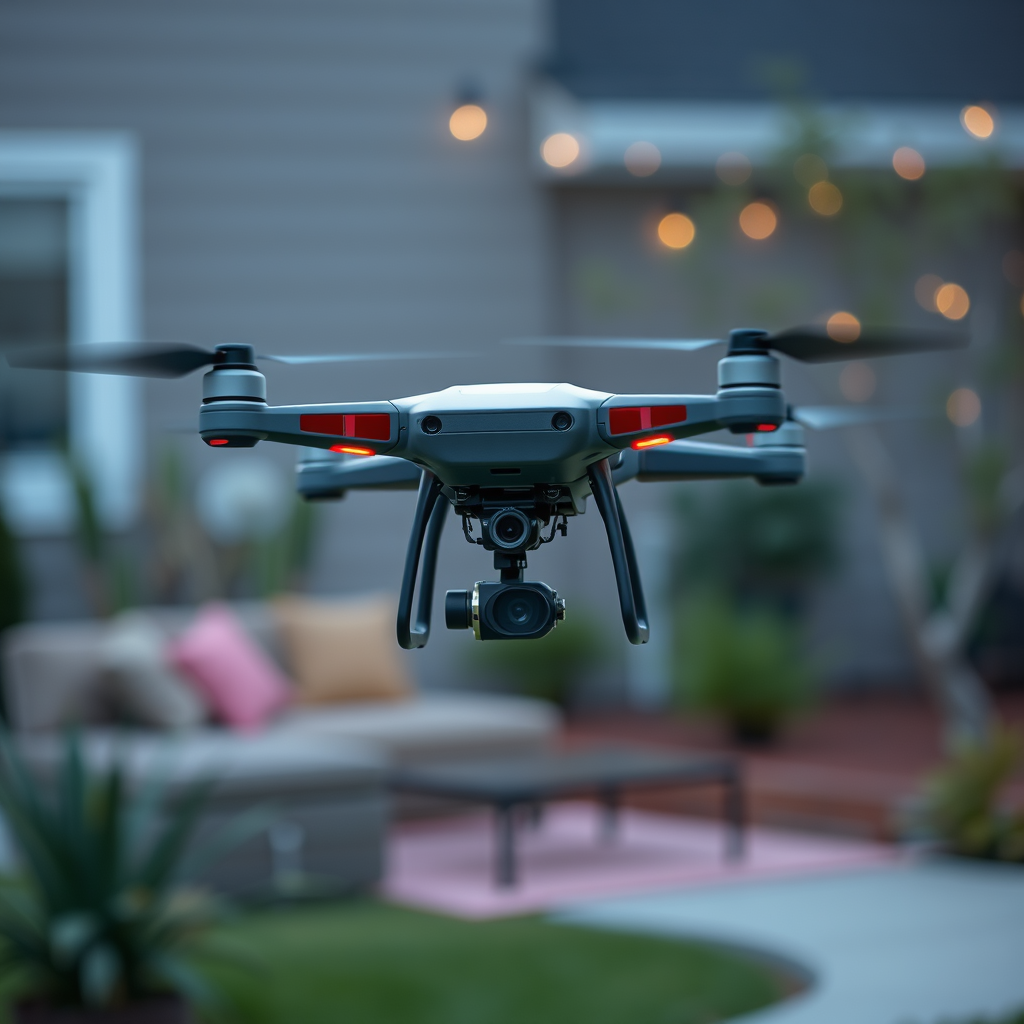
Yes, you can shoot a drone in your yard, but only under specific circumstances. The legality of shooting down a drone involves a complex web of federal, state, and local regulations, as well as considerations related to safety, property rights, and community relationships. This article will guide you through these legalities and considerations to help you understand the implications of taking such action.
Understanding Drone Regulations
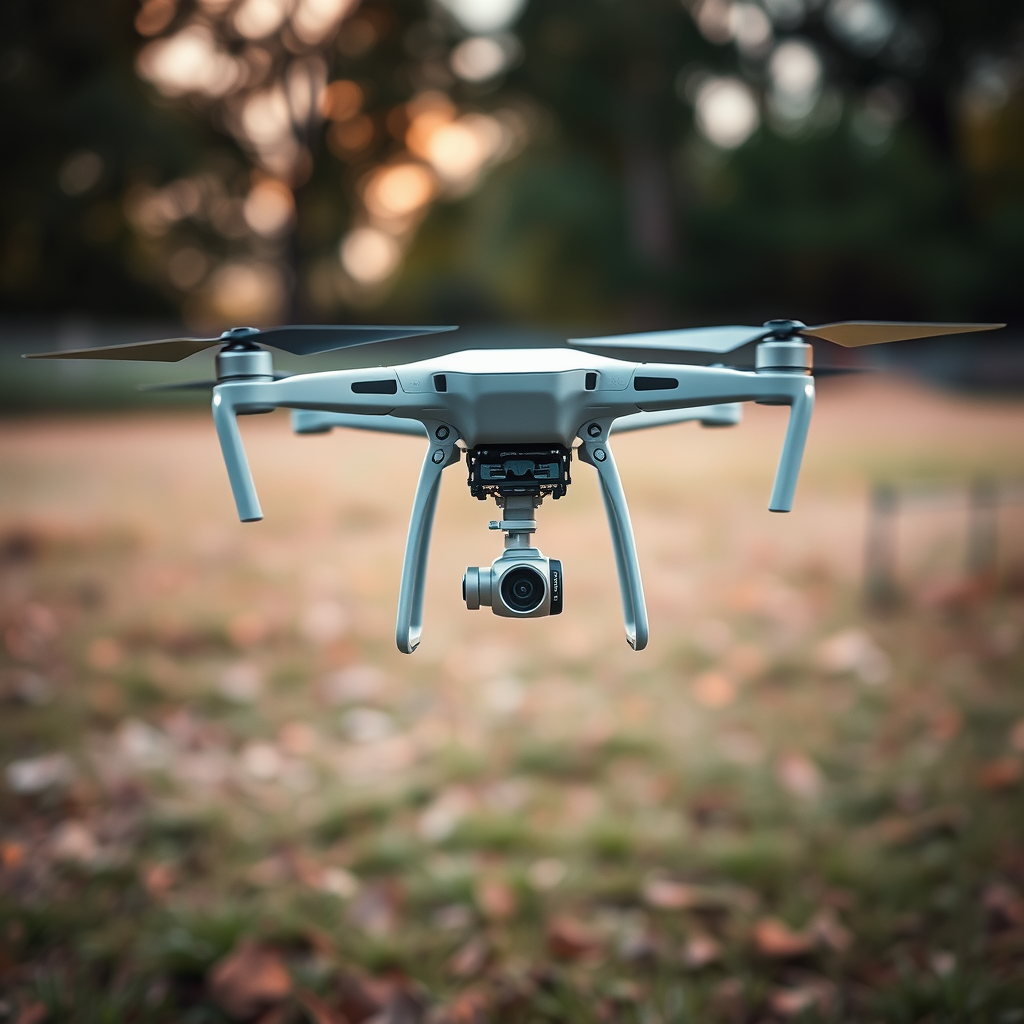
The Federal Aviation Administration (FAA) plays a pivotal role in regulating the operation of drones across the United States. According to FAA guidelines, drones are classified as unmanned aerial vehicles (UAVs), and their operation falls under strict rules that govern airspace use. These regulations include requirements for registration, operational limits, and certification for commercial operators. Importantly, the FAA stipulates that shooting down a drone is generally considered unlawful unless it poses an immediate threat to life or property.
Moreover, local laws can impose additional restrictions that vary by jurisdiction. For instance, some states or municipalities may have enacted specific statutes addressing drone usage and interactions with property owners. These laws might define what constitutes a nuisance or invasion of privacy, which could impact your rights when dealing with a drone flying over your property. Therefore, before considering any drastic measures, it is crucial to familiarize yourself with both federal and local regulations to ensure compliance.
Legal Consequences of Shooting a Drone
Shooting down a drone can lead to serious legal repercussions. Depending on the circumstances, you may face criminal charges related to the destruction of property, particularly if the drone belongs to someone else. Damaging someone else’s property can result in civil liability, and you may be required to compensate the drone’s owner for the loss.
Additionally, law enforcement agencies may interpret shooting a drone as an act of recklessness, particularly if it endangers public safety. For example, discharging a firearm in residential areas is typically illegal and could lead to charges such as disorderly conduct or unlawful discharge of a weapon. In many cases, the potential fallout from shooting down a drone far outweighs the perceived benefits, making it imperative to consider the legal ramifications thoroughly.
Property Rights and Drones
Understanding your property rights in relation to drone operation is essential. Property owners generally have rights to the airspace above their land up to a certain altitude, but this boundary can be ambiguous. The legal precedent often cited is that property owners have rights to the airspace necessary for the use and enjoyment of their property. However, this does not grant absolute control over all aerial activity above it.
Drone operators also have rights, particularly if they are flying within legal parameters established by the FAA. For instance, a drone flying at a legal altitude outside your property line may not be trespassing, even if it is causing annoyance or invading your privacy. This balance between property rights and drone operator rights is crucial when considering any action against a drone flying over your yard.
Alternatives to Shooting a Drone
Before resorting to extreme measures like shooting, consider alternative actions that may be more effective and legally sound. One option is to report unauthorized drone activity to local authorities, especially if you believe the drone is violating privacy laws or regulations. Local law enforcement or aviation authorities may have the tools and authority to investigate and address the situation appropriately.
Another alternative is to explore technological solutions for dealing with drones. There are devices available that can safely disable or redirect drones without resorting to violence or illegal actions. These technologies, such as drone jammers (which are subject to their own legal restrictions), can provide a way to manage unwanted drone presence while remaining compliant with the law.
Safety Considerations
Shooting a drone carries inherent risks that go beyond legal consequences. The act of discharging a firearm can result in ricochet or stray bullets, posing a danger to people, pets, and property in the surrounding area. Moreover, if multiple individuals are nearby, the risk of collateral damage increases significantly.
It is crucial to prioritize safety in any situation involving drones. Assessing your surroundings and ensuring that no one is in harm’s way is paramount. Consider non-lethal methods or contacting authorities instead of taking matters into your own hands. The potential for injury or damage should be a significant consideration before deciding to shoot a drone.
Neighbor Relations and Community Guidelines
Shooting a drone can have lasting effects on your relationships with neighbors and community members. Even if you believe your actions are justified, the perception of hostility or aggression can create tension. Engaging with your neighbors about drone activity in a constructive manner may foster better understanding and cooperation, rather than conflict.
Additionally, many communities have specific guidelines or homeowner association rules regarding drone usage. These regulations often aim to balance the interests of drone enthusiasts and those who wish to enjoy their private spaces without disturbance. Familiarizing yourself with these guidelines can help you navigate potential conflicts more effectively and may provide a clearer framework for addressing drone-related issues without resorting to extreme measures.
In conclusion, while the prospect of shooting a drone in your yard may seem straightforward, the reality is far more complex. It involves a careful consideration of legal ramifications, safety concerns, property rights, and community relationships. Before taking any action, it is crucial to educate yourself on local laws and explore alternative options. Always prioritize safety and legal compliance to avoid unnecessary complications and maintain a harmonious environment in your neighborhood.
Frequently Asked Questions
Can I shoot a drone in my yard without any permits?
Generally, you can fly a drone in your yard without a permit, provided that you adhere to local regulations and national laws set by the Federal Aviation Administration (FAA) in the United States. It’s important to ensure that your drone is registered if it weighs over 0.55 pounds, and you must maintain a visual line of sight with the drone at all times. Additionally, be mindful of local ordinances regarding noise and privacy, as these can vary significantly by location.
What are the regulations for flying a drone in residential areas?
Regulations for flying a drone in residential areas typically include maintaining a certain altitude (usually below 400 feet), avoiding flying over people or private property without permission, and not flying near airports or restricted airspace. It’s also essential to respect the privacy of your neighbors and avoid capturing images or videos without consent, as this can lead to legal issues. Always check with your local government or homeowners association for specific rules.
How can I ensure I’m flying my drone safely in my yard?
To ensure safe drone operation in your yard, first, perform a pre-flight check to confirm that your drone is in good working condition. Choose a clear, open area away from obstacles, and avoid flying in adverse weather conditions. It’s also advisable to familiarize yourself with the drone’s controls and features, practice flying in less populated areas, and be aware of your surroundings to ensure safety for yourself and others.
Why is it important to check local laws before flying a drone in my yard?
Checking local laws before flying a drone in your yard is crucial because regulations can vary widely based on your location and may include restrictions on where and when you can fly. Violating these laws can lead to fines, confiscation of equipment, or even criminal charges. Additionally, understanding local laws helps you respect your neighbors’ privacy and avoid conflicts, ensuring a positive experience with drone flying.
What is the best type of drone for flying in small backyards?
The best type of drone for flying in small backyards is typically a smaller, agile quadcopter that is easy to maneuver and has features like altitude hold and GPS stabilization. Drones such as the DJI Mini SE or the Holy Stone HS720 are excellent options, as they are compact, lightweight, and equipped with safety features. Additionally, look for drones with a decent flight time and range to maximize your backyard flying experience while maintaining control in limited space.
References
- https://en.wikipedia.org/wiki/Drone
- https://www.faa.gov/uas/resources/policy_library
- https://www.nolo.com/legal-encyclopedia/drone-laws-your-state-29725.html
- https://www.eff.org/deeplinks/2016/07/what-you-need-know-about-drone-laws
- https://www.theverge.com/2019/4/10/18302079/drone-laws-state-legislation-2020
- https://www.usatoday.com/story/news/nation/2020/01/11/drone-laws-what-you-need-know/4404299002/
- https://www.nytimes.com/2020/07/09/us/drones-privacy-laws.html
