
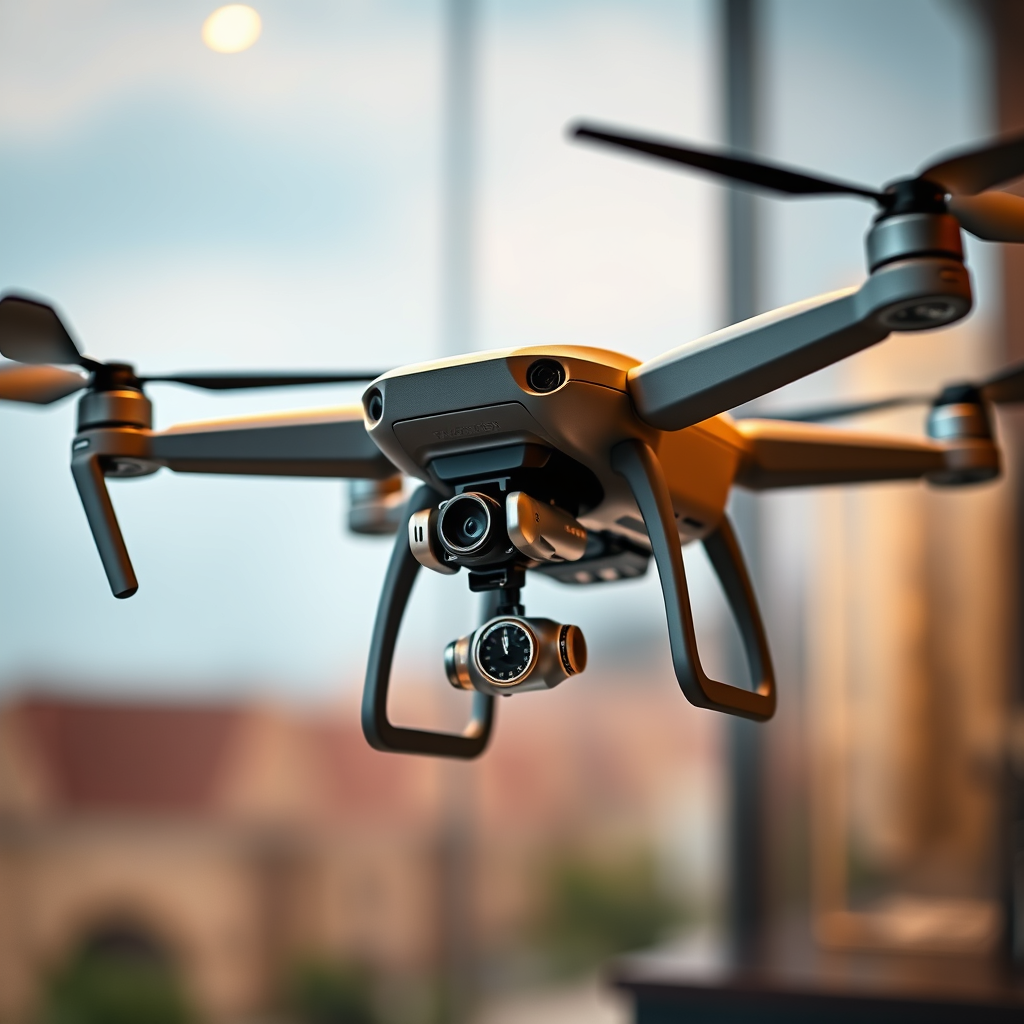
Yes, you can bring your drone to India, but there are specific regulations and requirements you must follow. Understanding these guidelines will help ensure a hassle-free experience while complying with Indian laws. As drone technology becomes increasingly popular for recreational and professional use, many travelers seek to incorporate drone photography and videography into their journeys. However, navigating the legal landscape surrounding drone use in India is crucial for a smooth experience. This article provides an in-depth look at the regulations, documentation, customs requirements, and best practices for flying a drone in India.
Understanding India’s Drone Regulations
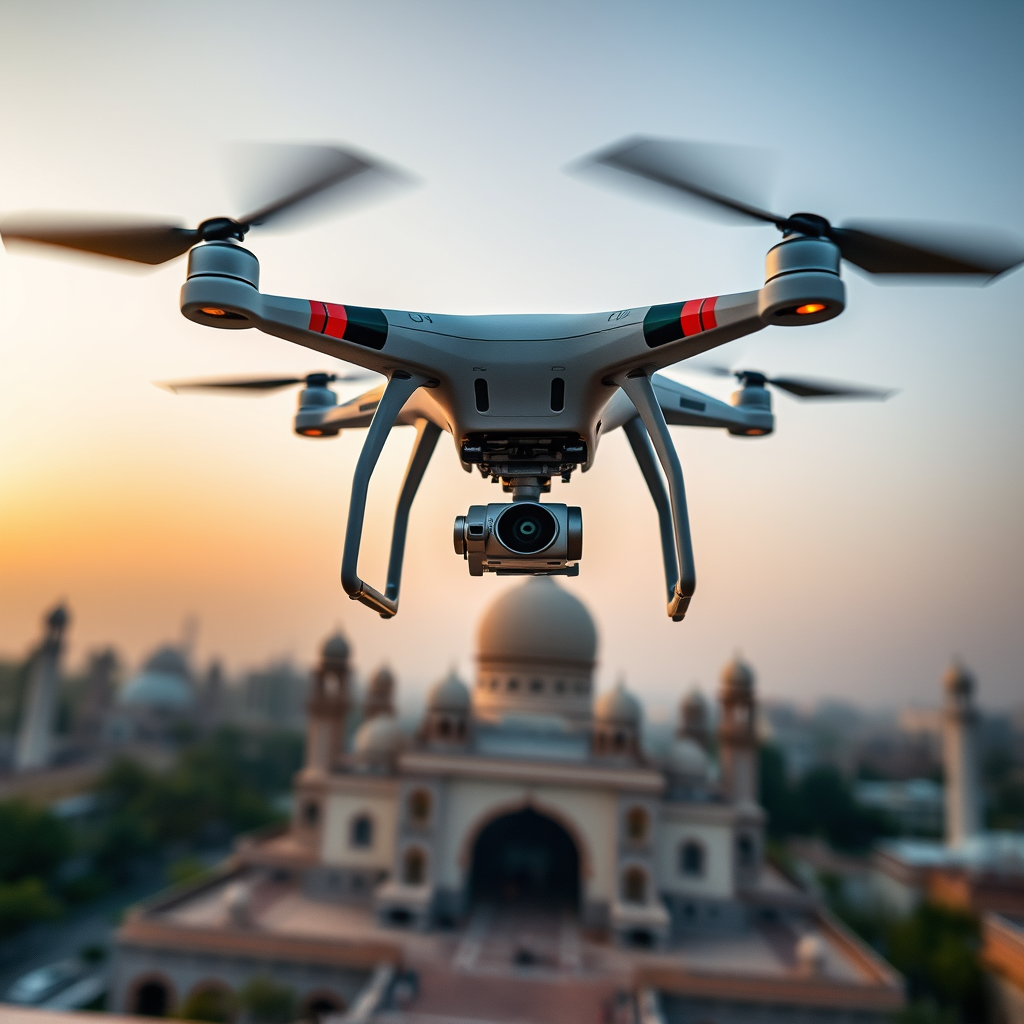
Drones are classified as Unmanned Aerial Vehicles (UAVs) in India and are subject to specific regulations outlined by the Directorate General of Civil Aviation (DGCA). The DGCA has established a regulatory framework to ensure safety, security, and privacy in the evolving drone ecosystem. Drones weighing more than 250 grams must be registered with the DGCA, and the registration process includes obtaining a Unique Identification Number (UIN). The regulations also categorize drones based on their weight and intended use, ranging from nano drones (up to 250 grams) to large drones (over 150 kg). Understanding these classifications is vital as they dictate the necessary compliance measures and flying permissions required.
Necessary Documentation
When bringing your drone to India, you will need to carry a valid drone registration certificate. This certificate serves as proof that your drone meets the required standards and has been registered with the DGCA. It’s also essential to have all relevant approvals, including a Unique Identification Number (UIN) if your drone is classified above the nano category. In addition to registration documents, travelers may also need to present a copy of the drone’s purchase invoice and a flight plan that outlines your intended use and locations where you plan to fly. Having these documents readily available can help facilitate a smoother entry process at customs and security checkpoints.
Customs Regulations for Drones
Drones must be declared at customs upon arrival in India. Failure to do so can result in confiscation or fines. Be prepared to provide documentation that verifies the drone’s ownership and compliance with DGCA regulations. Additionally, it is essential to understand the duty regulations, as certain drones may incur import taxes. If you are carrying a drone for commercial purposes, you may need to obtain additional approvals or permits from the DGCA. It is advisable to check the latest customs regulations on the official Indian customs website or consult with an expert for detailed guidance before traveling to avoid any unexpected issues.
Flying Your Drone in India
Familiarizing yourself with no-fly zones and restricted areas within India is critical to ensuring compliance with local laws. Major cities, airports, military installations, and certain public spaces often have strict regulations against drone flights. The DGCA provides a digital platform called the “Drones Registration and Tracking Portal” where you can find information about restricted zones and airspace regulations. Always check for any local laws and regulations specific to the area where you intend to fly. Engaging with local drone enthusiasts or communities can provide additional insights into safe flying practices and local restrictions.
Insurance and Liability Considerations
Obtaining insurance for your drone is a prudent step to cover potential damages or liability issues that may arise during your flights. Drone insurance can protect against physical damage to the drone, third-party liability, and even loss or theft. Additionally, understanding the liability issues in case of accidents is vital. If your drone causes property damage or injures someone, you could face legal claims. Therefore, securing adequate insurance coverage not only provides peace of mind but also protects you financially in case of unforeseen incidents.
Tips for Traveling with Your Drone
When traveling with your drone, ensure it is packed securely to prevent damage during transit. Use a sturdy carrying case, and consider padding it with foam or bubble wrap to safeguard against impacts. Keep essential accessories such as batteries, remote controls, and spare propellers accessible for easy inspection during security checks. Before your trip, familiarize yourself with the airline’s policies regarding drone transport, as regulations may vary. It’s also advisable to check the local laws and regulations of the countries you will be traveling to, as these can impact your ability to carry and operate your drone.
In summary, bringing your drone to India is indeed possible, but it requires careful attention to regulations and documentation. By understanding India’s drone regulations, ensuring you have the necessary documentation, complying with customs regulations, and adhering to local flying laws, you can enjoy a seamless experience while capturing stunning aerial imagery. Take the time to research thoroughly before your trip, and remain informed about any regulatory changes to ensure compliance and a smooth experience.
Frequently Asked Questions
What are the regulations for bringing a drone to India?
When bringing a drone to India, you must adhere to the Directorate General of Civil Aviation (DGCA) regulations. Drones weighing more than 250 grams need to be registered with the DGCA, and you must obtain a Unique Identification Number (UIN). Additionally, you should familiarize yourself with the Airspace Map of India and ensure your flight complies with local laws regarding no-fly zones.
How do I register my drone in India before traveling?
To register your drone in India, you must apply online through the DGCA’s Digital Sky platform. After creating an account, provide the necessary details, including the drone’s specifications, and submit the required documents for verification. Once approved, you will receive a Unique Identification Number (UIN) which is mandatory for flying your drone legally in India.
Why is it important to have a Unique Identification Number (UIN) for my drone in India?
A Unique Identification Number (UIN) is essential for legally operating your drone in India, as it ensures compliance with national regulations set by the DGCA. The UIN helps authorities track drones, enhancing safety and security in the airspace. Operating a drone without a UIN can lead to legal repercussions, including fines and confiscation of the drone.
Which documents do I need to carry when flying my drone in India?
When flying your drone in India, you should carry specific documents, including your drone’s registration details, the Unique Identification Number (UIN), and proof of your identity. Additionally, if your drone is being operated for commercial purposes, ensure you have the necessary permissions and licenses from the DGCA, as these will be required by authorities during inspections.
What are the best practices for flying a drone in India?
To ensure a safe and responsible drone flying experience in India, follow best practices such as checking local regulations and no-fly zones, maintaining a visual line of sight with your drone, and respecting privacy laws. Additionally, avoid flying near airports, crowded areas, or sensitive locations, and always monitor weather conditions before your flight. These practices will help you stay compliant and enhance safety while enjoying your drone experience.
References
- https://en.wikipedia.org/wiki/Drone_regulations_in_India
- https://www.civilaviation.gov.in/
- https://www.thehindu.com/news/national/what-you-need-to-know-about-drones-in-india/article31234573.ece
- https://www.moneycontrol.com/news/business/can-i-take-my-drone-to-india-what-you-need-to-know-9196291.html
- https://www.reuters.com/article/us-india-drones-insight-idUSKBN2A30PU
