
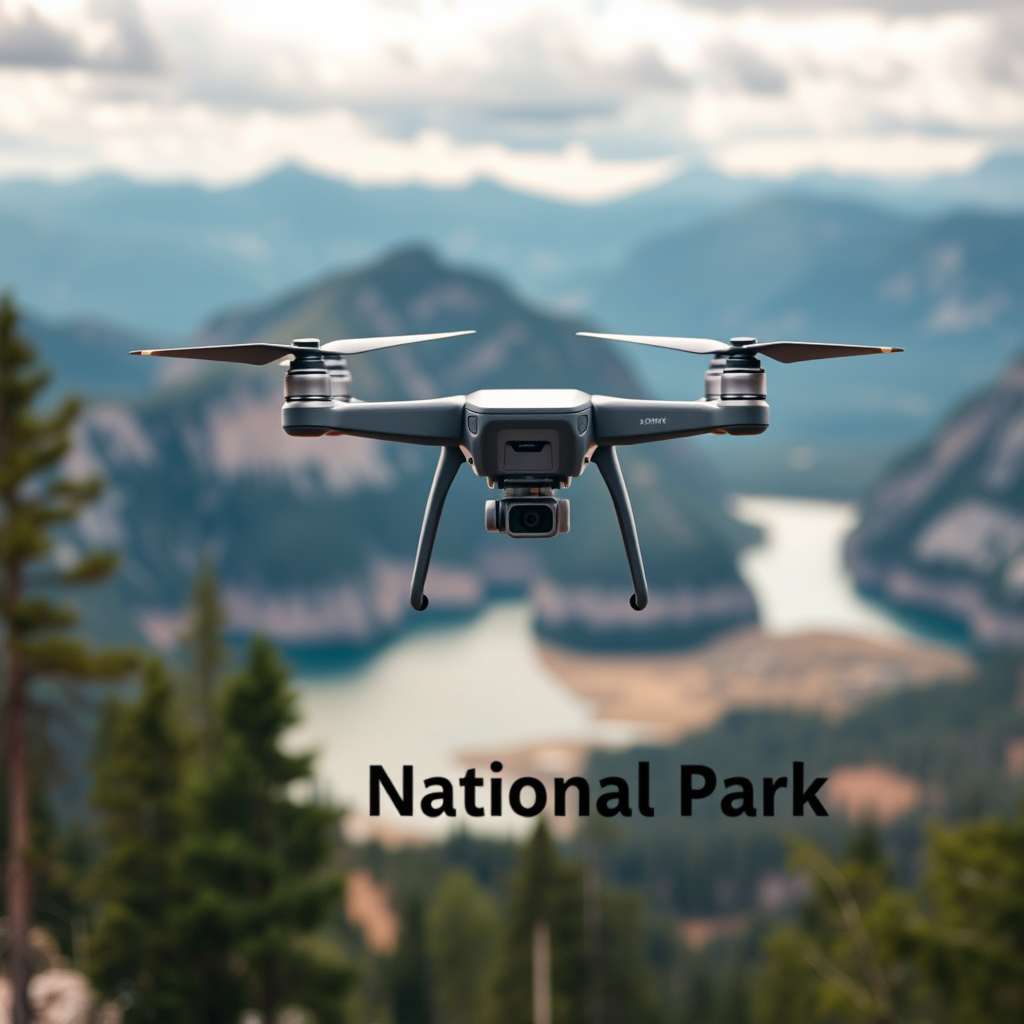
Yes, you can use a drone in a national park, but it’s subject to strict regulations and guidelines. Understanding these rules is crucial to ensure both compliance and the protection of natural resources. The use of drones in national parks is primarily restricted to maintain the integrity of wildlife habitats and the overall visitor experience. As the popularity of drone photography soars, it is essential to navigate the regulatory landscape to avoid penalties and preserve the natural beauty of these protected areas.
Understanding National Park Regulations
Drones are generally prohibited in most national parks across the United States. The National Park Service (NPS) has implemented these restrictions to safeguard both the wildlife and the natural landscapes that attract millions of visitors each year. The rationale behind these prohibitions is based on concerns about noise pollution, potential disturbances to wildlife, and the overall impact on the serene environment that national parks are known for. However, there are exceptions; some parks may allow drone use for specific purposes, such as scientific research, search and rescue operations, or other public safety missions. It is important to check the regulations specific to the park you wish to visit, as they can vary significantly from one location to another.
Permitting Process for Drone Use
If you are interested in flying a drone in a national park for a legitimate purpose, the first step is to check if the park offers a special use permit for drones. This permit is typically required for any organized activity that might otherwise violate the park’s general regulations. The application process generally involves submitting a detailed proposal outlining your intended use of the drone, including the purpose, location, and duration of the flight. For instance, if you are conducting research on wildlife populations, you will need to explain how your drone will be used to gather data without causing disturbances. It is advisable to submit your application well in advance of your planned visit, as processing times can vary, and approvals are not guaranteed.
Restrictions on Drone Flights
Even in cases where drone use is permitted, there are stringent restrictions that must be adhered to. One common regulation is the altitude limit; typically, drone operators are not allowed to fly above 400 feet to minimize the risk of collisions with manned aircraft and to reduce disturbances to wildlife. Furthermore, drone operators must avoid flying near wildlife, visitors, or park facilities to prevent unnecessary disturbances. For example, flying a drone too close to nesting birds can stress the animals and disrupt their natural behaviors, potentially leading to negative consequences for their populations. Operators are also urged to respect the privacy of other visitors and to maintain appropriate distances from park attractions, ensuring that the park remains an enjoyable space for everyone.
Alternatives to Drone Photography
If you find that flying a drone in a national park is not permitted or feasible, there are several alternatives to capturing stunning photographs and videos. Handheld cameras equipped with high-quality lenses can yield excellent results without the need for drone technology. Additionally, many national parks feature designated viewpoints or observation areas that offer breathtaking vistas and unique angles for photography. Engaging with local guides or park rangers can also provide insight into the best spots for capturing the park’s beauty without the use of drones, enriching your overall experience while adhering to regulations.
Consequences of Violating Drone Regulations
The consequences of violating drone regulations in national parks can be severe. Unauthorized drone flights may result in hefty fines, legal repercussions, and potential criminal charges, depending on the severity of the infraction. Moreover, park authorities may confiscate your drone, and you could face a ban from returning to the park. In a worst-case scenario, reckless drone usage could lead to accidents that endanger wildlife or other visitors, further justifying strict enforcement of these regulations. It is crucial to understand the implications of non-compliance and to respect the rules established to protect these treasured landscapes.
Local Resources and Contacts
To ensure that you are fully informed about the specific regulations regarding drone use in a national park, it is advisable to visit the official National Park Service website, which provides comprehensive guidelines for each park. Many parks also have dedicated visitor centers and ranger stations where you can seek additional information. Park rangers are valuable resources, often equipped with the most up-to-date information regarding drone regulations, permitting processes, and best practices for responsible photography. Engaging with these local resources can enhance your visit and help you stay compliant with all necessary regulations.
In conclusion, while flying a drone in a national park is generally restricted, there are specific pathways to seek permission. It is essential to research and follow all regulations to protect our natural landscapes and ensure a safe experience for all visitors. By understanding the permitting process, adhering to flight restrictions, and exploring alternative photography methods, you can still capture the beauty of national parks while respecting the rules designed to preserve these extraordinary ecosystems.
Frequently Asked Questions
Can I fly a drone in a national park?
No, flying drones in national parks is generally prohibited due to regulations set by the National Park Service (NPS). The ban aims to protect wildlife, preserve the natural landscape, and ensure the safety of visitors. If you’re considering drone usage, check the specific park’s regulations, but as a rule, it’s best to fly drones outside of national park boundaries.
What are the consequences of flying a drone in a national park?
The consequences of flying a drone in a national park can include hefty fines, confiscation of the drone, and potential criminal charges. The NPS enforces strict regulations, and violations can lead to penalties of up to $5,000 for individuals or even more for organizations. It’s essential to respect these rules to avoid legal issues and protect the park’s integrity.
How can I get permission to use a drone in a national park?
To obtain permission to use a drone in a national park, you must submit a special use permit application to the specific park’s management. This process involves providing details about your intended use, safety measures, and how your drone operation will not negatively impact the park’s resources or visitors. However, keep in mind that approval is not guaranteed, and most applications are reviewed on a case-by-case basis.
Why are drones banned in national parks?
Drones are banned in national parks primarily for the preservation of wildlife and natural landscapes, as well as to maintain a peaceful experience for park visitors. The noise and potential disturbances caused by drones can disrupt animal behavior and compromise the serenity that many visitors seek. These regulations are in place to safeguard the unique ecosystems and promote responsible outdoor recreation.
Which areas near national parks allow drone flying?
Many areas surrounding national parks allow drone flying, but it’s crucial to adhere to local regulations and airspace rules. Check with the Federal Aviation Administration (FAA) for guidelines on drone use, including altitude limits and no-fly zones. Additionally, look for state parks or public lands nearby, as they may have different rules regarding drone operations, providing excellent opportunities for aerial photography and exploration.
References
- https://www.nps.gov/subjects/drones/index.htm
- https://www.nps.gov/subjects/drones/faq.htm
- https://www.faa.gov/uas/getting_started/part_107/
- https://www.faa.gov/uas/
- https://www.npca.org/resources/entry/drone-use-in-national-parks
- https://www.wilderness.org/initiatives/drone-use-wilderness
- https://www.sciencedirect.com/science/article/pii/S2351978919300375
