
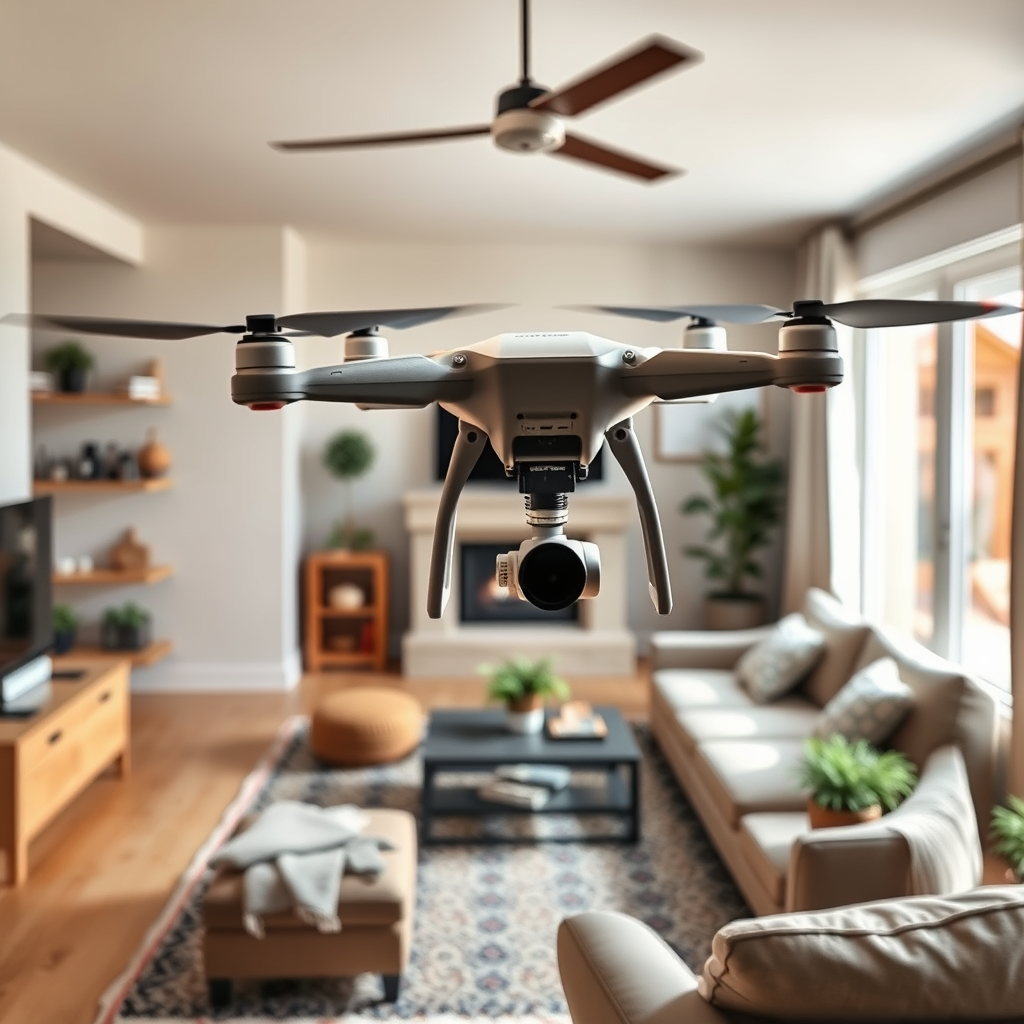
Yes, people can fly drones over your house, but there are specific regulations and guidelines that govern this activity. Understanding these rules can help you know your rights and how to address any concerns you may have regarding drones flying above your property. The rise of drone technology has made it easier than ever for individuals to operate these devices for various purposes, from recreational use to commercial applications. However, this convenience comes with a set of legal and ethical considerations that every drone operator—and homeowner—should be aware of.
Understanding Drone Regulations
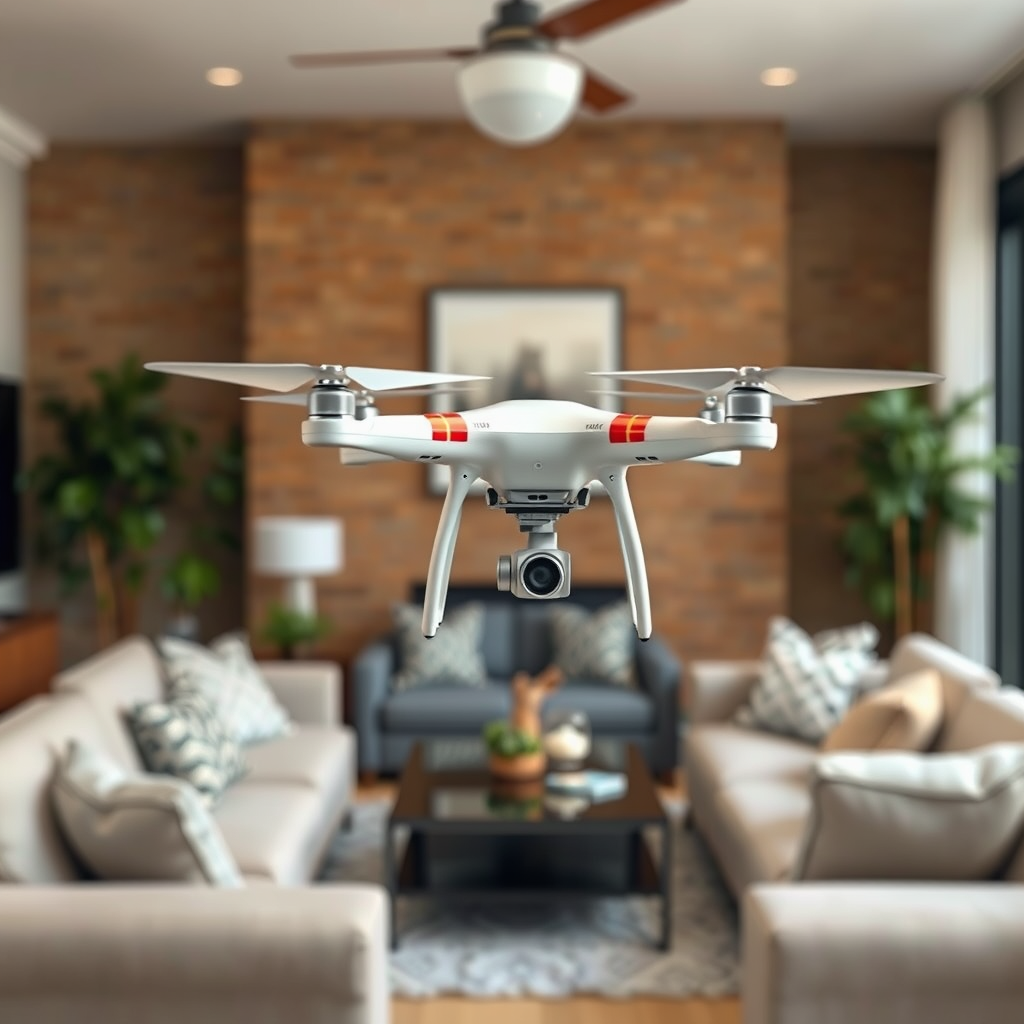
The Federal Aviation Administration (FAA) is the primary regulatory body overseeing drone use in the United States. Under FAA regulations, drone operators must adhere to a series of guidelines to ensure safety and compliance. For recreational users, this includes flying at or below 400 feet, maintaining a visual line of sight with the drone at all times, and avoiding flying over people or moving vehicles unless specific provisions are met.
Commercial drone operators, on the other hand, must obtain a Part 107 certification, which includes passing a knowledge test and adhering to stricter operational guidelines. These regulations help ensure that drones do not pose a risk to manned aircraft or people on the ground. As a homeowner, being aware of these regulations can help you understand what activities are permissible above your property and whether they are being conducted legally.
Privacy Concerns
Drones equipped with cameras can raise significant privacy issues for homeowners. The ability of these devices to capture images and videos from vantage points that were previously inaccessible can lead to feelings of intrusion and discomfort. Legally, while the FAA governs airspace use, privacy concerns often fall under state laws, which vary widely across the country.
Some states have enacted laws that provide additional protections against unwanted surveillance, restricting drone operators from using their devices in ways that invade personal privacy. For example, California has strict laws against the use of drones for spying, making it illegal to use a drone to capture images of someone on private property without consent. Homeowners concerned about privacy should familiarize themselves with their state laws to understand the protections available to them and what actions they can take if they feel their privacy has been compromised.
Airspace Classifications
Understanding airspace classifications is crucial for homeowners who wish to be informed about drone activity above their property. Airspace is classified into controlled and uncontrolled categories, each with different regulations governing drone flights. Controlled airspace typically surrounds airports and requires pilots to obtain permission before flying. In contrast, uncontrolled airspace is less regulated, allowing for greater freedom of movement for drone operators.
Homeowners should be particularly aware of their proximity to airports and other no-fly zones, which are designated areas where drone flights are prohibited or restricted. For instance, flying a drone within five miles of an airport requires notifying the airport and air traffic control. Familiarity with these classifications can empower homeowners to better understand when and where drone activity may occur in their vicinity, allowing for proactive measures if needed.
Local Ordinances and Restrictions
In addition to federal regulations, many municipalities have instituted their own regulations regarding drone usage. These local ordinances can impose additional restrictions, such as prohibiting drone flights over certain areas, requiring permits for specific operations, or setting curfews for when drones can be flown.
For example, some cities may ban drone use in public parks or residential neighborhoods to minimize disturbances and protect residents’ privacy. Homeowners should take the time to research and consult their local government or city council to understand any specific rules that may apply to drone operations in their area. Being informed about these local laws can help homeowners address any concerns regarding drone activity that may affect their property.
Neighborly Communication
Open communication with neighbors can be a vital tool in addressing concerns related to drone flights. If you are aware that a neighbor owns a drone, discussing your feelings about potential disturbances or privacy invasions can help establish mutual understanding and set boundaries.
Establishing clear guidelines for drone use can prevent conflicts and ensure that all parties feel respected. For instance, a neighbor might agree to limit their drone usage to certain times of day or refrain from flying over your property altogether. By fostering a cooperative environment, homeowners can mitigate potential disputes and encourage responsible drone usage within their community.
What to Do If You Have Concerns
If you find a drone causing disturbances or encroaching on your privacy, it is essential to take a methodical approach to address the issue. Start by documenting the occurrences, noting the date, time, and nature of the disturbances. This documentation can be useful if you decide to escalate the matter to local authorities or seek legal advice.
Next, consider reporting your concerns to local law enforcement or your municipality’s zoning office. Many areas have established procedures for handling drone-related complaints, and local authorities may be able to mediate the situation or take appropriate action if necessary. Additionally, understanding your rights as a property owner, including any relevant local ordinances, can empower you to take action when faced with intrusive drone activity.
In conclusion, while people can legally fly drones over your house, understanding the associated regulations and your rights is crucial. Familiarizing yourself with FAA guidelines, state privacy laws, airspace classifications, and local ordinances can help you navigate concerns effectively. Moreover, open communication with neighbors can lead to amicable resolutions, while knowing the proper channels to report disturbances can ensure that your rights as a homeowner are respected. Taking these steps can help create a harmonious balance between drone enthusiasts and property owners, allowing everyone to enjoy their rights and freedoms responsibly.
Frequently Asked Questions
What are the laws regarding flying drones over private property?
In most countries, including the United States, the Federal Aviation Administration (FAA) allows drone operators to fly over private property as long as they follow certain guidelines. Drones must remain within visual line-of-sight, and operators must respect local regulations and privacy laws, which can vary by state or municipality. It’s essential to check with local authorities to understand any specific restrictions that might apply.
How can I prevent drones from flying over my house?
While you cannot completely prevent drones from flying over your property due to airspace regulations, you can take steps to discourage operators. Installing physical barriers like tall fences or trees can limit visibility and access. Additionally, you can report any intrusive drone activity to local law enforcement, especially if it’s invasive or poses a privacy concern.
Why do people fly drones over residential areas?
Drones are commonly flown over residential areas for various reasons, including photography, real estate marketing, surveying land, or recreational use. Some operators may also be conducting inspections or monitoring agricultural fields. While most drone flights are harmless, awareness of their presence is vital for residents concerned about privacy and safety.
What should I do if I feel uncomfortable with a drone flying over my home?
If you feel uncomfortable with a drone flying over your property, first try to identify the operator if possible. Open communication can sometimes alleviate concerns. If the drone’s presence persists and you believe it violates privacy laws or poses a threat, document the incidents and consider filing a complaint with local law enforcement or the FAA.
Which resources can help me learn more about drone regulations in my area?
To learn more about drone regulations in your area, you can visit the FAA’s official website, which provides comprehensive information about national drone laws. Additionally, local government websites often have resources detailing specific laws and ordinances regarding drone usage. Joining local community forums or groups focused on drone usage can also provide valuable insights and advice from fellow residents and drone enthusiasts.
References
- https://www.faa.gov/uas/
- https://www.nolo.com/legal-encyclopedia/drone-laws-your-state-what-know-29540.html
- https://www.abcnews.go.com/US/drone-laws-state-know/story?id=48679351
- https://www.reuters.com/article/us-usa-drones-idUSKCN1VI2LQ
- https://www.aclu.org/other/drone-flyers-guide-your-rights
- https://www.forbes.com/sites/jonathanchang/2021/11/30/understanding-the-rules-of-drone-flying-in-your-area/?sh=5b4b4e0e3e2e
